What a Helicopter Black Box Really Does: Understanding Flight Data and Cockpit Voice Recorders
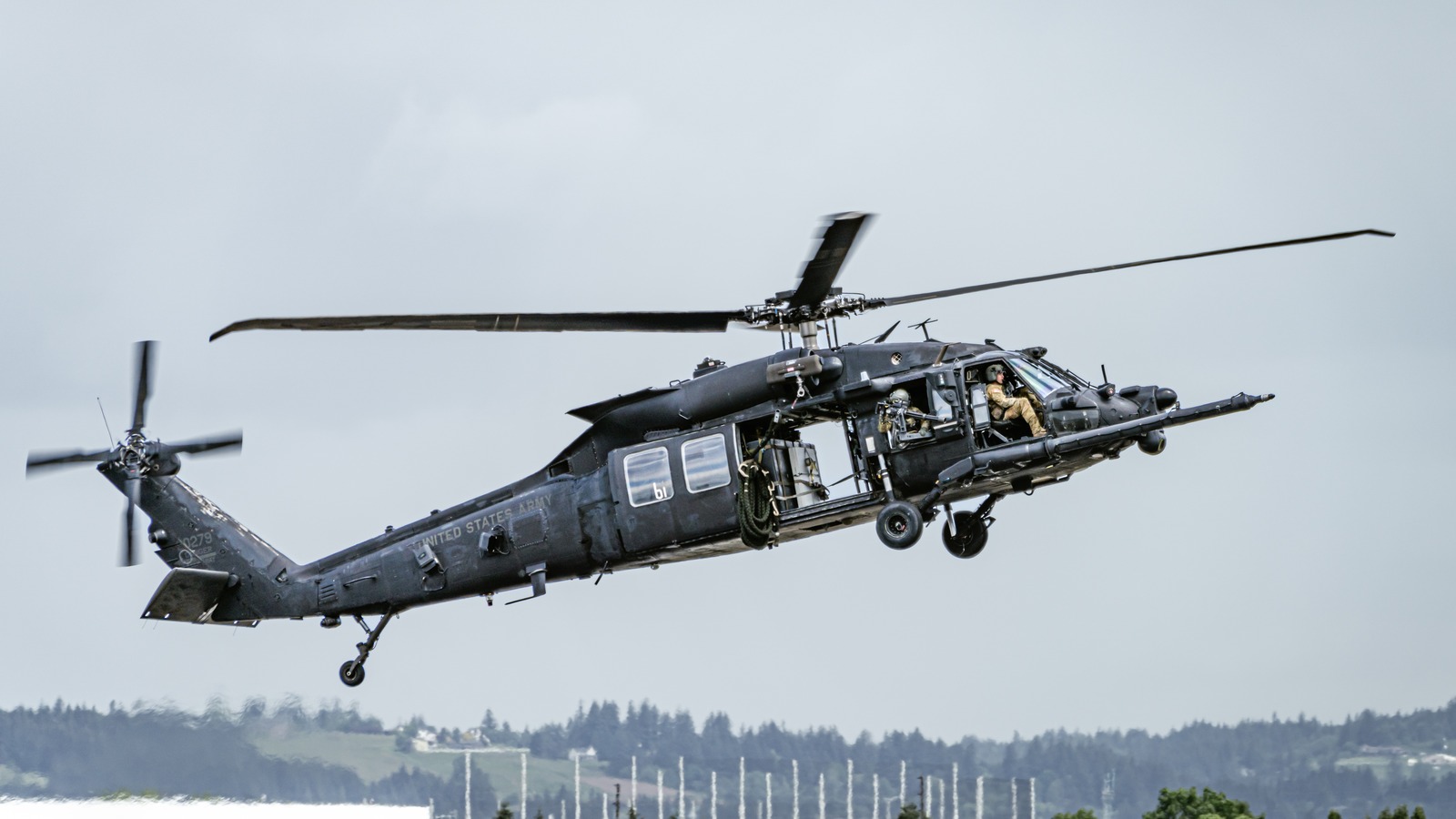
A helicopter "black box" is a sophisticated electronic recording system designed to preserve flight data and cockpit audio for forensic analysis following an aviation incident. Contrary to the name, these units are bright orange to aid in recovery and consist of the Flight Data Recorder (FDR) and the Cockpit Voice Recorder (CVR), which collectively provide an objective, chronological account of the aircraft’s performance and crew interactions leading up to a critical event.
The Anatomy of the Helicopter Black Box System
The term "black box" is a colloquialism for two distinct pieces of hardware carried on board most commercial and heavy-lift helicopters: the Flight Data Recorder (FDR) and the Cockpit Voice Recorder (CVR). In modern aviation, these are often integrated into a single unit known as a Flight Data Acquisition and Recording System (FDARS) or a combination recorder.
The primary objective of these systems is survivability. They are engineered to withstand extreme environmental conditions that would destroy conventional electronic storage media. This includes protection against high-G impact forces, extreme heat (often tested to endure 1,100°C for extended periods), and deep-sea pressure for maritime recovery. The exterior is coated in high-visibility orange paint and equipped with an Underwater Locator Beacon (ULB), which emits an ultrasonic pulse that can be detected by sonar equipment for up to 90 days after an impact.
How Flight Data Recorders (FDR) Work
An FDR is essentially the "digital brain" of the helicopter's performance history. It does not record video or audio; instead, it captures a continuous stream of numerical data from sensors distributed throughout the aircraft.
In a helicopter, the complexity of flight dynamics—such as rotor RPM, collective and cyclic pitch settings, and engine torque—requires a high-speed data stream. The FDR records hundreds of individual parameters, including:
- Altitude and Airspeed: Tracking the vertical and horizontal position relative to the ground.
- Attitude: Monitoring pitch, roll, and yaw, which are critical for understanding how the helicopter was being maneuvered.
- Engine Performance: Tracking torque, temperature, and fuel flow to identify potential mechanical failures.
- Control Inputs: Recording the movement of the pilot’s cyclic, collective, and anti-torque pedals to determine if the aircraft was responding correctly to manual inputs.
By analyzing these data points, investigators can reconstruct a "digital twin" of the flight, allowing them to see exactly how the helicopter behaved in the final seconds before an incident.
The Role of the Cockpit Voice Recorder (CVR)
While the FDR captures the "what," the Cockpit Voice Recorder captures the "why." The CVR records audio from the flight deck, including pilot communications via radio, intercom conversations between crew members, and ambient cockpit sounds.
Modern CVRs utilize a multi-channel approach. They record audio through microphones strategically placed in the cockpit, capturing not just speech, but also mechanical signatures such as switch clicks, warning horn chimes, or the distinct sound of engine spooling. These ambient noises are often the most valuable clues for accident investigators; for instance, a specific sound pattern can confirm if a gearbox failure occurred or if an engine-out procedure was initiated before the rotor system lost momentum.
Differences Between Fixed-Wing and Rotary-Wing Recording
While the fundamental technology is similar, the requirements for helicopter recorders are distinct due to the nature of rotary-wing flight. Helicopters often operate at much lower altitudes than fixed-wing aircraft, meaning that the time between an event and an impact is significantly shorter.
Furthermore, helicopters frequently operate in "off-airport" environments, such as remote mountainous terrain or offshore oil platforms, where the risk of controlled flight into terrain (CFIT) is higher. Consequently, current regulations emphasize the need for "Lightweight Flight Recording Systems" (LFRS). Because small helicopters may not have the electrical capacity to support large, heavy, legacy recording units, the aviation industry has moved toward compact, solid-state recorders that offer the same crash-protected durability as commercial airline units but in a footprint suitable for lighter airframes.
Comparison of Modern Flight Recording Standards
The following table outlines the technical specifications typically required for crash-protected recording systems in civil and commercial aviation.
| Feature | Cockpit Voice Recorder (CVR) | Flight Data Recorder (FDR) |
|---|---|---|
| Primary Data | Audio (Radio, Intercom, Ambient) | Sensor Data (Altitude, Speed, Torque) |
| Storage Medium | Solid-State Memory | Solid-State Memory |
| Minimum Duration | 2 Hours (Standard) | 25 Hours (Standard) |
| Primary Use | Human Factor Analysis | Mechanical/Performance Analysis |
| Recovery Aid | Underwater Locator Beacon | Underwater Locator Beacon |
What Investigators Look For During Analysis
When an investigator retrieves data from a black box, the process is systematic. First, the data is downloaded in a secure environment. For flight data, it is converted from raw binary code into engineering units (e.g., knots, degrees, pounds-feet) that can be visualized on a graph.
The analysis focuses on identifying deviations from normal operating procedures. If the FDR shows that the rotor RPM dropped below the "green arc" while the pilot was increasing collective pitch, it points toward a potential stall or engine management issue. If the CVR records a specific warning tone—like a transmission oil temperature alarm—milliseconds before the data shows a power loss, the timeline of a mechanical failure becomes clear.
It is important to note that black box data is rarely the only source of information. It is cross-referenced with airframe maintenance logs, weather reports from the time of the event, and witness testimony. The black box acts as the anchor point, providing an impartial, objective timeline that prevents speculation regarding what happened during the flight.
The Evolution of Crash Survivability
Since the inception of black box technology in the mid-20th century, the standards have evolved significantly. The transition from magnetic tape to solid-state flash memory has been the most significant upgrade. Magnetic tapes were prone to breakage, electromagnetic interference, and heat damage. Solid-state memory has no moving parts and is essentially impervious to the vibration and high-G impacts that a helicopter might experience during a forced landing.
In 2026, the focus has shifted toward "Deployable Recorders." These are units that automatically eject from the aircraft upon impact and utilize satellite signaling to transmit their location. This development is particularly beneficial for helicopters operating over deep water, as it eliminates the need for complex, time-consuming underwater recovery operations.
Common Misconceptions
One of the most persistent myths about black boxes is that they contain real-time streaming data that allows a central office to "watch" the flight. While some modern commercial aircraft utilize FOQA (Flight Operations Quality Assurance) programs to transmit specific data points via satellite, the actual "black box" is a storage device meant for post-accident retrieval. It is not designed for real-time tracking, and it does not record video of the flight deck unless specifically installed as an advanced crash-protected video recorder.
Another misconception is that the data is easy to manipulate. The physical hardware is sealed to prevent unauthorized access, and the digital files are cryptographically signed. Once a data frame is written to the CVR or FDR, it is immutable, ensuring that the evidence remains untainted by outside influences or the need to obscure facts.
Limitations and Regulatory Requirements
Not every helicopter is legally required to carry a full-suite black box. Regulatory bodies, such as the Federal Aviation Administration (FAA) in the United States or the European Union Aviation Safety Agency (EASA), define requirements based on the aircraft’s weight, the number of passengers, and the type of operation (e.g., air ambulance versus private pilot).
Operators of light, single-engine helicopters are often exempt from the more stringent recording requirements that apply to multi-engine turbine helicopters. However, even when not legally mandated, many operators choose to install voluntary Flight Data Monitoring (FDM) systems. These systems are used to proactively identify "exceedances"—moments where the pilot pushed the aircraft beyond its structural or performance limits—allowing companies to provide targeted training and improve overall fleet safety.
Next Steps for Operational Safety
If you are an aircraft operator looking to enhance your safety posture, the primary recommendation is to implement a robust Flight Data Monitoring (FDM) program. Whether your helicopter is mandated to carry a crash-protected recorder or not, the value lies in the data.
- Audit Your Requirements: Check your local aviation authority’s regulations regarding Part 135 or Part 91 operations to determine if your specific airframe requires a certified CVR/FDR.
- Evaluate Lightweight Systems: If your aircraft is not currently equipped, look into LFRS (Lightweight Flight Recording Systems). They provide a cost-effective way to ensure data availability in the event of an incident.
- Implement a Data Review Process: An FDR is useless if the data is never reviewed. Establish a protocol for downloading and analyzing flight data at regular intervals to catch performance trends early.
- Prioritize Maintenance: Ensure that your ULB battery is serviced according to the manufacturer’s schedule. A black box is only as good as its ability to be located after a crash.
By understanding that a helicopter black box is not merely a "black box" but a vital forensic tool for safety, operators and pilots can shift their focus from mere compliance to active risk management.

Image Gallery
Select an image to open it in a new tab.

Zara El-Hashem
Sociocultural Dynamics and Academics Writer
