What Are the Best Fishing Spots in San Diego
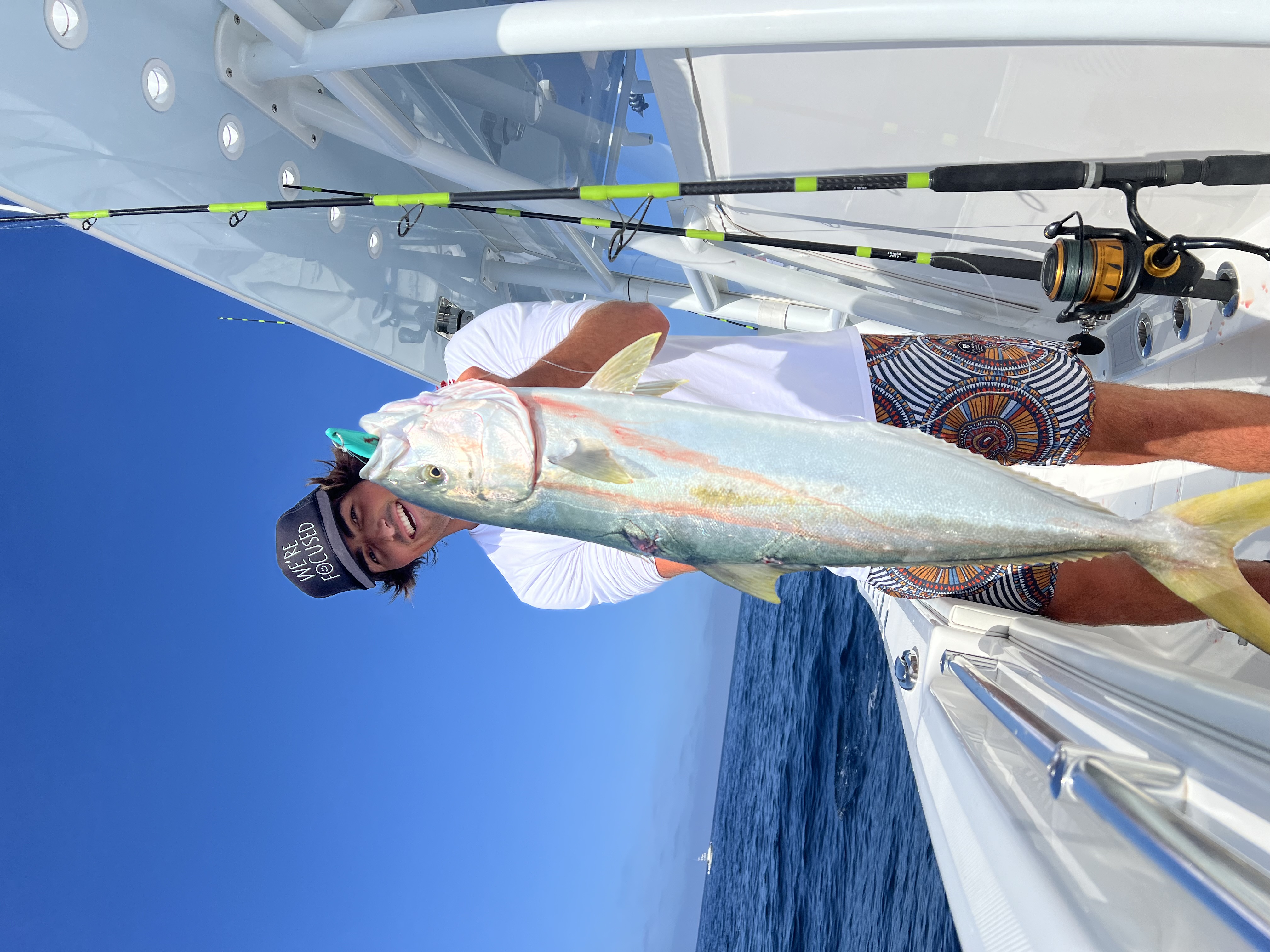
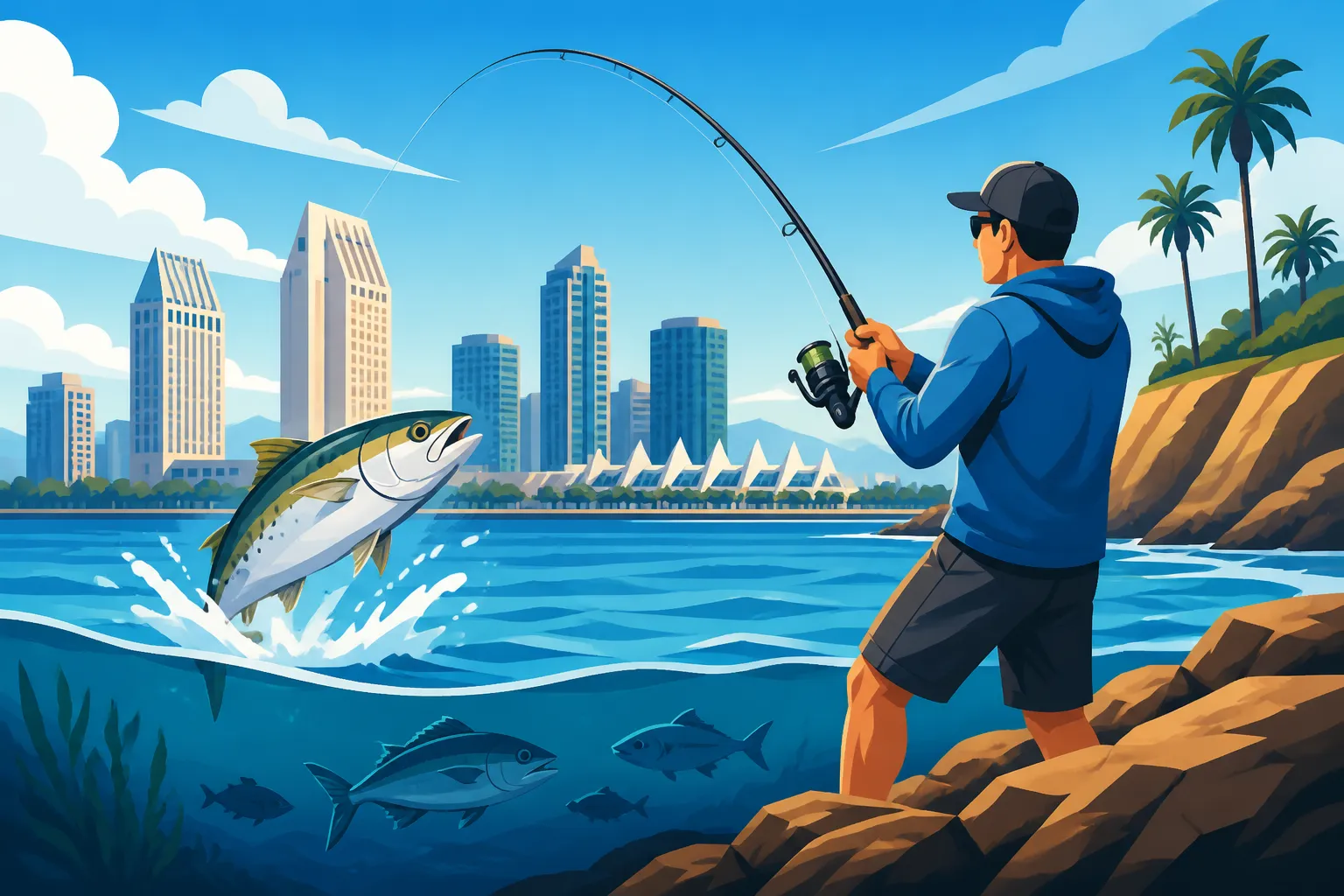
San Diego offers some of the most diverse and rewarding fishing spots on the Pacific Coast, ranging from bustling urban piers and tranquil bays to rugged kelp beds and deep-water offshore grounds. Whether you prefer casting from the shore or heading miles out to sea, the region accommodates every angling style.
Choosing where to cast a line in San Diego depends on what you want to catch, your budget, and whether you have access to a boat. The city's unique coastal geography combines deep underwater canyons, protected bays, and long stretches of sandy beaches, creating an ideal habitat for hundreds of marine species. Below is a comprehensive guide to the top-rated fishing spots in San Diego, categorized by environment, along with the regulations, gear requirements, and practical advice you need for a successful trip.
Understanding San Diego's Fishing Ecosystems
San Diego's coastline features distinct ecological zones, each hosting specific fish species. Understanding these environments will help you match your bait, tackle, and technique to the target species.
Bays and Estuaries
Protected waters like San Diego Bay and Mission Bay provide calm environments that are ideal for shore-bound anglers, kayak fishers, and families. These areas are characterized by shallow flats, eelgrass beds, and man-made structures like docks and piers. Common catches include spotted bay bass, sand bass, halibut, corvina, and sharks. The water is generally calmer here, making it a great place to practice techniques or fish during rough ocean conditions.
Piers and Jetties
For anglers without a boat, San Diego's public piers and jetties offer access to deep water without requiring a California fishing license if you fish from a public pier. Structures like the Oceanside Pier, Imperial Beach Pier, and Crystal Pier extend past the breaking surf, putting you right over schools of mackerel, bonito, and yellowtail. Jetties, such as those lining Mission Bay and the San Diego River channel, provide rocky habitats favored by calico bass, sculpin, and sheephead.
Kelp Beds and Nearshore Reefs
Just a short boat ride or kayak launch from the shore lie massive underwater forests of giant kelp. These kelp beds act as marine nurseries and hunting grounds for predatory game fish. White seabass, barred sand bass, calico (kelp) bass, and barracuda thrive in these structures. Fishing the kelp requires heavier tackle to pull fish out of the heavy vegetation before they cut your line.
Offshore Pelagic Grounds
Further out in the blue water, past the Coronado Islands and out toward the 9 Mile Bank, anglers target fast-swimming pelagic species. Depending on the season and ocean temperatures, these waters host yellowfin tuna, bluefin tuna, dorado (mahi-mahi), yellowtail, and even marlin. These trips typically require a sportfishing vessel or a private boat equipped with live-bait tanks and electronics.
Top-Rated Fishing Spots in San Diego
To help plan your next outing, the following locations represent some of the most productive and accessible fishing spots across San Diego County.
1. San Diego Bay (Shelter Island and Spanish Landing)
San Diego Bay is a massive natural harbor with diverse fishing opportunities. Shelter Island features a long fishing pier, a public boat launch, and plenty of shoreline access.
- Target Species: Spotted bay bass, barred sand bass, California halibut, corvina, and round stingrays.
- Access & Facilities: Excellent parking, public restrooms, nearby tackle shops, and fish-cleaning stations. Shelter Island Pier is open 24 hours.
- Best Approach: Use live ghost shrimp or small plastic grubs on a 1/4-ounce jig head along the rocky shoreline or channel drop-offs for spotted bay bass.
2. Ocean Beach Pier
At nearly 1,971 feet, the Ocean Beach Pier is one of the longest concrete piers on the West Coast, extending deep into the Pacific Ocean.
- Target Species: Pacific mackerel, bonito, yellowtail, barracuda, sculpin, and occasionally white seabass.
- Access & Facilities: Restrooms, a bait and tackle shop located on the pier, and ample street parking (though it can fill up quickly on weekends). Note that portions of the pier may close temporarily for storm repairs; check local updates before heading out.
- Best Approach: Feather jigs or sabiki rigs work well for schooling mackerel and bonito near the end of the pier, while bottom fishing with cut squid yields sculpin and surfperch.
3. Mission Bay (Jetty and Sail Bay)
Mission Bay is an aquatic park offering sheltered water and distinct structure-oriented fishing. The jetty rocks flanking the entrance to the channel are particularly productive.
- Target Species: California scorpionfish (sculpin), kelp bass, barred surfperch, and spotted bay bass.
- Access & Facilities: Extensive parking, paved walking paths, boat launches, and nearby rentals.
- Best Approach: Walking the jetty with a drop-shot rig or paddle-tail swimbait allows you to target fish hiding in the rock crevices. Watch your footing, as wet rocks can be slippery.
4. La Jolla Shores and La Jolla Ecological Reserve
La Jolla features dramatic underwater topography, including a deep submarine canyon that brings nutrient-rich deep water close to shore. Note that the La Jolla Ecological Reserve has strict "no-take" rules where all fishing is prohibited, but areas immediately adjacent offer world-class angling.
- Target Species: California halibut, white seabass, yellowtail, soupfin sharks, and leopard sharks.
- Access & Facilities: Paid and street parking, public beach access, lifeguards, and kayak rental shops.
- Best Approach: Kayak fishing is exceptionally popular here. Launching from La Jolla Shores allows you to paddle out to the kelp beds for calico bass or drift live bait for halibut over the sandy bottoms.
5. Oceanside Pier
Located in North County, the Oceanside Pier is a historic structure that reaches 1,942 feet into the ocean. It features a bait shop and a restaurant at the end.
- Target Species: Surfperch, corbina, halibut, mackerel, and sharks.
- Access & Facilities: Restrooms, bait shop, snack bar, and proximity to downtown Oceanside parking and parks.
- Best Approach: Bottom fishing near the pylons with live sand crabs or mussel meat is effective for corbina and surfperch.
Comparison of San Diego Fishing Environments
| Fishing Environment | Primary Target Species | License Required? | Best Skill Level | Recommended Gear |
|---|---|---|---|---|
| Public Piers | Mackerel, Bonito, Sculpin, Surfperch | No (Public Piers Only) | Beginner to All | Medium spinning rod (7 ft), sabiki rigs, frozen squid |
| Bays & Estuaries | Spotted Bay Bass, Halibut, Corvina | Yes (Age 16+) | Beginner to Intermediate | Light spinning setup, 1/4 oz jig heads, soft plastics |
| Kelp Beds (Nearshore) | Calico Bass, Barracuda, White Seabass | Yes (Age 16+) | Intermediate to Advanced | Baitcaster setup, heavy line (30-50 lb braid), live bait |
| Offshore Grounds | Bluefin Tuna, Yellowfin Tuna, Dorado | Yes (Age 16+) | Advanced | Conventional heavy reels, fluorocarbon leader, trolling lures |
Essential Regulations and Legal Requirements
Before dropping a line in San Diego, you must comply with California Department of Fish and Wildlife (CDFW) regulations. Failing to follow these rules can result in steep fines.
- Fishing Licenses: Anyone aged 16 and older must possess a valid California sport fishing license to fish in ocean waters, bays, and public lakes. Licenses can be purchased online via the CDFW website or at licensed retail agents, such as local tackle shops.
- Pier Exemption: A fishing license is not required when fishing from a public pier in ocean waters. However, all other regulations—such as size limits, bag limits, and gear restrictions—still apply.
- Size and Bag Limits: Different species have strict legal minimum size requirements and daily bag limits. For example, California halibut must generally be at least 22 inches long to keep, with a daily bag limit that can vary by emergency closures or seasonal adjustments. Always consult the current CDFW Ocean Sport Fishing Regulations booklet or mobile app before keeping any fish.
- Marine Protected Areas (MPAs): San Diego contains several Marine Protected Areas (such as the South La Jolla State Marine Reserve) where fishing or collecting marine life is strictly prohibited. Look for boundary markers and consult MPA maps to avoid illegal fishing in these zones.
Gear, Tackle, and Bait Strategies
Having the right equipment drastically increases your catch rate. San Diego fisheries require adaptable setups depending on whether you are casting from dry land or a rolling boat.
Rod and Reel Recommendations
- Shore and Pier Setup: A 7-foot to 8-foot medium-action spinning rod paired with a 3000-series reel loaded with 15-pound braided line and a 10-pound fluorocarbon leader provides the versatility needed for casting lures or soaking bait.
- Bay and Inshore Setup: A 6-foot-6-inch to 7-foot medium-light casting or spinning rod is ideal for accurate presentations around docks and eelgrass beds using soft-plastic swimbaits or drop-shot rigs.
Bait Options
- Live Bait: Live sardines, anchovies, and ghost shrimp are the gold standard for targeting predatory game fish in San Diego. You can purchase live bait from local landing barges or catch your own using a sabiki rig.
- Frozen and Natural Bait: Frozen squid, salted anchovies, and fresh mussels are reliable, accessible options for bottom fishing and pier fishing.
- Artificial Lures: Carry a selection of paddle-tail swimbaits (in colors like sardine, clear red, and brown/gold), metal spoons for surface-feeding mackerel, and jerkbaits for halibut.
Frequently Asked Questions
Do I need a fishing license to fish off San Diego piers?
No, a California fishing license is not required if you are fishing from a public ocean pier. However, you must still follow all bag limits, size restrictions, and gear rules established by the California Department of Fish and Wildlife.
What is the best time of year to fish in San Diego?
Spring through fall generally offers the best overall fishing conditions due to warmer water temperatures. Summer and early fall bring pelagic species like tuna and dorado offshore, while winter provides excellent opportunities for calico bass and large surfperch from the beaches.
Can I eat the fish I catch in San Diego Bay?
Some fish caught in San Diego Bay and local coastal waters are subject to consumption advisories due to historical industrial pollutants. The California Office of Environmental Health Hazard Assessment (OEHHA) publishes specific eating guidelines for local fish species. It is important to review these guidelines before consuming your catch.
Where can I buy live bait in San Diego?
Live bait can be purchased from commercial bait barges located near major hubs like Shelter Island in San Diego Bay and Dana Landing in Mission Bay. Additionally, many local tackle shops sell frozen bait, hooks, weights, and soft plastics.
Are there guided fishing charters available in San Diego?
Yes. San Diego is home to one of the largest sportfishing fleets in the world, operating out of landings like Fisherman's Landing, H&M Landing, and Point Loma Sportfishing. Options range from half-day local runs to multi-day offshore expeditions targeting tuna.
Practical Next Steps
Start your San Diego fishing adventure by determining your preferred setting—whether that means packing a light spinning rod for a relaxing afternoon on Shelter Island Pier or booking a spot on a half-day charter boat out of Point Loma. Secure your California fishing license online if you plan to fish outside of public piers, download the CDFW regulations app to verify current size and bag limits, and check local tide charts to plan your trip around peak feeding windows.
Image Gallery
Select an image to open it in a new tab.
Vivian Cho
Executive IT and Emerging Technologies Reporter
