The Small Beagle as a Beloved Companion: A Complete Guide to Care and Temperament

Small beagles, specifically the 13-inch variety recognized by major kennel clubs, are exceptional companions characterized by their gentle temperament, compact size, and social nature. As innate pack animals, they thrive on consistent human interaction and moderate daily exercise, making them ideal for families, active seniors, and individuals seeking a loyal, scent-driven partner.
Understanding the Small Beagle: Varieties and History
The term "small beagle" typically refers to one of the two distinct size varieties recognized by the American Kennel Club (AKC) and other international breed registries. While all beagles share the same ancestry as scent hounds developed for tracking hare, the 13-inch variety is the smaller standard. As of 2026, the breed remains among the most popular companion dogs worldwide due to its manageable size and "merry" disposition.
The 13-Inch vs. 15-Inch Distinction
The distinction between beagle sizes is primarily based on height at the shoulder. The 13-inch variety includes any beagle that does not exceed 13 inches (33 cm) in height. The 15-inch variety includes dogs between 13 and 15 inches (33–38 cm). Despite the size difference, both varieties share the same sturdy, square build and floppy ears.
Historically, the smaller beagles were favored by hunters who followed the hounds on foot rather than on horseback. This lineage has contributed to a dog that is sturdy and athletic but slightly more portable than its larger counterparts. In a modern domestic setting, the 13-inch beagle is often preferred by apartment dwellers or those with smaller homes who still want the robust personality of a hound.
The Myth of the "Pocket Beagle"
It is essential to clarify the concept of the "Pocket Beagle." Historically, in the 14th and 15th centuries, miniature beagles existed that could fit into a literal pocket or saddlebag. However, these specific bloodlines are extinct. In 2026, any breeder advertising "Pocket Beagles" or "Teacup Beagles" is likely using a marketing term rather than a recognized breed standard. These extremely small dogs often result from breeding runts or introducing dwarfism genes, which can lead to significant health complications including heart defects and brittle bones. Prospective owners should stick to the standard 13-inch variety to ensure a healthy, long-lived companion.
Temperament: The "Merry" Hound Personality
The beagle's temperament is perhaps its most defining characteristic. Known in breed circles as "merry," these dogs are generally outgoing, curious, and friendly. They were bred to work in packs, which translates to a high level of sociability with both humans and other dogs.
Social Dynamics and Family Life
Small beagles are renowned for their patience with children. They are sturdy enough to handle the energetic play of a toddler but gentle enough to be reliable companions for younger kids. Because they are pack-oriented, they do not like being left alone for long periods. A lonely beagle is often a vocal beagle, and separation anxiety can manifest in "baying"—a deep, prolonged howl characteristic of hounds.
When integrated into a household with other pets, beagles usually excel. They rarely show aggression toward other dogs. However, their high prey drive means caution is necessary around small "pocket pets" like hamsters or rabbits. While they can often coexist with cats if raised together, the beagle’s instinct to chase is something that requires consistent management.
The Scent-Driven Mind
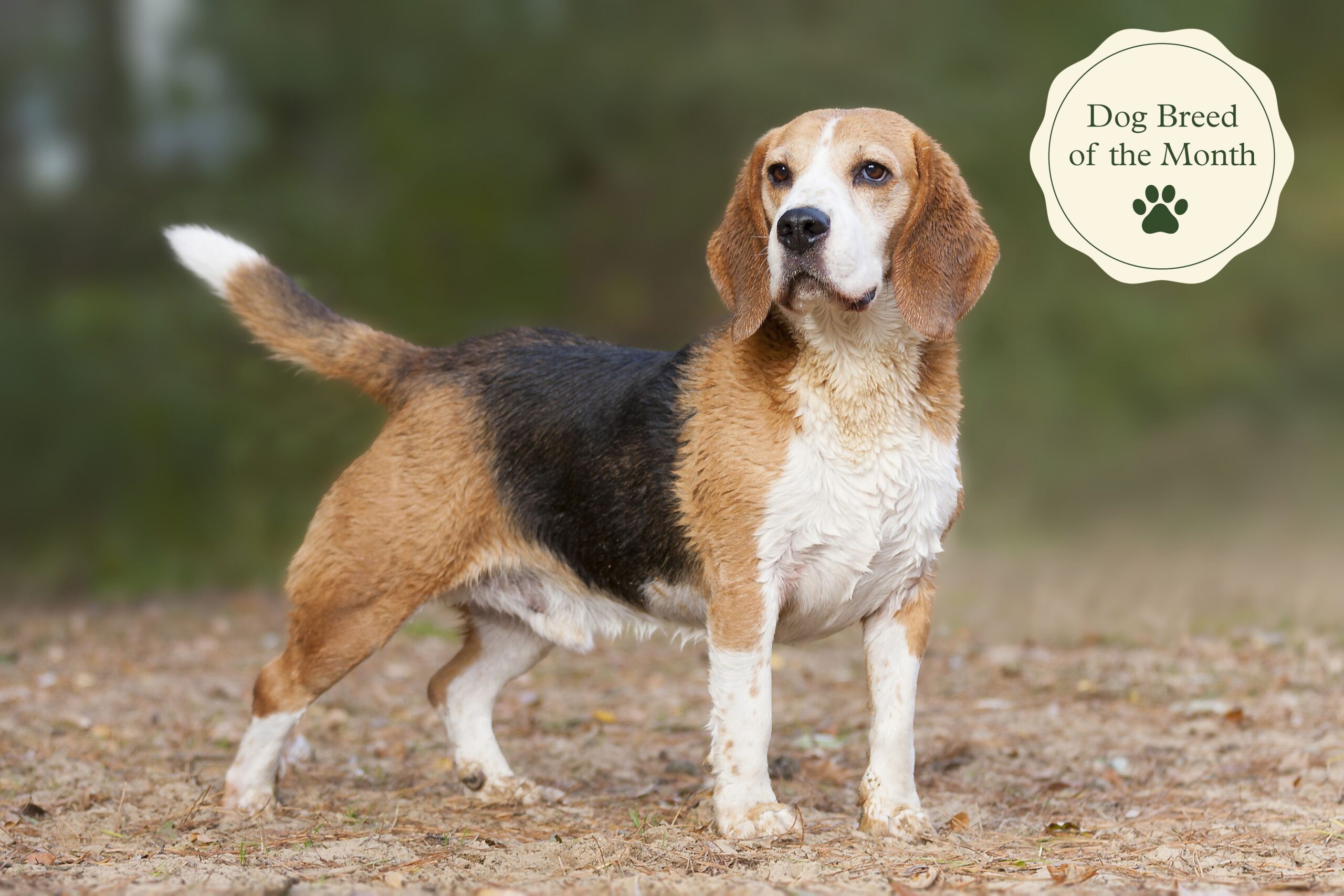
To understand a beagle is to understand its nose. A beagle's world is composed of smells rather than sights. This makes them incredibly curious and sometimes distractible. When a beagle catches a scent, their "hearing" often shuts off as they focus entirely on the trail. This trait is why most experts recommend that beagles remain on a leash or within a securely fenced area at all times. Even a well-trained beagle can be led astray by the scent of a squirrel or a neighborhood cat.
Training and Mental Enrichment
Training a small beagle requires patience and a sense of humor. They are highly intelligent but also famously stubborn. Because they were bred to work independently of a hunter, they often evaluate whether a command is worth their time—especially if there is no food involved.
Positive Reinforcement and Motivation
Beagles are exceptionally food-motivated. This is their "Achilles' heel" and the primary tool for successful training. Using high-value treats and positive reinforcement is far more effective than any form of correction. In 2026, modern canine behaviorists emphasize "reward-based" systems that turn training into a game of scent and discovery.
- Recall Training: This is the most difficult task for a beagle. Never assume a beagle is 100% reliable off-leash in an unenclosed area.
- Crate Training: Because beagles enjoy "denning," crate training can provide them with a safe space and assist significantly with housebreaking, which can sometimes take longer in hounds than in other breeds.
Scent Work as Enrichment
Mental stimulation is just as important as physical exercise for a small beagle. "Scent work" or "nose work" games are an excellent way to burn off mental energy. Hiding treats around the house or using puzzle toys can prevent the boredom that leads to destructive chewing or excessive howling.
Health and Longevity of the Small Beagle
The 13-inch beagle is generally a hardy breed with a lifespan of 12 to 15 years. However, like all purebred dogs, they are prone to certain genetic and structural health issues. Responsible breeders in 2026 utilize advanced DNA screening to minimize these risks.
Common Breed-Specific Issues
- Obesity: This is the most significant health threat to the small beagle. Their love of food, combined with a compact frame, means even a few extra ounces can strain their joints and heart. Owners must be disciplined with caloric intake.
- Hip Dysplasia: While more common in larger breeds, beagles can suffer from this malformation of the hip joint. Maintaining a healthy weight is the best preventative measure.
- Intervertebral Disc Disease (IVDD): Because of their relatively long backs, beagles are susceptible to spinal issues. Avoiding high jumps and using ramps for furniture can help protect their backs as they age.
- Epilepsy: Beagles have a higher-than-average predisposition for idiopathic epilepsy. This is usually manageable with medication, but it requires lifelong veterinary oversight.
- Eye Conditions: Issues like "Cherry Eye" (prolapse of the third eyelid) and glaucoma are observed in the breed. Early detection by a veterinarian is key to preserving vision.
Genetic Testing Standards
In 2026, reputable breeders should provide clearances for Musladin-Lueke Syndrome (MLS), a connective tissue disorder unique to beagles, and Factor VII deficiency, a blood clotting disorder. Ensuring the parents have these clearances significantly increases the likelihood of a healthy puppy. You can find more detailed health standards on the Beagle Club's official health pages.
Exercise and Living Requirements
Despite their small size, beagles are not "lap dogs" in the traditional sense. They are active, athletic hounds that require daily engagement.
Daily Activity Needs
A 13-inch beagle typically requires at least 60 to 90 minutes of activity per day. This doesn't necessarily mean a five-mile run; it means a combination of brisk walking and "sniffing time." A "sniffari"—a walk where the dog is allowed to stop and smell everything—is often more tiring for a beagle than a fast-paced walk where they aren't allowed to engage their nose.
Home Environment
Beagles can live in apartments if their exercise needs are met and their vocalizations are managed. However, a home with a fenced yard is ideal. The fence must be secure; beagles are notorious "escape artists" who will dig under or climb over a fence if they smell something interesting on the other side. Digging is a natural hound behavior, so providing a designated "digging pit" can save your landscaping.
Grooming and Maintenance
The beagle's short, dense coat is relatively low-maintenance, but it is not "no-maintenance." They are moderate shedders year-round, with heavier shedding periods in the spring and fall.
- Brushing: Weekly brushing with a hound glove or medium-bristle brush removes dead hair and keeps the skin healthy.
- Ear Care: This is the most critical part of beagle grooming. Because their ears hang low and block airflow to the ear canal, they are prone to yeast and bacterial infections. Ears should be checked and cleaned weekly with a veterinarian-approved solution.
- Nail Trimming: Beagles' nails grow quickly and should be trimmed every 2-3 weeks to prevent discomfort and joint issues.
Small Beagle Comparison: Key Metrics
The following table compares the 13-inch Beagle with two other popular small-to-medium companion breeds to provide context on their needs.
| Feature | 13-Inch Beagle | French Bulldog | Jack Russell Terrier |
|---|---|---|---|
| Average Weight | 15–22 lbs | 16–28 lbs | 13–17 lbs |
| Energy Level | Moderate/High | Low/Moderate | Very High |
| Trainability | Moderate (Stubborn) | Moderate | High (But Intense) |
| Vocalization | High (Baying) | Low | Moderate (Barking) |
| Grooming Needs | Low (Weekly) | Low (Weekly) | Low to Medium |
| Lifespan | 12–15 Years | 10–12 Years | 13–16 Years |
| Main Drive | Scent/Tracking | Companionship | Prey/Hunting |
Cost of Ownership
Owning a small beagle involves both initial and ongoing costs. In 2026, the purchase price from a reputable breeder typically ranges from $1,500 to $3,000, depending on lineage and health clearances. Adoption fees from beagle-specific rescues are generally lower, ranging from $300 to $600.
Ongoing annual costs including premium dog food, routine veterinary care, flea/tick/heartworm prevention, and insurance average between $1,200 and $2,000. Because beagles are prone to obesity and specific genetic issues, pet insurance is highly recommended to manage potential long-term costs.
Selecting the Right Companion
When looking for a small beagle, the choice between a puppy and an adult dog is significant. Puppies require an immense amount of time for housebreaking and socialization. Adult beagles, especially those from rescues like SOS Beagle Rescue, often have their personalities already established and may be already house-trained, making them an excellent choice for first-time hound owners.
Questions to Ask a Breeder
- Can I see the health clearances for both parents (specifically MLS and Factor VII)?
- What is the temperament of the sire and dam?
- How have the puppies been socialized during the first eight weeks?
- Do you offer a health guarantee or a return policy if the dog cannot be kept?
Frequently Asked Questions
Are small beagles good for apartment living?
Yes, provided they receive sufficient outdoor exercise and mental stimulation. However, their tendency to bay (howl) when bored or lonely can be an issue with close neighbors. Training to minimize vocalization and ensuring they are not left alone for excessive periods is vital for apartment dwellers.
How much do small beagles shed?
They are moderate shedders. Their hair is short and stiff, which means it can easily weave into fabric and upholstery. Regular brushing (2-3 times a week) significantly reduces the amount of hair found around the home.
Are beagles easy to housebreak?
Beagles can be more challenging to housebreak than some other breeds due to their independent nature and scent-focused minds. Consistent scheduling, crate training, and high-value rewards for outdoor successes are necessary. It may take several months for a beagle puppy to be fully reliable.
Can a beagle be trusted off-leash?
Generally, no. Even the best-trained beagle is prone to "scent-lock," where a smell becomes more important than any command. For their safety, beagles should be kept on a leash or in a securely fenced area when outdoors.
Do small beagles bark a lot?
Beagles don't just bark; they bay. This is a unique, loud, melodious sound used by hounds to alert hunters. They will bay at squirrels, strangers at the door, or when they are feeling lonely. While they are not "yappy" like some toy breeds, they are certainly not quiet dogs.
How do I stop my beagle from overeating?
Beagles lack a "fullness switch" and will often eat until they are sick. To manage their weight, use measured meals rather than free-feeding. Use low-calorie treats like green beans or carrots for training, and ensure all trash cans and food counters are "beagle-proofed."
Final Recommendation: Is a Small Beagle Right for You?
The small beagle is an ideal companion for those who value a dog with a big personality in a manageable package. They are best suited for owners who can provide consistent companionship, enjoy outdoor walks, and possess a patient approach to training. If you live an active lifestyle and don't mind a bit of hair and the occasional howl, the 13-inch beagle will reward you with unparalleled loyalty and a "merry" spirit that brightens any home. For those ready to take the next step, contacting a local breed club or a dedicated beagle rescue is the most responsible way to find your new companion.
Image Gallery
Select an image to open it in a new tab.

Zara El-Hashem
Sociocultural Dynamics and Academics Writer
