The Ultimate Guide to Salmon Doneness Temperature: Achieving Culinary Perfection and Food Safety
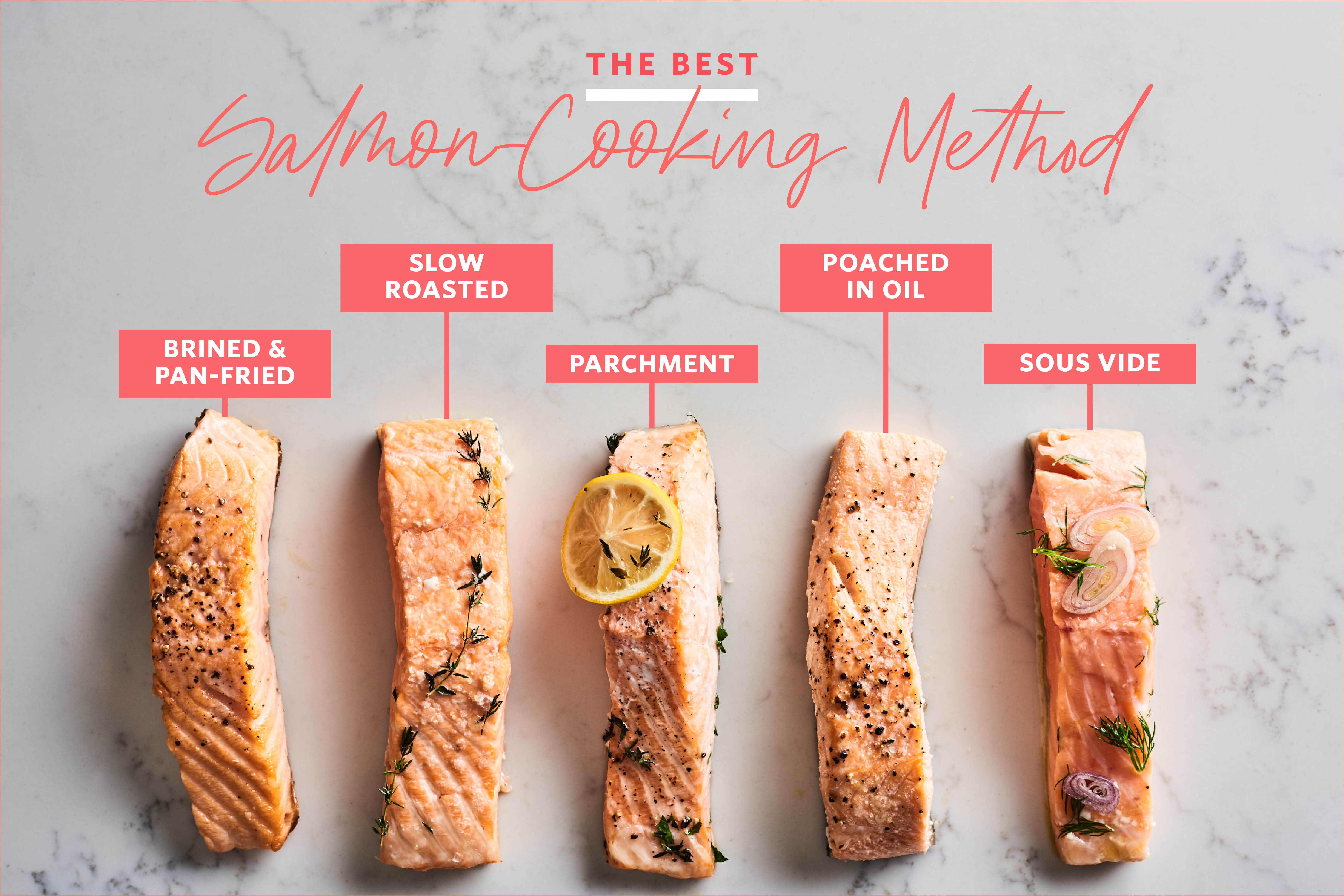
Achieving the ideal salmon doneness temperature requires balancing culinary preference with food safety, with official guidelines recommending a minimum internal temperature of 145°F, while many culinary experts prefer pulling it at 120°F to 130°F for a moist, medium-rare texture.
Understanding Salmon Doneness: Safety Versus Culinary Preference
Cooking salmon at home is both an art and a science. When preparing this popular oily fish, home cooks and professional chefs alike frequently debate the exact moment the fish is finished cooking. At the heart of this discussion is a tension between food safety standards and culinary texture. Understanding how heat transforms salmon muscle fibers is essential to mastering the cooking process, whether you are pan-searing a filet, roasting a side, or grilling over charcoal.
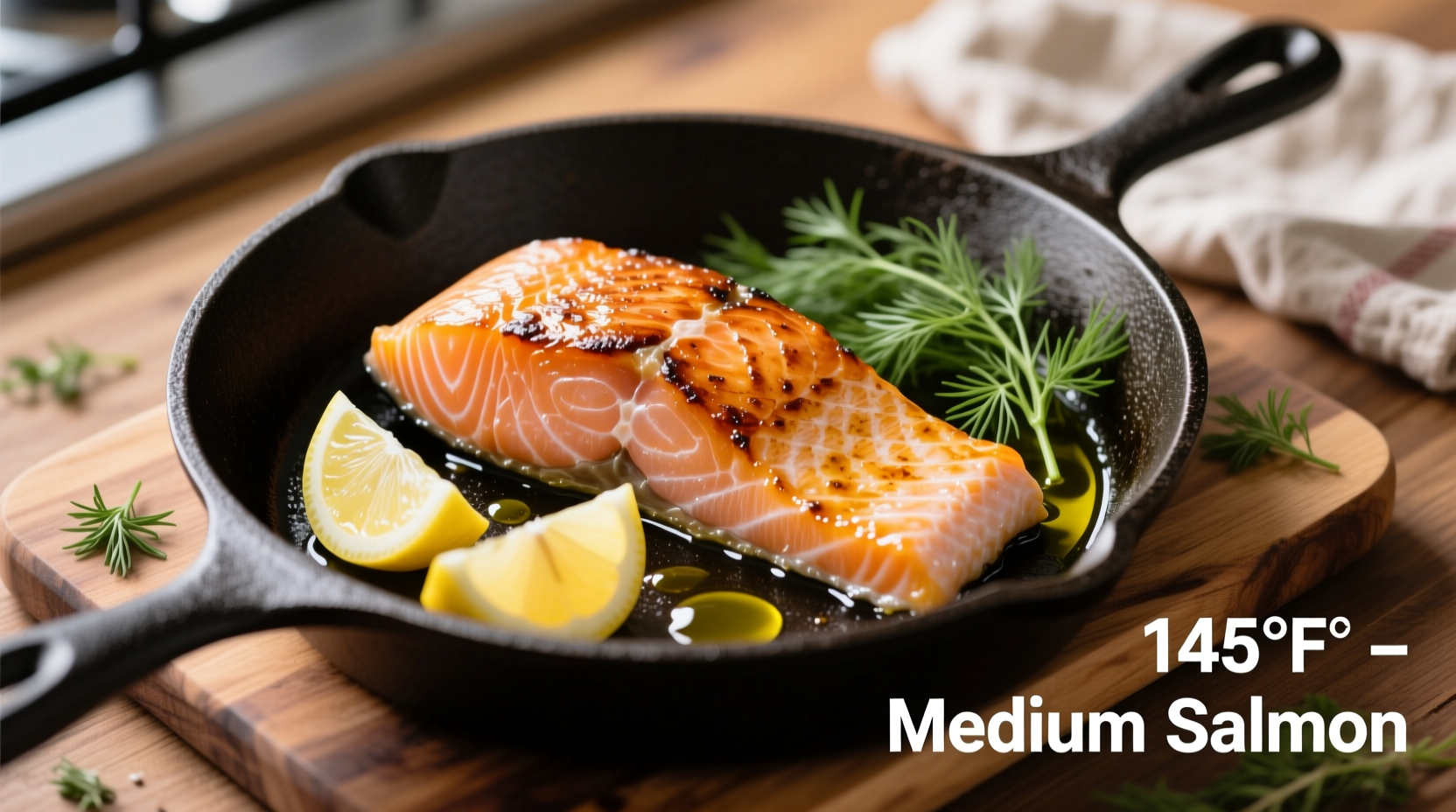
According to the United States Department of Agriculture (USDA) and the U.S. Food and Drug Administration (FDA), finfish should be cooked to an internal temperature of 145°F (63°C). At this temperature, harmful pathogens, bacteria, and parasites that may occasionally be present in seafood are reliably destroyed. However, many culinary professionals argue that heating salmon to 145°F causes the proteins to contract too tightly, squeezing out moisture and natural fats. This results in a dry, chalky texture and the appearance of white, coagulated protein called albumin on the surface.
Consequently, a significant divide exists between institutional food safety guidelines and fine-dining execution. Professional kitchens often target lower internal temperatures—ranging from 120°F (49°C) to 130°F (54°C)—to keep the flesh translucent, tender, and unctuous. Bridging this gap requires an understanding of how heat transfers through fish, the role of residual cooking, and how to assess individual risk tolerance, fish quality, and sourcing.
The Science of Salmon Textures and Temperatures
To understand why a few degrees make a dramatic difference in your finished meal, you must look at the biological structure of salmon flesh. Salmon muscle is composed of short muscle fibers called myotomes, which are held together by thin connective tissue known as myocommata. Unlike land mammals, fish muscle has very little connective tissue and short muscle fibers, which makes it naturally tender but also exceptionally fragile.
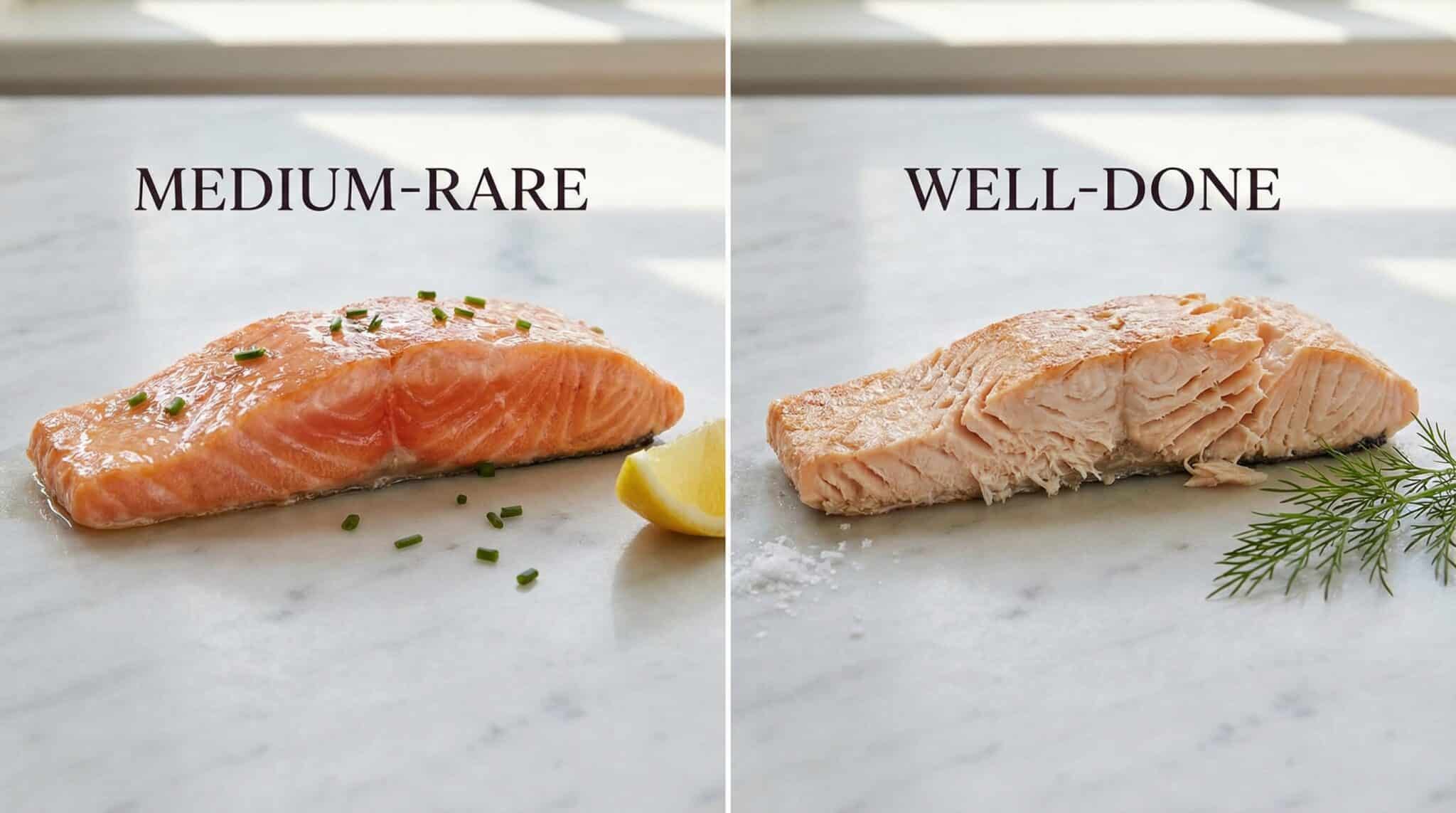
As heat is applied, the proteins in the fish denature. At around 100°F (38°C), the raw, translucent quality begins to shift into a slightly opaque state. Between 115°F and 125°F (46°C to 52°C), the muscle fibers loosen slightly before tightening, releasing a modest amount of moisture while retaining a buttery, melt-in-your-mouth quality. This is the medium-rare zone favored by many seafood restaurants.
As the temperature climbs past 135°F (57°C) and reaches the official 145°F (63°C) mark, the proteins squeeze together tightly. This tight contraction forces out water and melted fats, changing the texture from flaky and tender to dry and firm.
| Internal Temperature | Texture Description | Visual Appearance | Culinary Classification |
|---|---|---|---|
| 115°F – 120°F (46°C – 49°C) | Very tender, velvety, and delicate | Translucent, bright center, minimal flaking | Rare / Medium-Rare |
| 125°F – 130°F (52°C – 54°C) | Flaky, moist, and tender | Opaque outer edges, translucent pink center | Medium (Chef Recommended) |
| 135°F – 140°F (57°C – 60°C) | Firm, slightly dry, fully opaque | Uniform pinkish-orange throughout | Medium-Well |
| 145°F (63°C) and above | Firm, dry, and crumbly | Completely opaque, heavy white albumin visible | Well-Done (USDA Standard) |

Navigating Food Safety and Parasite Risks
When cooking to temperatures below the standard 145°F threshold, evaluating the quality, source, and handling of the salmon is critical. Wild-caught Pacific salmon, for instance, can occasionally harbor parasites such as nematodes (roundworms). While these parasites pose a health risk if consumed in raw or undercooked wild fish, commercial freezing protocols mandated by the FDA—freezing at -4°F (-20°C) or below for seven days, or -31°F (-35°C) for 15 hours—effectively kill parasites in fish intended for raw or lightly cooked consumption.
Farm-raised salmon, which accounts for a large percentage of market availability, is typically fed a controlled diet of pellets that significantly reduces the risk of parasitic infection. However, bacterial contamination from handling, processing, or cross-contamination remains a general food safety concern for all raw animal proteins.
For vulnerable populations—including pregnant individuals, young children, the elderly, and anyone with a compromised immune system—adhering strictly to the USDA-recommended 145°F internal temperature is the safest approach. For healthy adults dining on high-quality, properly handled, and flash-frozen or commercially farmed salmon, cooking to a lower internal temperature of 125°F to 130°F is a common practice backed by culinary consensus.
Essential Tools for Measuring Salmon Doneness
Guessing doneness by time alone is a recipe for overcooked fish. Cooking times vary wildly depending on the thickness of the filet, the initial temperature of the fish coming out of the refrigerator, the specific cooking method, and fluctuations in heat source intensity. Utilizing the right tools ensures precision every single time.
Instant-Read Digital Thermometers
An accurate, fast-responding digital thermometer is the single best investment for cooking fish. Look for a model with a thin probe tip, which can slide easily into the thickest part of the salmon without tearing the flesh or letting all the juices escape.
How to Properly Take the Temperature
- Remove from direct heat source: Take the pan, baking sheet, or grill basket off the burner or out of the oven momentarily to prevent inaccurate readings from ambient surface heat.
- Insert into the thickest part: Push the thermometer probe horizontally into the side or vertically into the absolute thickest section of the filet.
- Avoid bones and the pan: Ensure the tip of the probe rests in the center of the fish flesh, not touching a backbone, pin bone, or the bottom of a hot cooking pan, which will yield artificially high readings.
- Account for carryover cooking: Remember that heat continues to travel from the outer layers toward the center of the salmon after it is removed from the heat source. This "carryover cooking" typically raises the internal temperature by 3°F to 5°F while the fish rests.
Step-by-Step Guide to Cooking Salmon to Perfection
Applying proper technique ensures that regardless of whether you prefer your salmon medium-rare or well-done, the exterior develops an appealing crust while the interior remains evenly cooked.
Step 1: Preparation and Tempering
Begin by removing the salmon from the refrigerator 15 to 20 minutes before cooking. Pat the skin and flesh completely dry with paper towels. Excess surface moisture is the enemy of a good sear; wet fish will steam rather than brown. Season all sides generously with kosher salt and freshly cracked black pepper just before cooking.
Step 2: Choosing the Cooking Method
- Pan-Searing: Heat a heavy-bottomed skillet (such as cast iron or stainless steel) over medium-high heat with a high-smoke-point oil like avocado or grapeseed oil. Place the salmon skin-side down first. Press down gently for the first 10 seconds to prevent the filet from curling. Sear undisturbed for about 70% of the cooking time until the skin is crisp.
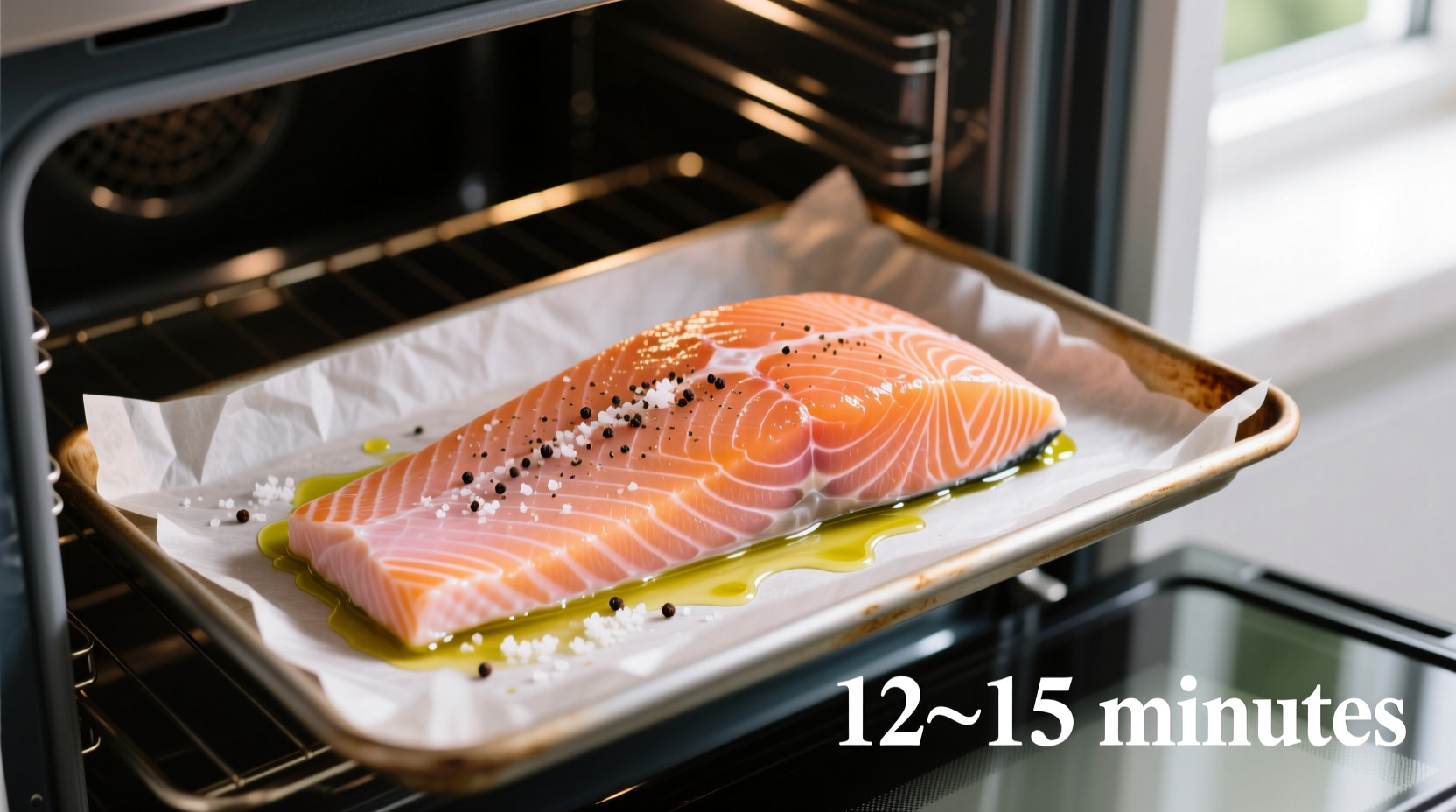
- Baking / Roasting: Preheat your oven to 400°F (200°C). Place the salmon on a parchment-lined baking sheet or in an oven-safe skillet. Roasting at a moderate-high heat cooks the fish evenly without drying out the exterior.
- Grilling: Clean and oil your grill grates thoroughly. Preheat the grill to medium-high (around 400°F). Place the salmon skin-side down and close the lid to create an oven-like environment, minimizing the need to flip delicate fish.
Step 3: Monitoring and Pulling
Insert your digital thermometer into the thickest part of the filet when you suspect it is nearing completion. If you are targeting a final internal temperature of 125°F (medium), remove the salmon from the heat source when the thermometer reads approximately 120°F, allowing carryover cooking to bridge the gap.
Step 4: Resting
Allow the salmon to rest loosely covered with a piece of foil for 3 to 5 minutes. Resting allows the internal muscle fibers to relax and reabsorb juices that were driven outward by the heat, resulting in a much more succulent bite.
Common Mistakes When Cooking Salmon
Avoiding common pitfalls will instantly elevate your seafood preparation. Here are the frequent errors cooks make when managing salmon doneness:
- Relying solely on visual cues like white albumin: While albumin production indicates that proteins are coagulating, waiting until a mountain of white goo forms on top of your salmon usually means the fish has overshot its ideal temperature by several minutes.
- Skipping the thermometer and poking holes: Slicing open the middle of a filet to check the color ruins the presentation and lets precious juices escape. Use a probe thermometer instead.
- Ignoring carryover cooking: Failing to factor in the 3°F to 5°F rise in temperature that occurs while the fish rests leads to consistently overcooked, dry salmon.
- Cooking straight from the icebox: Putting a freezing-cold piece of salmon into a hot pan results in an overcooked exterior and a cold, raw center. Always temper the fish slightly before cooking.
- Failing to dry the surface: Skipping the pat-down step with paper towels prevents proper browning and encourages sticking to pans and grill grates.
Frequently Asked Questions About Salmon Doneness
What is the safe internal temperature for salmon?
The USDA and FDA recommend cooking salmon to an internal temperature of 145°F (63°C) to ensure all potential foodborne pathogens are destroyed. However, many culinary experts and chefs recommend a lower internal temperature of 120°F to 130°F for a moister, more tender texture, provided the fish is fresh and properly handled.
Why does white stuff ooze out of my salmon when I cook it?
The white substance is a protein called albumin. When salmon is heated, these soluble proteins dissolve, move to the surface of the fish, and coagulate as they cook. While harmless, heavy white albumin is a visual indicator that the fish is getting hot and is likely approaching or past the overcooked threshold.
How do I know if salmon is done without a thermometer?
While a digital thermometer is the only foolproof method, you can gently press the top of the filet with a fork or your finger. If the flakes begin to separate along the natural muscle lines (myotomes) and the flesh yields slightly to pressure while retaining some bounce, it is likely finished. If it feels completely firm and rigid, it is overcooked.
Does wild-caught salmon cook faster than farmed salmon?
Yes. Wild salmon species (such as Sockeye, Coho, and Chinook) generally possess a lower fat content and leaner muscle structure compared to farm-raised Atlantic salmon. Because fat acts as an insulator, leaner wild salmon cooks faster and dries out much more quickly if overheated, requiring closer temperature monitoring.
Should I wash raw salmon before cooking it?
No. Washing raw fish under running water is strongly discouraged by food safety authorities such as the CDC. Splashing water can spread harmful bacteria across your sink, countertops, and cooking utensils through cross-contamination. Patting the salmon dry with a paper towel is all that is required.
Conclusion and Next Action
Mastering salmon doneness temperature is a straightforward way to elevate your home cooking from inconsistent to restaurant-quality. By investing in a reliable digital instant-read thermometer, understanding the difference between safety-focused institutional guidelines and culinary-focused temperature targets, and accounting for carryover cooking, you can consistently serve perfectly flaky, moist salmon. For your next meal, select a fresh filet from your trusted fishmonger, temper it properly, pull it off the heat just shy of your target temperature, and let it rest before serving.
Image Gallery
Select an image to open it in a new tab.




Declan O'Connor
Higher Education and Campus Culture Reporter
