Why Real Madrid Sold Cristiano Ronaldo: The Internal Conflict and Strategic Shift

Real Madrid sold Cristiano Ronaldo to Juventus in July 2018 because of a deteriorating relationship between the player and club president Florentino Pérez, primarily centered on salary demands, a lack of public support during Ronaldo’s Spanish tax case, and the club’s long-term strategy to transition away from an aging superstar.
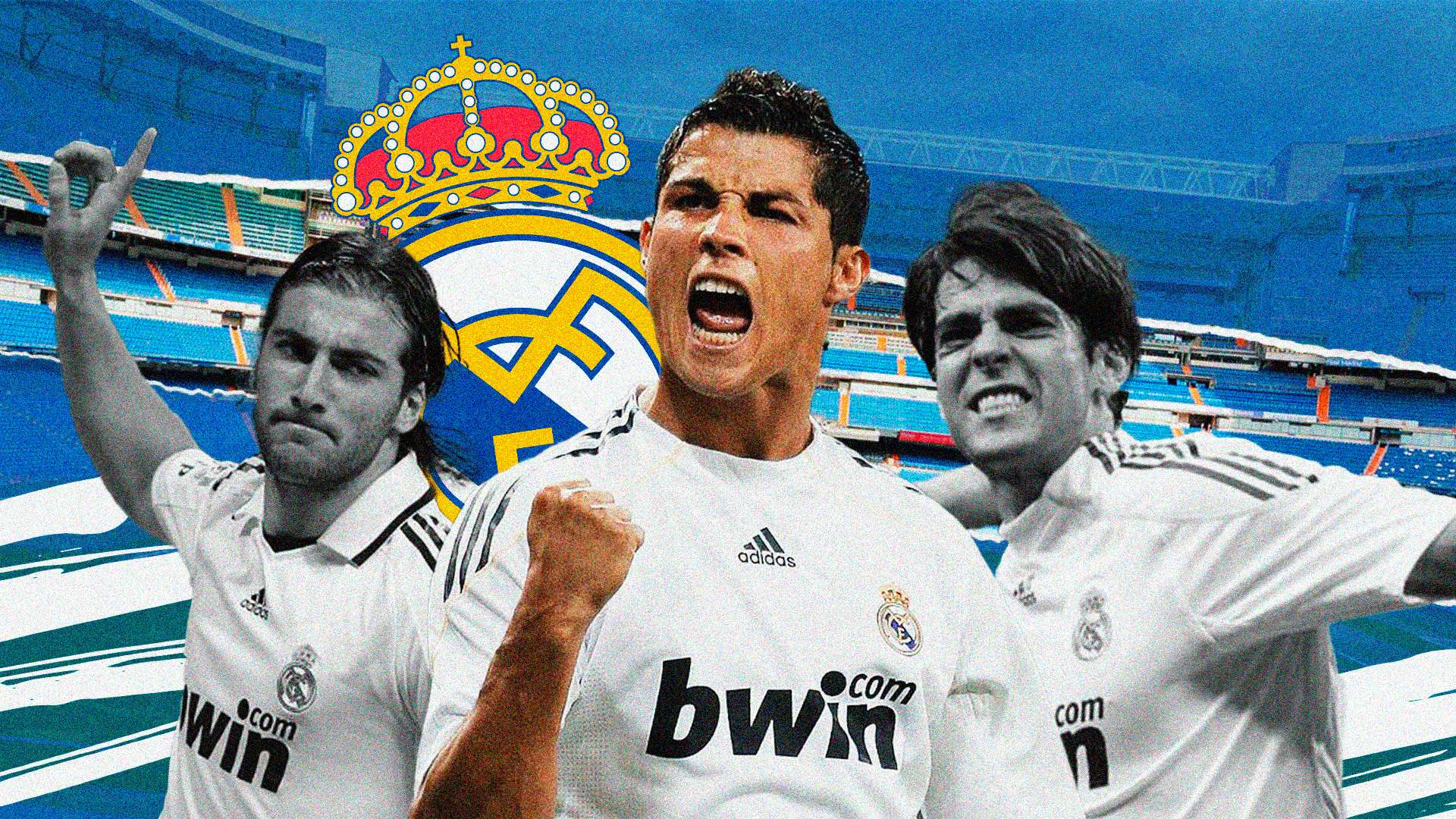
The departure of Cristiano Ronaldo remains one of the most significant turning points in modern football history. After nine seasons, four Champions League titles, and 450 goals, the greatest goal-scorer in the history of Real Madrid left the Santiago Bernabéu. While the move appeared sudden to many fans during the 2018 World Cup, the foundation for the exit had been laid years prior through a complex mix of financial disputes, personal ego, and legal pressures. In 2026, looking back at the trajectory of both the player and the club, the nuances of this "divorce" reveal a calculated—albeit risky—decision by the Real Madrid hierarchy.
The Financial Friction: Salary Parity and the "Neymar Effect"
At the heart of the rift was a significant discrepancy between Ronaldo’s perceived value and his actual paycheck. Despite winning three consecutive Champions League titles between 2016 and 2018, Ronaldo found himself slipping down the list of the world’s highest-paid players.
In 2017 and 2018, the market for elite talent shifted dramatically. Lionel Messi had signed a massive contract extension at Barcelona that reportedly put his earnings near €50 million net per year. Meanwhile, Paris Saint-Germain had shattered the transfer record for Neymar, offering the Brazilian a salary package significantly higher than Ronaldo’s €21 million.
Ronaldo, who viewed himself as the premier player in the world—a claim supported by his five Ballon d'Or awards at the time—felt that his salary should reflect his status. He sought a contract renewal that would bring him into the same bracket as Messi and Neymar. However, Florentino Pérez was hesitant. From the president's perspective, offering a massive, multi-year pay rise to a player who was 33 years old defied the club’s "White House" policy of fiscal pragmatism regarding aging legends. Pérez was already looking toward the future, and committing roughly €100 million in gross salary annually to a player in his mid-30s was seen as a potential long-term financial burden.
The Tax Investigation and Lack of Institutional Support
Beyond the direct salary negotiations, Ronaldo’s relationship with the Spanish authorities played a massive role in his desire to leave Madrid. In 2017, the Spanish Treasury (Hacienda) accused Ronaldo of defrauding the state of €14.7 million in image rights income.
Ronaldo reportedly felt "persecuted" in Spain and was deeply disappointed by what he perceived as a lack of protection from Real Madrid. He compared his situation to how Barcelona had publicly and aggressively defended Lionel Messi during his own tax trials. Ronaldo wanted Real Madrid to not only support him legally but also to potentially cover the cost of the fines as part of a new contract.
When the club maintained a distance, treating the tax issue as a private matter for the player, Ronaldo felt abandoned. This sense of betrayal was a recurring theme in his later interviews, where he hinted that he no longer felt like the "untouchable" figurehead of the club. Italy’s tax laws at the time were also significantly more favorable for high-net-worth individuals moving from abroad, allowing them to pay a flat annual fee on foreign earnings, which made Juventus an attractive financial destination.
The Breakdown with Florentino Pérez
The relationship between a superstar and a club president is often delicate, but for Ronaldo and Pérez, it was frequently transactional. Unlike the father-son bond Ronaldo shared with Sir Alex Ferguson at Manchester United, his relationship with Pérez was professional and, at times, frosty.
Ronaldo famously stated in an interview with France Football that he felt the president no longer looked at him the same way. "I felt within the club, especially from the president, that I was no longer considered the same way I was at the beginning," Ronaldo remarked. "The president looked at me through eyes that didn’t want to say the same thing, as if I was no longer indispensable to them."
Pérez has a well-documented history of letting go of legendary figures when he believes their peak is passing or when they become bigger than the "institution." This was seen previously with figures like Fernando Hierro, Raúl, and Iker Casillas. By 2018, Pérez believed that selling Ronaldo for €100 million—a profit on the €94 million they paid for him in 2009—was a masterstroke of business.
The Departure of Zinedine Zidane
The timing of the sale was also influenced by the sudden resignation of Zinedine Zidane. In May 2018, just days after winning the Champions League final in Kyiv, Zidane announced he was leaving the club.
Zidane was one of the few figures who could manage Ronaldo’s ego while also convincing him to rest during less important matches to preserve his fitness for the knockout stages of the Champions League. Zidane acted as a buffer between the squad and the board. When he left, Ronaldo lost his most significant ally in the locker room and the coaching staff. Without Zidane there to mediate or champion his cause, the path to a Juventus transfer became much smoother for both Ronaldo and Pérez.
Tactical Evolution and the Post-Ronaldo Vision
From a purely sporting perspective, Real Madrid’s management believed the team had become too "Ronaldo-centric." Every attack was designed to finish with the Portuguese forward, which, while incredibly effective, made the team predictable and potentially hindered the development of younger talents like Gareth Bale, Marco Asensio, and later, Vinícius Júnior.
The board harbored a hope that Gareth Bale would step up as the new talisman of the team. Following Bale’s spectacular overhead kick in the 2018 final against Liverpool, there was a belief within the upper echelons of the club that the Welshman was ready to lead the post-Ronaldo era. This proved to be a miscalculation in the short term, but it underscored the club's desire to diversify their attacking threats.
Comparing the Context: Ronaldo at Madrid vs. The Move to Juventus
The transfer wasn't just about Madrid letting go; it was about Juventus making an unprecedented investment to secure their own Champions League ambitions.
| Feature | Real Madrid (2009–2018) | Juventus (2018–2021) |
|---|---|---|
| Transfer Fee | €94 Million | €100 Million |
| Primary Motivation | Building a "Galactico" Era | Ending a UCL Title Drought |
| Annual Salary (Net) | Approx. €21 Million | Approx. €31 Million |
| League Success | 2 La Liga Titles | 2 Serie A Titles |
| UCL Success | 4 Titles | Quarter-finals (Best finish) |
| Relationship Status | Conflict with Presidency | Initial "Hero" Status; Financial Strain |
The "Kyiv Speech" and the Point of No Return
The decision to sell was effectively finalized in the minds of the public on the pitch in Kyiv. While his teammates were celebrating the 3-1 victory over Liverpool, Ronaldo spoke to the media in the past tense. "It was very nice to be at Real Madrid," he told reporters.
This comment was seen as a massive breach of protocol by the club, casting a shadow over the celebrations. For Pérez, it was perhaps the final straw. Rather than begging the player to stay, the club responded by setting a "reasonable" release price. While his official release clause was €1 billion, the club agreed to accept a bid in the region of €100 million if it came from a non-rival, essentially opening the door for Juventus to make their move.
Long-Term Consequences of the Sale
In the immediate aftermath (the 2018-2019 season), Real Madrid struggled immensely. They went through multiple managers (Julen Lopetegui and Santiago Solari) and lacked a consistent goal threat, eventually finishing third in La Liga and suffering a humiliating exit to Ajax in the Champions League.
However, the sale allowed Real Madrid to reset their wage structure. It paved the way for Karim Benzema to emerge from Ronaldo's shadow and become a Ballon d'Or winner in his own right, leading the club to another Champions League title in 2022. It also provided the financial flexibility for the club to invest in the next generation of Brazilian talent and eventually secure the signing of Kylian Mbappé years later.
For Ronaldo, the move to Juventus provided individual success and furthered his brand in Italy, but he never again reached the same heights of European dominance that he enjoyed in the iconic white shirt of Madrid.
Frequently Asked Questions
Did Real Madrid fire Cristiano Ronaldo?
No, it was a mutual agreement for a transfer. Ronaldo requested to leave after feeling undervalued by the club management, and Real Madrid accepted a €100 million offer from Juventus, viewing it as a good business deal for a 33-year-old player.
How much did Real Madrid profit from the sale?
Real Madrid bought Ronaldo for approximately €94 million in 2009 and sold him for €100 million (plus €12 million in FIFA solidarity contributions and other costs) in 2018. While they technically made a small profit on the transfer fee, the real value was the nine years of unprecedented sporting success and commercial revenue he generated.
Was the tax case the main reason he left?
The tax case was a significant "catalyst" rather than the sole reason. It created a rift of trust. Ronaldo felt the club didn't protect him enough against the Spanish authorities, which made him more open to moving to a league (Serie A) and a country (Italy) with more favorable tax conditions for foreign athletes at the time.
Who was responsible for the decision to sell?
The primary driver was President Florentino Pérez. While the board was involved, Pérez has historically been the final arbiter on major personnel decisions. He prioritized the club's long-term financial health and the "no player is bigger than the club" philosophy over keeping an aging, albeit legendary, player.
Did Zinedine Zidane want Ronaldo to leave?
Evidence suggests Zidane wanted to keep Ronaldo. Zidane understood Ronaldo's tactical importance better than anyone. Many analysts believe Zidane’s resignation in 2018 was partly due to his awareness that the squad—including Ronaldo—was about to undergo a destabilizing transition that the board was not handling according to his preferences.
Practical Takeaway for Football Fans
Understanding the sale of Cristiano Ronaldo requires looking past the goals and trophies and into the "business of sports." It serves as a case study in asset management and brand transition. Even the greatest players are subject to the realities of age, wage structures, and the political whims of club presidents. For fans and analysts, it highlights that in elite football, the "institution" almost always takes precedence over the individual, no matter how many Ballon d'Ors that individual has won.
Image Gallery
Select an image to open it in a new tab.
Simon Caldwell
Enterprise Technology and Systems Editor
