
To open a standard shampoo pump, firmly hold the base of the collar with one hand while gripping the top nozzle with the other. Rotate the nozzle counter-clockwise—typically a quarter to a half turn—until the spring mechanism releases and the pump head pops upward into the extended position.
Understanding the Mechanics of the Shampoo Dispenser
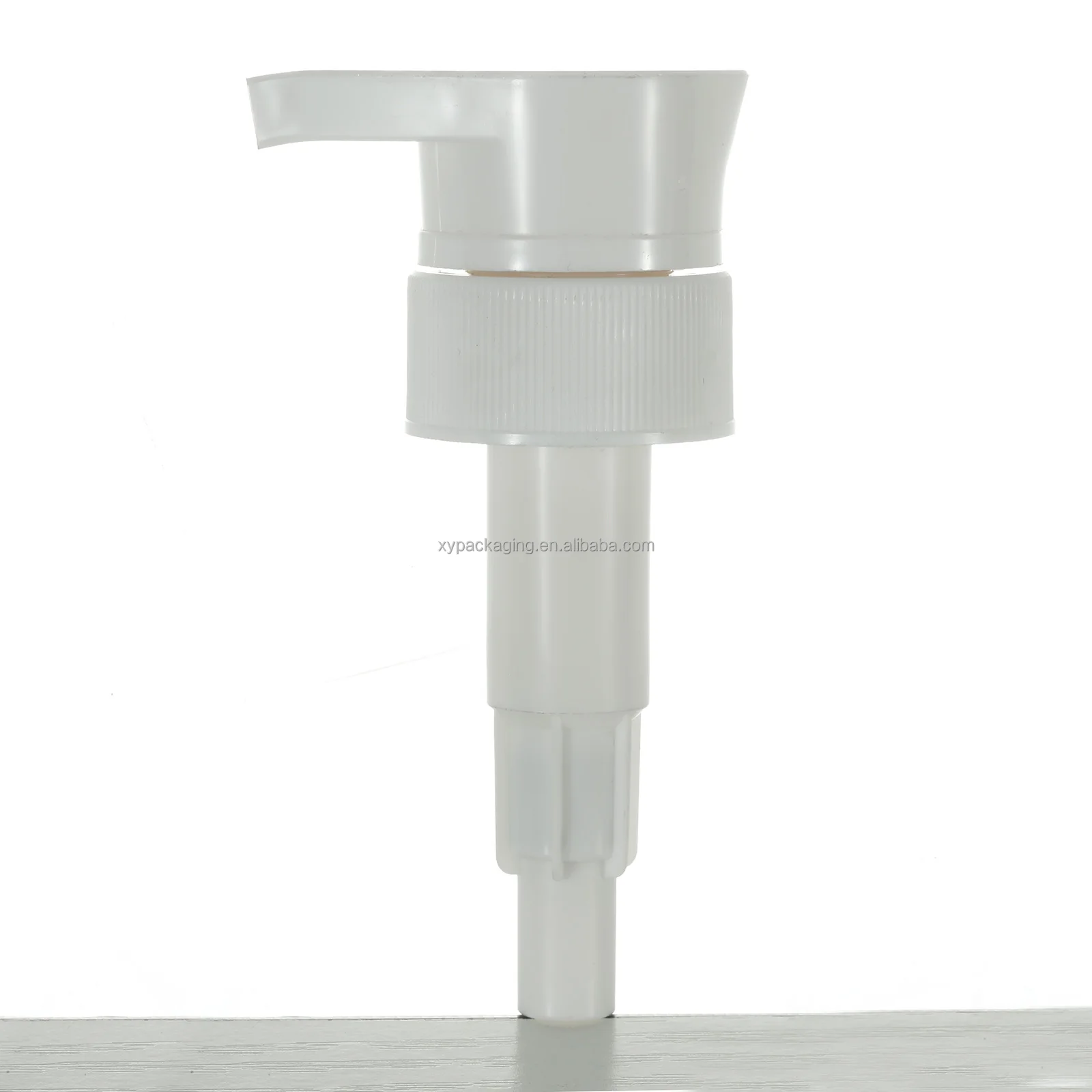
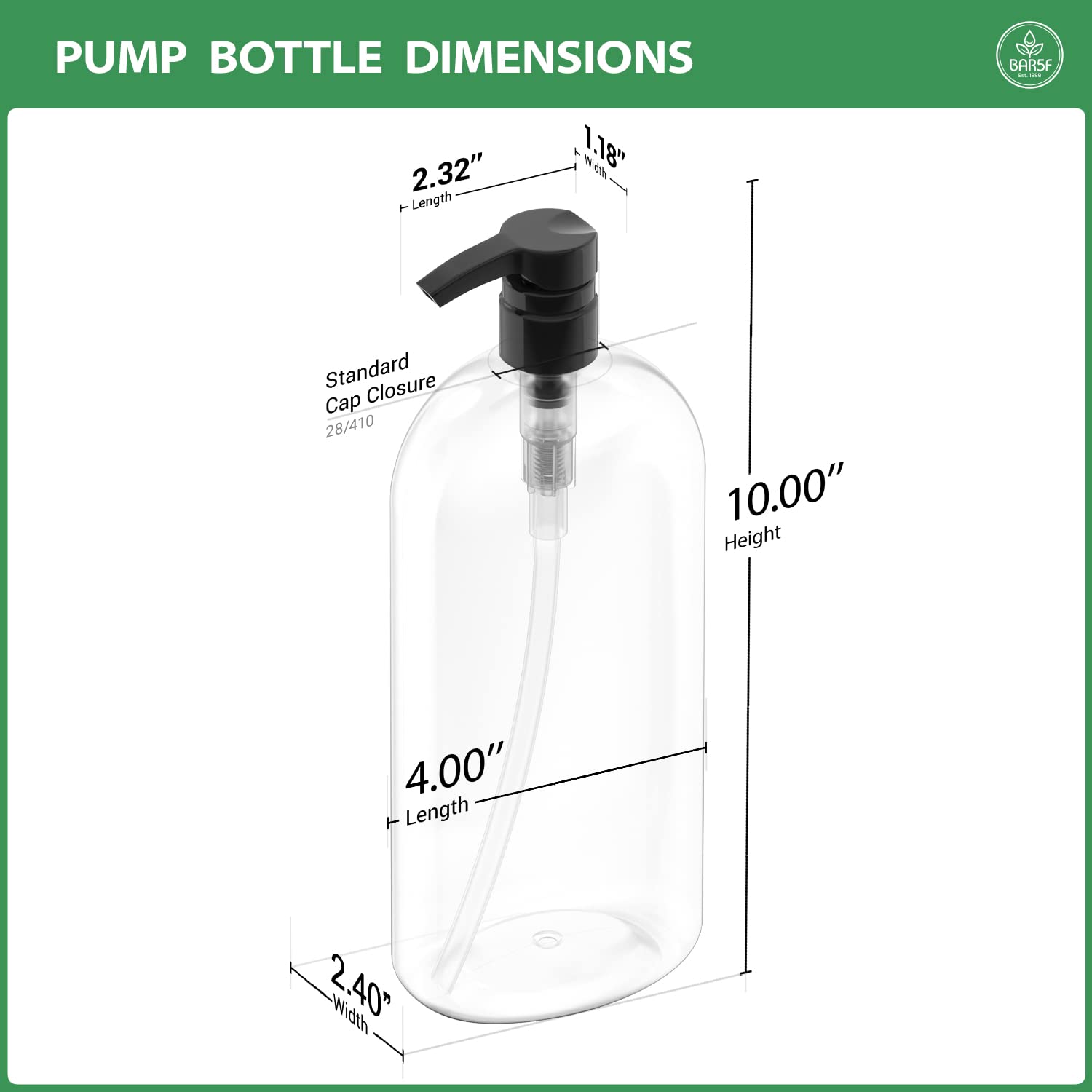
The shampoo pump is a triumph of simple mechanical engineering designed for efficiency, hygiene, and controlled dosage. Most bottles you purchase in 2026 utilize a standard "lock-down" dispensing mechanism. This system relies on a combination of a tension spring, a dip tube, and a threaded collar. The locking mechanism is integrated into the neck of the pump; when the nozzle is pushed down and rotated, a series of grooves or tabs catch on the interior of the housing to prevent accidental activation during shipping or storage.
Understanding this mechanism is the first step toward troubleshooting a pump that seems "stuck." The internal spring is calibrated to be strong enough to support the weight of the plunger and the viscosity of the liquid, but occasionally, the friction between the internal cylinder and the nozzle can cause the threads to jam. When you are attempting to open the pump, you are essentially releasing the downward pressure that holds these internal locking teeth in place.
Step-by-Step Procedure for Releasing the Pump
While the motion seems intuitive, many users struggle with stubborn pumps that refuse to pop. If you are struggling, follow these precise steps to minimize the risk of damaging the bottle or snapping the plastic nozzle.
- Stabilize the Collar: The most common mistake is rotating the entire pump assembly. Use your non-dominant hand to grip the threaded collar—the plastic ring that connects the pump to the bottle—as tightly as possible. This ensures that the torque you apply with your other hand is focused entirely on the nozzle and not the bottle itself.
- Apply Downward Pressure: Before attempting to twist, push the nozzle firmly down toward the bottle. This compresses the internal spring and takes the weight off the locking mechanism.
- Execute the Rotation: While maintaining that downward pressure, rotate the nozzle counter-clockwise. Most manufacturers use a standard thread design where a quarter-turn (90 degrees) is sufficient to align the nozzle with the "open" slot.
- Confirm the Release: Once you feel a slight click or hear the tension release, stop twisting. The pump head should naturally rise. If it does not rise immediately, apply a gentle pull upward to assist the spring.
Troubleshooting Stubborn or Jammed Pumps
If the pump does not spring up after the rotation, it may be affected by dried product or a misaligned internal gasket. Shampoo contains surfactants that, when left to dry, can act as a mild adhesive within the pump’s internal chamber.
- Warm Water Rinse: If you suspect the nozzle is stuck due to dried residue, turn the bottle upside down under warm (not hot) water. The warmth can soften the hardened surfactants, while the water helps lubricate the internal seal.
- Checking for Air Locks: Sometimes, a vacuum forms in the bottle. If the pump is stuck, try loosening the threaded collar from the bottle neck slightly. This releases any internal vacuum pressure. Once you hear a small "hiss" of air, the pump head is much more likely to spring up correctly.
- The "Twist and Pull" Technique: If the pump rotates but remains stuck in the down position, you may need to apply a firm, steady vertical pull while continuing to rotate the nozzle slightly. Ensure your hands are dry to get a better grip on the smooth plastic.
Comparison of Dispenser Types
Not all shampoo pumps operate with the same locking mechanism. While the "twist-to-open" style is the industry standard for consumer-grade hair care, you may encounter variations in professional or high-end packaging.
| Pump Type | Primary Locking Mechanism | Best Use Case | Reliability |
|---|---|---|---|
| Twist-to-Open | Internal threaded grooves | Standard home bottles | High |
| Push-and-Turn | External locking ring | Travel/leak-proof items | Moderate |
| Pull-Up Caps | Friction-fit seal | Travel-sized containers | High |
| Professional Dispenser | Extended locking tab | Salon-sized gallon jugs | Moderate |
For large-format professional bottles, which are often used in hair salons or high-volume environments, the pumps are frequently much sturdier but require more force to unlock due to the higher resistance of the thicker, more viscous liquids often housed in those containers.
Best Practices for Maintenance and Hygiene
Once your pump is open, keeping it operational until the bottle is empty is the next challenge. Many users inadvertently introduce bacteria or cause clogging by mishandling the nozzle.
Avoid touching the tip of the nozzle with your fingers or allowing it to come into contact with a dirty shower ledge. If you notice a "crust" of dried shampoo forming on the tip, wipe it away with a damp cloth rather than picking at it with a hard object. Using metal tools to clear a clog can scratch the plastic internal components, which may lead to air leaks or inconsistent dispensing in the future.
If you are traveling with a bottle that has already been opened, the best practice is to lock it again. To do this, simply push the nozzle all the way down and rotate it clockwise. This "re-locks" the pump, preventing accidental discharge inside your luggage. It is a simple habit that prevents significant mess and wasted product.
Environmental Considerations and Material Disposal
In 2026, many consumer goods manufacturers are moving toward more sustainable packaging. You will notice that many pumps are made from mixed materials, such as a plastic housing with a metal spring inside. Because of this, they are often difficult to recycle in standard municipal streams.
Before discarding an empty bottle, check if your local recycling guidelines require you to separate the pump from the bottle. If you are reusing the bottle, rinse the pump mechanism thoroughly by pumping warm water through it several times until no trace of the old product remains. This prevents mold growth and allows for a clean transition when refilling with a new product.
Frequently Asked Questions
Why does my shampoo pump rotate but never pop up? This usually indicates that the internal spring has become dislodged from its seat or the threading is stripped. If rotation does not result in the head rising, try applying more vertical pulling force while twisting. If it still fails, the internal mechanism is likely defective, and you may need to transfer the pump from a different bottle.
Is it safe to force a stuck pump with pliers? Using tools like pliers is generally discouraged because it is easy to crack the plastic collar or crush the nozzle. If you must use a tool for grip, wrap a thick rubber band or a microfiber cloth around the nozzle first to provide protection and increase friction.
Can I fix a pump that leaks around the collar? A leak at the base often means the collar is not tightened securely to the bottle threads. Ensure the pump is screwed on tight to the bottle itself. If it continues to leak, the gasket inside the collar might be missing or damaged. In most cases, it is more efficient to replace the pump assembly than to repair a faulty seal.
How do I clean a clogged pump nozzle? The most effective way to clear a clog is to remove the pump from the bottle and soak the entire assembly in warm water for 10 minutes. Operate the pump while it is submerged in the water to flush out any dried product trapped in the ball valve or the dip tube.
Does temperature affect the performance of the pump? Yes. In very cold environments, the shampoo may thicken, making it difficult for the pump to rise or dispense effectively. Conversely, high heat can cause plastic components to soften. Keep your shampoo stored at room temperature to ensure the mechanical integrity of the pump remains consistent.
Next Actions and Recommendations
If you are currently struggling with a stubborn pump, do not rush. Take a moment to dry your hands thoroughly, as moisture creates a slippery surface that prevents the necessary torque. Apply consistent downward pressure, and perform the rotation slowly. If the mechanism remains immobile after these steps, it is highly likely that the internal spring is faulty from the factory. In this case, the most practical solution is to swap the pump head with one from a previously finished bottle of the same size, as most standard pumps are interchangeable.

Image Gallery
Select an image to open it in a new tab.





Simon Caldwell
Enterprise Technology and Systems Editor
