Lunar New Year Good Luck: Traditions, Customs, and Practices to Welcome Prosperity
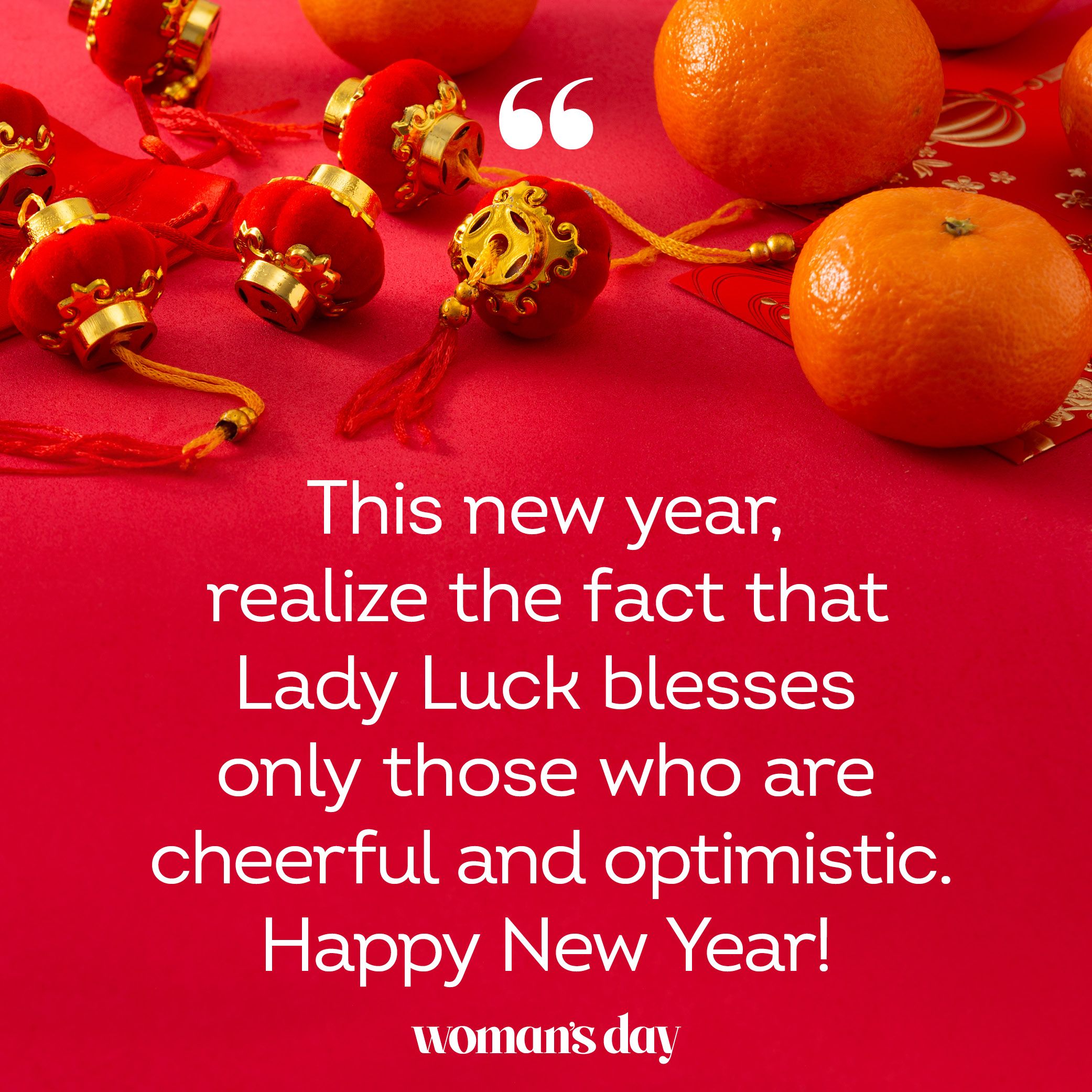
Lunar New Year good luck traditions encompass centuries of cultural practices, symbolic foods, home preparations, and taboos designed to sweep away misfortune, honor ancestors, and invite wealth, health, and happiness for the upcoming year. Observed by millions globally, this vibrant festival centers on resetting fortunes through deliberate actions taken before and during the fifteen-day celebration.
Understanding the Roots of Lunar New Year Good Luck
The pursuit of good fortune during the Lunar New Year, widely known as the Spring Festival or ChunJie in China, is deeply rooted in ancient agrarian societies, mythology, and philosophical beliefs. Central to these traditions is the legend of the Nian, a mythical beast that terrorized villagers every year. Communities discovered that the creature feared loud noises, bright lights, and the color red, which laid the foundation for modern celebratory practices involving firecrackers, red lanterns, and crimson decorations.
Beyond myth, the timing of the Lunar New Year aligns with the lunisolar calendar, marking the transition from winter to spring and the agricultural rebirth of the land. Consequently, the core intent of every ritual is transitional: purging the stagnation of the past year to clear a path for fresh energy, known as qi. Households engage in meticulous physical cleaning, settle outstanding debts, and reconcile interpersonal conflicts to ensure that the threshold between the old year and the new is crossed with a clean slate and an optimal spiritual posture.
Pre-Festival Preparations: Cleansing and Clearing Bad Fortune
Inviting good luck into the home cannot happen while the remnants of past misfortune linger. Therefore, the preparation period—beginning weeks before the official new year date—is just as critical as the celebration itself.
Deep Cleaning the House
The ritual sweeping and scrubbing of the home is the quintessential pre-festival task. Families thoroughly clean every room, corner, and crevice to remove accumulated dust, which symbolizes the physical and spiritual residue of the previous year. According to custom, this sweeping must be completed before New Year's Day. Sweeping or taking out the trash on the first day of the new year is strictly avoided, as it is believed to sweep away or discard the newly arrived good luck and wealth.
Settling Debts and Financial Obligations
Financial equilibrium is an essential component of Lunar New Year good luck. Traditions dictate that all debts, loans, and financial obligations must be settled before New Year's Eve. Carrying unpaid debts into the new year is believed to invite ongoing financial distress and bad luck throughout the upcoming months. Similarly, businesses balance their ledgers and pay employees their annual bonuses and wages before the holiday begins.
Wardrobe and Personal Renewal
Just as the home is refreshed, individuals renew themselves. People purchase at least one new outfit, frequently in auspicious colors like bright red or gold, symbolizing a fresh start and the shedding of old identities. Haircuts are typically scheduled in the weeks leading up to the festival. Crucially, cutting hair on New Year's Day itself is taboo, because the word for hair (fa) shares a phonetic similarity with the word for prosperity (facai), and cutting it is thought to shear away one's wealth.
Symbolic Decorations for Wealth and Harmony
Once the home is cleansed, it is adorned with specific items designed to attract distinct forms of good fortune, ranging from monetary wealth to academic success and family harmony.
Red Couplets and Paper Cuttings
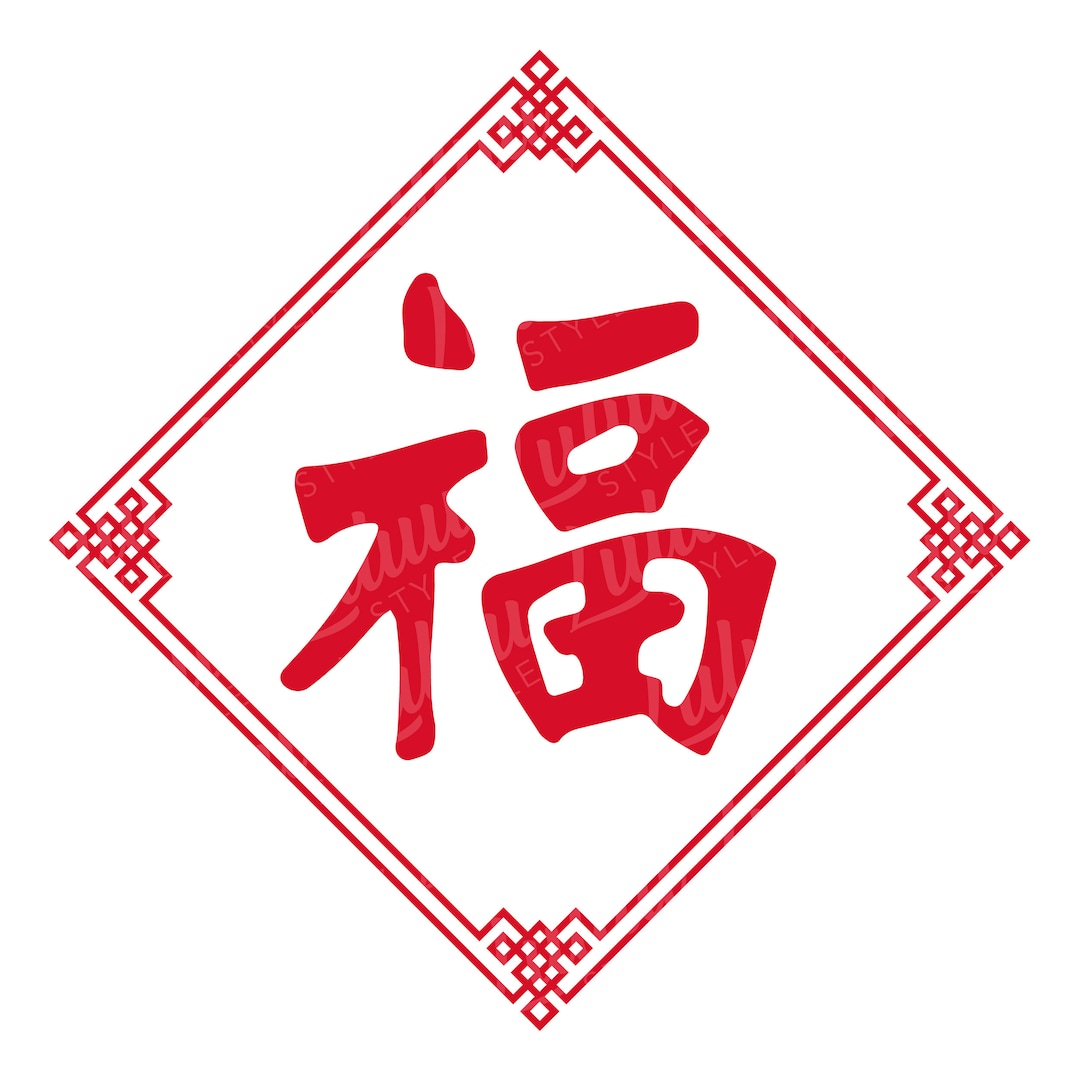
Pairs of red scrolls, known as chunlian, are pasted on either side of doorways. These scrolls feature poetic couplets expressing hopes for peace, prosperity, and longevity, written in black or golden calligraphy. Additionally, intricate red paper cuttings are pasted onto windows. The character fu, meaning blessings, happiness, and good fortune, is a staple decoration. Notably, the fu character is frequently displayed upside-down. In Chinese, the word for "upside-down" (daoxie) sounds identical to the word for "arrive" (dao), so an upside-down fu signifies that good fortune has arrived.
Auspicious Plants and Flowers
Botanical elements play a major role in creating a prosperous atmosphere. Certain plants are prized for their homophonic associations or visual symbolism:
- Kumquat Trees: The Chinese word for kumquat sounds like gold and luck, making potted kumquat trees ubiquitous in homes and businesses to invite wealth.
- Lucky Bamboo: Associated with resilience, flexibility, and steady vertical growth, lucky bamboo represents professional advancement and personal strength.
- Peonies: Known as the "king of flowers," peonies symbolize wealth, nobility, and high social status.
- Blossoms: Peach and plum blossoms signify renewal, romance, and a prosperous future, while pussy willows represent growing money and financial expansion.
Culinary Traditions: Foods That Bring Good Fortune
Feasting is a central pillar of the Lunar New Year, with every dish served on New Year's Eve and throughout the festival carrying symbolic meaning based on its name, shape, or preparation method.
| Food Item | Symbolic Meaning | Cultural Reason |
|---|---|---|
| Whole Fish | Surplus and Abundance | The Chinese word for fish (yu) sounds like the word for surplus or leftover wealth. |
| Dumplings | Wealth and Prosperity | Their shape resembles ancient Chinese gold or silver ingots; eating many brings financial gain. |
| Spring Rolls | Wealth and Fresh Starts | Their golden, cylindrical appearance resembles gold bars filled with treasures. |
| Glutinous Rice Cake (Nian Gao) | Higher Status and Progress | The name sounds like "higher year by year," symbolizing career growth and personal improvement. |
| Longevity Noodles | Long Life and Health | Uncut, extra-long noodles represent a long, uninterrupted lifespan. |
| Whole Chicken | Family Unity and Completeness | Serving the chicken with head, tail, and feet intact signifies a good beginning and end to the year. |
The Role of Red Envelopes (Hongbao) in Sharing Luck
Perhaps the most recognized symbol of Lunar New Year good luck is the red envelope, or hongbao. These crimson packets contain monetary gifts and are traditionally exchanged between family members, employers and employees, and older generations to the youth.
The significance of the red envelope lies far beyond the monetary value inside. The red color itself wards off evil spirits and represents vitality, happiness, and good fortune. According to tradition, the money inside, known as yasui qian (suppressing ghost money), protects children from sickness and bad luck. When receiving a red envelope, recipients follow specific etiquette: they accept it with both hands, express formal auspicious greetings, and refrain from opening it in front of the giver out of politeness.
Furthermore, amounts placed inside red envelopes are carefully calculated based on cultural numerology. Even numbers are strongly preferred over odd numbers, as even numbers symbolize harmony and pairs. The number eight is exceptionally auspicious because its pronunciation sounds like wealth and fortune, whereas the number four is strictly avoided because its sound closely resembles the word for death.
Taboos and Superstitions to Avoid Bad Luck
To maintain the flow of good luck throughout the festival period, strict adherence to traditional taboos is practiced. Violating these rules is believed to invite misfortune, conflict, or financial loss for the rest of the year.
- No Crying or Tantrums: Parents ensure children do not cry on New Year's Day. Crying is thought to bring sorrow and bad luck to the household. If a child cries, adults soothe them immediately by uttering auspicious phrases.
- No Breaking Ceramics: Accidentally breaking plates, bowls, or glassware is an ominous sign indicating broken family unity or financial loss. If a breakage occurs, family members immediately say "sui sui ping an," a homophonic phrase meaning "safe and sound every year," which neutralizes the bad omen.
- No Washing Hair or Clothes: On the first and second days of the new year, washing hair or clothes is avoided. Water is associated with wealth; washing it down the drain symbolizes washing away one's fortune.
- No Sharp Objects: The use of knives, scissors, and needles is restricted on New Year's Day. Sharp objects are believed to cut away future wealth, success, and good luck. Food preparation is therefore completed entirely on New Year's Eve.
- No Wearing Black or White: Clothing choices matter deeply. Black and white are traditionally associated with funerals, mourning, and sorrow. Bright colors, particularly red, are worn to attract vibrant, positive energy.
Frequently Asked Questions
Why is the color red so important for Lunar New Year good luck?
The color red symbolizes fire, vitality, and good fortune in traditional culture. Historically, it is believed to ward off malevolent spirits and the mythical beast Nian. Wearing red clothing, hanging red lanterns, and giving red envelopes actively invite positive energy and prosperity.
Is it acceptable to clean the house on New Year's Day?
Cleaning, sweeping, and taking out the trash are strictly avoided on the first day of the New Year. Doing so is believed to sweep away or discard the incoming good luck and financial prosperity that arrived with the festival. All deep cleaning must be finished before New Year's Eve.
What foods should be avoided during the Lunar New Year?
While specific foods are eaten for luck, others are avoided due to negative symbolism. White foods can sometimes be associated with mourning, while hollow foods or cut fruits might symbolize emptiness or brokenness. However, the primary culinary focus is entirely on incorporating auspicious dishes like fish, dumplings, and rice cakes.
How do red envelopes contribute to good fortune?
Red envelopes (hongbao) transfer positive energy and blessings from the giver to the receiver. The red paper protects against evil influences, and the money inside represents a wish for financial security, health, and a prosperous future for the recipient.
What does an upside-down fu character mean?
The character fu, meaning blessings and good fortune, is often hung upside-down because the Chinese word for upside-down (daoxie) sounds identical to the word for "arrive" (dao). An upside-down fu visually signals that good fortune has arrived at the household.
Next Actions for a Prosperous New Year
To successfully incorporate Lunar New Year good luck traditions into your own celebration, begin by scheduling a thorough home deep cleaning well in advance of New Year's Eve. Settle outstanding financial accounts and clear minor debts to enter the transition period unburdened. Prepare auspicious decorations such as red couplets, blooming plants, and the fu character, ensuring that your living space reflects a welcoming environment for positive qi. Plan a symbolic menu featuring whole fish, dumplings, and rice cakes, and assemble red envelopes with even-numbered monetary amounts for family members. By respecting these time-honored customs and taboos, you establish a harmonious foundation for health, wealth, and success throughout the upcoming year.
Image Gallery
Select an image to open it in a new tab.


Mateo Castillo
Decentralized Finance and E-Payments Strategist
