
The marriage between Gladys Deacon and Charles Spencer-Churchill, the 9th Duke of Marlborough, represents the complex intersection of American ambition and British tradition. This union, characterized by intellectual obsession and the eventual decay of Gilded Age opulence, serves as a definitive case study in the decline of 19th-century aristocratic social structures.
The late 19th and early 20th centuries were defined by a unique social phenomenon: the "Dollar Princesses." These were wealthy American heiresses who traded their vast fortunes for European titles, effectively subsidizing the crumbling estates of the British peerage. However, the story of Gladys Deacon and the 9th Duke of Marlborough—often referred to by his nickname "Sunny"—transcends the typical transactional nature of these marriages. While Sunny’s first marriage to Consuelo Vanderbilt was a cold business arrangement, his second marriage to Gladys was a decades-long pursuit fueled by fascination, beauty, and an eventual, tragic unraveling.
As we examine this history from the perspective of 2026, the lives of Gladys and the Duke offer more than just tabloid intrigue; they provide a lens into the psychological and economic pressures of an era where "status" was the ultimate currency.
The Architect of the Match: The Transatlantic Exchange
To understand the relationship between Gladys and the Duke, one must first understand the state of the British aristocracy in the 1890s. The Long Depression of the late 19th century had decimated the value of British agricultural land, which was the primary source of income for the peerage. Grand estates like Blenheim Palace, the ancestral home of the Dukes of Marlborough, were falling into disrepair.
Charles Spencer-Churchill, the 9th Duke, felt a crushing sense of duty to preserve his family’s seat. This duty led him to marry Consuelo Vanderbilt in 1895, a marriage that brought a $2.5 million dowry (worth hundreds of millions in 2026 value). However, the marriage was famously miserable. It was against this backdrop of a loveless, functional marriage that Gladys Deacon entered the scene.
Gladys was not a typical heiress. Though American, she spent much of her youth in Europe. She was highly educated, spoke several languages fluently, and possessed a legendary beauty that captivated the era’s greatest artists and intellectuals. Unlike the quiet, compliant image of a traditional Duchess, Gladys was provocative and fiercely independent.
The Enigma of Gladys Deacon: Beauty and Intellect
Gladys Deacon was born in 1881 to wealthy American parents whose own lives were marred by scandal. After her father famously shot her mother’s lover in a Parisian hotel, Gladys was shuffled between convents and social circles. This instability perhaps contributed to her lifelong quest for a "perfect" aesthetic and a secure place in the highest echelons of society.
By the time she met the Duke and Duchess of Marlborough in the late 1890s, she was already a fixture of the Belle Époque. She was a muse to Giovanni Boldini and John Singer Sargent, and she was a close friend of Marcel Proust, who reportedly based characters in In Search of Lost Time on her.
Her intellectual depth was rare for the period. She didn't just attend parties; she engaged with the leading minds of her day on topics ranging from classical art to modern philosophy. For the 9th Duke, who was often described as dour and burdened by his responsibilities, Gladys represented a vitality and intellectual spark that his life lacked.

The Decades-Long Courtship and the Scandal of 1921
The relationship between Gladys and the Duke was a slow burn that lasted over twenty years. Gladys became a frequent guest at Blenheim Palace, often staying for months at a time while Consuelo was still the Duchess. This created a bizarre social dynamic where the Duke’s mistress was a close companion to his wife.
The 19th-century aristocratic code of conduct was paradoxical: while infidelity was often tolerated, it had to be discreet. Gladys and Sunny tested the limits of this discretion. It wasn't until the Duke and Consuelo officially divorced—a scandalous and difficult process in that era—that the path was cleared for Gladys.
In 1921, Gladys Deacon finally became the Duchess of Marlborough. However, the "happily ever after" was short-lived. The very traits that had made Gladys an alluring mistress—her unpredictability, her intense focus on aesthetics, and her intellectual dominance—became sources of friction within the rigid confines of Blenheim Palace.
The Physical Transformation: Paraffin and the Loss of Beauty
One of the most tragic aspects of Gladys Deacon’s life, and a significant part of her "portrait" as an aristocrat, was her obsession with physical perfection. Long before the advent of safe cosmetic surgery, Gladys sought to alter her profile. She was particularly obsessed with the "Grecian" line of her nose.
In a move that foreshadowed the risks of modern aesthetic procedures, Gladys had paraffin wax injected into the bridge of her nose. Over time, the wax began to migrate and settle in her chin and cheeks, creating lumpy, discolored deposits that permanently marred her world-renowned beauty.
This physical decline had a profound impact on her marriage and her mental state. The Duke, who had been captivated by her visual perfection, began to distance himself. Gladys, in turn, became increasingly eccentric. She famously kept a pack of Blenheim Spaniels that were allowed to roam the palace unchecked, contributing to the decay of the very house the Duke had sacrificed so much to save.
Life at Blenheim Palace: A Gilded Cage
Blenheim Palace is one of the largest houses in England and a UNESCO World Heritage site. During the 19th and early 20th centuries, maintaining such a residence required an army of staff and immense financial resources. For the 9th Duke, Blenheim was a temple to his ancestors, and he spent his life meticulously restoring its gardens and interiors.
When Gladys became Duchess, she initially took an interest in the estate. The famous "Eyes of Gladys Deacon" can still be seen today painted on the ceiling of the North Portico at Blenheim. These blue eyes, surrounded by celestial imagery, remain a haunting reminder of her presence.
However, the reality of living in a "monument" took its toll. The sheer scale of the palace made it drafty and impersonal. By the late 1920s, the marriage had deteriorated into a state of "civil war." Gladys reportedly took to carrying a revolver in her purse, and the Duke eventually fled the palace to live in a hotel in London, eventually cutting off the electricity and gas to Blenheim to force Gladys out.
Comparing the Two Duchesses of the 9th Duke
The 9th Duke’s marriages provide a perfect contrast between the two types of aristocratic alliances prevalent in the Gilded Age: the transactional and the romantic-obsessive.
| Feature | Consuelo Vanderbilt (1st Wife) | Gladys Deacon (2nd Wife) |
|---|---|---|
| Origin | American Industrial Wealth | American Expatriate / Intellectual |
| Primary Motivation | Financial preservation of Blenheim | Intellectual and romantic obsession |
| Public Image | The "Dollar Princess" / Elegant | The "Muse" / Eccentric |
| Contribution | Provided the heirs and the money | Provided the artistic and social spark |
| Outcome | Successful divorce and remarriage | Estrangement, isolation, and tragedy |
| Relationship with Blenheim | Duty-bound and resentment-filled | Initially creative, later destructive |
The End of an Era: 1934 and Beyond
The 9th Duke of Marlborough died in 1934. His death marked the end of an era for Blenheim and for the specific brand of 19th-century aristocracy he represented. He had successfully saved the palace for future generations, but at a staggering personal cost.
Gladys Deacon spent the remainder of her life in increasing isolation. She retreated to a small cottage in the countryside, surrounding herself with her dogs and her memories. She became a recluse, often refusing to see even her closest friends. When she died in 1977 at the age of 96, she was a ghost of a bygone era—a woman who had seen the heights of the Gilded Age and the total transformation of the social order.
For modern historians, her life serves as a cautionary tale about the weight of expectations and the fragility of beauty. The portrait of Gladys and the Duke is not one of a fairy tale, but of two people trapped by the very systems they sought to master.
Frequently Asked Questions
Why did Gladys Deacon have paraffin injections?
Gladys was obsessed with achieving a "perfect" profile, specifically a straight Grecian nose. At the time, paraffin wax was an experimental and dangerous precursor to modern fillers. She sought to fill in the slight dip in her nasal bridge, but the wax eventually melted and moved under her skin due to body heat, causing permanent disfigurement.
Was Gladys Deacon wealthy in her own right?
While she came from a wealthy family, she did not possess the astronomical industrial fortune of someone like Consuelo Vanderbilt. Her value to the Duke was primarily social, intellectual, and aesthetic rather than purely financial.
How did the 9th Duke save Blenheim Palace?
He primarily used the $2.5 million dowry from his marriage to Consuelo Vanderbilt. This money was used to repair the roof, restore the formal gardens designed by Achille Duchêne, and purchase significant artworks to replace those sold by his father.
What are the "Eyes of Gladys Deacon" at Blenheim?
They are a set of murals painted by the artist Colin Gill on the ceiling of the North Portico at Blenheim Palace. The Duke commissioned them to honor Gladys’s striking blue eyes. They are one of the most famous artistic features of the palace today.
How did the marriage between Gladys and the Duke end?
The marriage did not end in divorce, but in a bitter legal and social separation. The Duke eventually evicted Gladys from Blenheim Palace by cutting off the utilities and moving out himself. They remained legally married until his death in 1934, but they had not lived together or spoken for years.
Final Recommendation for History Enthusiasts
To truly appreciate the "Portrait of 19th Century Aristocracy" represented by Gladys and the Duke, one should visit Blenheim Palace or consult the archives at the Bodleian Library. The letters and journals of the period reveal a depth of emotion and a complexity of social maneuvering that standard biographies often miss. If you are researching this era, focus on the shift from the Victorian moral code to the more fluid, yet equally restrictive, social rules of the Edwardian and post-WWI periods. Understanding the "Dollar Princess" phenomenon is essential, but it is the individual psychological profiles—like those of Gladys and Sunny—that provide the most profound insights into the human cost of maintaining a dynasty.
Image Gallery
Select an image to open it in a new tab.

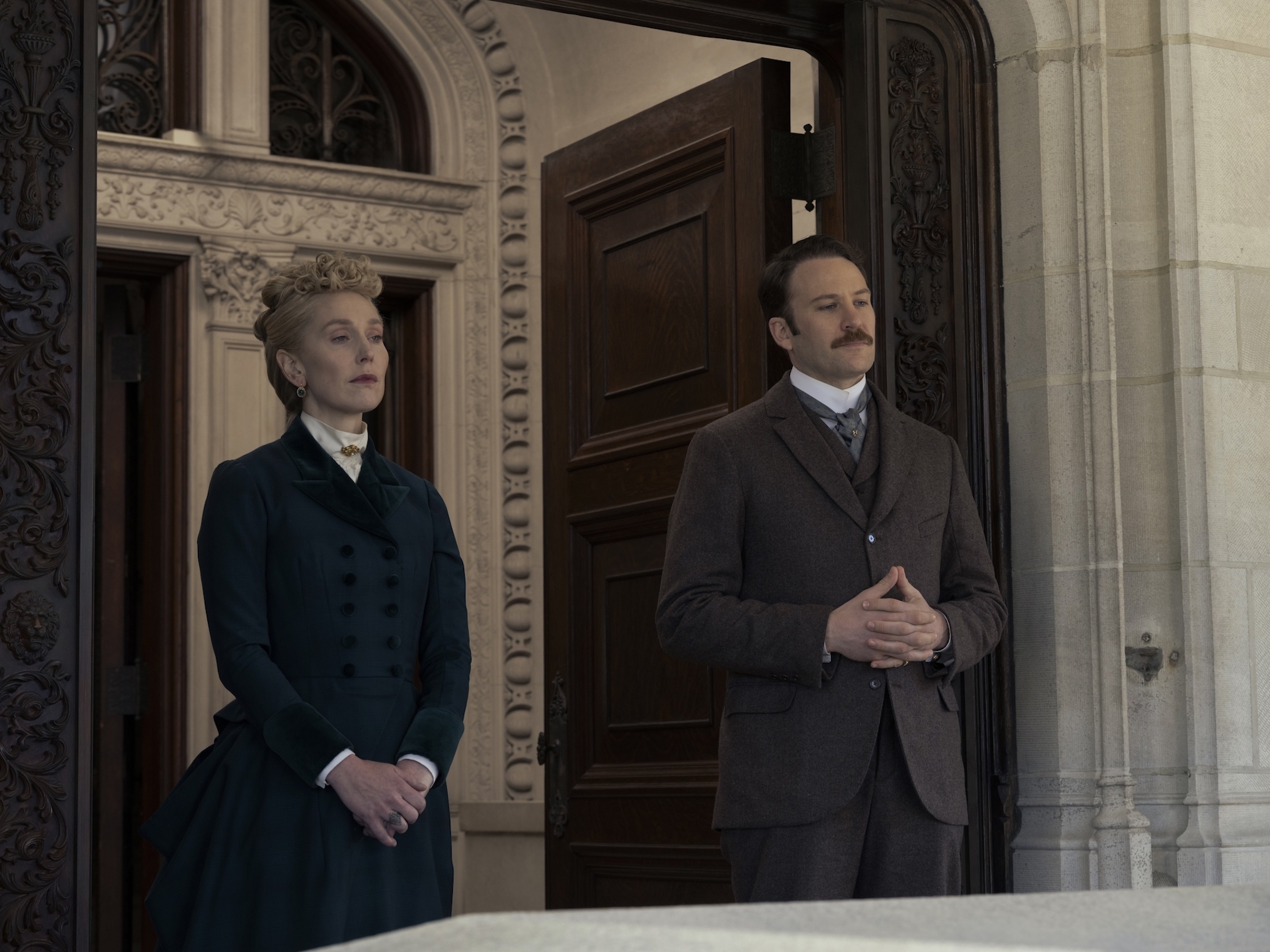
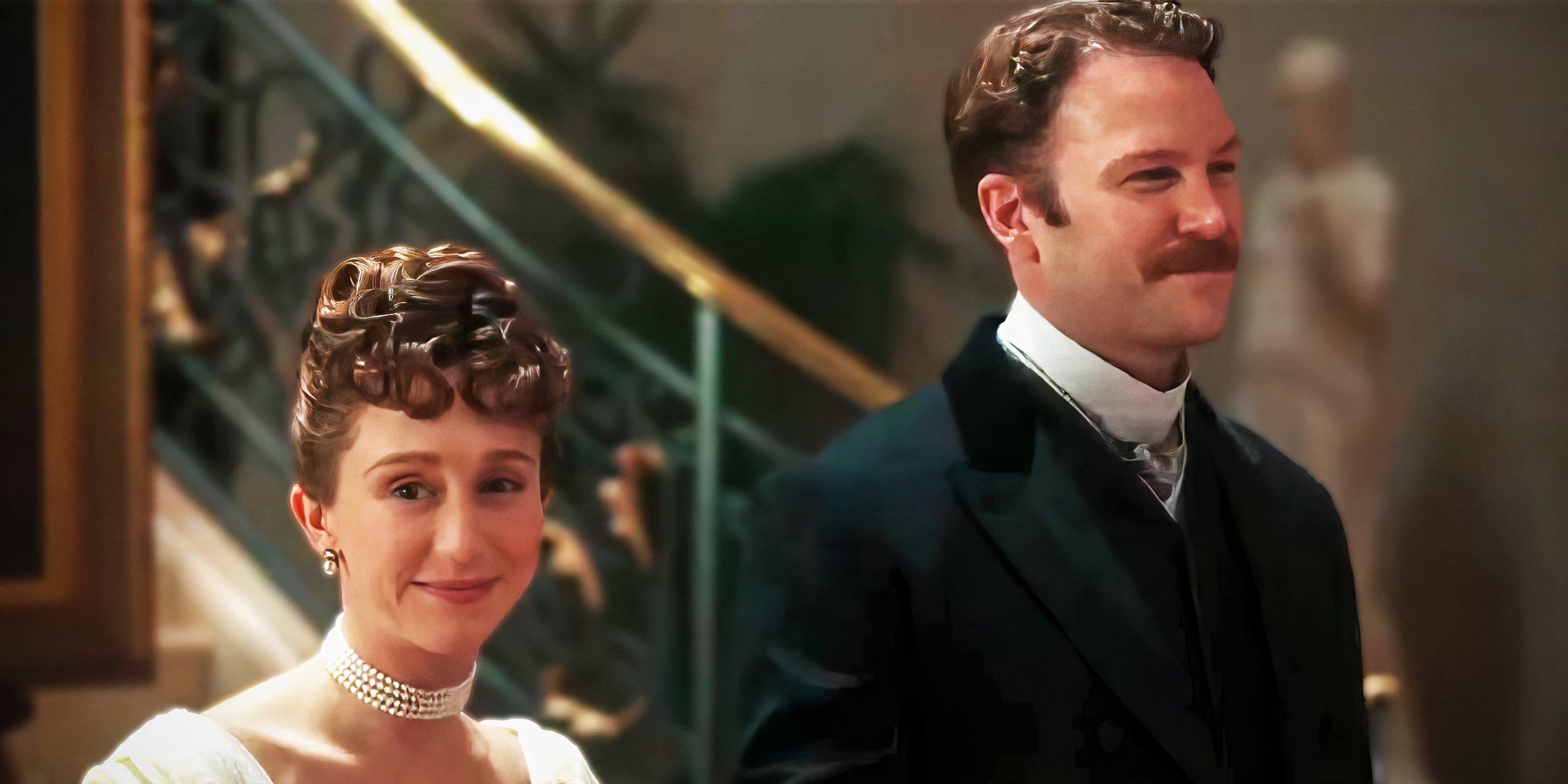
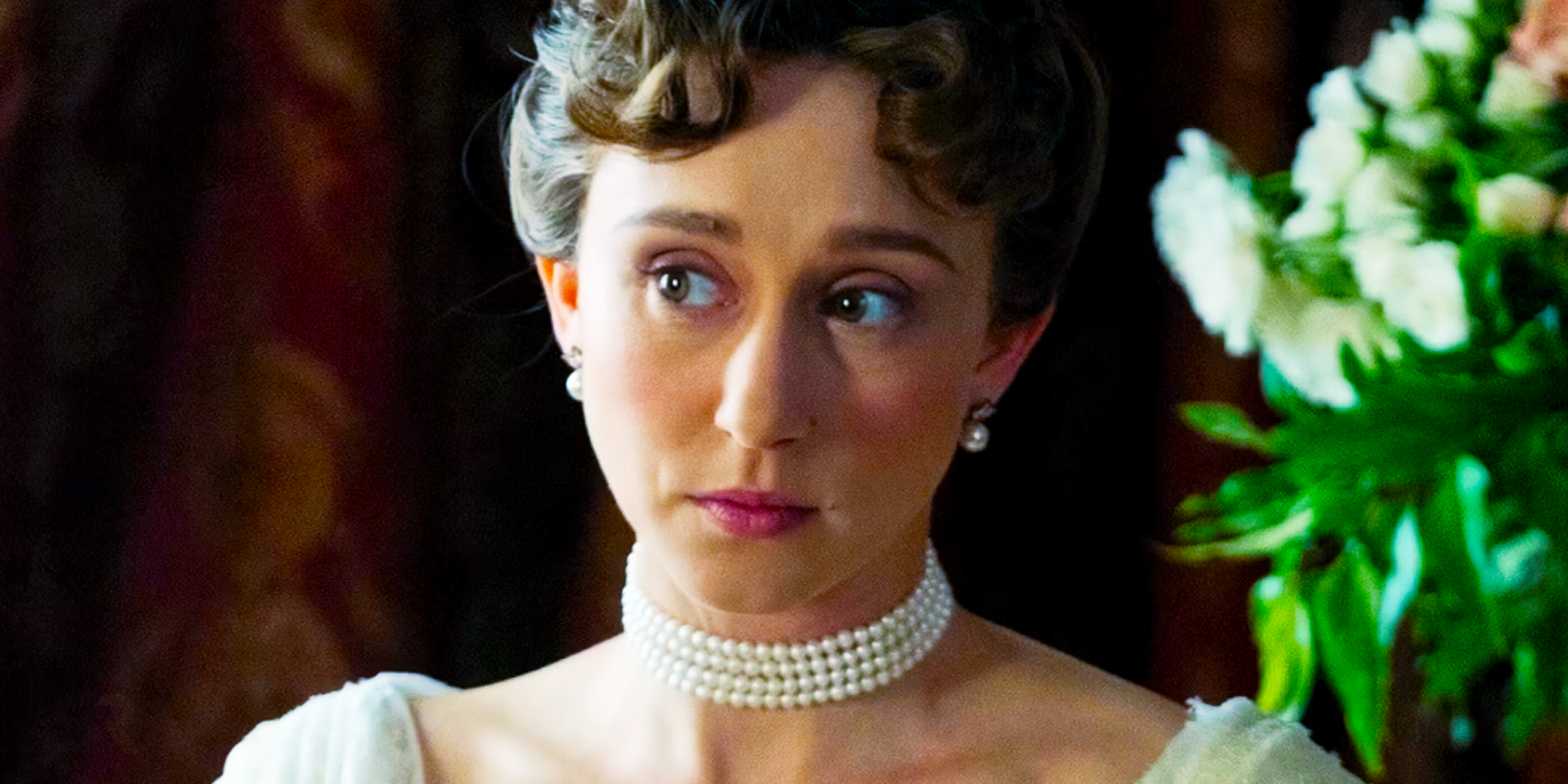
Celine Dubois
Contemporary Living and Global Arts Columnist
