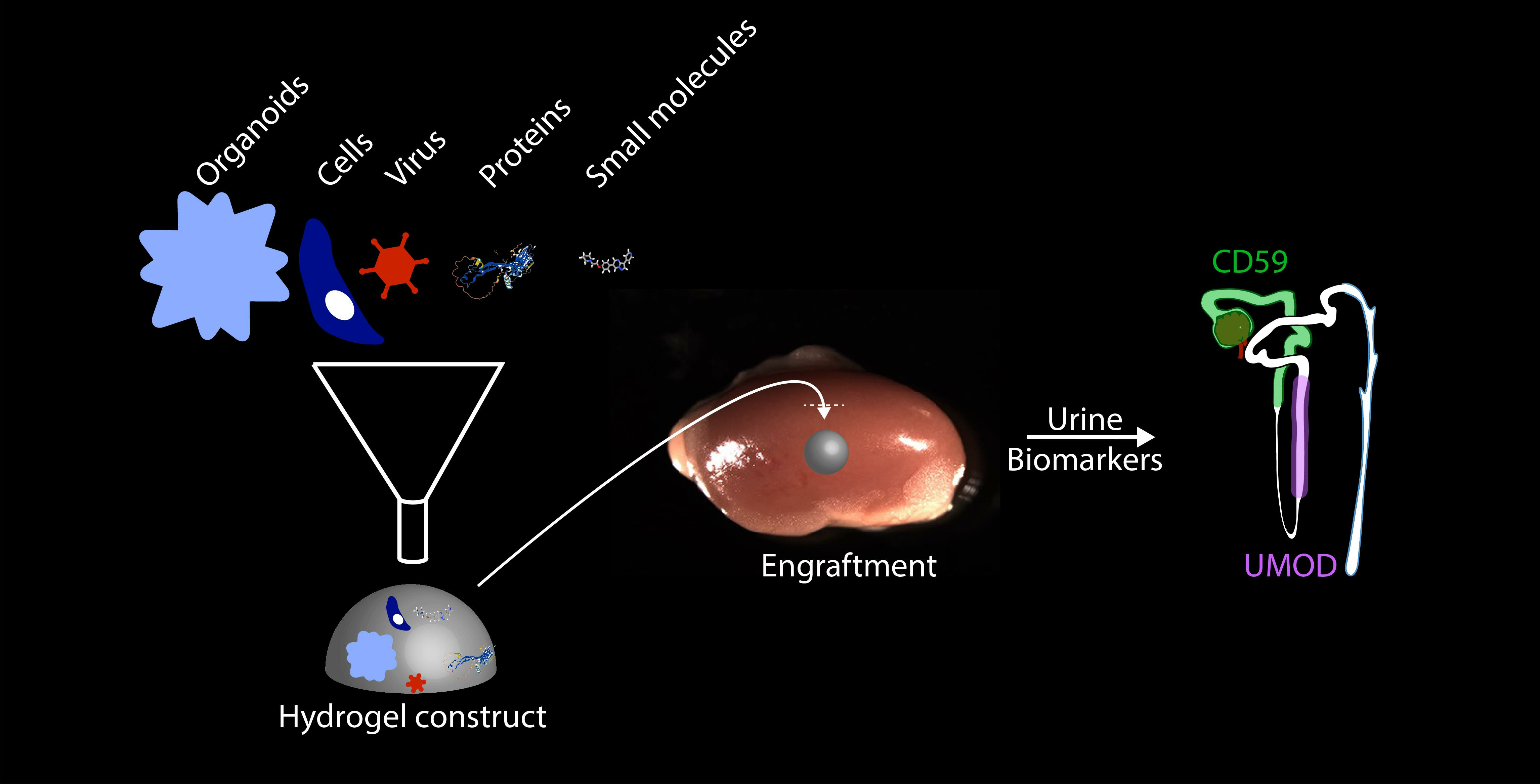
Exploring the in vivo laboratory involves conducting scientific research within a living organism to observe biological processes in their natural, systemic context. This approach allows researchers to analyze complex interactions between organs, immune responses, and metabolic pathways that cannot be fully replicated in isolated cell cultures or computer models.
The "in vivo laboratory" is not merely a physical space but a methodological framework where the complexity of life meets rigorous experimental design. As we navigate the scientific landscape of 2026, the transition from in vitro (test tube) and in silico (computer simulation) to in vivo remains the most critical hurdle in the drug development pipeline and fundamental biological discovery. By observing a living system, scientists can validate how a potential therapeutic affects a whole body, ensuring that efficacy is not outweighed by systemic toxicity.
The Fundamental Necessity of In Vivo Systems
While modern science has made incredible strides in reducing animal dependency through organ-on-a-chip technology and advanced computational modeling, the in vivo laboratory remains indispensable for understanding multi-systemic diseases. A living organism provides a vascular system, an endocrine network, and an immune response that operate in a synchronized, feedback-loop fashion. For instance, a drug targeting a liver enzyme might have unintended consequences on cardiac rhythm or neurological function—interactions that are often invisible in isolated cellular assays.
In the context of 2026, the primary goal of in vivo exploration is "translational fidelity." This refers to how accurately a laboratory model predicts the human response. Researchers use these models to establish pharmacokinetics (how the body affects the drug) and pharmacodynamics (how the drug affects the body). Without the systemic feedback provided by a living host, the subtleties of drug metabolism, such as the first-pass effect in the liver or the permeability of the blood-brain barrier, remain largely theoretical.
Furthermore, the in vivo environment is essential for studying chronic conditions. Diseases like Alzheimer’s, diabetes, and systemic lupus erythematosus involve long-term, progressive changes across multiple tissues. Observing these pathologies over weeks or months within a living subject allows for the collection of longitudinal data, providing a temporal map of disease progression that static models simply cannot offer.
Advanced Methodologies in the Modern In Vivo Lab
The tools used to explore the in vivo laboratory have evolved significantly, moving toward non-invasive and high-resolution technologies. In 2026, the emphasis is on gathering the maximum amount of data from each subject while minimizing stress and physical intervention.
Molecular Imaging and Real-Time Visualization
Modern in vivo research relies heavily on advanced imaging modalities that allow scientists to "see" inside a living subject without surgery.
- Micro-PET/CT and Micro-MRI: These adaptations of human clinical tools allow for the tracking of radiopharmaceuticals and anatomical changes at a resolution suitable for small animal models.
- Bioluminescence and Fluorescence Imaging: By engineering cells to express proteins like luciferase or green fluorescent protein (GFP), researchers can track the spread of cancer cells or the expression of specific genes in real-time.
- Intravital Microscopy: This technique allows for the observation of biological processes at a cellular level within a living tissue, such as watching immune cells migrate to a site of inflammation or observing blood flow through micro-vessels.
Telemetry and Biosensors
One of the most significant shifts in the last decade has been the move toward continuous, wireless monitoring. Implantable micro-telemetry devices now measure heart rate, body temperature, blood pressure, and even glucose levels in unanesthetized, free-moving subjects. This removes the "confounding variable" of stress, which often spikes when animals are handled by humans or restrained for measurement. Data collected via telemetry in 2026 is often streamed directly to AI-driven analytical platforms that identify subtle deviations from baseline health long before physical symptoms appear.

Selecting the Right Model: From Rodents to Zebrafish
Choosing the appropriate biological model is the most consequential decision in in vivo exploration. The choice depends on the biological question being asked, the genetic similarity to humans, and the practical constraints of the laboratory.
- Rodent Models (Mice and Rats): Mice remain the gold standard due to their genetic malleability. CRISPR/Cas9 technology has enabled the creation of "humanized" mice, where specific human genes or immune systems are grafted into the animal to better simulate human disease. Rats, being larger, are often preferred for complex surgical procedures and behavioral studies.
- Zebrafish (Danio rerio): These have gained massive popularity because they are transparent during early development, allowing for direct observation of internal organs and vascular growth. They are highly effective for large-scale genetic screens and early-stage toxicology.
- Non-Human Primates (NHPs): Used sparingly and under the strictest ethical oversight, NHPs are essential for vaccine development and neuroscience research where the physiological and cognitive similarities to humans are irreplaceable.
- Large Animal Models (Pigs and Sheep): These are frequently used in cardiovascular research and medical device testing because their organ size and physiological pressures closely mirror those of humans.
Comparing Research Environments
Understanding where in vivo research fits into the broader scientific workflow requires a comparison with other common methodologies.
| Feature | In Vitro (Cell Culture) | In Vivo (Living Organism) | In Silico (Computational) |
|---|---|---|---|
| Complexity | Low; isolated cells/tissues | High; systemic interactions | Variable; depends on model |
| Predictive Power | Low for systemic toxicity | High for physiological impact | High for molecular docking |
| Cost | Low to Moderate | High (housing, ethics, care) | Low (after hardware setup) |
| Throughput | High (thousands of tests) | Low (limited by ethics/space) | Extremely High (millions) |
| Ethical Concern | Minimal | Significant (strictly regulated) | None |
| Data Type | Molecular/Cellular | Systemic/Behavioral | Predictive/Statistical |
Ethical Frameworks and the 3Rs Principle
Exploring the in vivo laboratory carries a profound ethical responsibility. In 2026, global research standards are governed by the 3Rs Principle: Replacement, Reduction, and Refinement.
- Replacement: Scientists must actively seek methods that avoid the use of animals whenever possible. This includes using human cell lines, organoids, or sophisticated computer simulations.
- Reduction: Research protocols must be designed to use the minimum number of subjects required to achieve statistically significant results. Advanced statistical power analysis is now a prerequisite for any study approval.
- Refinement: This involves improving the living conditions and experimental procedures to minimize pain and distress. In 2026, this includes environmental enrichment (providing toys and social interaction) and the use of non-invasive monitoring tools to replace frequent blood draws or biopsies.
Regulatory bodies, such as the Institutional Animal Care and Use Committee (IACUC) in the United States and similar agencies worldwide, perform rigorous reviews of every experimental protocol. Approval is only granted when the potential benefit to human or animal health clearly outweighs the welfare costs to the subjects involved.
Data Interpretation and the Reproducibility Crisis
One of the greatest challenges in in vivo exploration is the "reproducibility crisis." Because living organisms are inherently variable, a study conducted in one laboratory may produce different results in another. Factors as seemingly minor as the light-dark cycle, the type of bedding used, or even the pheromones of the lab technicians can influence the biological outcome.
To combat this, the scientific community has moved toward standardized reporting guidelines, such as the ARRIVE guidelines (Animal Research: Reporting of In Vivo Experiments). These guidelines ensure that every detail of the experimental environment and subject history is documented, allowing other researchers to replicate the findings accurately.
Additionally, the integration of Artificial Intelligence (AI) in 2026 has revolutionized data interpretation. AI algorithms can analyze high-definition video of animal behavior to detect microscopic changes in gait or grooming that human observers might miss. This removes subjective bias and provides a more objective, quantitative measure of animal health and drug efficacy.
Common Pitfalls in In Vivo Research
Even with advanced technology, several common mistakes can undermine the validity of in vivo studies:
- Over-reliance on Young, Male Models: Historically, research focused on young male subjects to avoid the hormonal fluctuations of females. This led to a "gender gap" in medical knowledge. Current 2026 mandates now require the inclusion of both sexes and varied age groups in preclinical trials to ensure findings are applicable to the general human population.
- Ignoring the Microbiome: We now understand that the gut bacteria of laboratory subjects significantly influence their immune system and drug metabolism. Variations in the microbiome between different suppliers can lead to inconsistent results.
- Scaling Errors: Simply adjusting a drug dose based on body weight (mg/kg) is often insufficient when moving from mice to humans. Differences in metabolic rates (allometric scaling) must be calculated to prevent toxic overdoses or sub-therapeutic trials in humans.
Future Horizons: The Diminishing Boundary
As we look toward the late 2020s, the boundary between the in vivo laboratory and other modalities is blurring. We are entering the era of "In Vivo In Silico" integration, where real-time data from a living subject is fed into a digital twin—a personalized computer model that predicts the subject's future health trajectory.
Furthermore, the rise of Organoids-on-a-chip that use a patient’s own stem cells is reducing the need for animal models in early-stage personalized medicine. However, for the foreseeable future, the "in vivo laboratory" will remain the ultimate proving ground for the safety and efficacy of medical interventions, providing the biological "truth" that only a living, breathing system can offer.
Frequently Asked Questions
What is the primary difference between in vivo and in vitro research?
In vitro research is conducted in a controlled environment outside of a living organism, such as in a petri dish or test tube, focusing on isolated cellular or molecular interactions. In vivo research takes place within a whole, living organism, allowing scientists to observe how different biological systems (like the circulatory and nervous systems) interact in response to a stimulus or drug.
Is in vivo research still necessary in 2026 with the rise of AI?
Yes. While AI and computer modeling (in silico) have become incredibly sophisticated, they rely on existing data. They cannot yet perfectly predict the infinite complexities of a novel biological interaction or a completely new drug class. In vivo studies provide the empirical evidence required to validate AI predictions before human clinical trials begin.
How do researchers ensure animals do not suffer during in vivo experiments?
Researchers adhere to the 3Rs framework and are overseen by ethics committees like the IACUC. This includes using anesthesia for painful procedures, providing high-quality housing and social enrichment, and establishing "humane endpoints," which are pre-determined criteria that require an experiment to stop if a subject shows signs of significant distress.
Can results from an in vivo study be applied directly to humans?
Not directly. In vivo results in animals are "preclinical." They provide a strong indication of how a human might react, but differences in genetics and physiology mean that these results must be confirmed through Phase I, II, and III human clinical trials. The goal of the in vivo lab is to filter out dangerous or ineffective treatments before they ever reach a human volunteer.
What are "humanized" models in in vivo research?
Humanized models are animals (usually mice) that have been genetically engineered or biologically altered to carry human genes, cells, or tissues. This makes the animal's biological responses more similar to those of a human, particularly in areas like immunology, oncology, and infectious disease research.
Final Recommendation for Researchers
For those entering or managing an in vivo laboratory, the priority should be methodological transparency and ethical rigor. Start by conducting a thorough literature review to ensure the study hasn't been duplicated and that the chosen model is the most "translationally relevant" for your specific disease state. Utilize non-invasive telemetry and imaging whenever possible to improve data quality and animal welfare. Finally, always adhere to the ARRIVE guidelines to ensure your findings contribute meaningfully to the global scientific record, helping to bridge the gap between the laboratory bench and the patient's bedside.
Image Gallery
Select an image to open it in a new tab.
Mateo Castillo
Decentralized Finance and E-Payments Strategist
