
Choosing between the past perfect and the simple past depends entirely on your need to clarify the chronological sequence of events within a narrative. Use the simple past for actions that happened in a specific sequence or at a defined time, and use the past perfect to signal that an event occurred—and was completed—before another past action took place.
Understanding the Simple Past Tense
The simple past is the foundational tense for describing events that occurred and concluded in the past. It is used for actions that began and ended at a specific point in time, regardless of whether that time is explicitly stated or implied by the context.
When using the simple past, you are essentially creating a timeline of sequential events. If you state, "I locked the door and left the house," the reader understands that these two actions happened in that specific order. The simple past focuses on the completion of the action itself rather than the relationship between that action and another point in time.
Frequent markers of the simple past include time expressions like "yesterday," "last week," "in 2010," or "two hours ago." Because these markers clearly pin the action to a specific moment, the simple past remains the most efficient choice for narrative progression. If your goal is to relay a series of events in the order they occurred, the simple past is your primary tool.
The Role of the Past Perfect
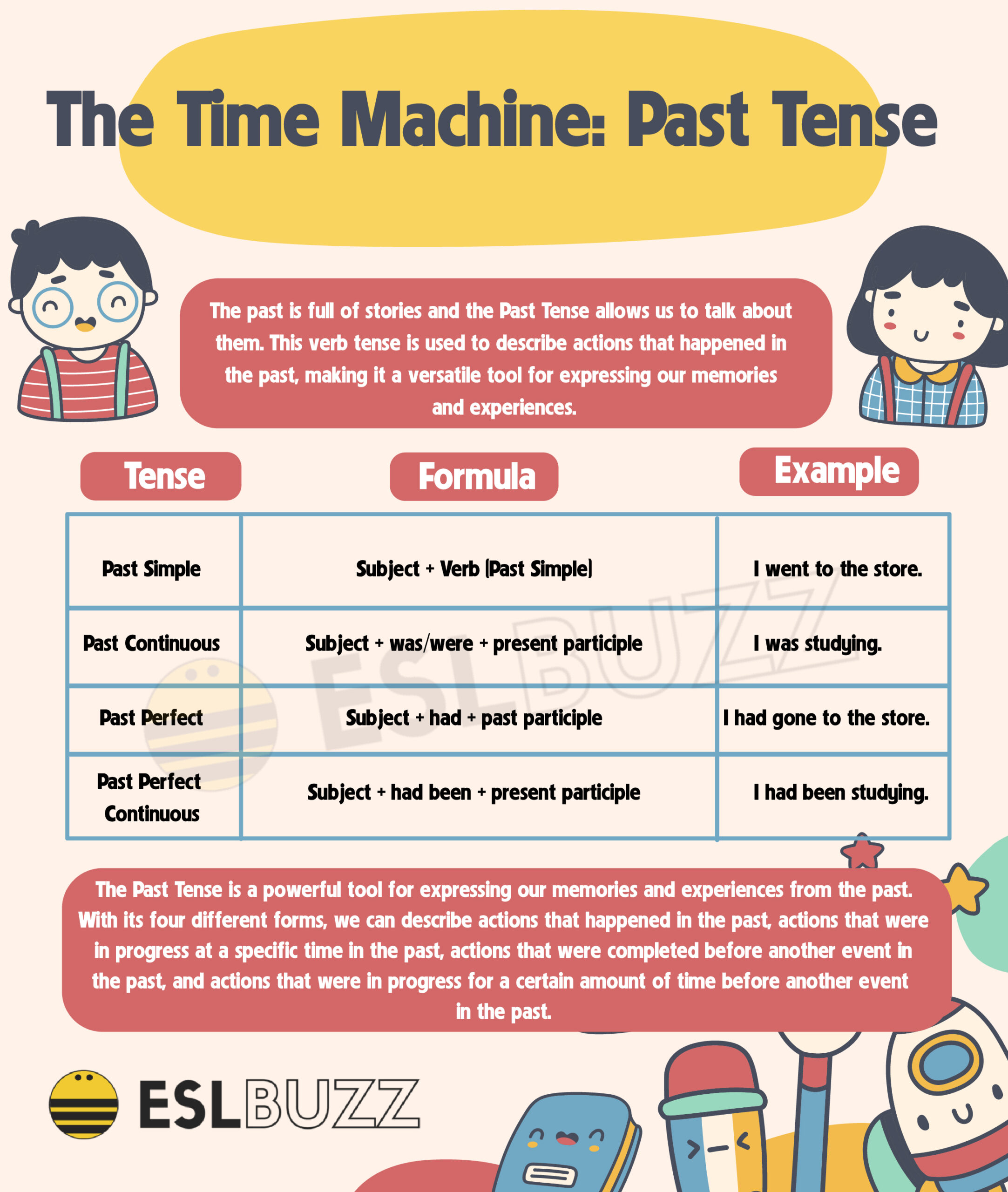
The past perfect tense—formed by using "had" plus the past participle of the verb—acts as a "time-travel" mechanism in grammar. It allows a speaker or writer to step back from the current narrative timeline to describe something that happened even earlier.
If you are currently describing a past event (using the simple past), and you need to explain the background cause or an action that preceded that event, you switch to the past perfect. For example, consider the sentence: "By the time the guests arrived, we had finished cooking."
In this instance, "arrived" is in the simple past, anchoring the sentence in a specific moment. "Had finished" is in the past perfect, clarifying that the act of cooking was already a completed history by the time the arrival occurred. Without the past perfect, the sequence would be ambiguous. The past perfect essentially provides the context or the "backstory" necessary for the primary action to make sense.
Deciding Between the Two: A Strategic Approach
Deciding which tense to use often comes down to identifying the "anchor point" of your sentence. Ask yourself: "Am I describing a sequence of events as they happened, or am I highlighting that one event preceded another?"
Scenario 1: Sequential Narrative
When events happen one after another in a logical progression, the simple past is almost always the correct choice.
- Correct: I ate lunch, then I took a nap.
- Incorrect: I had eaten lunch, then I took a nap. In the second example, using the past perfect creates unnecessary distance between the two events. Since the order is already clarified by the word "then," the past perfect is redundant.
Scenario 2: Establishing Precedence
When you need to emphasize that one event is the "cause" or the "prerequisite" for a subsequent past event, use the past perfect.
- Example: She was hungry because she had skipped breakfast. The simple past ("was hungry") is the current state in the past, while the past perfect ("had skipped") is the reason for that state. The past perfect creates a mental bridge between the effect and the cause.
Comparative Overview of Tense Usage
| Feature | Simple Past | Past Perfect |
|---|---|---|
| Primary Goal | Describing sequential actions | Clarifying prior completion |
| Chronology | Follows the timeline order | Moves backward in time |
| Focus | Completed actions | The relationship between two past events |
| Formation | Verb + -ed (or irregular form) | Had + Past Participle |
| Typical Context | Narrative storytelling | Providing backstory or context |
Common Mistakes and How to Avoid Them
One of the most frequent errors in English writing is the unnecessary use of the past perfect. Writers often feel that because a sentence describes the past, everything should be in the past perfect. This leads to heavy, cumbersome prose that confuses the reader.
If you are writing a chronological account, stick to the simple past. Only reach for the past perfect when you have explicitly introduced a later event that needs to be "outranked" in time by an earlier action.
Another common mistake is omitting the past perfect when it is actually required. If you tell a story where the timing of events is essential to the logic of the plot—such as a mystery or a technical report—and you fail to use the past perfect, the reader may become confused about the order of operations. Always ensure that when you are providing background information, you distinguish it from the current narrative arc by using "had."
Technical Depth: When Context Makes the Choice for You
In advanced writing, your choice of tense can also be dictated by temporal conjunctions. Words such as "before," "after," "already," and "by the time" often trigger the need for the past perfect because they inherently highlight the difference between two timeframes.
Consider the following:
- "I arrived after he left." (Simple past works because the word "after" does the heavy lifting of establishing the order.)
- "I arrived after he had left." (Past perfect adds a layer of completion—he was gone before I got there, and his departure was an established fact.)
Both are grammatically correct, but the second version provides a clearer sense of the result of his departure. As you develop your writing style, you will find that the past perfect is an excellent tool for precision. It allows you to control the flow of information, keeping your reader focused on the primary narrative while tucking secondary, earlier events into the background.
Practical Guidance for Proofreading
When you are editing your own work, look for instances where you have used "had" repeatedly. If a paragraph is saturated with past perfect tenses, it likely lacks a clear anchor. Try to reorient the paragraph by establishing a clear simple past anchor point, then use the past perfect only to pivot to earlier events.
If you find a sentence that describes three or more past actions, look for the "earliest" action. That action should ideally be in the past perfect, while the others remain in the simple past. This creates a clear hierarchy of events, preventing the "chronological clutter" that often plagues academic and technical writing.
Frequently Asked Questions
Do I always need "had" for the past perfect?
Yes. The construction of the past perfect requires the auxiliary verb "had" combined with the past participle of the main verb. If you remove "had," you are simply using the past participle as an adjective or reverting to the simple past, which changes the meaning of the sentence entirely.
Can I use the simple past instead of the past perfect to save space?
You can, but you risk clarity. While readers might infer the timeline from context clues like "before" or "first," the past perfect is a specialized tool that removes all doubt. In technical documentation, where precision is paramount, it is safer to use the past perfect to explicitly define the order of operations.
Is the past perfect only used for distant history?
No. The past perfect is not about how far back in time an event occurred, but rather its relationship to another past event. An action that happened five minutes ago can be in the past perfect if it finished before a different action that happened two minutes ago. It is a relative tense, not an absolute one.
Does "before" automatically require the past perfect?
Not necessarily. You can use "before" with the simple past if the sequence is obvious. For example, "I locked the door before I left" is perfectly clear. However, if the time gap is significant or the completion of the first action is the focus, the past perfect ("I had locked the door before I left") emphasizes that the door was fully secured before the departure occurred.
What should I do if my writing feels "clunky" with the past perfect?
If your writing feels heavy, it is likely because you are overusing the past perfect. Review your sentences and ask if the word "had" is providing necessary information. If the temporal order is already established by words like "after," "before," or a simple date, you can often simplify the sentence by using the simple past.
Final Recommendation
To master the usage of these two tenses, focus on your "anchor point." Start your sentences or paragraphs by establishing the main event in the simple past. Whenever you need to provide a reason, a prerequisite, or a preceding detail, gracefully introduce the past perfect. By reserving the past perfect for those moments where you need to signal a shift in time, you will create a cleaner, more professional narrative that allows your reader to follow your timeline with absolute clarity.
Image Gallery
Select an image to open it in a new tab.
Simon Caldwell
Enterprise Technology and Systems Editor
