Wolf 06 Yellowstone: A Rare Snapshot of Nature

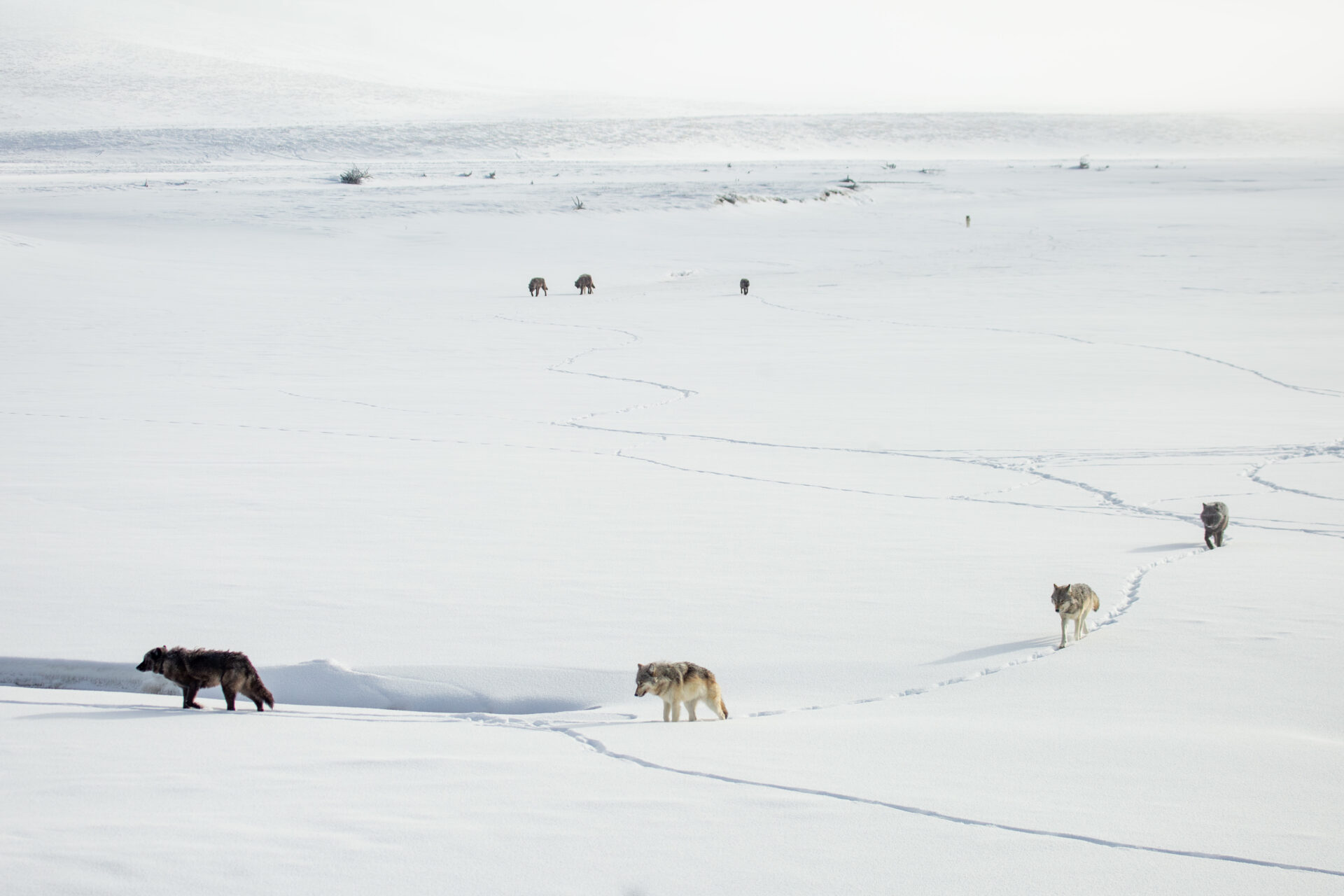
Wolf 06 of Yellowstone National Park was a legendary alpha female of the Lamar Canyon pack whose life, dominance, and tragic death provided researchers and wildlife enthusiasts with a rare, intensely documented window into the complex social structures, struggles, and vulnerabilities of wild canids.
The Reintroduction Context: Restoring a Keystone Species
The return of gray wolves (Canis lupus) to Yellowstone National Park in 1995 and 1996 stands as one of the most significant milestones in modern wildlife conservation. Decimated by government-sponsored eradication programs, the last native wolves in the park had been eliminated by the mid-1920s. Their absence triggered a massive trophic cascade, fundamentally altering the park's ecosystems. Without apex predators, elk populations surged, heavily overbrowsing riparian vegetation such as willow, aspen, and cottonwood. This loss destabilized stream banks, reduced beaver and songbird habitats, and degraded overall biodiversity.
When 31 wolves were captured in Canada and northwestern Montana and released into the remote wilderness of Yellowstone, biologists hoped to restore ecological balance. The reintroduction was not merely an exercise in animal transocation; it was a grand ecological experiment. Researchers monitored the packs meticulously, tracking population dynamics, territory establishments, prey selection, and pack mortality rates. Over the decades, this unprecedented level of observation turned Yellowstone into a global laboratory for carnivore ecology. Among the thousands of individual wolves that lived, reproduced, and died in the park over the subsequent three decades, a select few captured the public imagination. None, however, achieved the iconic status and profound symbolic weight of Wolf 06.
Who Was Wolf 06? Lineage and Emergence
Born into the Agate Creek pack in 2006—hence her designation as "06"—this female wolf possessed exceptional physical resilience, intelligence, and tactical acumen. She was not born into immediate royalty; rather, she carved out her path through a turbulent landscape defined by shifting pack boundaries and intense territorial competition. As she matured, Wolf 06 demonstrated traits that set her apart from her peers: remarkable hunting prowess, deep loyalty to her kin, and an unyielding defensive spirit.
In 2012, alongside her long-term mate, known as the 755M male, and a few loyal pack members, Wolf 06 executed one of the most remarkable social maneuvers in modern Yellowstone wolf history. They broke away to form the Lamar Canyon pack. Establishing a new territory in the highly competitive northern range of the park was a monumental challenge. The Lamar Canyon territory overlapped with established, larger packs like the Junction Butte and Slough Creek packs. To survive, Wolf 06 and her small contingent had to hunt effectively, defend their pups fiercely, and constantly patrol boundaries against numerically superior rivals.
Biologists who observed Wolf 06 daily noted her exceptional size for a female—weighing around 100 pounds—and her commanding presence. She regularly led hunts against large adult bull elk, a task that typically required the coordinated strength of an entire pack. Her ability to coordinate pack members, combined with her fearlessness, made her the undisputed matriarch of the Lamar Canyon pack. Her life offered researchers a textbook study in alpha female dynamics, demonstrating how leadership in wolf societies is often driven less by raw aggression and more by strategic decision-making, foraging success, and social cohesion.
| Attribute | Detail |
|---|---|
| Wolf ID | 06 (Lamar Canyon Pack Matriarch) |
| Birth Year | 2006 |
| Pack Lineage | Agate Creek Pack (birth) to Lamar Canyon Pack (founder) |
| Mate | 755M Male |
| Key Characteristics | Exceptional size (~100 lbs), elite elk hunter, fierce territory defender |
| Death Year | 2012 |
| Significance | Symbolized the raw realities of wolf management, hunting laws, and public wildlife fascination |

The Lamar Canyon Pack and the Public Spotlight
The rise of the Lamar Canyon pack coincided with a golden age of Yellowstone wolf watching. Located primarily in the expansive Lamar Valley—often referred to as America's Serengeti—this pack operated in full view of professional biologists, wildlife photographers, and thousands of enthusiastic tourists armed with spotting scopes and telephoto lenses. Because the Lamar Canyon wolves tolerated human observers at a distance, individuals like Wolf 06 became household names among wildlife enthusiasts worldwide.
This unprecedented visibility transformed Wolf 06 into an ambassador for her species. Through daily field journals, documentaries, and viral wildlife reporting, people across the globe followed her triumphs: the successful rearing of successive litters of pups, successful defenses against rival packs, and intricate interactions with bison and grizzly bears. Authors and journalists chronicled her life in detail, cementing her status as a living legend. Nate Blakeslee’s critically acclaimed book American Wolf: A True Story of Survival and Obsession in the West placed Wolf 06 at the center of a sweeping narrative about conservation, wildlife tourism, and the complex human emotions tied to apex predators.
However, this fame was a double-edged sword. While it fostered deep public support for wolf conservation, it also intensified the emotional stakes when these animals crossed park boundaries. Yellowstone National Park provides a sanctuary for wildlife, but it is an island surrounded by multiple state and federal jurisdictions with vastly different wildlife management policies, including regulated hunting and trapping seasons.
The Reality of Yellowstone's Borders and the Death of Wolf 06
The sanctuary provided by Yellowstone National Park ends abruptly at its statutory boundaries. Wolves do not recognize invisible human lines on a map; they follow elk herds, seek out new territories, and disperse in search of mates. When wolves step outside the park, they enter areas where hunting and trapping laws apply. This ecological reality has been a persistent flashpoint in Western wildlife management since the 1995 reintroduction.
In late 2012, Wolf 06 and members of the Lamar Canyon pack ventured north of the park boundary into Montana. At the time, Montana’s state wolf hunting regulations permitted the legal harvest of wolves through a quota system. On a snowy hillside outside the park, a hunter legally shot and killed Wolf 06.
Her death sent shockwaves through the wildlife-watching community, scientific circles, and conservation organizations. It ignited a fierce, ongoing debate regarding the ethics, economics, and biological impacts of allowing the hunting of habituated, well-studied park wolves the moment they cross federal boundaries. Proponents of regulated hunting argued that state wildlife agencies must manage animal populations based on established quotas and landowner tolerances, treating wolves like other big game species. Conversely, conservationists and ecotourism advocates argued that the loss of an iconic alpha female—an animal whose economic value to regional tourism through wildlife watching vastly outweighed her value as a harvested pelt—represented a tragic management failure.
The loss of Wolf 06 also triggered severe disruptions within the Lamar Canyon pack. Without their experienced matriarch, the pack struggled. Her mate, 755M, became vulnerable, and the pack’s territory was squeezed by rival factions. The cascading social turmoil within the pack following her death provided researchers with a stark, melancholy illustration of how the removal of a single key individual can destabilize an entire family group.
Broader Impacts: Science, Ecotourism, and Policy
The life and death of Wolf 06 catalyzed broader discussions that extend far beyond the borders of Yellowstone National Park. Her story forced a national conversation on several critical fronts:
- Ecotourism Value vs. Harvest Management: Economic studies conducted around Yellowstone consistently demonstrate that wolf-watching tourism generates millions of dollars annually for gateway communities in Montana, Wyoming, and Idaho. The death of a high-profile wolf like 06 highlighted the economic friction between localized sport hunting and sustained ecotourism.
- Buffer Zone Advocacy: Conservation groups frequently utilize the legacy of Wolf 06 to lobby state and federal agencies for protective buffer zones or special management designations around national parks. The goal is to shield radio-collared, highly visible research animals from being legally harvested immediately upon leaving federal land.
- Long-Term Population Genetics: Detailed tracking of wolves like 06 has provided geneticists with invaluable data regarding pack persistence, inbreeding depression avoidance, and dispersal corridors. Understanding how packs form and dissolve helps wildlife managers maintain connectivity between the Greater Yellowstone Ecosystem and other regional populations.
Frequently Asked Questions
Why was Wolf 06 so famous among researchers and visitors?
Wolf 06 gained fame because she was an exceptionally resilient alpha female who founded the Lamar Canyon pack in one of Yellowstone's most visible areas, the Lamar Valley. Her elite hunting skills, fierce maternal instincts, and daily visibility to researchers and tourists made her a symbol of the wild success of the Yellowstone wolf reintroduction.
How did Wolf 06 die?
Wolf 06 was legally shot and killed by a hunter in late 2012 after she and her pack crossed the northern boundary of Yellowstone National Park into Montana, where state-regulated wolf hunting was permitted.
Did the death of Wolf 06 impact her pack?
Yes. Her death caused significant social disruption within the Lamar Canyon pack. Without her leadership and hunting prowess, the pack struggled to defend its territory against larger rival packs, illustrating the crucial role experienced matriarchs play in wolf family structures.
What is the Lamar Canyon pack?
The Lamar Canyon pack is a wolf pack that formed in 2012 when Wolf 06, her mate 755M, and a few other wolves broke away from existing packs to establish a territory in Yellowstone's Lamar Valley. The pack became one of the most-watched wolf families in the world.
How does hunting affect Yellowstone wolves when they leave the park?
Yellowstone National Park does not allow hunting, but wolves frequently cross park boundaries into Montana, Wyoming, and Idaho. In these surrounding states, wolves are subject to state wildlife management laws, which may include regulated hunting and trapping seasons, making boundary-crossing a frequent cause of mortality for park-born wolves.
Conclusion and Next Actions
The story of Wolf 06 remains a rare, compelling snapshot of nature in its rawest form—illustrating both the remarkable resilience of restored wildlife populations and the ongoing friction between wild animals and human boundaries. For those seeking to understand modern carnivore conservation, exploring the foundational research from the Yellowstone Wolf Project or reading comprehensive accounts like American Wolf provides essential context. When visiting Yellowstone or other wildlife refuges, responsible observation, supporting science-based habitat corridors, and staying informed about regional wildlife policies remain the most effective ways to honor the legacy of iconic animals like Wolf 06.
Image Gallery
Select an image to open it in a new tab.


Omar Farooq
EdTech Innovation and Virtual Pedagogy Journalist
