A life insurance agent acts as a licensed intermediary between insurance carriers and consumers, tasked with assessing financial risks and providing protective solutions. Their job involves lead generation, conducting detailed financial needs analyses, recommending specific policy structures, and guiding clients through the medical underwriting process to ensure long-term family and business financial security.
While many perceive the role of a life insurance agent as a simple sales position, the reality in 2026 is far more complex. The modern agent operates at the intersection of financial planning, psychological consulting, and administrative management. The career requires a unique blend of high-level interpersonal skills and technical proficiency in state-specific regulations and complex financial products. Understanding the nuances of this profession is essential whether you are considering a career in the industry or seeking to understand the value your agent provides.
The Core Pillars of a Life Insurance Agent’s Responsibilities
The primary objective of a life insurance agent is to help individuals and businesses mitigate the financial impact of a premature death. However, reaching that objective involves several distinct phases of work that happen long before a policy is ever signed.
Prospecting and Lead Generation
The most challenging and time-consuming aspect of an agent's job is finding people who need their services. In 2026, prospecting has evolved beyond cold calling. Agents spend a significant portion of their week managing digital marketing campaigns, attending local networking events, and building referral partnerships with CPAs and estate attorneys.
Lead generation involves identifying specific "life events"—such as marriage, the birth of a child, or the purchase of a home—that trigger a need for coverage. For independent agents, this often means managing a personal brand and a CRM (Customer Relationship Management) system to track thousands of interactions. Without a consistent pipeline of prospects, an agent cannot sustain their business, making this the "oxygen" of the profession.
The Needs Analysis Consultation
Once a prospect is identified, the agent must perform a deep dive into the client’s financial life. This is not a surface-level conversation. An effective agent asks probing questions about current debts (mortgages, student loans, credit cards), future obligations (college tuition for children), and income replacement needs for surviving spouses.
During this stage, agents often use the DIME formula (Debt, Income, Mortgage, Education) or a "Human Life Value" calculation. They must also assess the client’s risk tolerance and budget. The goal is to move the client from a vague feeling of "I need insurance" to a specific understanding of why they need a certain dollar amount of coverage and what type of policy—term, whole life, or universal life—best fits their specific timeline.
Navigating the Complex Underwriting Process
The work does not end when a client agrees to a policy. In fact, for many agents, the "real" work begins during the application and underwriting phase. This is where the agent acts as a project manager and an advocate for the client.
Acting as a Liaison to the Carrier
Underwriting is the process by which an insurance company evaluates the risk of insuring a specific person. The agent is responsible for collecting accurate medical histories, lifestyle information (such as hobbies like scuba diving or piloting), and financial documentation.
If the underwriter identifies a health issue, such as high blood pressure or a history of diabetes, the agent must "shop the case." This involves presenting the client's profile to different carriers to see which one will offer the most favorable rating. A skilled agent knows which companies are more "lenient" on certain health conditions, potentially saving the client thousands of dollars in annual premiums.
Managing Medical Exams and Documentation
Agents coordinate the scheduling of paramedical exams, where a technician visits the client to collect blood, urine, and vitals. They also follow up on Attending Physician Statements (APS), which are records requested from the client’s doctors. Delays in these records are the most common reason for policy hang-ups, requiring the agent to constantly communicate with medical offices and the insurance company’s back office to keep the process moving.

Captive vs. Independent Agents: Comparing Business Models
One of the most significant distinctions in the profession is the business model under which the agent operates. This choice dictates their daily workflow, product access, and compensation structure.
| Feature | Captive Agent | Independent Agent (Broker) |
|---|---|---|
| Product Choice | Limited to one primary company's products. | Access to dozens of different carriers. |
| Operational Support | High; office space and marketing often provided. | Low; agent responsible for all overhead costs. |
| Branding | Leverages the name of a well-known national brand. | Builds a personal or agency-specific brand. |
| Ownership of Book | The company usually owns the client list. | The agent typically owns their "book of business." |
| Compensation | Often includes a base salary + lower commission. | Usually 100% commission with higher percentages. |
The Captive Agent Experience
Captive agents work exclusively for one insurance company (e.g., State Farm, Allstate, or New York Life). Their job involves deep expertise in a specific set of products. Because they represent a single brand, they often benefit from national advertising and a structured training environment. This is frequently the starting point for new agents who need mentorship and a stable environment to learn the ropes.
The Independent Agent (Broker) Experience
Independent agents, or brokers, represent the client rather than the company. Their job involves "market-finding"—searching through the offerings of multiple carriers to find the best price and terms for their client. This requires a much broader knowledge base, as they must stay updated on the product changes and underwriting guidelines of 20 or more different companies. While they have more freedom, they also bear the full weight of running a business, from paying for their own E&O (Errors and Omissions) insurance to purchasing their own leads.
Education, Licensing, and 2026 Regulatory Standards
Entering the profession requires more than just a desire to sell. As of 2026, the regulatory environment has become increasingly stringent to protect consumers.
Pre-Licensing and State Exams
To sell life insurance, an individual must be licensed by the state in which they reside. This involves completing a mandated number of pre-licensing education hours (usually 20-40 hours) and passing a rigorous state exam. The exam covers contract law, policy types, riders, and state-specific insurance codes.
Continuing Education (CE) and Ethics
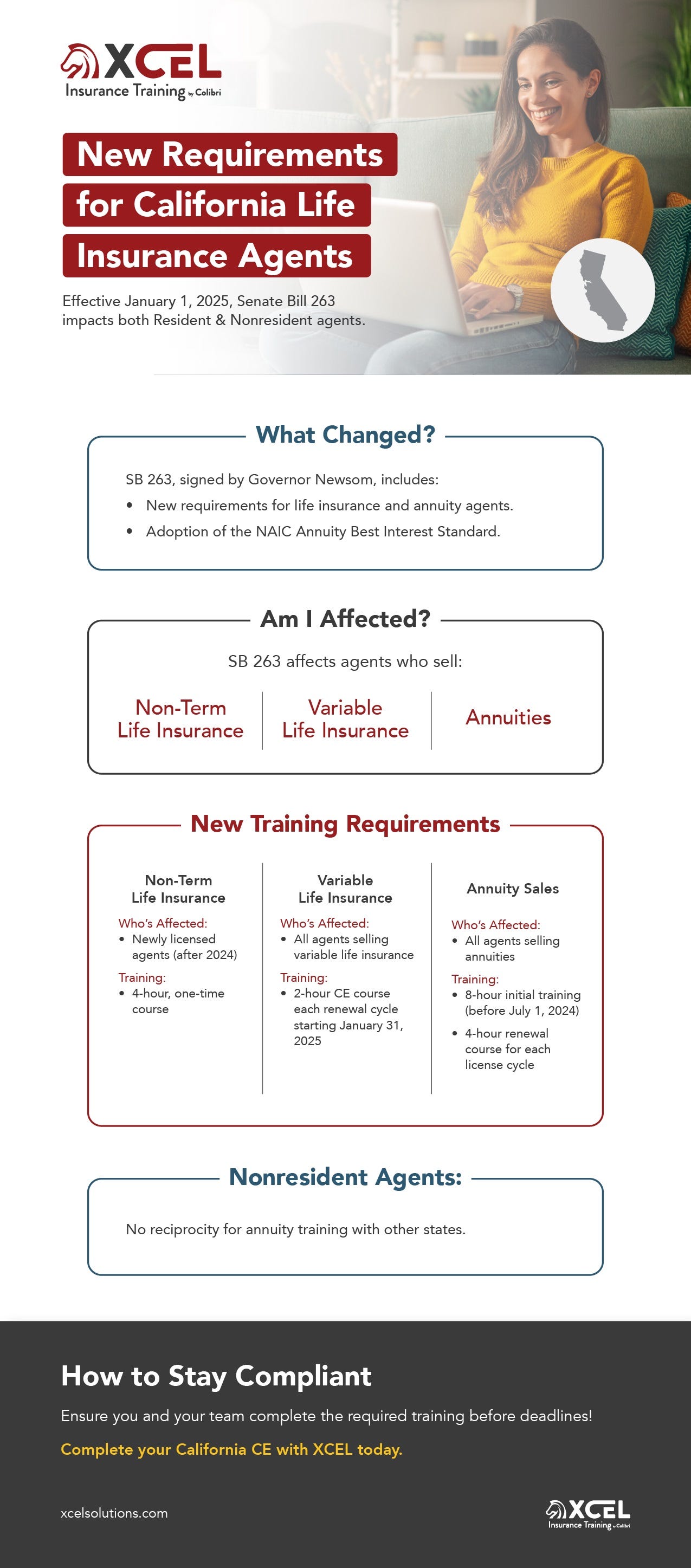
Licensing is not a one-time event. Agents must complete Continuing Education credits every two years to maintain their license. In 2026, there is a heavy emphasis on "Best Interest" standards, similar to the fiduciary standards seen in investment advisory. Agents are legally and ethically required to recommend products that are in the client's best interest, even if it means a lower commission for the agent. Failure to adhere to these standards can result in heavy fines or the permanent revocation of their license.
Specialized Designations
Many professional agents choose to go beyond basic licensing by earning designations such as:
- CLU® (Chartered Life Underwriter): Focuses on the legal and ethical aspects of life insurance and estate planning.
- ChFC® (Chartered Financial Consultant): Provides a broader look at overall financial planning.
- RICP® (Retirement Income Certified Professional): Focuses on how life insurance products (like annuities) fit into a retirement income stream.
Compensation Structures and Financial Reality
Understanding what a life insurance agent’s job involves requires an honest look at how they are paid. Most agents are compensated primarily through commissions, which can create a "feast or famine" cycle, especially in the first few years.
First-Year Commissions (FYC)
When an agent sells a policy, they typically receive a large percentage of the first year’s premium as a commission. Depending on the product and the agent’s contract, this can range from 30% to over 100% of the first year's premium. This high upfront payment compensates the agent for the months of work spent prospecting, consulting, and navigating underwriting.
Renewals and Trails
A critical part of an agent’s long-term job involves "servicing" the book. In exchange for keeping a policy in force and helping the client with address changes, beneficiary updates, or policy loans, the agent receives a small "renewal" commission each year the policy remains active. Over a decade or more, these renewals can build into a significant, stable base of passive income, which is why many agents focus on high "persistence"—the percentage of policies that stay active.
Bonuses and Incentives
Insurance carriers often offer bonuses based on "production" (the total amount of premium sold) and "quality" (how well those policies stay on the books). These can include cash bonuses or incentive trips. However, the 2026 regulatory landscape requires that these incentives do not conflict with the agent’s duty to act in the client’s best interest.
Common Challenges and the Reality of Retention
The life insurance industry is known for a high turnover rate. It is estimated that a significant majority of new agents leave the industry within their first three years. Understanding the job means understanding why it is difficult.
- Constant Rejection: Agents hear "no" far more often than "yes." A typical agent might have to speak with ten people just to get one appointment, and conduct three appointments to get one sale.
- Administrative Burden: The paperwork involved in modern insurance is massive. Agents spend hours on "NIGO" (Not In Good Order) forms, where a single missing signature or date can stall an application for weeks.
- Technical Complexity: Products like Indexed Universal Life (IUL) or Variable Universal Life (VUL) are highly complex and require the agent to understand market indexes, participation rates, and investment sub-accounts.
- Regulatory Changes: Keeping up with the National Association of Insurance Commissioners (NAIC) updates and state-specific law changes is a perpetual task.
FAQ: What a Life Insurance Agent’s Job Really Involves
Do life insurance agents have to buy their own leads?
In many cases, yes. While some captive agencies provide a stream of leads, most independent agents must purchase leads from third-party vendors or spend money on their own marketing to generate interest. This is one of the primary overhead costs of the job.
Is the job 100% commission-based?
For the majority of independent agents and many captive agents, yes. Some agencies offer a "draw" or a small base salary for the first 6–12 months to help new agents get started, but the long-term career path is almost always based on production.
Can a life insurance agent work from home?
Since the shifts in work culture leading up to 2026, many agents now operate virtually. They conduct consultations via video conferencing and use "e-apps" (electronic applications) with digital signatures. However, some successful agents still prefer in-person meetings, especially when dealing with high-net-worth estate planning.
How many hours a week do agents work?
Successful agents often work 40–60 hours a week, especially in the beginning. Because they must meet with clients when the clients are available, this often includes evenings and Saturday mornings.
Do agents also sell other types of insurance?
Many do. This is known as "cross-selling." A life insurance agent might also be licensed to sell disability insurance, long-term care insurance, and fixed annuities. If they have a "Property & Casualty" (P&C) license, they might also sell auto and homeowners insurance.
Practical Recommendation for Aspiring Agents
If you are considering a career as a life insurance agent in 2026, start by researching the different business models. If you value structure and training, a captive agency with a strong mentorship program is often the best entry point. If you have an entrepreneurial background and are comfortable with financial risk, the independent brokerage route offers higher income potential and greater autonomy. Regardless of the path, prioritize obtaining a professional designation like the CLU® early in your career to distinguish yourself in an increasingly competitive and regulated marketplace.
Image Gallery
Select an image to open it in a new tab.

Ingrid Bjornson
Global Cyber Policy and Regulation Analyst
