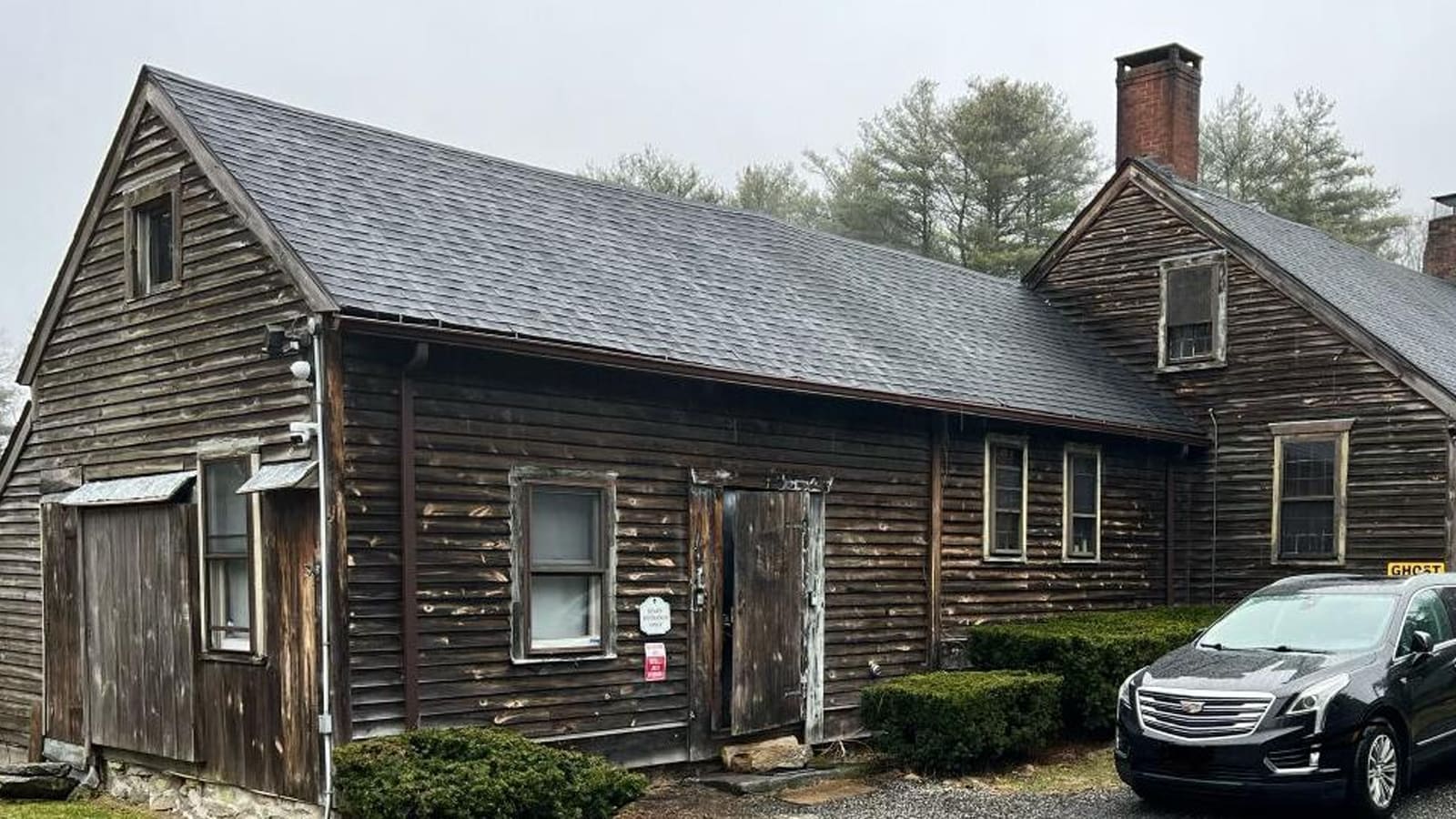
The movie The Conjuring (2013) was primarily filmed in North Carolina, using a private farmhouse in Currie and soundstages at EUE/Screen Gems Studios in Wilmington. While the film is set in Harrisville, Rhode Island, the real house where the Perron family lived is located at 1677 Round Top Road.
The distinction between the "movie house" and the "real house" is a point of frequent confusion for fans of the franchise. While director James Wan sought to capture the atmosphere of 1970s New England, production requirements and tax incentives led the crew to the American South. However, the real-life location in Rhode Island remains a site of intense interest, having transitioned from a private residence to a world-renowned paranormal tourism destination as of 2026. Understanding the history of both locations provides a complete picture of how one of the most successful horror franchises in history was brought to life.
The Primary Filming Location: Currie, North Carolina
When production for The Conjuring began in early 2012, the filmmakers did not head to Rhode Island. Instead, they settled in North Carolina, which at the time offered robust film incentives and diverse landscapes. The "house" audiences see on screen is a real 150-year-old farmhouse located in the small community of Currie, situated in Pender County, approximately 20 miles northwest of Wilmington.
The Exterior and the Canetuck Road Farmhouse
The farmhouse used for the exterior shots is located on Canetuck Road. This property provided the isolated, rural aesthetic necessary for the film’s "Old Arnold Estate." The production team chose this specific location because of its proximity to the Black River, which allowed for the atmospheric shots of the water and the surrounding woods that contribute to the film’s sense of dread.
While the house was structurally sound, the production design team, led by Julie Berghoff, made significant modifications to its appearance. They aged the exterior, added overgrown vegetation, and carefully framed shots to hide any modern conveniences. One of the most iconic features of the movie—the massive, gnarled tree where the entity "Bathsheba" is seen—was actually a prop. The production team built the 50-foot "dead tree" out of steel and plaster because no tree on the property perfectly matched the terrifying silhouette James Wan envisioned for the film’s climax.
Soundstage Reconstructions at EUE/Screen Gems
While the North Carolina farmhouse provided the "face" of the Perron home, most of the interior scenes were filmed on meticulously constructed sets. These were built at EUE/Screen Gems Studios in Wilmington. This is a standard practice in horror filmmaking for several reasons:
- Controlled Lighting: Horror relies heavily on shadows and "low-key" lighting. Controlling light in a real 19th-century farmhouse with small windows is incredibly difficult.
- Stunt Logistics: The film features several sequences involving "levitation" and characters being thrown across rooms. It is far safer and easier to rig these stunts on a soundstage with removable walls and ceiling grids.
- The "Basement" and "Crawlspace": The terrifying basement scenes, where much of the film’s tension is built, were entirely studio-built. Real basements in North Carolina and Rhode Island are often cramped and lack the "cinematic" scale needed for camera movement and crew placement.
The interior sets were designed to be a "mappable" environment. Every room was connected in a way that allowed for the long, sweeping camera shots James Wan is known for, such as the sequence where the mother, Carolyn Perron, explores the house during a "clap and hide" game.
The Real "Conjuring" House: Harrisville, Rhode Island
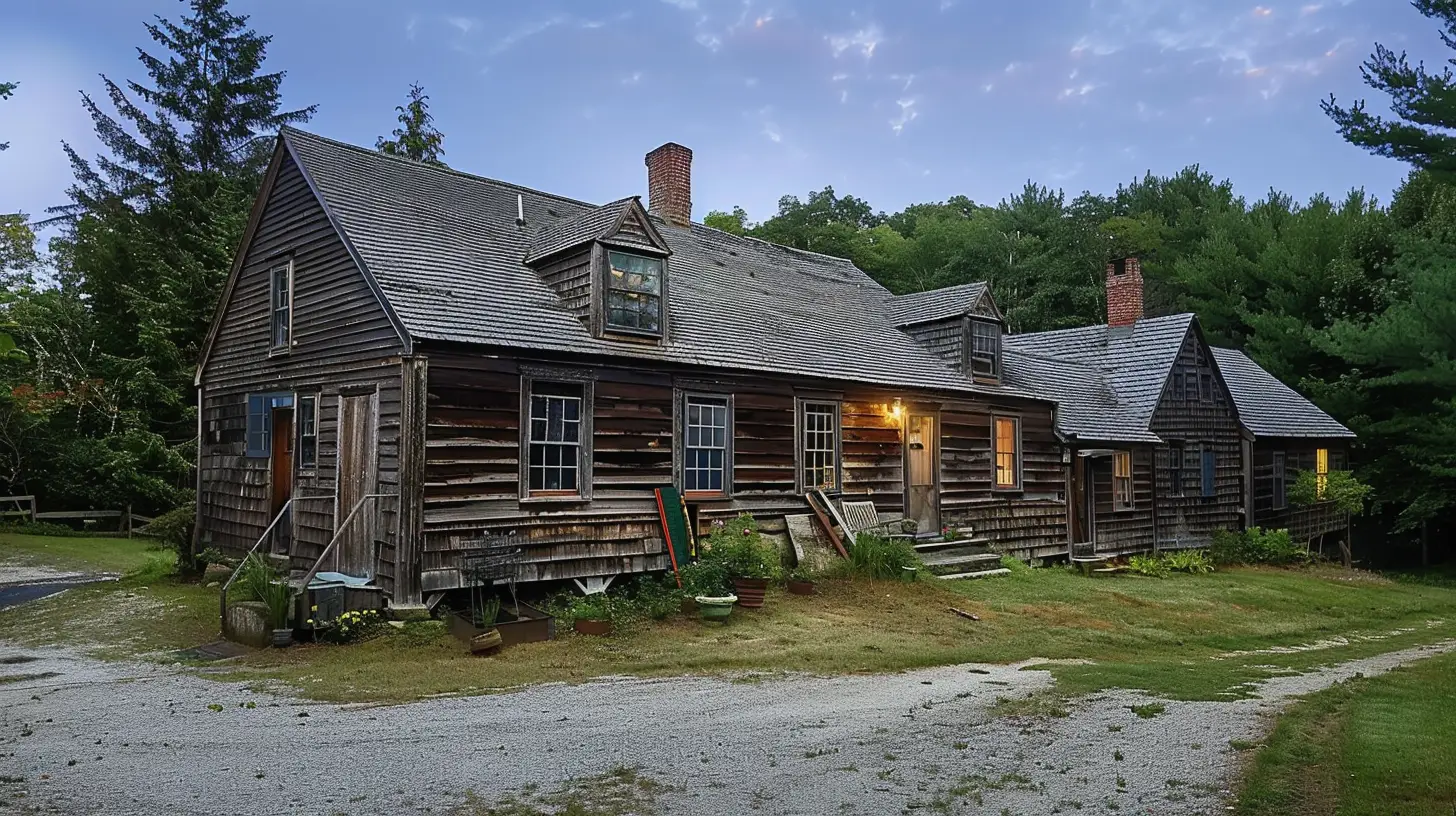
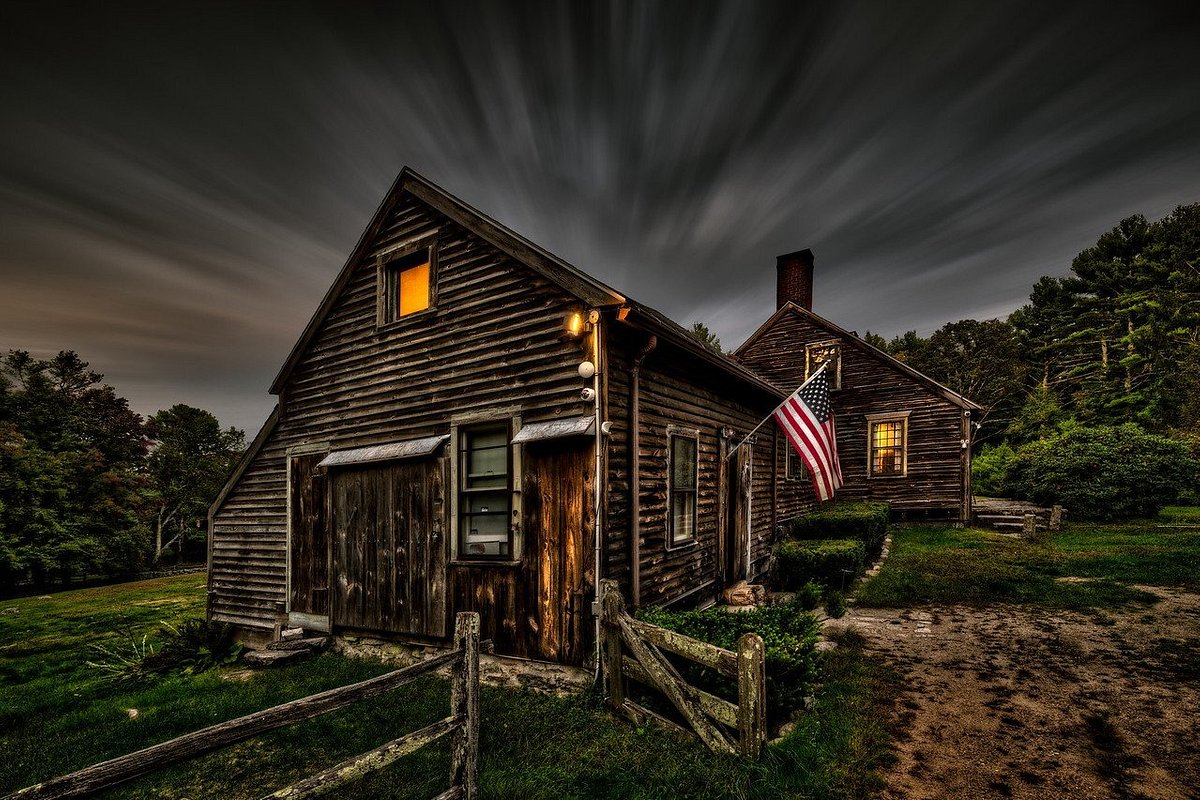
The events that inspired the film took place at a farmhouse in Harrisville, Rhode Island, known historically as the Old Arnold Estate. Located at 1677 Round Top Road, the real house differs significantly in appearance from its cinematic counterpart.
Architectural History and the Perron Family
The real house was built circa 1736. It is a traditional New England farmhouse with a much more compact, saltbox-style design than the grander, sprawling house seen in the movie. The Perron family—Roger, Carolyn, and their five daughters—moved into the home in January 1971. They lived there for approximately ten years, during which they claimed to experience a decade of hauntings ranging from benign spirits to the malevolent presence of Bathsheba Sherman.
Unlike the movie, which condenses the timeline of the Warrens’ investigation into a few weeks or months, Ed and Lorraine Warren actually visited the house several times over several years. The real Perron family has maintained for decades that while the movie took "creative liberties" with the ending, the atmosphere of fear they experienced was very real.
Ownership and the 2022 Sale
For many years after the Perrons left, the house remained a private residence. However, the release of the film in 2013 changed the property's trajectory forever. Previous owners, such as Norma Sutcliffe, reported that the house became a target for trespassers and amateur ghost hunters, leading to multiple lawsuits against Warner Bros. for the disruption caused by the film's success.
In 2019, the house was purchased by Cory and Jennifer Heinzen, who opened the property for paranormal investigations and tours. This marked the transition of the site from a private home to a commercial enterprise. In May 2022, the property was sold again, this time to real estate developer Jacqueline Nuñez for $1.525 million—far above the typical market value for a home of its size in Harrisville, reflecting its "fame" as a cultural landmark.

Comparing the Locations: Film vs. Reality
To understand the scope of the two properties, it is helpful to compare the technical and historical aspects of the filming location and the actual historical site.
| Feature | The Movie House (Filming Location) | The Real House (Historical Site) |
|---|---|---|
| Location | Currie, North Carolina | Harrisville, Rhode Island |
| Address | 405 Canetuck Road (Exteriors) | 1677 Round Top Road |
| Date Built | Circa 1860s | Circa 1736 |
| Architectural Style | Two-story Traditional Farmhouse | New England Saltbox/Farmhouse |
| Primary Use | Private Residence / Film Set | Paranormal Tourism / Historical Site |
| Accessibility | Strictly Private (No Tours) | Open for Tours/Overnight Stays |
| The "Tree" | Prop (Built for the film) | Natural landscape (No iconic "hanging tree") |
| Number of Rooms | Modified for filming / Studio sets | 14 Rooms (8.5 acres of land) |
The Impact of the Film on the Real Property
As of 2026, the real house in Rhode Island has become one of the most famous paranormal locations in the world. Under the ownership of Jacqueline Nuñez and her team, the property has been institutionalized as a site for "investigative tourism."
Paranormal Tourism and Regulations
The current operations at the Harrisville house are strictly regulated. Because the home is located in a quiet residential area, the owners must balance the high demand for tours with the rights of their neighbors. Visitors cannot simply drive up to the house; most visits must be pre-booked months in advance. The business offers:
- Daytime Tours: Guided walks through the house explaining the Perron family history and the Warrens' involvement.
- Overnight Investigations: Professional and amateur ghost hunting groups can rent the entire house to conduct their own research using electromagnetic field (EMF) detectors and other equipment.
- Live Stream Events: The house has been featured in numerous televised specials and "live-hunts" on social media platforms.
The Legend of Bathsheba Sherman
The primary antagonist of the film, Bathsheba Sherman, was a real woman who lived on a neighboring farm in the 19th century. However, historical records do not support the film's characterization of her as a witch who sacrificed infants. Local historians in Burrillville have often pointed out that while she was a real person, the "legend" surrounding her was largely popularized by the Perron family’s accounts and the Warrens' subsequent investigation. Despite this, the site remains inextricably linked to her name in the public consciousness.
Challenges of Filming in Real "Haunted" Locations
A common question is why James Wan didn't simply film at the real house in Rhode Island. Beyond the logistical issues of space and lighting mentioned earlier, there are legal and psychological factors involved in filming at a site of alleged trauma.
The Sutcliffe Lawsuit
In 2015, the then-owners of the Rhode Island house, Norma Sutcliffe and Gerald Helfrich, sued Warner Bros. and director James Wan. They alleged that the film had turned their lives into a "living nightmare." Fans of the movie were constantly trespassing, leaving "sacrifices" on their porch, and attempting to break in.
This lawsuit is a major reason why modern film productions often avoid using real addresses or easily identifiable homes for horror movies. By using a house in North Carolina and creating studio sets, the production could work in peace, although the North Carolina house has also faced its own share of unwanted attention from fans over the last decade.
Replicating the 1970s Aesthetic
Filming in North Carolina allowed the production to curate a specific "look" for the 1971 setting. The real Rhode Island house had undergone various renovations over the centuries, including modern plumbing and electrical updates that would have been expensive to "undo" for a period film. In the studio, the team could build a version of the house that felt authentically trapped in time, with the specific avocado greens and harvest golds of the early 70s palette.
Production Secrets: The Black River and the Basement
One of the most effective elements of the film is the proximity of the house to a body of water. In the movie, the girls find the boarded-up basement entrance near the lake. In reality, the Currie, North Carolina house sits near the Black River.
The river provided a natural fog and a damp, oppressive atmosphere that the cinematography team, led by John R. Leonetti, utilized to enhance the film’s color grading. The "basement" entrance seen from the outside was a facade built onto the side of the North Carolina house. In reality, the "well" and the "secret cellar" were constructed inside EUE/Screen Gems Studios, allowing the actors to perform in a safe, controlled environment while maintaining the illusion of a subterranean space.
Visiting the Locations in 2026
If you are planning a trip to see where The Conjuring was filmed or where the real story took place, it is important to know the current status of these locations.
- The Movie House (Currie, NC): This is a private residence. It is not open to the public, and the owners are reportedly very protective of their privacy. Fans are discouraged from visiting, as the house is on private land and cannot be seen clearly from public roads.
- The Real House (Harrisville, RI): This is a commercial business known as "The Conjuring House." You can book tours and overnight stays via their official website. It is located at 1677 Round Top Road, Burrillville, RI.
- The Studio (Wilmington, NC): While EUE/Screen Gems is a working studio and generally closed to the public for walk-in tours, the Wilmington area has many "film trail" tours that point out various locations used in The Conjuring and other famous productions like Iron Man 3 and Scream (2022).
Frequently Asked Questions
Is the real house from The Conjuring still standing?
Yes, the real house where the Perron family lived is still standing at 1677 Round Top Road in Harrisville, Rhode Island. It is a private historic home that operates as a paranormal museum and event space.
Why was The Conjuring filmed in North Carolina instead of Rhode Island?
The decision was primarily based on North Carolina's film tax incentives, which were very favorable in 2012. Additionally, Wilmington offered world-class soundstages at EUE/Screen Gems Studios, which were necessary for building the elaborate interior sets and performing stunts.
Can you stay the night in the real Conjuring house?
As of 2026, yes. The current owner, Jacqueline Nuñez, continues to offer overnight stays for paranormal investigators and fans. These sessions are usually booked out months or even years in advance and have strict rules regarding conduct and safety.
Is the tree from the movie real?
No, the large, creepy tree used for the "Bathsheba" scene was a prop constructed by the film's production design team. It was made of steel and plaster. While there are many trees on the North Carolina property, none possessed the specific look the director wanted.
Did the Perron family help with the movie?
Yes, several members of the Perron family, including Andrea Perron (who wrote a book about the experience), were consultants on the film. They even visited the set in North Carolina during production. According to reports from the set, several "strange occurrences" happened during their visit, including a sudden strong wind that only affected the area where the family was standing.
Final Recommendation
For those interested in the history and making of The Conjuring, the best course of action is to separate the cinematic experience from the historical one. If you want to see the "look" of the movie, look for behind-the-scenes documentaries about the Wilmington, NC production. If you are interested in the actual hauntings and the Perron family's history, a visit to The Conjuring House in Rhode Island is the only way to experience the original location. Always remember to respect the privacy of private homeowners in North Carolina and follow the strict booking guidelines for the Rhode Island site to ensure the preservation of the property for future enthusiasts.
Image Gallery
Select an image to open it in a new tab.


Omar Farooq
EdTech Innovation and Virtual Pedagogy Journalist
