Understanding the Mortgage Loan Interest Rate in India: A Comprehensive Guide for 2026

The mortgage loan interest rate in India is the percentage of the principal amount that a lender charges a borrower for a loan secured by residential or commercial property. These rates are primarily influenced by the Reserve Bank of India’s (RBI) repo rate, the bank's internal cost of funds, and individual risk profiles, such as the borrower’s credit score and debt-to-income ratio.
For prospective homeowners and property investors in 2026, navigating the landscape of mortgage interest rates requires a firm grasp of how monetary policy translates into monthly financial obligations. Whether you are applying for a home loan for the first time or looking to refinance an existing debt, understanding the mechanics behind these percentages is essential for long-term financial planning.
The Foundation: How Interest Rates Are Determined in India
In India, mortgage interest rates are rarely static. They are governed by a complex interplay of macroeconomic factors and internal banking benchmarks. Since October 2019, the RBI has mandated that all floating-rate retail loans, including mortgages, be linked to an External Benchmark Lending Rate (EBLR).
The Role of the Repo Rate
The repo rate is the interest rate at which the RBI lends money to commercial banks. When the RBI increases the repo rate to combat inflation, banks almost immediately increase their EBLR, leading to higher mortgage interest rates. Conversely, when the economy requires stimulus, the RBI may lower the repo rate, which theoretically allows banks to pass on lower interest costs to borrowers.
The Spread and Risk Premium
While the repo rate serves as the anchor, the actual interest rate you pay is calculated as: EBLR + Spread + Risk Premium = Effective Interest Rate
The "spread" is a fixed margin decided by the bank, covering operational costs and profit. The "risk premium" is dynamic and depends heavily on your profile. Factors such as your CIBIL score (credit history), employment type (salaried vs. self-employed), and the loan-to-value (LTV) ratio play a significant role in determining this premium. A borrower with an excellent credit score above 750 may secure a loan at the lowest possible spread, while a borrower with a lower score may face a higher risk premium.
Fixed vs. Floating Interest Rates
A critical decision for any borrower is choosing between a fixed and a floating interest rate. Each carries distinct implications for your budget over a multi-decade loan tenure.
Floating Interest Rates
Most mortgage loans in India are floating. This means your interest rate fluctuates in tandem with the bank’s benchmark (EBLR).
- Pros: When interest rates in the economy trend downward, your EMI or loan tenure decreases automatically.
- Cons: You are exposed to interest rate risk. If the RBI hikes rates significantly, your repayment burden increases.
Fixed Interest Rates
Though less common in the Indian market, some institutions offer fixed rates for a specific period (e.g., the first 3 to 5 years) or for the entire duration of the loan.
- Pros: Provides payment certainty and protection against market volatility.
- Cons: These loans usually come with a higher initial interest rate compared to floating loans and may carry prepayment penalties.
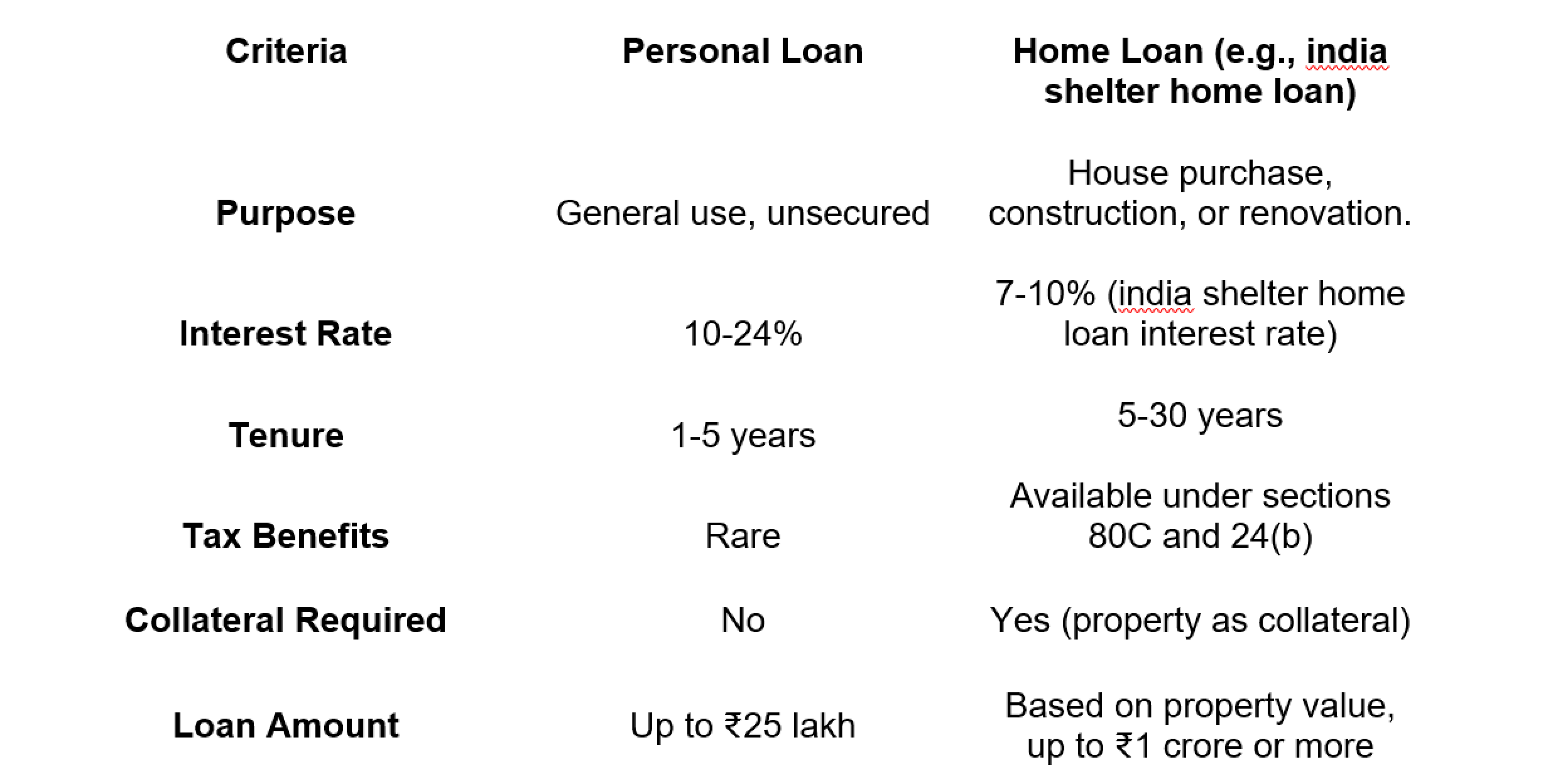
Key Factors Influencing Your Personal Interest Rate
Even when the market-wide interest rates are stable, your personal offer can vary significantly based on specific variables.
1. Credit Score (CIBIL Score)
In 2026, Indian lenders place extreme weight on your CIBIL score. A score of 750 or higher is typically considered the "gold standard" for accessing the lowest interest rates. Lenders view high scores as indicators of low default risk.
2. Loan-to-Value (LTV) Ratio
The LTV ratio is the percentage of the property value that the bank is willing to finance. If you contribute a higher down payment (thus lowering the LTV), the bank perceives less risk, which can occasionally lead to a more competitive interest rate offer.
3. Employment Status
Lenders often differentiate between salaried individuals and self-employed professionals. Salaried applicants are typically viewed as lower-risk due to the consistency of their monthly income, often allowing them to secure slightly better rates compared to self-employed individuals, whose income might be more variable.
4. Property Location and Type
The nature of the property matters. A ready-to-move-in residential apartment in a tier-1 city often attracts better financing terms than an under-construction property in a peripheral area, as the former represents lower collateral risk for the lender.
Comparison Table: Influencing Factors on Mortgage Costs
| Factor | Impact on Interest Rate | Why? |
|---|---|---|
| High CIBIL Score (>750) | Lowers Rate | Indicates lower default probability. |
| Lower LTV Ratio | Potential Discount | Reduces the lender’s financial exposure. |
| Floating Rate | Market-Linked | Subject to RBI repo rate adjustments. |
| Salaried Employment | Often Preferential | Viewed as more stable/predictable income. |
| Top-Tier Property | Lower Risk | Easier for banks to liquidate if needed. |
The Mechanics of EMI and Amortization
Understanding the interest rate is only half the battle; you must also understand how that rate is applied to your Equated Monthly Installment (EMI). The EMI comprises both the principal repayment and the interest component.
During the initial years of your mortgage, the interest component forms the bulk of your EMI. As you continue to make payments and reduce the principal, the interest component decreases, and more of your EMI goes toward paying off the principal. This process is known as amortization. If your interest rate rises, the bank may increase your EMI or extend your loan tenure to account for the additional interest accrued.
Common Mistakes to Avoid
- Ignoring the Processing Fees: Many borrowers focus exclusively on the interest rate while ignoring high processing fees, legal charges, and technical inspection costs. Always calculate the Annual Percentage Rate (APR), which includes these additional costs, to get a true picture of the loan's cost.
- Underestimating the Impact of Prepayment: Many borrowers fail to check the prepayment policy of their loan. In India, floating-rate home loans are generally exempt from prepayment penalties (as per RBI guidelines), but it is vital to confirm this with your specific lender. Making periodic prepayments can drastically reduce the total interest paid over the life of the loan.
- Failing to Negotiate: Banks are often willing to waive processing fees or offer slightly better interest rate spreads for high-value customers or those with strong credit profiles. Never accept the first offer without inquiry.
Frequently Asked Questions
Does the RBI set the interest rate for my individual home loan?
No. The RBI sets the repo rate, which banks use as a benchmark. Each bank then adds its own "spread" and "risk premium" to arrive at the final rate they offer you. This is why different banks may offer different rates even when the repo rate is the same.
Can I switch my mortgage loan to another bank for a better rate?
Yes, this is called balance transfer. If another bank offers a lower interest rate, you can move your outstanding loan balance to them. Before doing this, ensure the savings from the lower interest rate exceed the costs of switching, which may include new processing fees and administrative expenses.
What is the difference between EBLR and MCLR?
EBLR (External Benchmark Lending Rate) is tied to external factors like the repo rate, making it more transparent and responsive to RBI policy. MCLR (Marginal Cost of Funds Based Lending Rate) is an older internal benchmark that is less transparent and often slower to adjust to market changes. Most new retail loans in 2026 are mandated to be on EBLR.
How often do banks revise floating interest rates?
Banks typically review and reset interest rates for floating loans at fixed intervals, often once every three months or annually, depending on the terms of your loan agreement and the movement of the external benchmark.
Should I prioritize a lower interest rate or a longer tenure?
A longer tenure lowers your monthly EMI but increases the total interest you pay over the life of the loan. A shorter tenure increases your EMI but reduces your total interest burden. Choose based on your current cash flow stability versus your long-term goal of debt reduction.
Recommendation for Borrowers
Before finalizing a mortgage, obtain quotes from at least three different lenders, including both public and private sector banks. Utilize an online EMI calculator to visualize how different interest rate scenarios—including potential rate hikes—would impact your monthly budget.
If you have a strong credit score, leverage it during negotiations to request a reduction in the bank’s spread. Once your loan is active, prioritize making occasional prepayments during your career peak years to shorten the tenure, which is the most effective way to combat the cumulative cost of interest in the Indian mortgage market.
Image Gallery
Select an image to open it in a new tab.

Omar Farooq
EdTech Innovation and Virtual Pedagogy Journalist
