Understanding the Florida Shooting in Parkland: Context, Impact, and Institutional Response
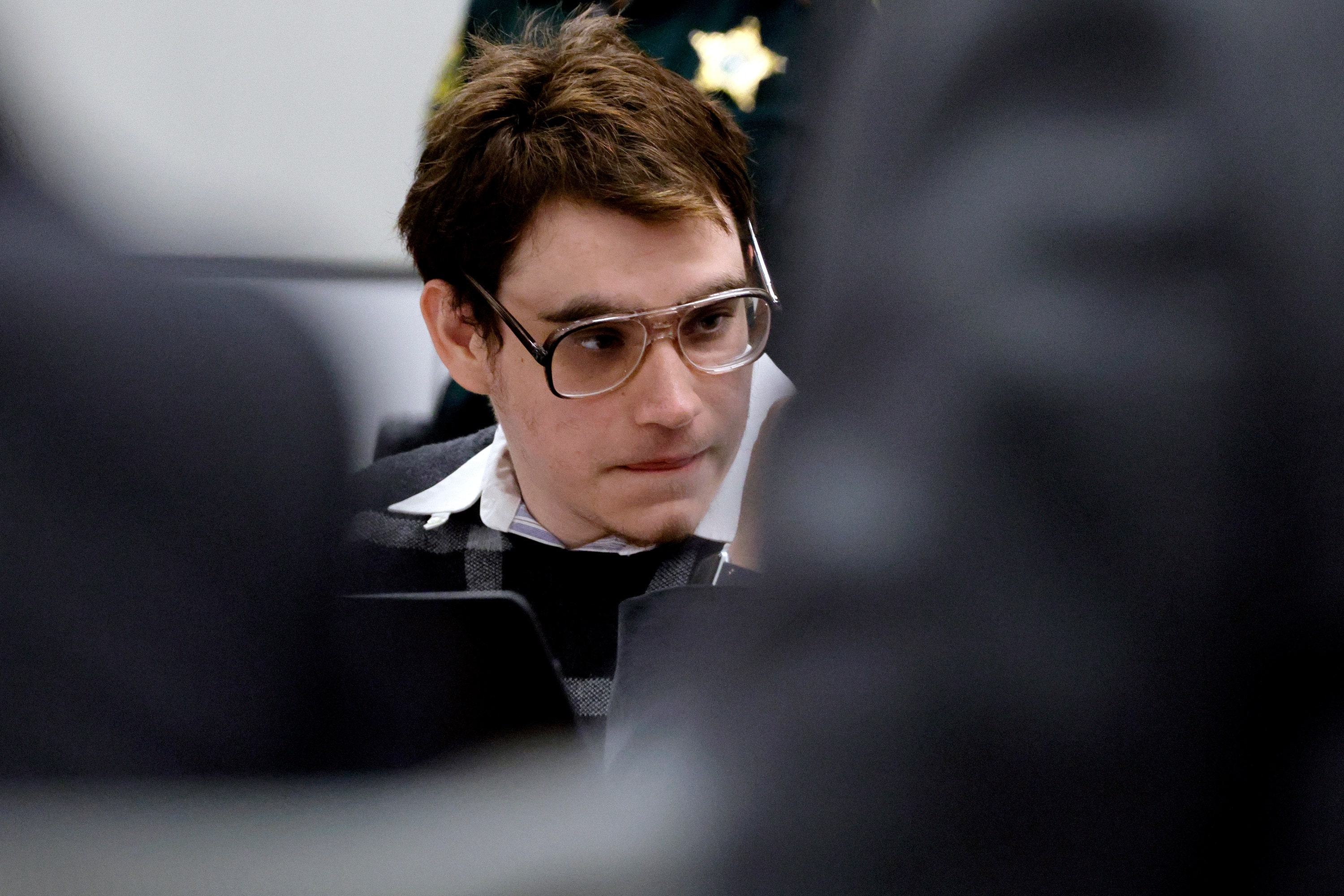
The February 14, 2018, mass shooting at Marjory Stoneman Douglas High School in Parkland, Florida, stands as one of the deadliest school massacres in modern United States history. A former student killed 17 people and injured 17 others, triggering widespread public outcry, intense legal proceedings, systemic policy evaluations, and a youth-led national movement for gun reform.
Historical Context and Overview of the Incident
On Valentine’s Day in 2018, a 19-year-old former student entered the campus of Marjory Stoneman Douglas High School in Parkland, Broward County, Florida, armed with a semi-automatic rifle. Over the course of several minutes, the gunman moved through the 1200 building of the campus, targeting students and staff members indiscriminately before fleeing the scene. Law enforcement apprehended the suspect approximately an hour later in a nearby residential area.
The tragedy immediately commanded global attention, laying bare systemic vulnerabilities in school safety protocols, local law enforcement response procedures, and mental health intervention frameworks. Official investigations commissioned in the wake of the incident documented numerous points of failure across multiple institutions, including the Broward Sheriff's Office and the local school district, which had interacted with the perpetrator multiple times prior to the shooting without taking preventive action.
Timeline of Key Events
Understanding the trajectory of the Parkland shooting requires examining the sequence of events from the initial warning signs to the legal conclusion of the case.
- Pre-Incident Indicators: The perpetrator exhibited erratic, threatening, and violent behavior for years, prompting numerous tips to local law enforcement and the Federal Bureau of Investigation (FBI), none of which resulted in a formal intervention or arrest under state laws.
- The Attack (February 14, 2018): The shooter arrived at Marjory Stoneman Douglas High School via an Uber, walked onto the campus unobstructed through an open gate, and entered the 1200 building, opening fire inside classrooms and hallways.
- Initial Response and Apprehension: Local law enforcement and school resource officers faced severe criticism for failing to immediately enter the building to engage the shooter. The suspect blended into fleeing students and was captured off-campus shortly afterward.
- Legal Proceedings (2021–2022): The gunman pleaded guilty in October 2021 to 17 counts of premeditated murder and 17 counts of attempted murder. A Broward County jury deliberated in late 2022, ultimately sentencing him to life in prison without the possibility of parole rather than the death penalty.
Institutional Failures and Commission Findings
In the aftermath of the shooting, then-Florida Governor Rick Scott established the Marjory Stoneman Douglas High School Public Safety Commission. This investigative body comprised law enforcement professionals, mental health experts, educators, and parents of victims tasked with determining how the tragedy occurred and how to prevent future occurrences.
The Commission's findings detailed an institutional breakdown. Security measures at the school were found to be porous; gates were left unlocked or unmanned, and exterior doors lacked proper access controls. Furthermore, the Commission highlighted critical communication failures between the Broward Sheriff’s Office and school administrators, as well as missed opportunities by the FBI and local police to act on specific tips regarding the shooter’s online threats and volatile behavior.
Systemic Breakdown Areas
| Institution / Entity | Identified Vulnerabilities | Corrective Mandates Implemented |
|---|---|---|
| Law Enforcement | Delayed tactical entry; failure to establish a unified command structure immediately. | Mandatory active-shooter response training for all deputies and officers; revised tactical protocols. |
| School District | Unlocked campus gates; delayed notification systems; inconsistent disciplinary reporting. | Mandatory single-point-of-entry architecture; locked exterior doors during instructional hours. |
| Mental Health & Reporting | Failure to share behavioral threat data across agencies; lack of coordinated intervention. | Establishment of the SESIR (School Environmental Safety Incident Reporting) and threat assessment teams in every school. |

Legislative and Policy Changes in Florida
The Parkland shooting fundamentally reshaped the legislative landscape in Florida, traditionally known for its permissive gun laws. Spurred by relentless advocacy from student survivors and victims' families—who formed groups such as March For Our Lives—the Florida Legislature passed the Marjory Stoneman Douglas High School Public Safety Act in March 2018.
This sweeping bipartisan legislation introduced several unprecedented measures for the state:
- Raised Firearm Purchase Age: The legal age to purchase any firearm in Florida was raised from 18 to 21.
- Waiting Periods: A mandatory three-day waiting period or the completion of a hunting license/safety course was implemented for all firearm purchases.
- Bump Stock Ban: The law prohibited the sale, transfer, or possession of bump stocks and other rapid-fire modification devices.
- Risk Protection Orders: Commonly known as "red flag" laws, this provision allowed law enforcement to petition courts to temporarily remove firearms from individuals deemed dangerous to themselves or others.
- The Coach Aaron Feis Guardian Program: Named after an assistant football coach killed while shielding students, the program established a framework allowing trained school staff (excluding full-time classroom teachers in some districts initially, though later expanded) to carry concealed firearms on campus for defense.
The Mental Health Crisis and Community Impact
Beyond the legal and political dimensions, the Parkland shooting deeply traumatized a community and sparked a national conversation regarding youth mental health, trauma recovery, and the psychological toll of recurring school violence.
Survivors, first responders, and families of the victims faced profound grief and post-traumatic stress disorder (PTSD). The tragedy demonstrated that the impact of mass violence extends far beyond physical casualties, permanently altering the educational and social environment for thousands of students.
In response, mental health infrastructure across Florida public schools underwent structural upgrades. The state mandated the provision of dedicated mental health professionals in every school, backed by recurring state funding, and required schools to teach mental health awareness as part of the health curriculum.
Frequently Asked Questions
What was the official casualty count of the Parkland shooting?
The shooting resulted in 17 fatalities—comprising 14 students and 3 staff members—and left 17 others with physical injuries. Numerous additional individuals suffered psychological trauma.
What sentence did the perpetrator receive?
In October 2021, the shooter pleaded guilty to all 17 counts of murder and 17 counts of attempted murder. In October 2022, a Florida jury sentenced him to life imprisonment without the possibility of parole.
What is the Marjory Stoneman Douglas High School Public Safety Act?
Enacted in March 2018, this state law raised the firearm purchase age to 21, instituted a three-day waiting period, banned bump stocks, created red flag laws, and funded expanded school security and mental health resources.
How did the Parkland shooting impact national gun control advocacy?
The tragedy catalyzed a major youth-led political movement, most notably through the creation of March For Our Lives, which organized massive national demonstrations and shifted the national discourse on gun reform, school safety, and legislative accountability.
What physical changes were made to school safety following the event?
Schools statewide implemented mandatory single-point-of-entry policies, locked exterior doors during class hours, installed advanced camera and buzzer systems, and established threat assessment teams to evaluate troubled students.
Next Actions and Ongoing Vigilance
For researchers, educators, and policymakers studying the Parkland shooting, maintaining institutional accountability requires continuous review of threat assessment data, adherence to active-shooter safety drills, and sustained investment in student mental health services. Stakeholders should consult official reports from the Marjory Stoneman Douglas High School Public Safety Commission and monitor ongoing legislative updates regarding school security standards.
Image Gallery
Select an image to open it in a new tab.


Omar Farooq
EdTech Innovation and Virtual Pedagogy Journalist
