
Transferring an investment account involves initiating a "Transfer of Assets" (TOA) through your new brokerage. Using the Automated Customer Account Transfer Service (ACATS), you can move stocks, bonds, and funds "in-kind" without selling them. The process typically takes five to ten business days and requires a recent account statement from your current firm.
Understanding the ACATS Framework in 2026
The backbone of most investment account transfers is the Automated Customer Account Transfer Service (ACATS). Operated by the National Securities Clearing Corporation (NSCC), ACATS is a regulated system that standardizes the transfer of assets between different financial institutions. In 2026, while financial technology has advanced significantly, the fundamental reliance on this centralized system remains the standard for ensuring security and accuracy.
When you initiate a transfer, you are essentially instructing the "receiving firm" (your new broker) to pull assets from the "delivering firm" (your old broker). This is safer and more efficient than withdrawing cash and depositing it manually, as it maintains the "cost basis" of your investments. Maintaining the cost basis is critical for tax reporting, as it ensures you are only taxed on the actual gains achieved since the original purchase of the asset, rather than the total value at the time of the transfer.
FINRA Rule 11870 governs this process, requiring that the delivering firm either validate or protest the transfer request within one business day. If validated, the transfer must be completed within three business days. While the technical transfer is fast, the administrative setup and final "sweeps" of residual dividends often extend the total timeline to about two weeks.
Prerequisites for a Smooth Asset Transfer
Before you click the "Transfer" button on a new platform, you must ensure that your accounts are compatible. A mismatch in account types is the most common reason for a rejected transfer. For example, you cannot transfer assets directly from a traditional IRA at Broker A into a taxable individual brokerage account at Broker B. The account types must match exactly—Traditional IRA to Traditional IRA, Roth IRA to Roth IRA, or Individual to Individual.
Gather the following information before starting:
- Recent Account Statement: You will need the exact account number and the specific name of the delivering institution.
- Asset List: Identify which assets you hold. While most stocks and ETFs transfer easily, some "proprietary" mutual funds or certain low-penny stocks may not be supported by the new brokerage.
- Account Title Consistency: The name on the account at the old firm must match the name on the account at the new firm. If you have moved or changed your name due to marriage, update your records at the old firm first to avoid a "signature mismatch" error.
- Margin Balances and Options: If you have an outstanding margin loan or open option positions, the new broker must first approve you for the same level of margin or options trading before they can accept the transfer.
Step-by-Step Guide to the Transfer Process
Moving your portfolio requires careful coordination. Following these steps ensures that you don't encounter unnecessary delays or unexpected liquidations.
1. Open the New Account
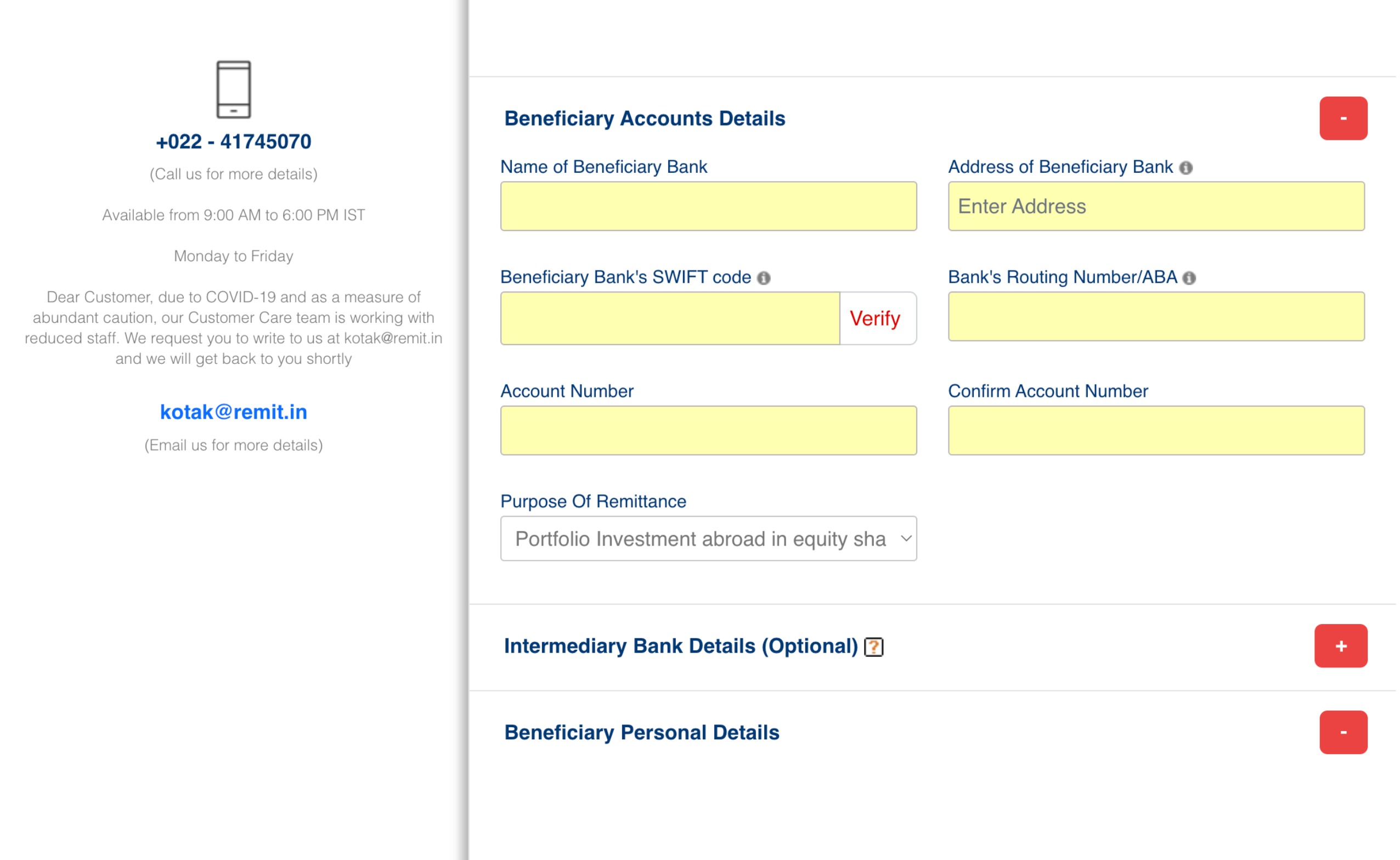
First, establish an account at the destination brokerage. During the setup process, you will be asked if you want to fund the account via a transfer from another institution. Select this option to begin the TOA process. Ensure you select the exact same account type as your existing one.
2. Initiate the Transfer of Assets (TOA)
You will provide the new broker with your old account number and a copy of your most recent statement. Most major brokerages in 2026 use digital upload tools that can parse your statement and automatically populate the necessary ACATS fields. You will decide whether to perform a Full Transfer or a Partial Transfer. A full transfer moves everything and usually closes the old account, while a partial transfer allows you to keep the old account open by moving only specific securities.
3. Review for Non-Transferable Assets
The new broker will review your holdings. If you hold a proprietary fund (for example, a specific bank-branded mutual fund) that the new broker cannot custody, you may be required to liquidate those specific shares into cash before the transfer can proceed. Be aware that liquidating assets in a taxable account triggers a capital gains tax event.
4. The Transfer Window and Trading Freeze
Once the request is validated, the delivering firm will "freeze" your old account. During this period, which usually lasts 3 to 5 business days, you will not be able to buy or sell securities. This prevents the account value from changing mid-transfer, which could cause the ACATS system to fail due to insufficient assets.
5. Post-Transfer Residual Sweeps
After the main bulk of your stocks and cash arrive at the new firm, you might notice small amounts of cash or dividends appearing in your old account. This is normal. Through a process called a "residual sweep," the ACATS system will periodically check the old account for any trailing dividends or interest payments and automatically move them to the new account for several weeks following the initial transfer.
In-Kind vs. Cash Transfers
The primary benefit of a brokerage transfer is the ability to move assets "in-kind." This means your 100 shares of Apple Inc. stay as 100 shares of Apple Inc. throughout the journey. There is no selling or buying involved, which is vital for avoiding taxes and staying invested in the market.
However, some investors choose a Cash Transfer (liquidation). In this scenario, the old broker sells all your positions and sends the cash balance to the new broker.
Comparison of Transfer Methods
| Feature | In-Kind Transfer (ACATS) | Cash Transfer (Liquidation) |
|---|---|---|
| Tax Impact | None (Positions are not sold) | Realized capital gains or losses |
| Time Out of Market | Zero (You remain invested) | Days or weeks (Held in cash) |
| Cost Basis | Transferred automatically | Reset to the new purchase price |
| Asset Support | Limited by receiving broker's list | Universal (Cash is always accepted) |
| Fractional Shares | Usually liquidated to cash | Always liquidated to cash |
Costs, Fees, and Reimbursements
While the receiving broker is usually happy to have your business and will not charge you a fee to join, the delivering broker—the one you are leaving—will almost certainly charge an ACATS Outbound Transfer Fee. As of 2026, this fee typically ranges between $50 and $125 per account.
Many large brokerages offer fee reimbursement programs. If you are transferring a significant balance (often $10,000 or more), the new broker will often credit your account for the fee charged by your old firm. To claim this, you usually need to provide a copy of your final statement from the old broker showing the fee.
Other potential costs include:
- Liquidation Fees: Charges for selling proprietary funds or fractional shares.
- Termination Fees: Some IRA custodians charge a "closing fee" specifically for retirement accounts.
- Reorganization Fees: If a stock you hold is undergoing a split or merger during the transfer, you might see small administrative charges.
Tax Considerations and IRA Rollovers
If you are transferring a taxable brokerage account, the most important factor is the cost basis. Under the "Cost Basis Reporting" laws, brokers are required to share this data. It may take an additional 15 days after the assets arrive for the cost basis information to populate in your new account dashboard. Do not sell assets until you verify that the cost basis has been correctly recorded, as this prevents errors on your 1099-B tax form.
For Retirement Accounts (IRAs), a transfer is not a "rollover" in the eyes of the IRS. A trustee-to-trustee transfer does not count against your annual contribution limit, and it is not a reportable event for tax purposes. This is the preferred way to move retirement money. If you were to take a check in your own name and deposit it yourself, you would be performing a "60-day rollover," which is subject to strict IRS rules and can only be done once per 12-month period.
For more information on the legalities of retirement transfers, refer to the IRS Publication 590-A regarding contributions to individual retirement arrangements.
Common Obstacles and Troubleshooting
Transfers can occasionally fail or get delayed. Understanding the common "snags" can help you avoid them:
- Fractional Shares: Most brokers cannot custody fractional shares via ACATS. If you own 10.5 shares of a stock, the 10 whole shares will move in-kind, while the 0.5 share will be sold by your old broker, and the cash proceeds will follow in a residual sweep.
- Unsettled Trades: If you bought a stock yesterday and try to transfer the account today, the transfer will likely fail. You must wait for all trades to settle (usually T+1, or one business day) before initiating the move.
- Beneficiary Mismatch: On IRA accounts, ensure your beneficiary designations are set up on the new account. Beneficiary information does not transfer automatically through ACATS.
- Margin Debit Balances: If you owe money to your old broker, you must either deposit cash to cover it or ensure your new broker is willing to "take over" the margin loan. If the new broker has stricter margin requirements, they may reject the transfer.
Frequently Asked Questions
How long does it actually take to transfer an investment account?
In 2026, the standard timeframe is 5 to 10 business days for a full ACATS transfer. While the assets usually appear in the new account within 3 to 5 days, it takes several more days for the cost basis data to sync and for the old account to be officially closed.
Will I lose money during the transfer process?
You do not lose money in terms of value, but you do lose liquidity. Because your account is frozen during the transfer window, you cannot sell your stocks if the market drops or buy if it rises. This "market risk" is the primary trade-off of the transfer process.
Can I transfer crypto assets between brokerages?
This depends heavily on the broker. Many traditional brokerages that offer "closed-loop" crypto (where you can buy and sell but not withdraw) do not support ACATS for digital assets. In these cases, you would have to sell the crypto for cash or move it to a dedicated hardware wallet or crypto-native exchange if supported.
What happens to my dividends that are paid during the transfer?
Dividends paid into your old account after the transfer has started are captured by "residual sweeps." Your new broker will automatically check the old account weekly or monthly for a short period to pull any new cash that arrives.
Do I need to notify my old broker that I am leaving?
No. In fact, it is often better to initiate the transfer through the new broker. The new broker handles the communication via the ACATS system. However, you should check for any "housekeeping" items, such as downloading your past tax statements and trade confirms, as your access to the old portal may be restricted once the transfer is complete.
Practical Recommendation
Before initiating a transfer, contact the "New Accounts" or "Concierge" desk at your destination brokerage. Ask them specifically if they will reimburse your outbound transfer fees and if they can perform a "pre-transfer review" of your current holdings. This review can identify proprietary mutual funds that might trigger unwanted taxes if liquidated. Taking this proactive step can save you over $100 in fees and prevent a surprise tax bill at the end of the year. Once the assets arrive, wait at least two weeks before selling any moved positions to ensure the cost basis has fully migrated and is reflected accurately in your new dashboard.
Image Gallery
Select an image to open it in a new tab.


Simon Caldwell
Enterprise Technology and Systems Editor
