Tilikum is no longer at SeaWorld as a living orca. He passed away on January 6, 2017, at SeaWorld Orlando due to a persistent and complicated bacterial lung infection. Although he is physically gone, his biological legacy remains through his many offspring, and his influence continues to shape SeaWorld’s animal care policies in 2026.
The Final Years and Death of Tilikum
The question of whether Tilikum is still at SeaWorld often stems from his enduring presence in documentaries and the massive public interest that followed the 2013 film Blackfish. However, Tilikum’s life ended nearly a decade ago. At the time of his death in early 2017, he was estimated to be around 35 years old—a significant age for a male orca in captivity, though younger than the average lifespan of many males in the wild.
The cause of death was officially linked to a bacterial pneumonia caused by Mycobacterium avium complex, a group of bacteria related to tuberculosis. These pathogens are notoriously difficult to treat, especially in large marine mammals where oral or injectable antibiotics may struggle to reach the site of a deep-seated lung infection. SeaWorld veterinarians had been treating Tilikum for this chronic condition for over a year before he eventually succumbed.
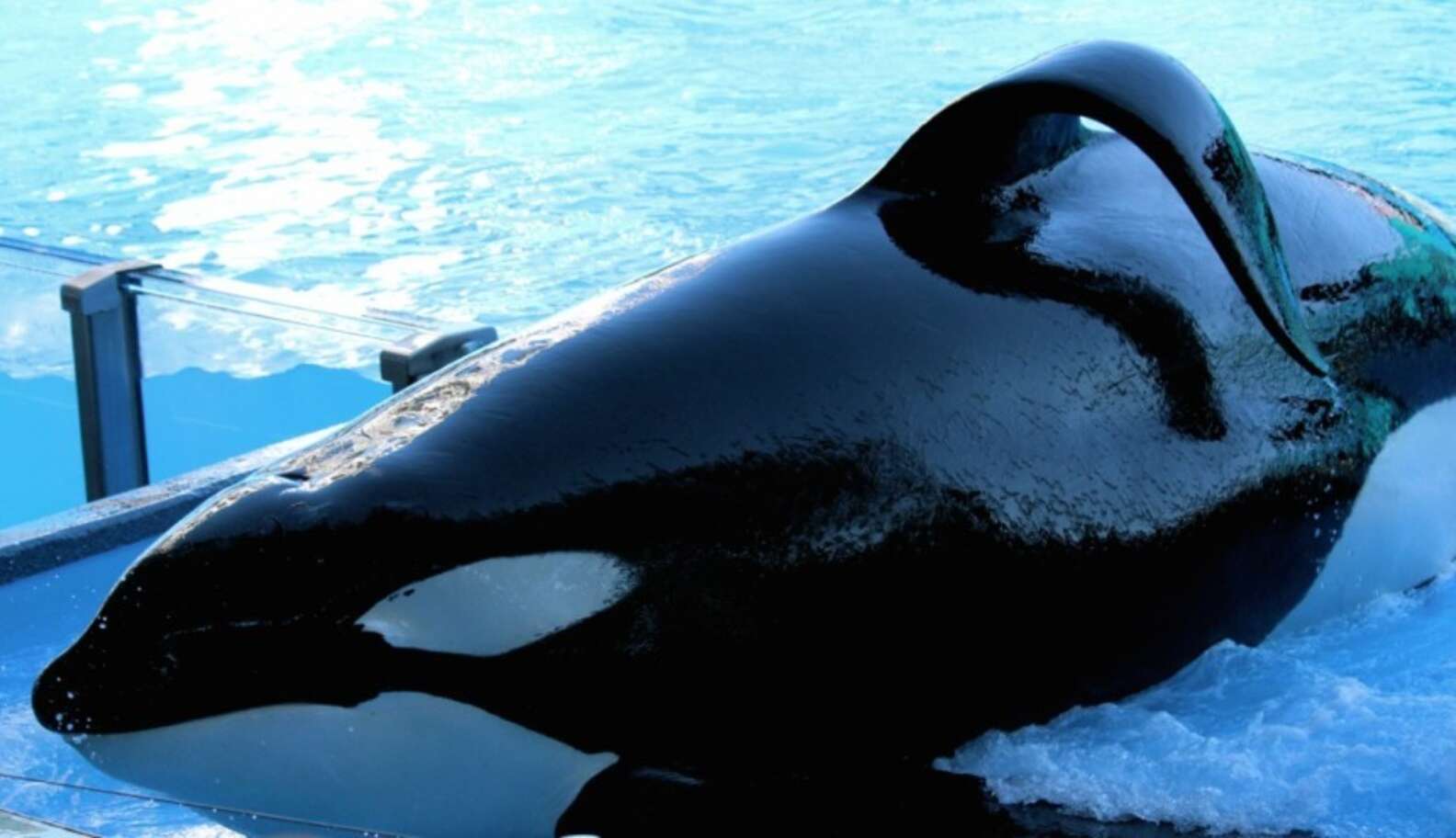
Tilikum's health had been a subject of public concern for years. During his final months, he became increasingly lethargic, spent long periods floating at the surface of his tank (a behavior known as logging), and showed a decreased appetite. His death marked the end of a controversial era for SeaWorld Orlando, as he had been the park's most famous—and infamous—resident for twenty-five years.
The Journey to Orlando: From Iceland to Sealand
To understand Tilikum’s presence at SeaWorld, one must look at his origin. He was captured in November 1983 in the Berufjörður fjord of Iceland. At the time of his capture, he was roughly two years old. He was first sent to Hafnarfjörður Marine Zoo before being sold to Sealand of the Pacific in Victoria, British Columbia, Canada.
At Sealand, Tilikum was kept in a small, darkened steel net pen overnight with two older female orcas, Haida II and Nootka IV. These females were often aggressive toward him, a dynamic exacerbated by the confined space. It was at Sealand that the first of three deaths associated with Tilikum occurred. On February 21, 1991, a young part-time trainer named Keltie Byrne fell into the pool. Tilikum and the two females prevented her from surfacing, leading to her drowning.
Following this incident, Sealand of the Pacific closed its doors, and Tilikum was sold to SeaWorld Orlando in 1992. SeaWorld hoped that his massive size—reaching 22 feet and 12,500 pounds—and his potential for breeding would make him a cornerstone of their Shamu show and breeding program.

The Three Fatal Incidents
Tilikum is widely known as the most dangerous orca ever kept in captivity due to his involvement in three human deaths. While SeaWorld historically maintained that these were "accidents" or the result of trainer error, critics point to the psychological stress of long-term confinement as a primary driver for his aggressive behavior.
- Keltie Byrne (1991): As mentioned, Byrne drowned at Sealand of the Pacific after being pulled into the water by Tilikum and the other orcas.
- Daniel P. Dukes (1999): A 27-year-old man hid in the park after hours and entered Tilikum’s tank. He was found dead the next morning, draped over Tilikum’s back. While the official cause of death was drowning, Dukes’ body showed significant post-mortem trauma, including mutilation.
- Dawn Brancheau (2010): This is the most famous incident. During a "Dine with Shamu" session, Tilikum pulled veteran trainer Dawn Brancheau into the water by her ponytail. The attack was violent and sustained, resulting in Brancheau's death from blunt force trauma and drowning.
The death of Dawn Brancheau was a turning point. It led to an investigation by the Occupational Safety and Health Administration (OSHA), which eventually resulted in a permanent ban on trainers entering the water with orcas during shows. This ruling fundamentally changed the nature of SeaWorld’s theatrical performances.
The "Blackfish" Effect and the Shift in Public Perception
The 2013 documentary Blackfish used Tilikum as its central figure to argue against the ethics of keeping orcas in captivity. The film hypothesized that Tilikum’s "psychosis" was a direct result of his capture and subsequent living conditions. The documentary was a massive cultural phenomenon, leading to a significant drop in SeaWorld’s attendance and stock price—a phenomenon often referred to as the "Blackfish Effect."
In response to the mounting pressure, SeaWorld announced several major policy shifts in 2016:
- The End of Breeding: SeaWorld announced it would end its orca breeding program immediately. This means the orcas currently at the parks (as of 2026) are the last generation that will ever live at SeaWorld.
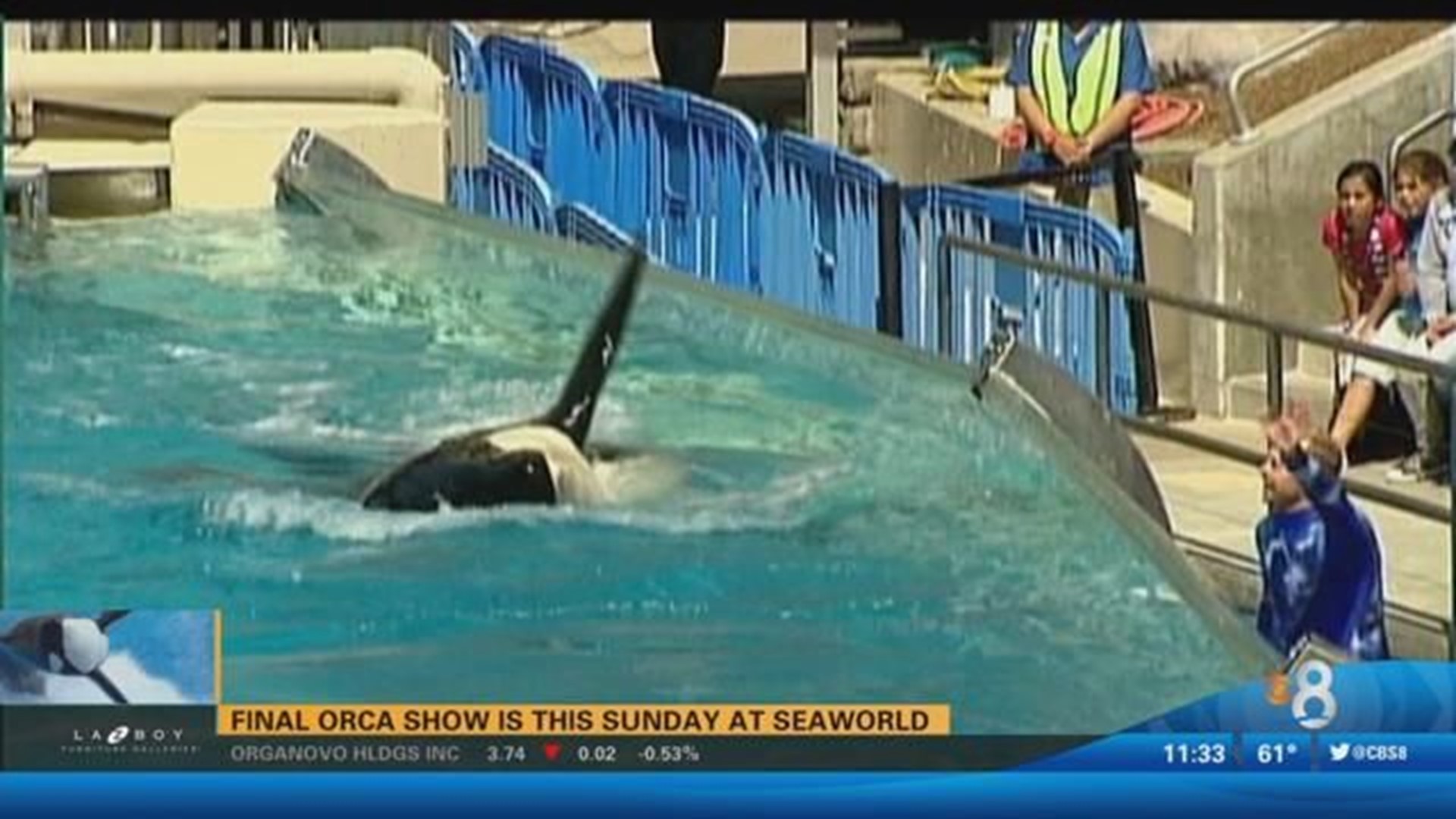
- The End of Theatrical Shows: The "One Ocean" show, which featured high-energy stunts and loud music, was phased out in favor of "Orca Encounter," a more educational presentation focused on natural behaviors.
- Habitat Improvements: The company committed to investing in more naturalistic environments, although these fell short of the "sea sanctuaries" demanded by activists.
Tilikum’s Biological Legacy: The Breeding Program
Even though Tilikum is gone, his genetics are present in the majority of the orcas living at SeaWorld today. Because of his size and temperament (when not aggressive), he was a primary stud for the park’s artificial insemination program.
Tilikum sired a total of 21 calves throughout his life, though not all survived to adulthood. His offspring include:
- Tuar: Residing at SeaWorld San Antonio.
- Tekoa: Residing at Loro Parque (under SeaWorld’s previous influence).
- Makaio: Tilikum’s last calf, born to Katina in 2010.
- Nalani: A female residing at SeaWorld Orlando.
By siring so many calves, Tilikum’s genetic lineage is inextricably linked to the future of the captive orca population in the United States. As of 2026, his grandchildren and great-grandchildren are among the orcas still being cared for at the parks.
Comparison of Captive Orca Standards: Then vs. Now
The standards for orca care have undergone a radical transformation from the time Tilikum arrived in Orlando to the current year, 2026. The following table highlights the shifts in management and safety.
| Feature | The Tilikum Era (1992–2010) | Modern Era (2026) |
|---|---|---|
| Water Work | Trainers regularly swam with orcas during shows. | Strict "no-water" policy for all trainers. |
| Breeding | Active breeding via artificial insemination. | Permanent end to all breeding programs. |
| Show Style | Theatrical, stunt-heavy, and entertainment-focused. | Educational, focusing on natural history and health. |
| Safety Barriers | Limited physical barriers during interactions. | Significant investment in fast-rising floors and barriers. |
| Public Interaction | "Dine with Shamu" included close-proximity stunts. | Interactions are strictly observed from a safe distance. |
| Genetic Diversity | Heavily reliant on Tilikum’s lineage. | Focus on maintaining the health of the remaining "last generation." |
Health Management of Captive Orcas
The Mycobacterium infection that killed Tilikum remains a significant concern for marine mammal veterinarians. In captivity, orcas are susceptible to respiratory infections because they spend more time at the surface than their wild counterparts, exposing them to different air quality and pathogens.
In 2026, SeaWorld uses advanced diagnostic tools to monitor the health of the remaining orcas. These include:
- Voluntary Chuff Samples: Trainers teach orcas to exhale forcefully onto a petri dish (a "chuff"), allowing veterinarians to analyze the microbial flora of the lungs.
- Ultrasound and Endoscopy: Routine imaging of the lungs and stomach to detect early signs of inflammation or infection.
- Blood Chemistry: Frequent blood draws from the fluke veins to monitor white blood cell counts and hydration levels.
Despite these advancements, the reality of captive orcas is that they often face dental issues (from gnawing on concrete tanks) and chronic infections that are less common in the wild.
The Debate Over Sea Sanctuaries
With Tilikum’s death, the conversation shifted from "should he be released?" to "what happens to the ones left?" Activists have long called for the remaining orcas to be moved to sea sanctuaries—netted-off coastal bays where the whales could live in a more natural environment while still receiving human care.
SeaWorld has consistently opposed this, citing the risks of transporting the animals and the potential for exposure to toxins and diseases in open ocean water. In 2026, the remaining orcas at SeaWorld Orlando, San Diego, and San Antonio continue to live in their concrete tanks, viewed by the company as the safest environment for animals that have never lived in the wild.
Frequently Asked Questions
Did Tilikum kill Dawn Brancheau on purpose?
While "purpose" is a difficult human concept to apply to an animal, experts in the Blackfish documentary argued that Tilikum’s actions were a manifestation of extreme frustration and boredom. Unlike a predatory attack where an animal eats its prey, the incident with Brancheau was described as a prolonged, aggressive interaction that suggested a psychological break.
How old was Tilikum when he died?
Tilikum was approximately 35 years old. In the wild, male orcas have an average life expectancy of 30 to 50 years, with some living up to 60 or 70. In captivity, however, many males have historically died in their teens or twenties, making Tilikum one of the older captive males at the time of his passing.
Can you still see Tilikum's offspring at SeaWorld?
Yes. Several of Tilikum's children and grandchildren are currently housed at SeaWorld's three U.S. parks. For example, Makaio and Nalani are often visible at the Orlando park. They are part of the "last generation" of orcas at SeaWorld.
Where is Tilikum buried?
SeaWorld generally does not release information regarding the final disposition of their animals' remains. Following a necropsy (an animal autopsy) to determine the exact cause of death, the remains are typically cremated or disposed of in accordance with federal regulations for marine mammal carcasses. There is no public grave or memorial site at the park.
Has SeaWorld replaced Tilikum with another orca?
No. Following the 2016 announcement to end breeding and the cessation of orca captures from the wild decades ago, SeaWorld has not acquired any new orcas. The population is slowly decreasing through natural attrition.
Final Recommendation for Readers
If you are interested in the legacy of Tilikum and the current state of marine mammal conservation, the best course of action is to support organizations that focus on wild habitat protection. While Tilikum’s story is a tragic chapter in the history of marine parks, it has led to a global awakening regarding the needs of highly intelligent, social animals.
To learn more about orca conservation in the wild, consider visiting the official websites of the National Oceanic and Atmospheric Administration (NOAA) or the Whale and Dolphin Conservation (WDC). These organizations provide data-driven insights into how we can protect the remaining wild populations, such as the endangered Southern Resident orcas, from the same fate of habitat loss and environmental stress.
Image Gallery
Select an image to open it in a new tab.




Ingrid Bjornson
Global Cyber Policy and Regulation Analyst
