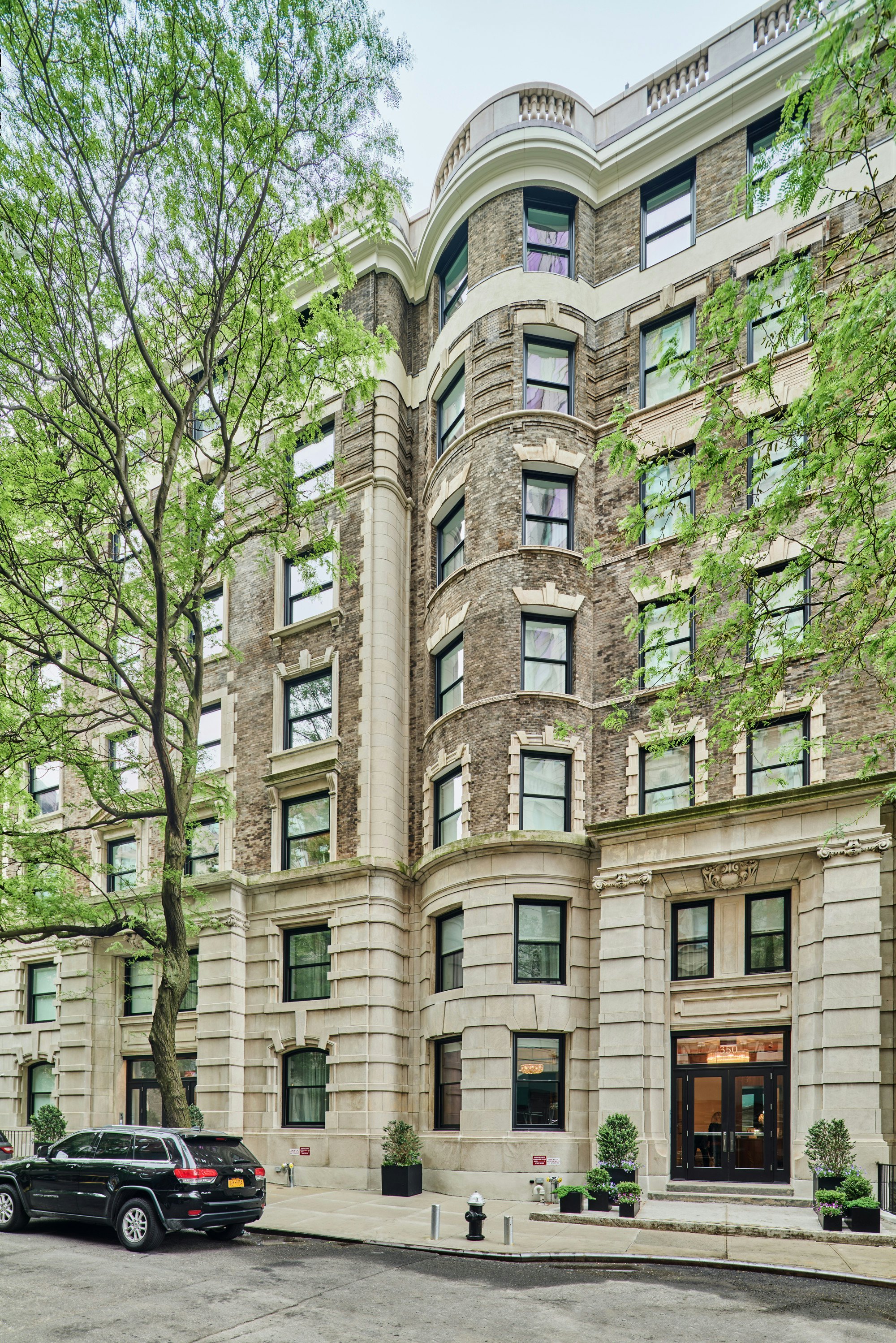
An SRO apartment in NYC is worth it for individuals on a strict budget who prioritize a central location over private amenities. In 2026, these units remain the most affordable legal housing option, often featuring rent-stabilized protections that offer long-term price predictability in an otherwise volatile market.
Single Room Occupancy (SRO) housing has long been a misunderstood segment of the New York City real estate market. Often associated with the "hotels" of the mid-20th century, SROs are living quarters where residents typically have a private bedroom but share essential facilities like bathrooms and kitchens with other tenants on the same floor. As the NYC housing crisis persists into 2026, the question of whether these units are "worth it" has shifted from a matter of preference to a critical financial strategy for many New Yorkers.
To determine if an SRO is the right move, you must look beyond the low price tag. You need to understand the legal protections, the physical limitations, and the specific lifestyle trade-offs required to live comfortably in a space that might be less than 150 square feet.
Understanding the Legal Definition of an SRO in 2026
Before evaluating the value, it is essential to define what an SRO actually is under NYC law. An SRO is typically a "Class B" multiple dwelling. Unlike standard "Class A" apartments, which are intended for permanent residence by a single family or household with private facilities, Class B units are designed for more transient or individual occupancy.
In 2026, most legal SROs in New York City are legacy units. The city effectively banned the creation of new SROs in 1955, meaning that the inventory available today consists of older buildings that have maintained their legal status through decades of shifting housing policy. Many of these are located in Upper West Side brownstones, older hotels in Midtown, or specialized buildings in Brooklyn and Queens.
A key distinction in 2026 is between a legal SRO and an illegal room rental. A legal SRO will have a valid Certificate of Occupancy from the NYC Department of Buildings (DOB) and will be registered with the NYC Department of Housing Preservation and Development (HPD). If a landlord is simply renting out bedrooms in a standard apartment without the proper "Class B" designation, that is not a legal SRO and lacks the specific protections afforded to SRO tenants.
The Financial Case: Rent and Stabilization
The primary driver for choosing an SRO is, and has always been, the cost. In 2026, even the most basic studio apartments in Manhattan often exceed $3,000 per month. In contrast, many SRO units are priced between $900 and $1,400, depending on the neighborhood and the condition of the building.
Rent Stabilization Benefits
One of the most significant factors that makes an SRO "worth it" is the potential for rent stabilization. A substantial portion of the SRO inventory in NYC is subject to rent stabilization laws. This means:
- Limited Rent Increases: The NYC Rent Guidelines Board sets the maximum percentage by which a landlord can increase the rent each year.
- Lease Renewal Rights: Tenants generally have a legal right to renew their leases, making it much harder for a landlord to evict a tenant without cause just to raise the rent for a new occupant.
- Service Maintenance: Landlords are legally required to maintain essential services, such as heat, hot water, and cleanliness of shared areas.
For a student, a low-wage worker, or someone transitioning into the NYC workforce, the financial stability provided by a stabilized SRO is a massive advantage over the "market-rate" world where rents can jump by hundreds of dollars in a single year.

Lifestyle Considerations and Trade-offs
Living in an SRO is a radical departure from traditional apartment living. To decide if it is worth it, you must conduct an honest assessment of your daily habits and tolerance for shared spaces.
The Shared Facility Dynamic
In most SROs, you are sharing a bathroom with anywhere from two to six other people. In 2026, better-managed SRO buildings have professional cleaning services that maintain these areas daily. However, in lower-end buildings, the hygiene of shared bathrooms and kitchens can be a major point of contention.
Privacy and Space
Your room is your sanctuary, but it is also your kitchen, your office, and your living room. Most SROs are large enough for a twin or full-sized bed, a small desk, and a wardrobe. If you have a significant amount of furniture or hobby equipment (like a bicycle or large music gear), an SRO may feel claustrophobic.
Social Atmosphere
SROs often foster a unique micro-community. Some residents may have lived in the building for 30 years, while others are new arrivals. This can be a benefit for those who feel isolated in the city, but it also requires a high degree of interpersonal patience. You are living in close proximity to others, and thin walls are a common feature of older SRO buildings.
Comparing SROs to Modern Alternatives
As we look at the landscape in 2026, SROs are no longer the only "small space" option. The rise of co-living companies and micro-apartments has created a tiered system of individual occupancy.
| Feature | Legal SRO | Co-Living Space | Micro-Apartment |
|---|---|---|---|
| Average Monthly Cost | $900 – $1,400 | $1,800 – $2,800 | $2,500 – $3,500 |
| Legal Status | Class B (Regulated) | Class A (Market Rate) | Class A (Market Rate) |
| Privacy | High (Private Room) | High (Private Room) | Absolute (All Private) |
| Bathrooms | Shared (Hallway) | Shared (In-unit) | Private |
| Kitchens | Shared (Hallway) | Shared (In-unit) | Private (Kitchenette) |
| Best For | Extreme Budgeting | Short-term/Social | High-income minimalists |
While co-living offers a more "curated" experience with modern finishes and included utilities, the cost is often double that of a traditional SRO. For a person focused strictly on wealth accumulation or debt reduction in 2026, the SRO remains the superior financial tool.
Key Risks and Red Flags to Watch For
Not all SROs are created equal. Because many of these buildings are old and some owners may be waiting for the opportunity to convert the building into luxury condos, "slumlord" conditions can exist.
1. The Certificate of No Harassment (CONH)
In NYC, owners of SRO buildings must obtain a Certificate of No Harassment from the HPD before they can get permits from the DOB to alter or demolish the building. This is designed to prevent landlords from mistreating tenants to force them out. If you see a building with boarded-up windows, lack of heat, or constant construction noise in common areas, the landlord may be attempting to harass tenants. Check the HPD website for active complaints.
2. Safety and Fire Hazards
Because SROs often involve older electrical systems, fire safety is paramount. Ensure the building has functioning smoke detectors, clear egress (exit) paths, and that the landlord is not allowing illegal hot plates or daisy-chained power strips in the rooms.
3. Illegal Conversions
Be wary of "SROs" that are actually just illegally subdivided apartments in a residential basement or a standard three-bedroom unit. These lack the fire-safety partitioning required by law. If the building does not have a "Class B" designation on its Certificate of Occupancy, you are at risk of being evicted by the city on short notice if the building is inspected and deemed unsafe.
The Tenant Rights of SRO Residents
SRO tenants in NYC have specific rights that are often stronger than those of standard market-rate tenants. Under the New York State Division of Housing and Community Renewal (DHCR), SRO tenants who have occupied a room for at least six months (or who have a lease) gain "permanent tenant" status.
Once you are a permanent tenant:
- You have the right to a lease.
- The landlord cannot lock you out without a court order from a judge.
- You are entitled to the same essential services (heat, water, pest control) as any other apartment dweller.
- You can file a "Reduction in Services" complaint with the DHCR if the shared bathrooms or kitchens are not maintained, which can lead to a rent freeze or reduction.
Is It Worth It for You? The Decision Matrix
To determine if an SRO is worth it in 2026, consider the following scenarios:
It is worth it if:
- You spend 90% of your time working, studying, or exploring the city and only need a place to sleep and shower.
- You are trying to save for a down payment on a house or pay off student loans rapidly.
- You want to live in a high-demand neighborhood (like Chelsea or the Upper West Side) but cannot afford market-rate studios.
- You value the legal protections of rent stabilization.
It is NOT worth it if:
- You work from home and require a quiet, spacious environment for video calls and productivity.
- You have a high sensitivity to noise or the cleanliness habits of strangers.
- You enjoy hosting guests; most SROs have strict "no guest" or "limited guest" policies due to the shared nature of the facilities.
- You have a pet (many SROs have "no pet" policies that are strictly enforced due to the close quarters).
Frequently Asked Questions
Can I get mail delivered to an SRO?
Yes. Legal SRO buildings are required to have secure mailboxes for each room or a centralized mail distribution system. You have the same rights to mail delivery as any other resident in NYC. Ensure your room number is clearly included in your address to avoid delivery issues.
Are SROs safe in 2026?
Safety varies significantly by building. While the "SRO hotels" of the 1970s had a reputation for crime, many SROs in 2026 are well-regulated. Modern security features like keycard entry, security cameras in hallways, and 24-hour on-site management are common in premium SRO buildings. Always visit a building at night before signing a lease to gauge the safety of the surrounding block.
Do I need to pay for utilities in an SRO?
In many traditional SROs, utilities (heat, water, and electricity) are included in the rent because the rooms are not individually metered. However, some landlords may charge a small monthly fee for air conditioning units or high-speed internet. Always clarify which utilities are included before signing your agreement.
How do I find a legal SRO?
Legal SROs are rarely listed on mainstream sites like StreetEasy. They are more commonly found via local community boards, specialized housing non-profits, or by looking for "Class B" designations on the HPD building database. Organizations like the Legal Aid Society can also provide resources on identifying regulated SRO housing.
Can I be evicted from an SRO easily?
No. If you have been there for more than 30 days, you generally have "occupancy rights," and if you have been there for six months, you may have "permanent tenant" status. A landlord must go through the formal Housing Court process to evict you, which is a lengthy procedure in NYC.
Practical Next Steps
If you’ve decided that an SRO is a viable option for your situation in 2026, your first step should be verification. Use the NYC Department of Buildings' "Building Information Search" tool to look up the address of any potential room. Confirm that the "Property Profile" lists it as a "Class B" multiple dwelling.
Secondly, visit the shared facilities. The state of the communal bathroom is the best indicator of how the building is managed. If the bathrooms are clean and the plumbing is in good repair, it is a sign of a responsible landlord. Finally, consult the NYC Tenant’s Bill of Rights to ensure you understand your protections regarding rent increases and maintenance. While an SRO requires a minimalist lifestyle, the financial freedom it provides in a city as expensive as New York can be an invaluable asset for your long-term goals.
Image Gallery
Select an image to open it in a new tab.
Simon Caldwell
Enterprise Technology and Systems Editor
