
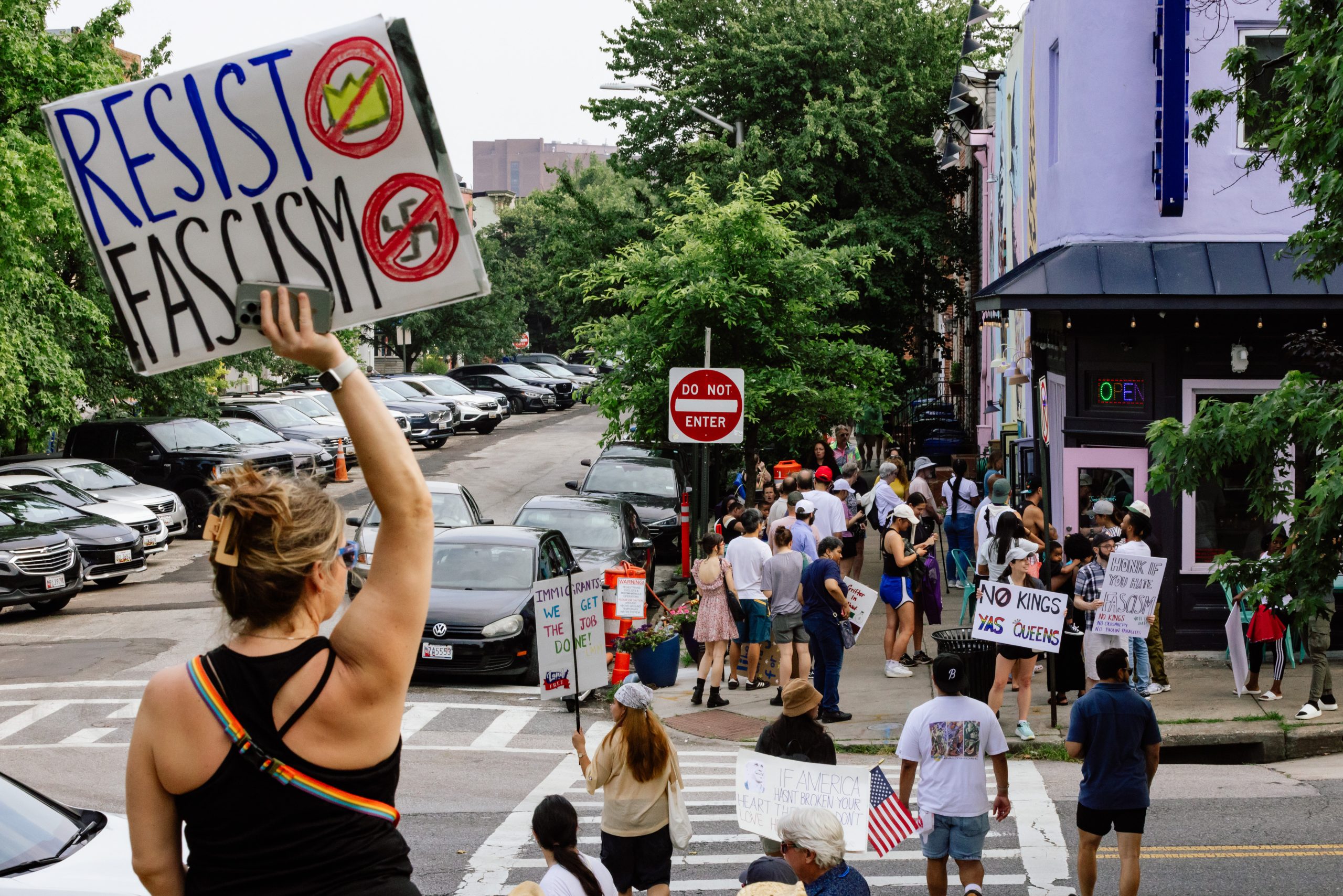
Fourth of July protests across the United States represent a recurring intersection of civic demonstration and national commemoration, where activists utilize Independence Day gatherings, public spaces, and historic symbols to voice dissent, demand systemic reforms, or highlight civil rights issues. These demonstrations reflect a long-standing tradition of contentious politics on national holidays, challenging official narratives and leveraging high-visibility public events to amplify contemporary socio-political grievances.
Understanding the phenomenon of Fourth of July protests requires an examination of historical precedents, the thematic evolution of modern demonstrations, the logistical and legal frameworks governing public assembly, and the broader societal impacts of political expression during national holidays.
Historical Context of Dissent on Independence Day
Using national holidays for political protest is not a novel development in American history. Throughout the nation's existence, marginalized groups and political dissidents have recognized that national celebrations provide a potent backdrop for highlighting contradictions between foundational ideals—such as liberty and equality—and systemic realities.
Nineteenth-Century Abolitionist Traditions
One of the most notable historical precedents for Fourth of July protest occurred in the mid-nineteenth century within the abolitionist movement. Activists argued that celebrating national independence while millions remained enslaved was hypocritical.
The most famous articulation of this perspective was delivered by Frederick Douglass on July 5, 1852, in Rochester, New York. In his address, later titled "What to the Slave is the Fourth of July?", Douglass laid bare the moral contradiction of the holiday:
"What, to the American slave, is your 4th of July? I answer; a day that reveals to him, more than all other days in the year, the gross injustice and cruelty to which he is the constant victim."
Douglass and other abolitionists utilized Independence Day assemblies not to reject the promise of the Declaration of Independence, but to hold the nation accountable to its stated principles, setting a historical template for future protest movements.
Twentieth-Century Civil Rights and Anti-War Movements
During the twentieth century, civil rights organizations and anti-war coalitions periodically leveraged national holidays to draw public and media attention to their causes. During the Civil Rights Movement, activists staged demonstrations against segregation and disenfranchisement, often pointing out that the rights celebrated on the Fourth of July were denied to Black citizens across the American South.
Similarly, during the Vietnam War era, anti-war organizations organized counter-celebrations, peace marches, and draft-card burnings on July Fourth. These actions framed patriotism not as uncritical allegiance to government policy, but as active dissent aimed at aligning national practices with democratic ideals.
Thematic Evolution of Contemporary Fourth of July Demonstrations
In recent decades, Fourth of July protests have diversified in scope, reflecting a wide array of social, economic, and political concerns. While the underlying tension between national mythology and social reality remains constant, the specific catalysts for demonstration vary by year and sociopolitical climate.
Civil Rights and Racial Justice
Demonstrations centered on racial equity and police accountability frequently manifest during summer months, with the July Fourth holiday serving as a focal point for organizations demanding systemic reform. Activists often draw explicit parallels between historical struggles for liberation and contemporary campaigns against police brutality, mass incarceration, and voting restrictions.
These protests utilize patriotic symbols—such as flags, the National Anthem, and historical monuments—to reframe national identity. By questioning who is included in the protective umbrella of American liberty, organizers seek to challenge public complacency and stimulate policy debate.
Reproductive Rights and Bodily Autonomy
Changes in the legal landscape regarding reproductive rights have also galvanized demonstrations during summer holidays. Landmark judicial rulings, such as the Supreme Court's 2022 decision in Dobbs v. Jackson Women's Health Organization, occurred near the Independence Day holiday, prompting immediate, large-scale mobilizations.
Protests focusing on reproductive freedom often utilize the language of liberty, bodily autonomy, and self-determination, directly engaging with the themes of independence traditionally celebrated on July Fourth. Rallies outside federal buildings, state capitols, and local plazas combine political speeches with grassroots organizing and voter registration drives.
Environmental Policy and Indigenous Rights
Environmental groups and Indigenous rights organizations frequently use Independence Day to protest resource extraction, pipeline construction, and violations of tribal sovereignty. Indigenous activists often emphasize that the celebration of American expansionism has historically coincided with the displacement and marginalization of Native populations.
Demonstrations organized by groups like the Indigenous Environmental Network highlight ongoing struggles for land rights, clean water, and climate justice, offering a counter-narrative to traditional celebratory events.
| Protest Theme | Primary Objectives | Key Symbols & Actions | Target Audiences |
|---|---|---|---|
| Civil Rights & Racial Justice | Police accountability, voting rights, systemic reform | Marches, sit-ins, reframing national flags | General public, lawmakers, municipal authorities |
| Reproductive Freedom | Defending bodily autonomy, codifying abortion access | Rallies, speeches, voter registration booths | State and federal legislators, electorate |
| Indigenous & Environmental Rights | Land sovereignty, halting pipeline expansion, climate action | Cultural ceremonies, blockades, educational forums | Federal agencies, energy corporations, public |
| Labor & Economic Equity | Fair wages, worker protections, corporate accountability | Informational pickets, boycotts, solidarity marches | Employers, labor boards, consumers |
Legal Frameworks and Public Assembly Regulations
Organizing and participating in Fourth of July protests involves navigating a complex matrix of constitutional rights, municipal ordinances, and law enforcement protocols. Understanding these legal parameters is essential for both organizers and participants.
First Amendment Protections
In the United States, the First Amendment protects freedom of speech, assembly, and petition. Public streets, sidewalks, parks, and traditional public forums are generally considered venues where expressive activity enjoys robust constitutional protection. However, these rights are not absolute.
Courts have established that local governments may enforce reasonable "time, place, and manner" restrictions on public demonstrations. These restrictions must be content-neutral, narrowly tailored to serve a significant governmental interest, and leave open ample alternative channels for communication.
Permitting Processes and Municipal Ordinances
For large-scale marches, rallies, or stationary demonstrations that occupy public thoroughfares or parks, municipal authorities typically require event permits. The permitting process generally involves:
- Submitting an application several weeks in advance of the event.
- Coordination with local law enforcement and emergency services regarding crowd control and traffic routing.
- Addressing logistical requirements such as sound amplification limits, sanitation, and temporary street closures.
Failure to secure required permits can result in municipal citations, orders to disperse, or legal liability for organizers, though courts have frequently struck down permit schemes that grant unbridled discretion to licensing officials or impose prohibitive fees.
Law Enforcement Response and Public Safety
Police departments managing large holiday crowds must balance public safety, traffic management, and the protection of constitutional rights. Standard protocols often involve designated liaison officers, traffic detours, and crowd management barriers.
Civil liberties organizations closely monitor law enforcement responses during high-tension events, documenting instances of alleged excessive force, unlawful detentions, or improper restrictions on media personnel and legal observers.
Societal Impact and Media Framing
The impact of Fourth of July protests extends beyond the immediate day of action, influencing public discourse, media narratives, and political agendas.
Media Coverage and Public Perception
Media framing plays a critical role in shaping how protests are perceived by the broader public. Coverage often focuses on the contrast between traditional celebrations—such as parades, fireworks, and family gatherings—and political demonstrations.
Academic studies of social movement communication suggest that mainstream media outlets historically emphasized disruptions, confrontations, or property damage over the substantive political messages of protesters. However, contemporary digital media and independent reporting allow activists to broadcast their perspectives directly to wider audiences, bypassing traditional journalistic filters.
Political Discourse and Policy Outcomes
While measuring the direct legislative impact of a single day of protest can be challenging, sustained mobilization often contributes to longer-term political shifts. Rallies on national holidays serve multiple strategic functions for social movements:
- Coalition Building: Bringing disparate organizations together under a shared banner of action.
- Fundraising and Recruitment: Engaging sympathetic members of the public and expanding donor networks.
- Agenda Setting: Injecting specific policy demands into national conversations during periods of high media visibility.
Common Challenges and Practical Guidance for Organizers
Planning a demonstration during a major national holiday presents distinct logistical and operational hurdles. Organizers must anticipate various challenges to ensure participant safety and effective communication.
Logistical Hurdles on Federal Holidays
Conducting events on a federal holiday such as the Fourth of July introduces specific administrative difficulties:
- Government Office Closures: Securing permits or clarifying municipal regulations must be completed well in advance, as local government offices are typically closed on the holiday itself.
- Transportation Disruptions: Public transit schedules are often modified for holiday celebrations and fireworks displays, requiring careful route planning for marches.
- Crowd Congestion: Competing with large, festive crowds attending municipal fireworks shows can complicate crowd management and obscure protest messaging.
Safety and Preparedness Protocols
Experienced activist organizations implement comprehensive safety protocols for public demonstrations, particularly during summer events when high temperatures pose health risks. Key preparatory measures include:
- First Aid Stations: Ensuring trained medical volunteers or emergency medical services are accessible on-site to treat heat exhaustion, dehydration, or minor injuries.
- Legal Support: Partnering with legal aid organizations to provide hotlines, on-site legal observers, and representation for detained participants.
- Marshaling and Training: Designating trained peacekeepers or marshals to guide crowds, de-escalate potential conflicts, and maintain communication with law enforcement liaisons.
Frequently Asked Questions
Are protests on the Fourth of July legal?
Yes. Peaceful protests in traditional public forums such as sidewalks, public parks, and streets are protected under the First Amendment of the U.S. Constitution. However, participants and organizers must comply with valid, content-neutral time, place, and manner regulations, which may include obtaining permits for large gatherings or marches.
Do I need a permit to protest on July Fourth?
Whether a permit is required depends on the scale and impact of the event. Small groups distributing leaflets or holding signs on a sidewalk generally do not require a permit. Conversely, marches that block traffic, rallies using amplified sound systems, or large-scale assemblies in public parks typically require municipal permits applied for well in advance.
How do historical abolitionist protests influence modern demonstrations?
Nineteenth-century abolitionists, most notably Frederick Douglass in his 1852 address, established the rhetorical framework of using Independence Day to confront the nation with its unfulfilled promises. Modern movements draw on this tradition to challenge systemic injustices, arguing that true patriotism involves holding the government accountable to its foundational ideals of liberty and equality.
What precautions should participants take during summer holiday protests?
Participants should prepare for high summer temperatures by bringing adequate water, wearing sun protection, and identifying on-site first aid stations. Additionally, protesters should carry identification, know their legal rights, keep emergency contact numbers readily available, and follow instructions from event marshals or legal observers.
Conclusion and Next Actions
Fourth of July protests across the United States remain a vital expression of American civic life, reflecting ongoing debates over justice, equality, and the meaning of national independence. For those seeking to understand or participate in these movements, engaging constructively requires examining historical precedents, respecting legal frameworks, and prioritizing safe, organized public discourse.
Individuals interested in participating in or monitoring public demonstrations should verify local event details through reputable activist networks, review municipal guidelines regarding public assembly, and support organizations dedicated to protecting constitutional rights and promoting democratic engagement.
Image Gallery
Select an image to open it in a new tab.

Simon Caldwell
Enterprise Technology and Systems Editor
