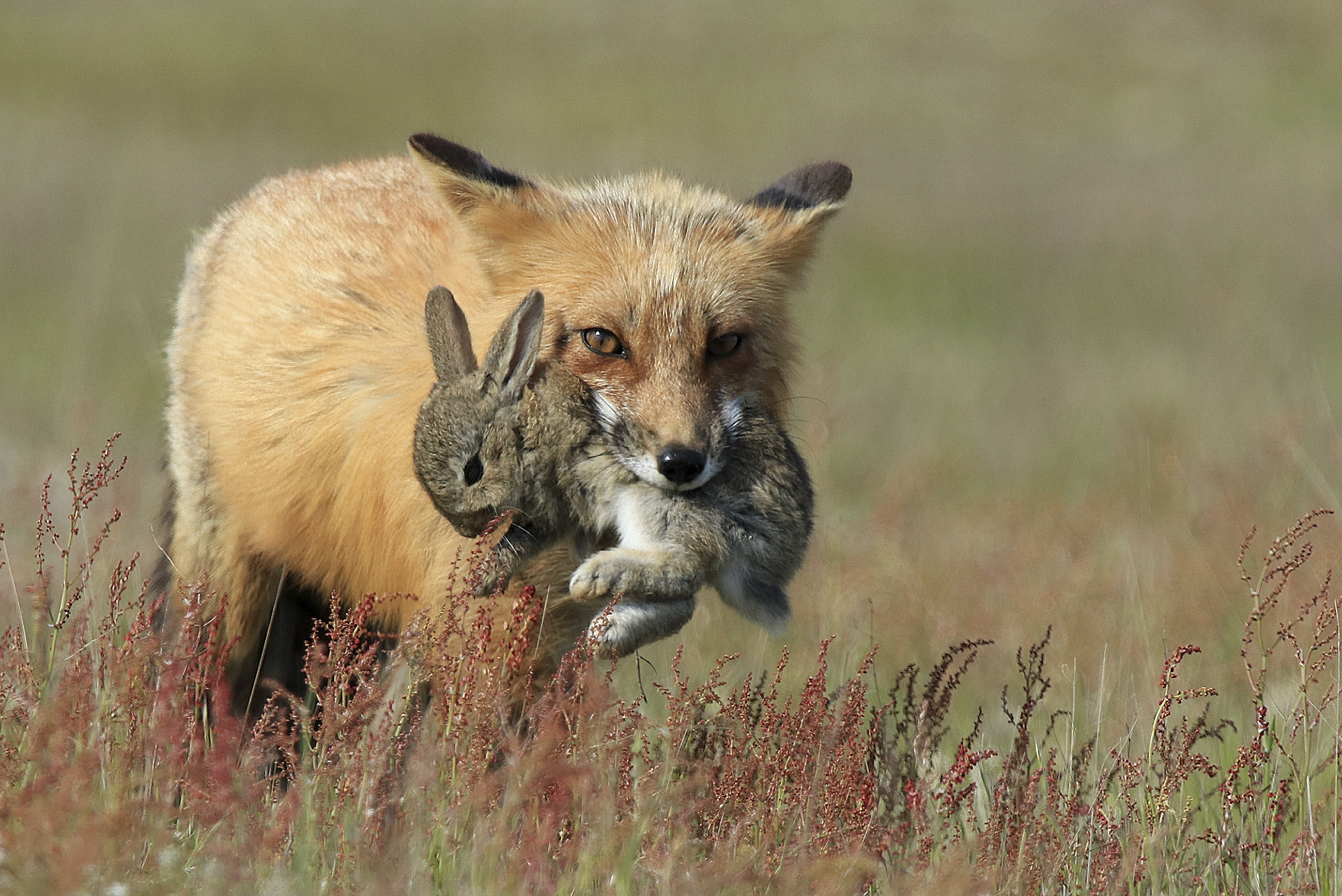
Antelopes represent one of the most successful and diverse groups of grazing and browsing mammals, primarily inhabiting the open plains, savannas, woodlands, and deserts of Africa and parts of Asia. Because they occupy a foundational tier in the food web as primary consumers, they form the dietary bedrock for a wide variety of apex and secondary carnivores. Understanding which predators hunt antelopes requires examining the ecological pressures, specialized hunting techniques, behavioral adaptations, and trophic dynamics that govern predator-prey relationships across various wilderness biomes.
Ecological Role of Antelopes in Predator-Prey Dynamics
Antelopes encompass a massive range of species, from the tiny, rabbit-sized royal antelope to the massive, ox-like eland. This incredible size and behavioral variety mean that they interact with almost every category of carnivore within their habitats. In ecological terms, antelopes convert plant biomass into animal protein, making them the primary energy source for large predators.
The presence of antelope populations directly regulates carnivore densities, while the constant threat of predation shapes antelope behavior, herd dynamics, migration patterns, and evolutionary traits. This evolutionary arms race has resulted in extraordinary physical adaptations on both sides: antelopes have developed explosive speed, acute senses, and complex social structures, while predators have evolved stealth, cooperative hunting strategies, immense bite forces, and tactical endurance.
Major Mammalian Predators of Antelopes
The primary mammalian predators targeting antelopes are large carnivores possessing the speed, strength, or cooperative capabilities required to overcome prey that is often fast, alert, and capable of defending itself with sharp horns or powerful kicks.
Felidae (The Cats)
Members of the cat family rely heavily on stealth, camouflage, and short, explosive bursts of speed to secure their prey. Because antelopes are notoriously vigilant, feline predators must employ specialized tactics.
- Lions (Panthera leo): As social predators operating in prides, lions are capable of bringing down the largest antelope species, including blue wildebeest, eland, and roan antelope. Lions use coordinated ambushes, surrounding herds or utilizing landscape features to drive prey toward hidden pride members.
- Leopards (Panthera pardus): Solitary and opportunistic, leopards typically target smaller to medium-sized antelopes such as impalas, duikers, and Thomson's gazelles. Renowned for their strength, leopards frequently haul their antelope kills up into trees to protect them from scavengers like hyenas and lions.
- Cheetahs (Acinonyx jubatus): Built exclusively for extreme speed, cheetahs specialize in hunting medium-sized, fast antelopes, most notably Thomson's gazelles and impalas. Operating primarily during the day to avoid nocturnal competition, cheetahs rely on high-speed pursuits reaching up to 60-70 miles per hour over short distances.
- Caracals and Servals: Smaller wild cats target juvenile antelopes, newborn fawns, and very small species like steenbok or dik-diks. While they cannot tackle adult medium or large antelopes, they exert significant predation pressure on the youngest cohort of antelope populations.
Canidae (The Dogs and Jackals)
Unlike solitary or pride-based cats, canid predators rely on endurance hunting and sophisticated pack coordination.
- African Wild Dogs (Lycaon pictus): These highly social and efficient coursers hunt medium-sized antelopes, particularly impalas and kudus. Their strategy centers on chasing prey over long distances until the animal is exhausted. Wild dogs achieve staggering success rates through relentless cooperative stamina.
- Spotted Hyenas (Crocuta crocuta): While frequently mischaracterized solely as scavengers, spotted hyenas are formidable apex predators that actively hunt a vast percentage of their diet. Operating in clans, hyenas can isolate and exhaust large antelopes, utilizing sheer brute force and powerful jaws capable of crushing heavy bones.
- Jackals: Black-backed and side-striped jackals occasionally prey upon newborn antelope calves, particularly during the synchronized birthing seasons common to many ungulate species.

Avian and Reptilian Predators
While mammals secure the majority of adult antelopes, other animal classes play an active predatory role, especially regarding young, injured, or dwarf antelope species.
Birds of Prey
Large raptors do not possess the mass to capture mature antelopes, but species like the martial eagle (Polemaetus bellicosus) and crowned eagle (Stephanoaetus coronatus) are powerful enough to capture newborn antelope calves, duikers, and dik-diks. These raptors strike from above with crushing talons, representing a constant aerial threat to the smallest ungulates and neonates.
Reptiles
Large ambush predators like the Nile crocodile (Crocodylus niloticus) pose a lethal threat to antelopes when herds congregate at rivers and waterholes to drink. Crocodiles use stealth and immense hydrodynamic power to snatch drinking antelopes, pulling them into deep water where they drown their prey through the classic "death roll." Additionally, large African rock pythons (Python sebae) can constrict and swallow medium-sized antelopes, such as gazelles and impalas, though such events are less frequent than mammalian predation.
Comparative Matrix of Antelope Predators
| Predator Species | Primary Hunting Strategy | Target Antelope Size / Species | Ecological Impact |
|---|---|---|---|
| Lion | Cooperative pride ambush | Large (Wildebeest, Eland, Kudu) | Regulates large herbivore demographics; shapes open savanna dynamics. |
| Cheetah | High-speed diurnal chase | Medium (Gazelles, Impala) | Selects for maximum running speed and agility in open-plains prey. |
| African Wild Dog | Long-distance endurance coursing | Medium (Impala, Kudu) | Applies sustained physical pressure; targets vulnerable herd members. |
| Spotted Hyena | Clan-based exhaustion and force | Medium to Large (Wildebeest, Zebra, Hartebeest) | Controls population density; cleans ecosystem via efficient consumption. |
| Leopard | Solitary stealth and tree-stashing | Small to Medium (Impala, Duiker) | Utilizes arboreal habitats to avoid resource competition. |
| Nile Crocodile | Aquatic ambush at water sources | All sizes visiting water sources | Enforces high behavioral vigilance at vital riparian zones. |
Behavioral Adaptations of Antelopes Against Predation
To survive the relentless pressure exerted by these diverse predators, antelopes have evolved sophisticated defensive mechanisms. Understanding the predator requires understanding how the prey attempts to evade it.
- Vigilance and Senses: Antelopes possess large, horizontally placed eyes that provide nearly 360-degree panoramic vision. Combined with exceptional hearing and a keen sense of smell, they detect predators long before an attack initiates.
- Pronking and Stotting: Species like springbok exhibit stotting—springing high into the air with stiff legs. This behavior signals to predators that the individual is strong, healthy, and difficult to catch, often discouraging a chase entirely.
- Herd Dynamics and Mobbing: Living in herds dilutes individual predation risk (the dilution effect). Many eyes scan the horizon, and some species, such as wildebeests, will actively mob or chase smaller predators like cheetahs or jackals when detected early.
- Cryptic Coloration and Fawn Hiding: Newborn antelopes often lack the speed to escape predators. Species like bushbucks and reedbucks rely on cryptic, spotted coats and instinctual stillness, remaining hidden in tall grass while their mothers graze away from them to avoid drawing attention.
Frequently Asked Questions
What is the most common predator of antelopes in the African savanna?
Lions, spotted hyenas, and leopards are the most widespread and prolific predators of antelopes across the African continent. Depending on the specific habitat and region, spotted hyenas and lions take the largest biomass of medium-to-large antelopes, while leopards and cheetahs dominate in their respective niches.
Can birds of prey kill adult antelopes?
No. Birds of prey such as martial eagles and crowned eagles lack the physical mass and leverage required to subdue an adult antelope. However, they are fully capable of killing newborn calves, fawns, and dwarf antelope species like dik-diks and blue duikers.
How do antelopes defend themselves when cornered?
While flight is their primary defense, cornered antelopes—particularly males with prominent horns such as kudus, sable antelopes, and oryxes—will vigorously fight back. They use their sharp horns to gore attackers and can deliver powerful kicks capable of injuring or deterring medium-sized predators like wild dogs and leopards.
Do predators hunt antelopes during the day or at night?
It depends entirely on the predator species. Cheetahs and wild dogs hunt primarily during daylight hours, utilizing vision and speed. Lions, leopards, and spotted hyenas are largely crepuscular or nocturnal hunters, taking advantage of darkness to mask their approach and achieve close-range tactical ambushes.
Conclusion and Ecosystem Importance
The dynamic relationship between antelopes and their predators is a cornerstone of wild ecosystem health. Predators remove sick, weak, or aged individuals, thereby maintaining the genetic robustness and disease resistance of antelope herds. Without these apex carnivores, antelope populations could overgraze fragile habitats, leading to ecosystem collapse. Recognizing the diverse array of predators that target antelopes highlights the intricate balance and raw evolutionary pressures that define life in the wild.
Image Gallery
Select an image to open it in a new tab.

Celine Dubois
Contemporary Living and Global Arts Columnist
