
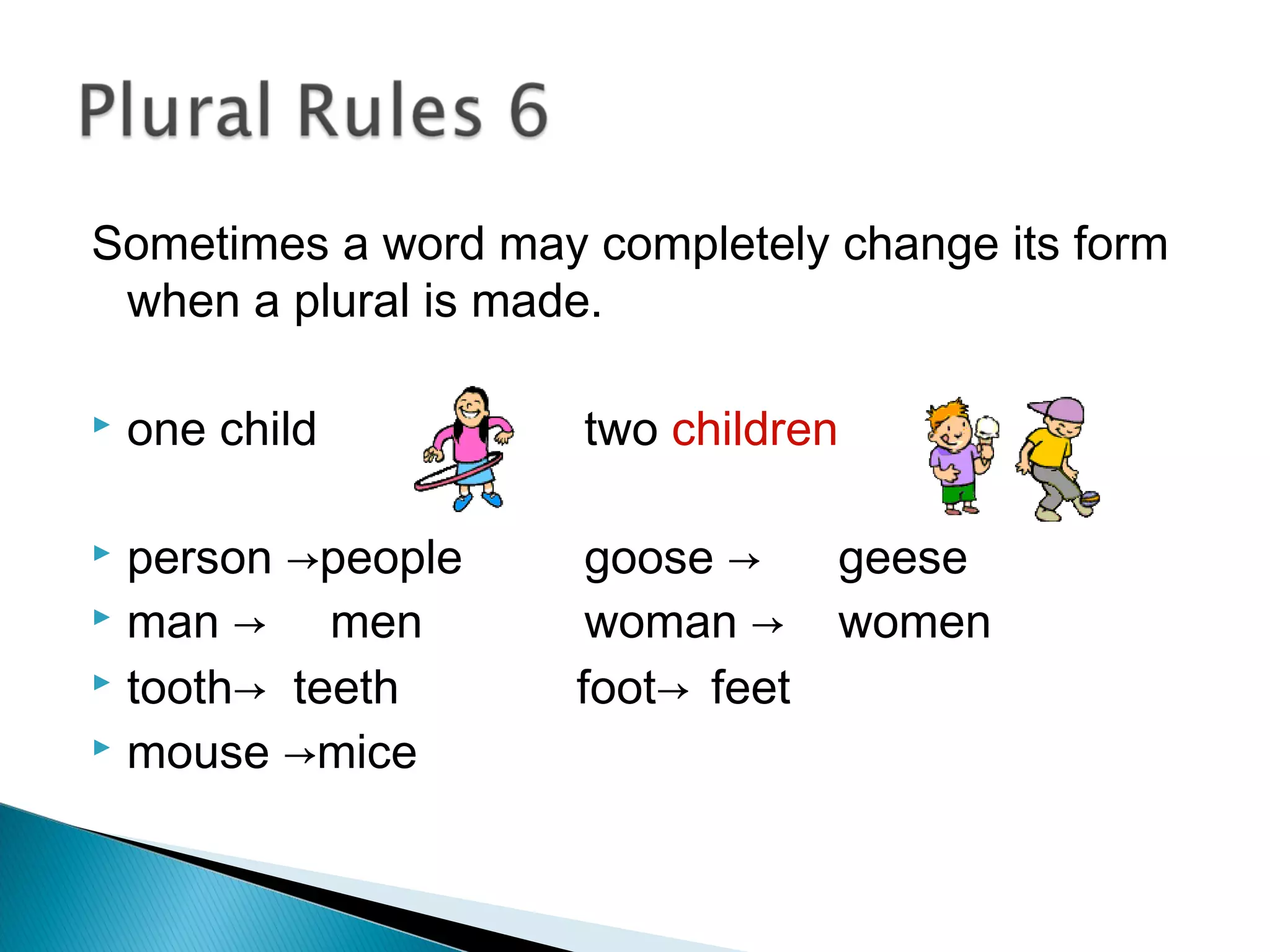
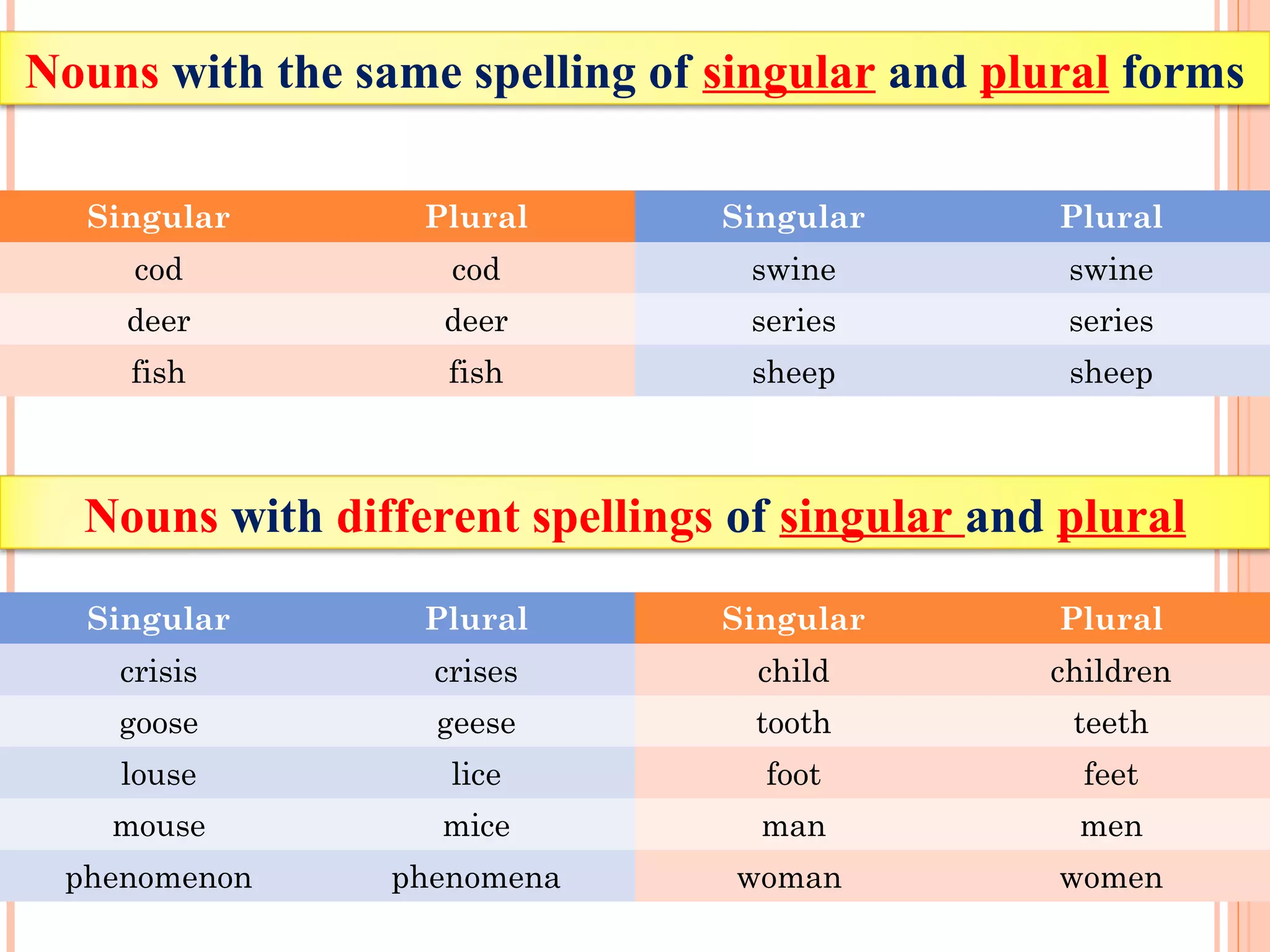
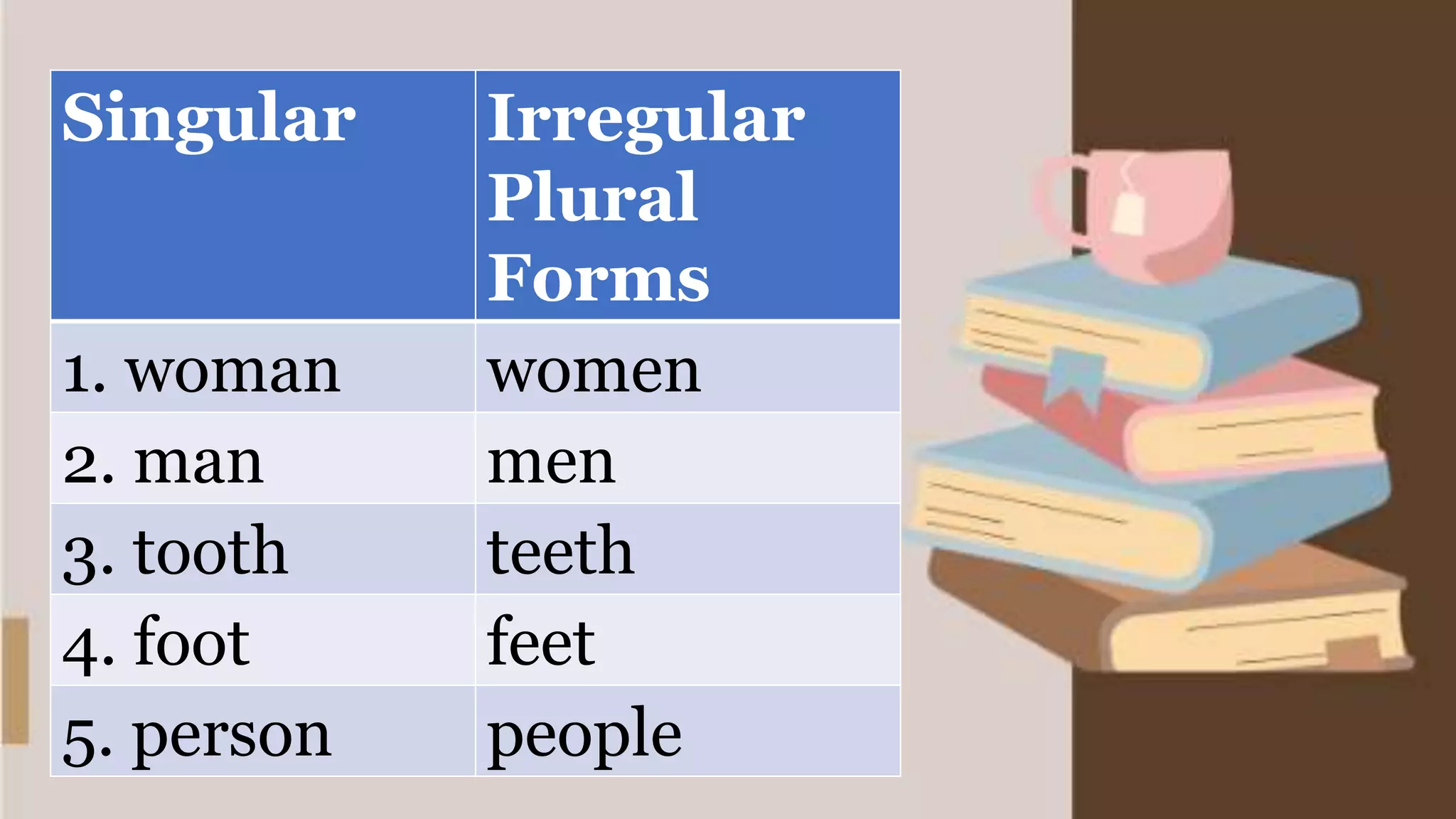
The word women is the standard plural form of the singular noun woman. While the spelling distinction between the singular and plural forms occurs only in the second syllable (-man versus -men), standard English pronunciation shifts the vowel sound in the first syllable, moving from /ˈwʊmən/ (singular) to /ˈwɪmɪn/ (plural).
Singular vs. Plural Forms: Mechanics and Pronunciation
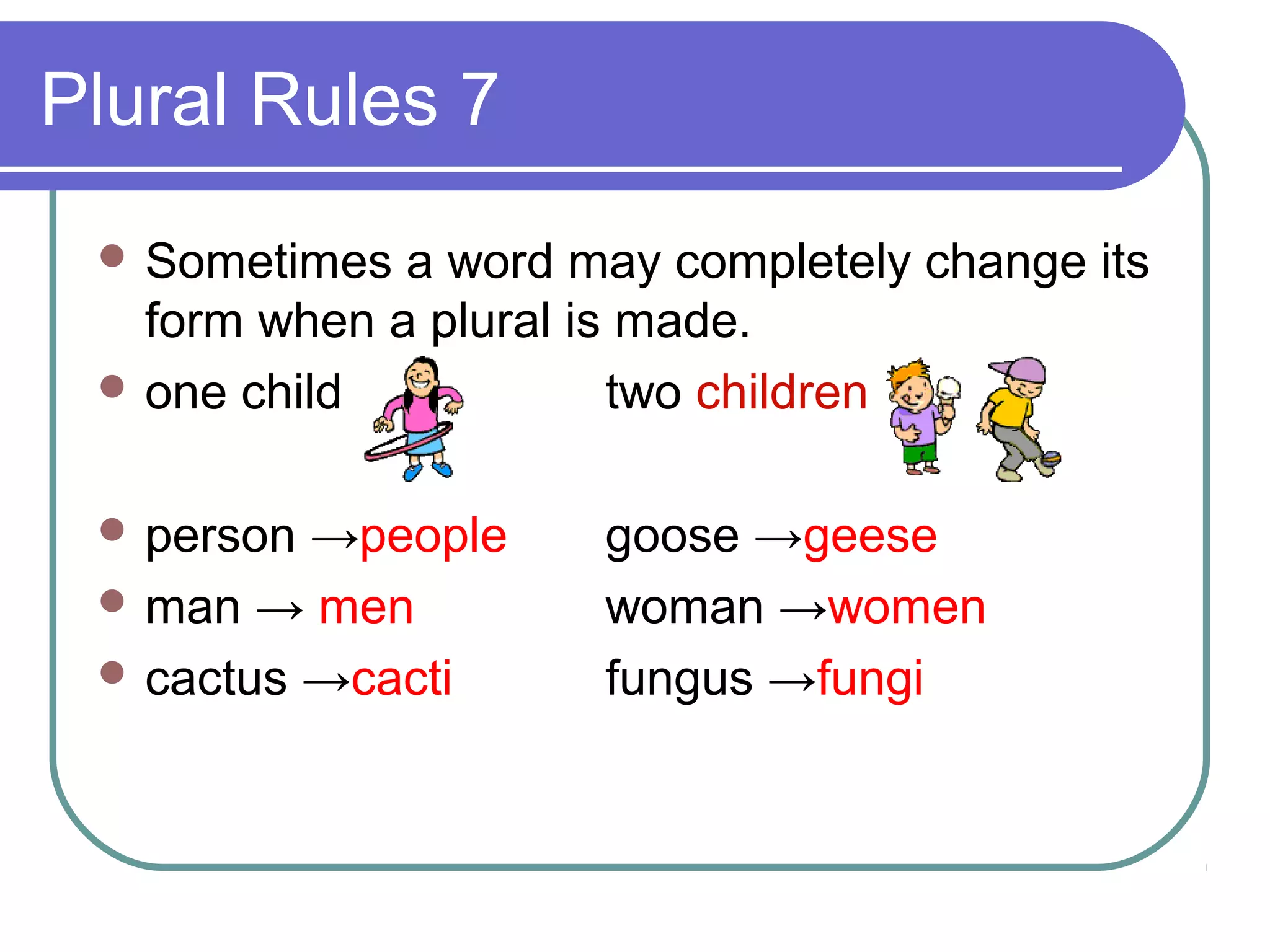
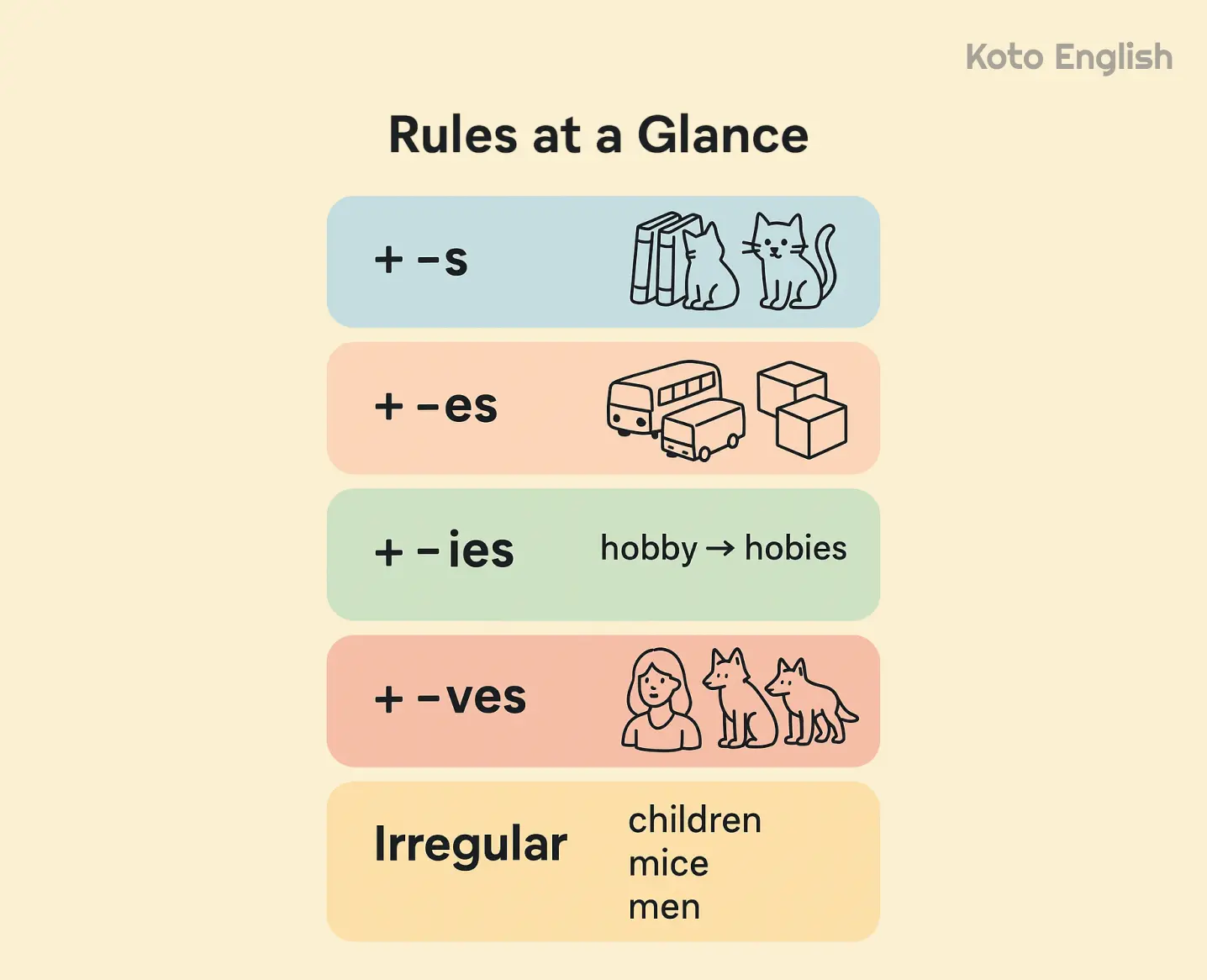
Understanding the plural form of "woman" requires examining both written orthography and spoken phonetics. In English morphology, "woman" is an irregular noun. Unlike regular nouns that form their plurals by adding the suffix -s or -es (such as cat to cats or box to boxes), "woman" follows an internal vowel modification inherited from historical Germanic sound shifts.
- Singular: woman — Phonetic: /ˈwʊmən/ (WUH-mun)
- Plural: women — Phonetic: /ˈwɪmɪn/ (WIH-min)
In writing, the difference appears simple: replacing the letter a with the letter e in the final syllable. However, English orthography creates a common pitfall for writers and language learners because the written change (-man to -men) does not reflect where the primary phonetic change occurs in spoken English.
The Phonetic Shift
In spoken standard English (both Received Pronunciation and General American), the primary difference between the singular and plural forms lies in the initial vowel sound:
- Singular (
woman): The first syllable uses the near-close near-back rounded vowel/ʊ/(the sound found in put, book, or foot). The second syllable contains a reduced schwa/ən/. Phonetically, it is rendered as/ˈwʊmən/. - Plural (
women): The first syllable shifts to the close front unrounded vowel/ɪ/(the sound found in pit, bit, or win). The second syllable also uses/ɪ/or a reduced/ɪn/. Phonetically, it is rendered as/ˈwɪmɪn/.
Because the spelling of the first syllable (wo-) remains identical in both forms while its vocalic pronunciation shifts completely, non-native speakers and native writers alike frequently make typographical errors. Writing "a women" or "many woman" are among the most frequent grammatical mistakes in written English.
Historical Linguistics: Why the First Vowel Shifted
To understand why "women" is spelled with an o in the first syllable but pronounced with an i sound, it is necessary to examine the history of the English language.
In Old English (spoken roughly between 450 and 1100 CE), the word for a adult female human was wīfmann, which combined two distinct words: wīf (meaning female or woman) and mann (meaning human being or person). The plural form was wīfmenn.
- Old English: wīfmann (singular) to wīfmenn (plural)
- Middle English: wimman (singular) to wimmen (plural)
- Modern English: woman (singular) to women (plural)
Over centuries of linguistic evolution, several phonetic processes reshaped the word:
- Consonant Assimilation: The consonant cluster
/fm/in wīfmann assimilated into a double/m/sound, resulting in the Middle English forms wimman (singular) and wimmen (plural). - Labialization: In the singular form, the presence of the initial
/w/sound (a labial consonant produced with rounded lips) altered the neighboring vowel sound/ɪ/, rounding it into/ʊ/or/oː/. This transformed wimman into womman and eventually into modern "woman." - Vowel Retention in the Plural: In the plural form wimmen, the front vowel
/ɪ/resisted this rounding influence in speech, preserving the short "i" sound. However, by the sixteenth century, scribes and printers standardized the spelling of the first syllable with an o (wo-) to maintain visual consistency with the singular form "woman."
This historical divergence left modern English with a unique orthographic mismatch: the written word "women" retains the visual marker of its singular counterpart (wo-), but its spoken form preserves the medieval pronunciation (wimmen).
Grammatical Rules and Agreement
Because "women" is a plural count noun, it dictates specific rules for subject-verb agreement, pronoun reference, and modifier selection within a sentence.
Subject-Verb Agreement
As a plural subject, "women" requires plural verb forms in present, past, and compound tenses. Substituting singular verbs with plural subjects represents a fundamental grammatical error.
- Incorrect: The women is attending the leadership conference.
- Correct: The women are attending the leadership conference.
- Incorrect: Each of the women have submitted her application. (Note: "Each" is the singular subject here).
- Correct: All of the women have submitted their applications.
Pronoun Agreement
Pronouns referring back to "women" must agree in number. Use they, them, their, and themselves rather than singular personal pronouns (she, her, herself), unless referring to a specific individual within a group.
- Incorrect: The women completed her work on schedule.
- Correct: The women completed their work on schedule.
- Correct (Individual focus): Every woman in the group completed her work on schedule.
Determiners and Quantifiers
Use determiners appropriate for plural countable nouns when modifying "women":
- Use plural determiners: these women, those women, many women, several women, few women.
- Avoid singular determiners: this women (incorrect), that women (incorrect), every women (incorrect), another women (incorrect).
Possessive Forms: Navigating "Woman's" vs. "Women's"
Forming possessives with irregular plural nouns follows a specific punctuation rule that frequently causes confusion in formal writing.
Because regular English plurals end in -s (e.g., dogs, teachers), their possessives are formed by adding an apostrophe after the -s (dogs', teachers'). However, irregular plurals that do not end in -s—such as women, men, children, and people—form their possessive by adding an apostrophe followed by an s ('s).
- Singular Possessive: woman + 's = woman's (e.g., a woman's perspective)
- Plural Possessive: women + 's = women's (e.g., women's rights)
- Incorrect Form: womens' (NEVER correct in standard English)
Applying the Rule in Professional Contexts
- Singular Possessive (
woman's): Refers to something belonging to or associated with one single woman.- Example: "The primary investigator reviewed the woman's medical records."
- Plural Possessive (
women's): Refers to something belonging to, designated for, or associated with multiple women.- Example: "The university established a new center for women's health research."
- Non-existent Form (
womens'): The construction womens' is grammatically invalid because the word womens does not exist as a base noun in standard English. Placing an apostrophe after an added s on an irregular plural creates a double plural error.
For technical documentation, academic writing, and publishing, consult primary resources such as the The Chicago Manual of Style or the Associated Press Stylebook to verify style-specific punctuation standards for irregular possessives.
Compound Nouns and Noun Adjuncts
The word "women" frequently functions as part of compound nouns or as a noun adjunct (a noun acting as a modifier for another noun).
Gender-Specific Compound Nouns
When forming compound nouns indicating profession or role, the pluralizing element follows the base structure:
| Singular Form | Plural Form | Example Sentence |
|---|---|---|
| Businesswoman | Businesswomen | "The conference brought together top businesswomen from across the region." |
| Congresswoman | Congresswomen | "Several congresswomen co-sponsored the bipartisan legislation." |
| Spokeswoman | Spokeswomen | "The organization appointed two spokeswomen to handle press inquiries." |
| Chairwoman | Chairwomen | "The board composed of former chairwomen met annually." |
"Women" as a Noun Adjunct vs. "Female" as an Adjective
A long-standing debate in professional style guidelines concerns whether to use "women" (a noun adjunct) or "female" (an adjective) when modifying another noun (e.g., "women scientists" vs. "female scientists").
Style manuals provide specific nuances for these choices:
- "Women" as Modifier: Major editorial standards, including the Associated Press Stylebook, often favor using "women" as a modifier when describing groups of people in professional contexts (e.g., women voters, women engineers, women business owners). This usage avoids reducing gender identity solely to biological descriptors where social or professional context is primary.
- "Female" as Adjective: Preferred when referring to age-inclusive groups, biological contexts, or where parallelism with "male" is established (e.g., female participants in the clinical trial, female primates).
Example comparison:
- Standard Editorial: "The panel highlighted the achievements of women engineers in structural design."
- Biological/Statistical: "The demographic survey categorized participants by female and male cohorts."
Comparative Reference Guide
The following matrix clarifies the distinct forms, grammatical functions, pronunciations, and common errors associated with singular and plural terms for adult human females.
| Grammatical Category | Correct Form | IPA Pronunciation | Common Misuse / Error | Correct Sentence Example |
|---|---|---|---|---|
| Singular Noun | woman | /ˈwʊmən/ | "a women" | "A woman led the research team." |
| Plural Noun | women | /ˈwɪmɪn/ | "many woman" | "Several women joined the board." |
| Singular Possessive | woman's | /ˈwʊmənz/ | "womans property" | "She respected the woman's autonomy." |
| Plural Possessive | women's | /ˈwɪmɪnz/ | "womens rights" / "womens' rights" | "They advocated for women's equal pay." |
| Compound Plural | policewomen | /pəˈliːs-wɪmɪn/ | "policewomans" | "The policewomen coordinated the investigation." |
| Noun Adjunct (Plural) | women doctors | /ˈwɪmɪn ˈdɒktərz/ | "woman doctors" (when plural) | "The hospital employed fifty women doctors." |
Common Errors and How to Avoid Them
Writing and proofreading errors involving "woman" and "women" typically stem from typing speed, phonetic confusion, or misunderstanding possessive mechanics.
1. Typographical Substitution ("A Women")
Because the letters a and e are adjacent on standard QWERTY keyboards, writers frequently type "a women" by mistake.
- Rule: If the article a or an precedes the word, the noun must be singular (woman).
- Correction Method: Search your document for the phrase
a womenoran womenduring proofreading and replace it witha woman.
2. Phonetic Spelling Errors ("Wimin" or "Womyn")
Language learners sometimes spell the plural form as it sounds (wimin), while certain social movements have historically employed alternative spellings like womyn or wombxn to bypass the embedded word men.
- Standard Usage: In formal, academic, medical, legal, and corporate writing, the only standard accepted spelling for the plural noun is women. Alternative political or social spellings should generally be avoided unless directly quoting a specific document or organization that uses them.
3. Placing Apostrophes Incorrectly ("Womens'")
Placing an apostrophe after the s in womens' is one of the most persistent errors in signs, advertising, and written publications (e.g., "Womens' Clothing Store").
- Rule: Irregular plurals that do not end in -s take 's to become possessive.
- Correction: Change
womens'towomen'sin all contexts.
Troubleshooting Guide for ESL/EFL Writers
For writers learning English as a second or foreign language, distinguishing between "woman" and "women" presents auditory and morphological challenges. Use the following step-by-step diagnostic process to select the correct form in your writing.
- Step 1: Count the Subjects
- Is there exactly ONE subject? Use "woman" (e.g., "The woman spoke.")
- Are there TWO OR MORE subjects? Go to Step 2
- Step 2: Determine Grammatical Role
- Is it a direct plural subject/object? Use "women" (e.g., "The women spoke.")
- Is it showing ownership/possession? Go to Step 3
- Is it modifying another plural noun? Use "women" (e.g., "women leaders")
- Step 3: Apply Possessive Punctuation
- Single owner: Add 's: "woman's" (e.g., "the woman's coat")
- Multiple owners: Add 's: "women's" (e.g., "the women's team")
Auditory Training Tip
To master the pronunciation difference, focus on the initial vowel sound rather than the ending:
- Think of the singular woman as starting with the sound in wood or would.
- Think of the plural women as starting with the sound in win or with.
Frequently Asked Questions
What is the correct plural form of woman?
The correct plural form of "woman" is women. The word follows an irregular pluralization pattern where the internal spelling changes from -man to -men, and the spoken pronunciation shifts the first syllable vowel sound from /ʊ/ to /ɪ/.
Why is "women" pronounced with an "i" sound despite being spelled with an "o"?
The pronunciation reflects historical sound changes from Old English (wīfmenn) and Middle English (wimmen). While spoken English retained the short "i" sound (/ɪ/) in the first syllable for the plural form, sixteenth-century printing practices standardized the spelling with an o to match the visual pattern of the singular word "woman."
Is it "women's" or "womens'"?
The correct possessive form is women's (with the apostrophe before the s). Because "women" is already plural without an -s, it follows the standard rule for irregular plurals by adding 's to indicate possession. The spelling womens' is grammatically incorrect.
Should I write "women entrepreneurs" or "female entrepreneurs"?
Both are grammatically valid, but style manuals prefer different options based on context. Major news and editorial guides (such as the AP Stylebook) often recommend "women entrepreneurs" when describing adult professionals. Terminology guides in medical, scientific, or demographic contexts may prefer "female" as an adjective when classifying subjects by biological sex.
Why is "a women" incorrect?
"A" is an indefinite article used strictly with singular countable nouns (e.g., a car, a woman). Because "women" is a plural noun, combining it with "a" creates a conflict in grammatical number. You must say either "a woman" (singular) or "the women / many women" (plural).
How do you make compound words like "businesswoman" plural?
Compound nouns ending in -woman form their plurals by changing the final element to -women. Therefore, the plural of "businesswoman" is businesswomen, "spokeswoman" becomes spokeswomen, and "policewoman" becomes policewomen.
Summary Action Plan for Writers and Editors
To maintain high grammatical accuracy across corporate communications, publishing, and academic work, apply this practical checklist during editing:
- Verify Article Agreement: Perform a quick document search for the combination
a women. Change every instance toa woman. - Audit Possessive Forms: Search for
womens'across your text. Replace every instance withwomen's. - Check Verb Plurality: Ensure that sentences starting with "The women..." are followed by plural verb forms (are, were, have, do) rather than singular forms (is, was, has, does).
- Confirm Adjectival Consistency: Maintain consistency within a document regarding whether you use "women" or "female" as a modifier before occupational titles (e.g., choose either "women leaders" or "female leaders" and apply it uniformly).
Image Gallery
Select an image to open it in a new tab.


Lars Thomsen
Global Labor Markets and Economic Strategy Editor
