Why Hair Loss Trials Matter: Advancing Dermatological Science and Treatment Access
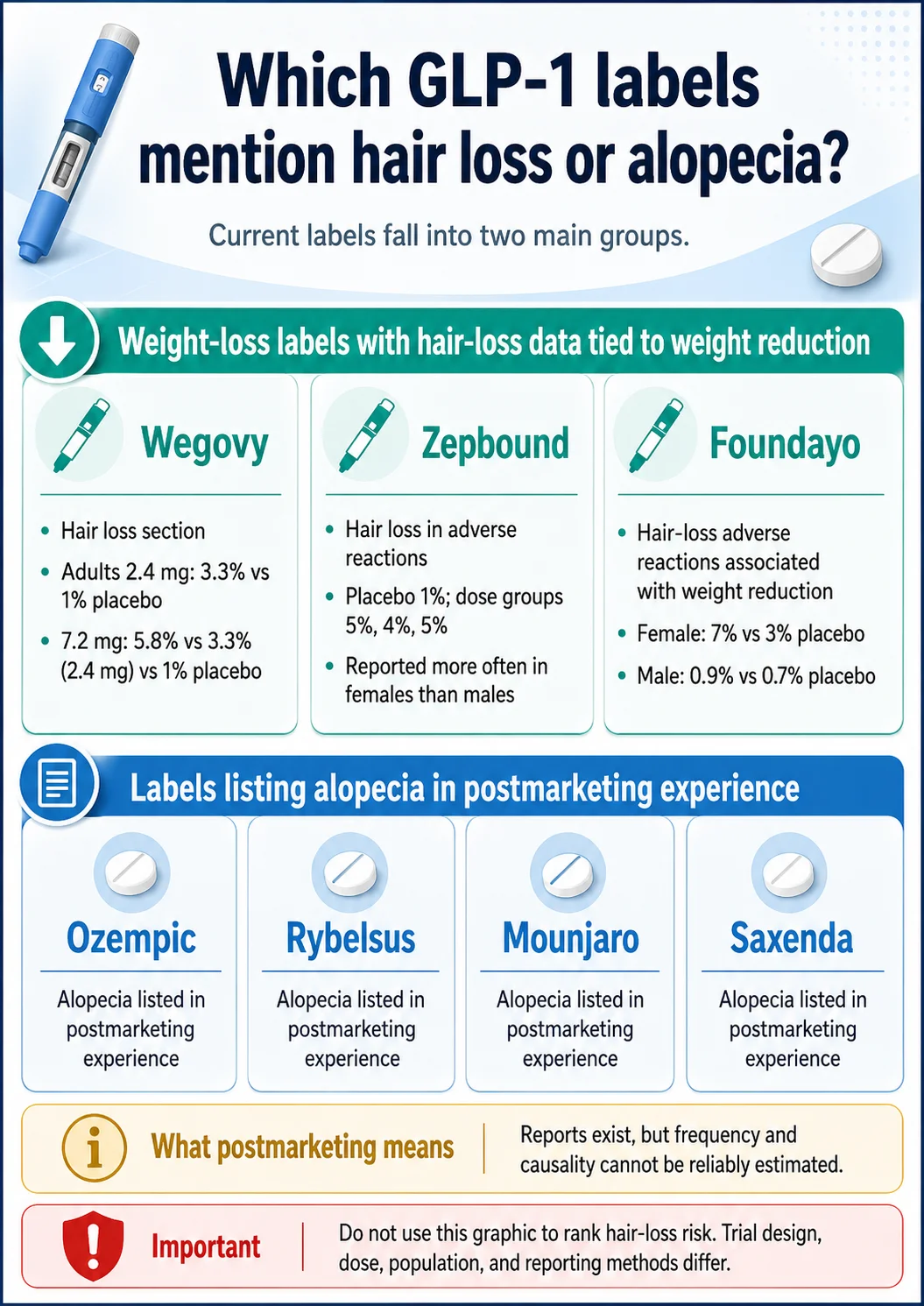
Hair loss trials matter because they serve as the foundational mechanism through which new therapeutic compounds transition from theoretical laboratory concepts to safe, effective, and regulatory-approved clinical treatments for conditions like androgenetic alopecia and alopecia areata. Without rigorous clinical testing, patients and medical professionals would lack verifiable data regarding the efficacy, proper dosing, and side-effect profiles of emerging hair restoration therapies.
The Landscape of Modern Hair Loss Research
Hair loss, medically referred to as alopecia, affects millions of individuals globally, crossing demographic and geographic boundaries. While over-the-counter topicals and legacy prescription medications have existed for decades, the therapeutic pipeline is expanding rapidly. Modern dermatology investigates complex mechanisms—ranging from Janus kinase (JAK) inhibitors that target inflammatory pathways to regenerative medicine involving stem cell therapies and platelet-rich plasma (PRP) enhancements.
Clinical trials represent the scientific bridge between a molecule discovered in a benchtop study and a viable treatment option available at a local pharmacy. Regulatory agencies, such as the U.S. Food and Drug Administration (FDA) and the European Medicines Agency (EMA), require systematic evaluation to grant marketing approval. These trials generate the empirical evidence base necessary to substantiate marketing claims, protect public health, and guide physicians in tailoring evidence-based treatment plans for their patients.
How Hair Loss Clinical Trials Operate
Conducting a clinical trial for hair loss requires a methodical, multi-phase approach designed to isolate variables, measure objective outcomes, and safeguard participant well-being. Understanding this architecture clarifies why the validation process is both time-consuming and resource-intensive.
Phase I: Safety and Tolerability
The initial human testing phase typically involves a small cohort of healthy volunteers or individuals with the target condition. The primary objective is not necessarily to reverse hair loss, but to determine how the human body metabolizes the compound, identify maximum tolerated dosages, and screen for acute adverse events.
Phase II: Efficacy and Dose-Ranging
Once baseline safety is established, Phase II trials expand to a larger group of participants experiencing hair loss. Researchers evaluate therapeutic efficacy, optimal dosing schedules, and potential side effects. In dermatology, this phase often utilizes standardized photography, hair-counting devices (such as phototrichograms), and dermatologist-blinded evaluations to measure changes in hair density and thickness.
Phase III: Confirmatory Large-Scale Studies
Phase III trials involve hundreds or thousands of participants across multiple global sites. These randomized, double-blind, placebo-controlled studies represent the gold standard of scientific evidence. They confirm therapeutic benefits, compare the new intervention against existing standard-of-care treatments or placebos, and monitor for rare or long-term adverse reactions.
Phase IV: Post-Marketing Surveillance
Even after a drug gains regulatory approval, Phase IV studies track long-term safety and real-world performance within broader, more diverse patient populations. This ongoing data collection ensures that rare complications not detected in smaller pre-approval trials are quickly identified and managed.
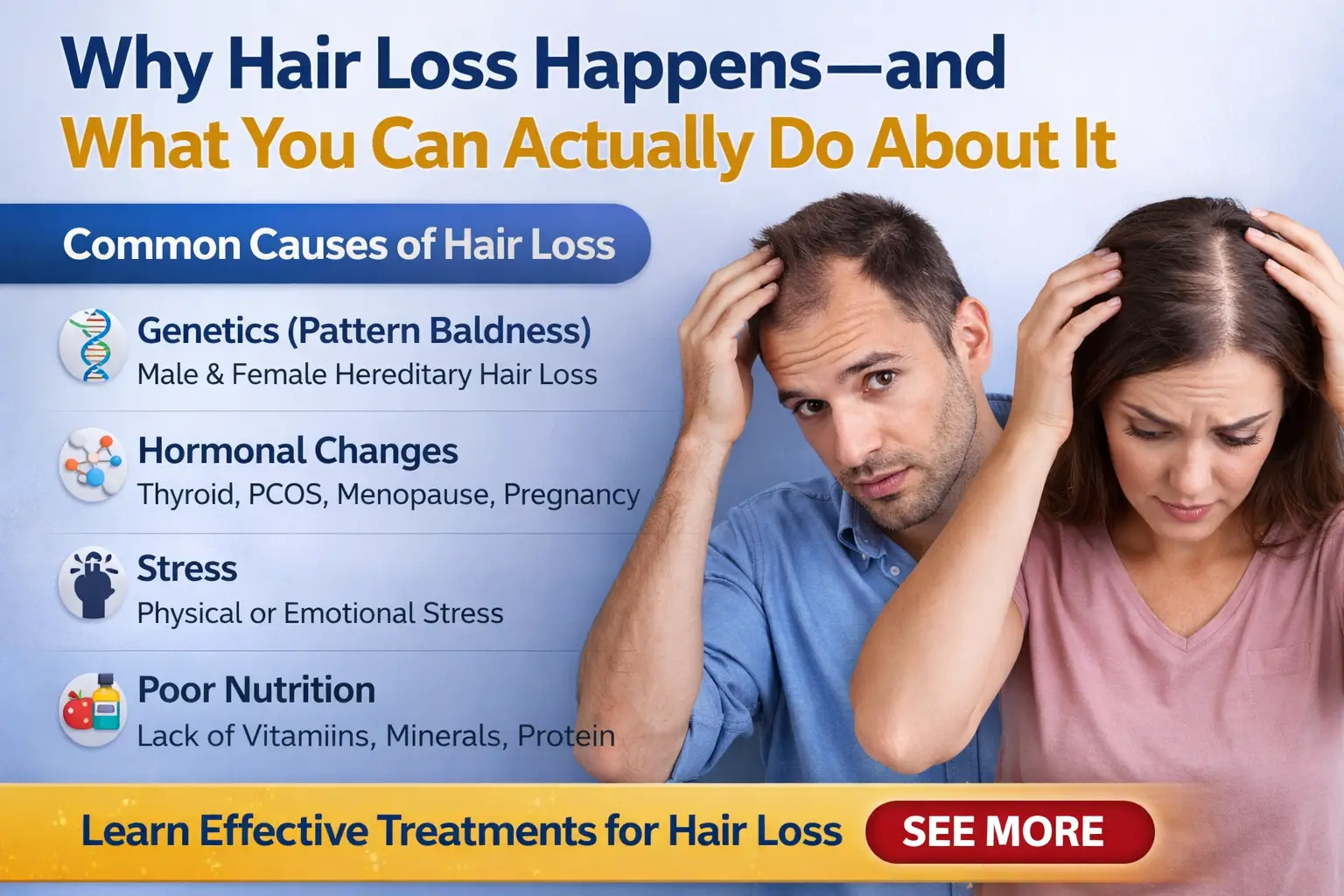
Key Benefits of Participating in Hair Loss Trials
For individuals experiencing hair thinning or progressive baldness, enrolling in a clinical trial offers distinct advantages, though it also requires careful consideration of potential risks.
| Benefit / Consideration | Description | Clinical Implication |
|---|---|---|
| Access to Cutting-Edge Therapies | Participants often receive novel drugs or advanced delivery systems years before commercial release. | Provides potential relief when standard-of-care treatments have failed. |
| Comprehensive Medical Monitoring | Regular assessments by leading dermatologists and specialized research teams. | Ensures continuous health tracking, scalp analysis, and early detection of adverse effects. |
| Reduced Financial Costs | Study medications, diagnostic tests, and clinical visits are typically provided at no cost to the participant. | Lowers the economic barrier to advanced dermatological care. |
| Advancement of Science | Contribution to the collective medical knowledge base regarding hair growth biology. | Helps future generations access safer, more refined therapeutic interventions. |
Medical Disclaimer: Clinical trial participation involves inherent risks, including the possibility of receiving a placebo or experiencing unanticipated side effects from experimental agents. Prospective participants should consult a qualified dermatologist or primary care physician before enrolling in any research study.
Overcoming Historical Limitations in Hair Loss Studies
Historically, hair loss trials faced criticism regarding demographic representation and standardization of measurement tools. Early research predominantly focused on male pattern baldness, leaving female pattern hair loss and distinct cicatricial (scarring) alopecias understudied. Modern trial designs increasingly emphasize diverse cohorts, ensuring that treatments are evaluated across varying hair textures, skin phototypes, and biological sexes.
Furthermore, subjective reporting of hair growth ("Does your hair look thicker?") has been largely replaced by quantitative metrics. Researchers now rely on trichoscopy, computerized hair-weight measurements, and standardized global photographic reviews. This methodological rigor ensures that trial outcomes reflect genuine biological changes rather than placebo effects or optical illusions caused by styling and lighting.
Frequently Asked Questions
What qualifications do I need to join a hair loss clinical trial?
Eligibility criteria vary depending on the specific trial phase and mechanism of action. Requirements typically specify the exact type of alopecia (e.g., androgenetic alopecia versus alopecia areata), the patient's age, baseline hair loss severity staging (such as the Norwood-Hamilton or Ludwig scales), and current medication restrictions.
Will I receive a placebo during a hair loss trial?
Many Phase II and Phase III trials utilize a placebo arm to scientifically prove that the observed hair growth is due to the experimental drug rather than spontaneous fluctuation. Participants are typically informed of the randomization odds prior to signing informed consent documents, and certain trials eventually transition all participants to the active drug in extension phases.
Are participants paid for joining hair loss trials?
Compensation varies by study protocol. While experimental medications, consultations, and diagnostic tests are covered, financial stipends for time and travel expenses are determined by the trial sponsor and institutional review board (IRB) guidelines.
How do I find legitimate hair loss clinical trials?
Patients can search government-maintained registries such as ClinicalTrials.gov (in the United States) or European union registries by entering specific keywords like "alopecia" or "hair loss." Consulting a board-certified dermatologist is also an effective way to learn about recruiting institutional studies.
Conclusion and Next Actions
Hair loss trials matter because they represent the vital engine of dermatological innovation, transforming molecular discoveries into proven solutions for millions of individuals. By maintaining strict scientific standards, these studies protect public health while expanding the boundaries of what modern medicine can achieve in hair restoration.
For those considering participation, the recommended next step is to review active studies on official clinical trial registries, discuss eligibility with a qualified dermatologist, and carefully evaluate the inclusion criteria, potential benefits, and known risks before committing to a research protocol.
Image Gallery
Select an image to open it in a new tab.
Celine Dubois
Contemporary Living and Global Arts Columnist
