
Building sustainable cities in the US involves transforming urban infrastructure through renewable energy integration, energy-efficient building codes, expanded public transit networks, and resilient zoning policies to reduce greenhouse gas emissions and adapt to climate change.
Urban areas in the United States account for a significant share of the nation's energy consumption and carbon emissions. As metropolitan populations continue to grow, municipal leaders, urban planners, and policy-makers face the imperative task of reshaping cities to be environmentally sound, economically viable, and socially equitable. Transforming existing urban centers—and designing new developments—requires a comprehensive approach that addresses transportation, energy generation, waste management, water conservation, and social equity. This guide explores the core strategies, regulatory frameworks, financial mechanisms, and practical challenges involved in building sustainable cities across the United States.
The Core Pillars of US Urban Sustainability
Achieving long-term urban sustainability requires a holistic framework where multiple systems interact to minimize environmental impact. No single intervention can make a city sustainable; rather, progress depends on the integration of land use, mobility, energy systems, and natural resource management.
Land Use and Compact Growth
Traditional American urban expansion has long been characterized by low-density sprawl, which increases automobile dependence, stretches municipal infrastructure budgets, and converts natural or agricultural land into impervious surfaces. Sustainable urban development reverses this pattern through compact, mixed-use zoning.
By encouraging infill development, transit-oriented development (TOD), and vertical growth, cities reduce travel distances between residential areas, commercial centers, and employment hubs. This strategy lowers per-capita greenhouse gas emissions, preserves surrounding ecosystems, and optimizes the delivery of municipal services such as water, sanitation, and emergency response.
Decarbonizing the Energy Grid and Buildings
Buildings are among the largest consumers of energy and emitters of carbon dioxide in the United States. Sustainable cities must address both the operational energy efficiency of structures and the carbon intensity of the power grid supplying them.
- Energy Building Codes: Municipalities are increasingly adopting stringent energy conservation codes, such as net-zero energy building requirements for new municipal and commercial construction.
- Electrification: Transitioning heating, cooling, and cooking systems from fossil fuels to high-efficiency electric heat pumps powered by renewable electricity is a primary municipal goal.
- Decentralized Generation: Integrating rooftop solar photovoltaics, microgrids, and battery storage systems enhances grid resilience while reducing transmission losses.
Modernizing Transportation and Mobility Networks
Transportation represents the largest source of greenhouse gas emissions in the United States. Sustainable cities are actively shifting away from single-occupancy vehicle dominance toward multimodal transportation ecosystems.
Expanding Public Transit Infrastructure
Robust, reliable, and accessible mass transit is the backbone of any sustainable city. Investments in electric bus fleets, Bus Rapid Transit (BRT) corridors, light rail systems, and heavy rail modernizations reduce traffic congestion and vehicular emissions. For public transit to succeed, it must offer seamless connectivity and competitive travel times compared to driving.
Active Transportation and Micro-Mobility
Designing streets for people rather than exclusively for cars improves public health, air quality, and safety. Cities are investing heavily in protected bicycle lanes, wider sidewalks, pedestrian-only zones, and micro-mobility integration (such as shared e-bikes and scooters). The "Complete Streets" design framework ensures that roadway rights-of-way are planned, designed, operated, and maintained to enable safe access for all users, including pedestrians, bicyclists, motorists, and transit riders of all ages and abilities.

Climate Resilience and Infrastructure Adaptation
Mitigating future climate change through carbon reduction is only half the equation; cities must also adapt to the physical impacts of climate change that are already occurring, including extreme heat, sea-level rise, and more frequent severe weather events.
Nature-Based Solutions and Green Infrastructure
Traditional "gray infrastructure" (concrete seawalls, underground storm pipes) is often inflexible and costly to maintain. Sustainable cities increasingly rely on green infrastructure and nature-based solutions to manage stormwater and mitigate urban heat islands.
- Urban Forests and Tree Canopies: Strategic tree planting lowers ambient temperatures, improves air quality, and absorbs carbon dioxide.
- Permeable Pavements and Bioswales: These systems allow stormwater to infiltrate the ground naturally, reducing urban runoff and filtering pollutants before they reach local waterways.
- Green Roofs: Installing vegetation on rooftops provides insulation, reduces energy demand, manages stormwater runoff, and combats the urban heat island effect.
Policy, Financing, and Regulatory Mechanisms
Transitioning a municipality toward sustainability requires robust legislative backing, dedicated funding streams, and innovative public-private partnerships.
Federal legislation, such as the Infrastructure Investment and Jobs Act (IIJA) and the Inflation Reduction Act (IRA), provides historic funding opportunities for clean energy, grid modernization, electric vehicle charging networks, and public transit. At the local level, cities leverage zoning codes, inclusionary housing policies, and municipal bonds to finance green initiatives.
| Strategy Area | Primary Mechanism | Environmental Impact | Economic/Social Benefit |
|---|---|---|---|
| Mobility | Transit-Oriented Development & BRT | Reduces vehicle miles traveled (VMT) | Lowers transportation costs, improves access |
| Buildings | Strict Energy Codes & Electrification | Decreases operational carbon emissions | Lowers utility bills, improves indoor air quality |
| Water/Resilience | Green Infrastructure & Bioswales | Mitigates urban flooding and heat islands | Enhances public spaces, reduces strain on stormwater systems |
| Energy | Municipal Microgrids & Solar Mandates | Integrates renewable energy sources | Increases grid resilience against extreme weather |
Key Challenges in Sustainable Urban Development
Despite significant technological advancements and federal funding availability, urban planners and city officials encounter persistent hurdles when implementing sustainability initiatives.
Funding and Fiscal Constraints
Many cities operate under strict municipal budget constraints and rely heavily on property taxes, which can fluctuate based on economic conditions. Long-term sustainable infrastructure projects often require high upfront capital investments, even though they yield operational savings and environmental benefits over decades. Securing federal grants, green bonds, and private investments requires specialized administrative capacity that smaller municipalities may lack.
Environmental Justice and Equity
A critical challenge in modern urban planning is ensuring that the benefits of sustainability initiatives are distributed equitably across all neighborhoods. Historically, low-income communities and communities of color have experienced disproportionate environmental burdens, such as proximity to highways, industrial facilities, and inadequate tree canopies.
Green gentrification—where sustainability investments drive up property values and displace long-term, low-income residents—remains a major concern. City planners must pair green infrastructure projects with anti-displacement policies, affordable housing protections, and targeted community engagement.
Frequently Asked Questions
What is the difference between a smart city and a sustainable city?
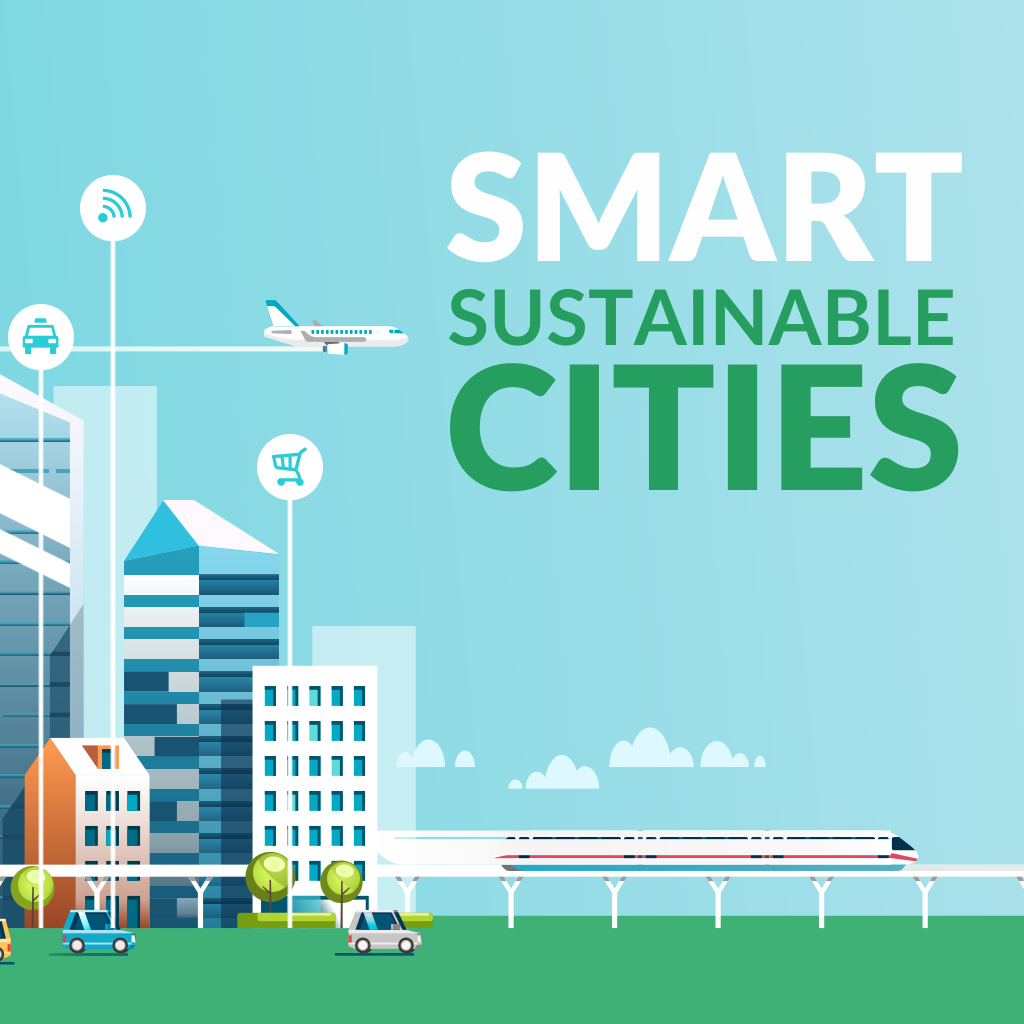
While a sustainable city focuses primarily on environmental stewardship, resource conservation, and reducing carbon footprints, a smart city emphasizes the integration of information and communication technology (ICT) and Internet of Things (IoT) sensors to optimize municipal operations. Many modern initiatives combine both concepts, using data-driven technology to enhance urban sustainability.
How do cities fund large-scale sustainability projects?
Cities utilize a mix of municipal revenue sources, including general obligation bonds, green bonds, public-private partnerships (P3s), and developer impact fees. Additionally, federal programs like the Infrastructure Investment and Jobs Act and grants administered by agencies such as the Environmental Protection Agency (EPA) provide substantial financial support.
What are Complete Streets, and why are they important?
Complete Streets are roadways designed to enable safe, comfortable, and convenient travel for all users, regardless of age, ability, or mode of transportation. They include features like dedicated transit lanes, continuous sidewalks, bike lanes, and accessible pedestrian signals, reducing reliance on automobiles and improving safety.
How can existing older cities adapt to sustainable standards?
Older cities adapt through retrofitting existing building stocks for energy efficiency, converting underutilized industrial zones into mixed-use transit-oriented developments, replacing aging gray infrastructure with green stormwater management systems, and expanding existing public transit networks.
What role do residents play in urban sustainability?
Residents drive sustainability through civic engagement, voting on local bond measures, adopting energy-efficient practices in their homes, participating in local recycling and composting programs, and utilizing public transit or active transportation options. Community-led initiatives often serve as the catalyst for larger municipal policy changes.
Next Actions for Municipal Leaders and Advocates
For city planners, municipal officials, and community advocates working toward sustainable urban development, progress begins with a rigorous baseline assessment of current emissions, infrastructure vulnerabilities, and equity gaps.
- Conduct a Greenhouse Gas Inventory: Establish clear data on municipal and community-wide emissions to prioritize high-impact interventions.
- Engage Communities Early: Establish transparent, inclusive public engagement processes that center frontline and historically underserved communities in decision-making.
- Leverage Federal and State Resources: Align local capital improvement plans with available federal grant opportunities and technical assistance programs.
- Update Regulatory Frameworks: Modernize zoning codes and building standards to remove regulatory barriers to density, renewable energy generation, and green infrastructure.
Image Gallery
Select an image to open it in a new tab.
Lars Thomsen
Global Labor Markets and Economic Strategy Editor
