Why the 2016 Nissan Rogue SV Is Rarely Worth It

Purchasing a used compact crossover often comes down to balancing affordability, reliability, and modern features, but the 2016 Nissan Rogue SV frequently fails to deliver long-term value. While its initial price tag and comfortable interior styling attract budget-conscious buyers, chronic mechanical vulnerabilities—most notably in its continuously variable transmission (CVT)—alongside subpar safety scores and rapid depreciation make it a risky investment compared to segment rivals like the Toyota RAV4 or Honda CR-V.
Introduction to the 2016 Nissan Rogue SV
The compact SUV market is fiercely competitive, dominated by practical vehicles designed to handle daily commuting, family transport, and weekend road trips with minimal fuss. During the mid-2010s, the Nissan Rogue surged in popularity, becoming one of the best-selling crossovers in North America. The SV trim sat comfortably in the middle of the lineup, offering desirable upgrades over the base S model, such as dual-zone automatic climate control, a power driver’s seat, alloy wheels, and NissanConnect infotainment integration.
On paper, a used 2016 Nissan Rogue SV looks like a bargain. Used car lots are frequently stocked with these models, often listed at attractive price points well below comparable Honda, Toyota, or Mazda vehicles of the same vintage. However, experienced automotive technicians, consumer advocacy groups, and used car market analysts routinely advise prospective buyers to exercise extreme caution.
Behind the appealing exterior styling and spacious "Zero Gravity" seats lie persistent engineering shortcomings. Chief among these is the Xtronic continuously variable transmission, which has a documented history of premature failure, shuddering, and catastrophic breakdown. When combined with declining resale values, costly out-of-warranty repairs, and underwhelming crash-test refinements compared to newer models, the 2016 Rogue SV rarely proves worth the financial risk. This analysis explores the technical, financial, and practical reasons why buyers should look elsewhere when shopping for a used compact SUV.
The Transmission Problem: The Xtronic CVT Vulnerability
The single most significant factor undermining the long-term value of the 2016 Nissan Rogue SV is its powertrain, specifically the Xtronic continuously variable transmission. Unlike traditional automatic transmissions that rely on discrete physical gears, a CVT uses a system of pulleys and a steel belt to provide a seemingly infinite range of gear ratios. Proponents praise CVTs for maximizing fuel efficiency and delivering smooth, seamless acceleration. Unfortunately, the iteration used in the 2016 Rogue has earned a notorious reputation for mechanical failure.
Owners of the 2016 model frequently report symptoms that begin subtly: minor hesitation when shifting from park to drive, a slight shudder or shaking during acceleration from a complete stop, and a persistent whining or buzzing noise at highway speeds. Left unaddressed, these symptoms often escalate into severe transmission slip, sudden limp mode activation, and total mechanical failure.
Replacing a failed Nissan CVT is rarely a minor or inexpensive fix. Because Nissan dealerships and independent transmission specialists typically do not rebuild these units internally, owners are usually forced to purchase a completely remanufactured assembly. Costs for a replacement transmission frequently range from $3,500 to $5,500 including labor. On a used vehicle valued in the low-to-mid single-digit thousands, a transmission failure can easily exceed the total remaining market value of the car, effectively turning the vehicle into a total financial loss.
While Nissan extended the warranty on the CVT for certain model years following extensive consumer backlash and class-action litigation, the vast majority of 2016 models have long since aged past those coverage windows. Purchasing a used 2016 Rogue SV today almost always means absorbing the full financial exposure of a potential transmission failure.
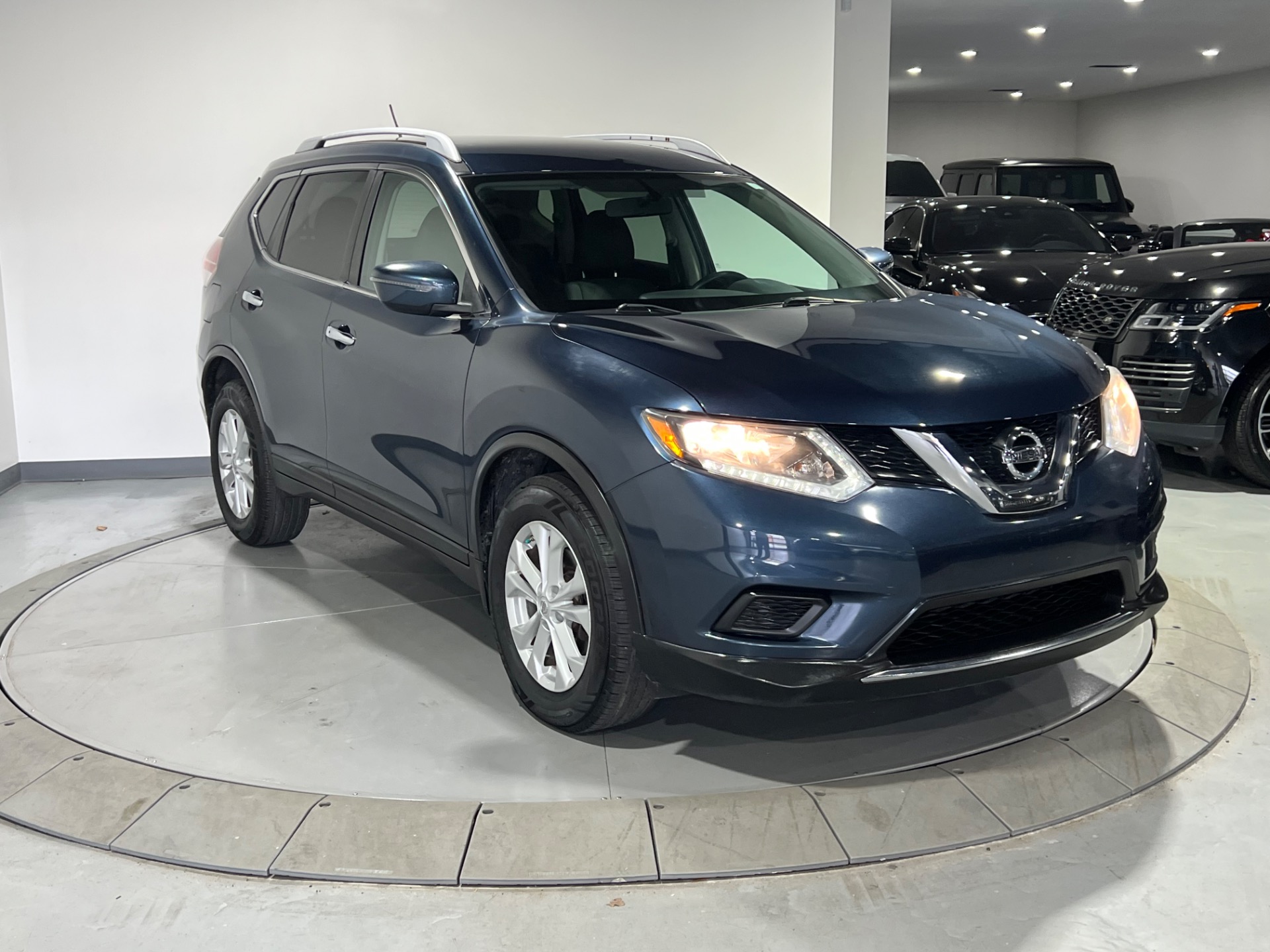
Engine Performance and Drivetrain Limitations
Beyond the transmission, the mechanical ecosystem of the 2016 Nissan Rogue SV leaves much to be desired. Under the hood lies a 2.5-liter naturally aspirated four-cylinder engine producing 170 horsepower and 175 pound-feet of torque. While adequate for basic city commuting, this powertrain feels strained and underpowered when the vehicle is fully loaded with passengers and cargo.
Pressing the accelerator hard to merge onto a fast-moving highway results in a loud, unrefined drone from the engine bay, as the CVT forces the four-cylinder mill to hold high RPMs to build momentum. Fuel economy figures—roughly 26 mpg city and 33 mpg highway for front-wheel-drive models—were competitive when the vehicle was new, but they fail to offset the mechanical liabilities.
Furthermore, buyers evaluating all-wheel-drive (AWD) variants should note that the system adds mechanical complexity without transforming the vehicle into a true off-roader. The Rogue SV AWD is designed primarily for slippery weather conditions rather than rugged terrain, and the additional drivetrain components introduce more points of failure, increasing long-term maintenance overhead.
Comparative Overview of Used Compact SUVs (2016 Model Year)
To understand why the 2016 Nissan Rogue SV struggles to hold its value against competitors, it is helpful to compare it directly with other popular compact crossovers from the same production era.
| Make and Model | Primary Mechanical Weakness | Typical Used Market Reliability | Expected Longevity (Miles) | Ride & Cabin Refinement |
|---|---|---|---|---|
| 2016 Nissan Rogue SV | Xtronic CVT failure, oil consumption | Below Average | 130,000 – 160,000 | Comfortable seats, loud engine drone |
| 2016 Toyota RAV4 LE/XLE | Minor infotainment glitches, suspension wear | Excellent | 200,000 – 250,000 | Firm ride, highly durable interior |
| 2016 Honda CR-V EX | AC compressor issues (early models), oil dilution (minor) | Above Average | 200,000 – 250,000 | Spacious, quiet, responsive handling |
| 2016 Mazda CX-5 Touring | Infotainment screen delamination, brake wear | Above Average | 180,000 – 220,000 | Sporty handling, premium interior feel |
As illustrated above, vehicles like the Toyota RAV4 and Honda CR-V routinely surpass the 200,000-mile mark with basic preventative maintenance, whereas the 2016 Rogue SV often requires major powertrain intervention before reaching that milestone.
Interior Comfort versus Build Quality
One area where the 2016 Nissan Rogue SV historically drew praise is its cabin layout. Nissan equipped these models with its widely acclaimed "Zero Gravity" front seats, which were engineered using ergonomic data inspired by NASA to reduce fatigue during long drives. For highway commuters, these seats remain genuinely comfortable and represent one of the vehicle's strongest selling points.
The SV trim also introduced generous passenger space and a clever cargo management system known as the Divide-N-Hide cargo floor. This system allows owners to configure shelves and dividers in the rear cargo area to organize groceries, luggage, or equipment securely.
However, a closer inspection reveals compromises in overall build quality. Cabin materials on the 2016 Rogue SV age poorly compared to its peers. Owners frequently report premature wear on steering wheel wrapping, peeling chrome trim around the center console, and dashboard rattles that develop over time. The infotainment technology—featuring a modest 5-inch color display in the SV trim—feels thoroughly outdated by modern standards, lacking standard smartphone integration features like Apple CarPlay or Android Auto unless upgraded via aftermarket head units.
Safety Ratings and Consumer Complaints
When evaluating a used family vehicle, safety performance is a paramount concern. The 2016 Nissan Rogue received mixed reviews from major safety authorities. While the National Highway Traffic Safety Administration (NHTSA) awarded the vehicle a four-star overall safety rating, it scored lower in specific frontal crash evaluations.
Concurrently, the Insurance Institute for Highway Safety (IIHS) designated the 2016 Rogue as a Top Safety Pick when equipped with optional front crash prevention systems, but noted that structural performance in small overlap frontal crashes left room for improvement compared to redesigned competitors.
Consumer complaint registries maintained by the NHTSA highlight recurring patterns of electrical issues, premature brake wear, and air conditioning compressor failures alongside the dominant transmission grievances. The sheer volume of formal complaints logged against the 2016 model year underscores why insurance and consumer protection organizations urge caution when vetting these vehicles.
Financial Realities: Depreciation and Cost of Ownership
The financial argument against purchasing a used 2016 Nissan Rogue SV extends beyond potential repair bills into how the vehicle holds its monetary value. Because of their reputation for mechanical unreliability, older Nissans tend to depreciate faster than comparable Toyotas or Hondas.
While rapid depreciation might seem like a benefit for a used car buyer looking for an upfront discount, it creates a negative equity trap. If a buyer finances a 2016 Rogue SV, the vehicle's market value may drop faster than the loan balance is paid down. Coupled with the high probability of an expensive out-of-warranty mechanical failure, the total cost of ownership can quickly surpass that of a more expensive, higher-quality alternative.
Insurance premiums for the 2016 Rogue are generally average for the compact SUV class, but high repair costs for electronic driver-assistance components and body panels can drive up collision repair estimates. When factoring in fuel, maintenance, and depreciation, the low initial purchase price of a used Rogue SV often proves deceptive.
Alternatives to Consider
Shoppers who appreciate the footprint, cargo versatility, and comfort of the Nissan Rogue but want to avoid its mechanical pitfalls have several superior alternatives available in the used marketplace:
- Toyota RAV4 (2015–2017): Offers legendary reliability, robust resale value, and a more durable conventional automatic transmission.
- Honda CR-V (2015–2017): Features a cavernous interior, excellent fuel economy, and strong safety ratings. Note that 2015 and 2016 models feature a 2.4-liter engine paired with a CVT, but Honda's CVT engineering in this era has proven significantly more robust than Nissan's implementation.
- Mazda CX-5 (2016–2018): Delivers engaging driving dynamics, an upscale interior cabin, and a traditional six-speed automatic transmission that avoids CVT-related anxieties.
Frequently Asked Questions
Did Nissan issue a recall for the 2016 Nissan Rogue transmission?
Nissan did not issue a formal safety recall for the transmission, but they did issue technical service bulletins (TSBs) and extended the warranty coverage for certain model years and vehicle identification numbers (VINs) due to widespread consumer complaints regarding CVT shudder and failure.
What are the most common signs of a failing Nissan CVT?
Common warning signs include delayed engagement when shifting into gear, persistent whining or buzzing noises while driving at highway speeds, severe shuddering during acceleration, and the vehicle entering "limp mode" where engine power is drastically restricted.
Is the 2016 Nissan Rogue SV good on gas?
Yes, front-wheel-drive models achieve an EPA-estimated 26 mpg in the city and 33 mpg on the highway, which remains respectable for a compact crossover of that era.
Does the 2016 Nissan Rogue SV have Apple CarPlay?
No, the factory infotainment system on the 2016 Nissan Rogue SV does not support Apple CarPlay or Android Auto natively. Integrating these features requires replacing the factory head unit with an aftermarket stereo system.
How many miles can a 2016 Nissan Rogue realistically last?
While properly maintained vehicles can occasionally surpass 150,000 miles, the statistical likelihood of experiencing a major powertrain failure before that milestone is notably higher than industry averages for the compact SUV segment.
Final Recommendation
Purchasing a used vehicle requires careful balancing of upfront costs against future risk. While the 2016 Nissan Rogue SV presents an attractive facade with its comfortable seating, ample cargo solutions, and budget-friendly sticker price, the underlying mechanical realities cannot be ignored. The high incidence of costly CVT failures, combined with unrefined performance, outdated technology, and rapid depreciation, makes it a poor long-term investment. Prospective buyers are strongly advised to invest their money in more dependable alternatives like the Toyota RAV4 or Mazda CX-5 to ensure peace of mind on the road.
Image Gallery
Select an image to open it in a new tab.

Declan O'Connor
Higher Education and Campus Culture Reporter
