
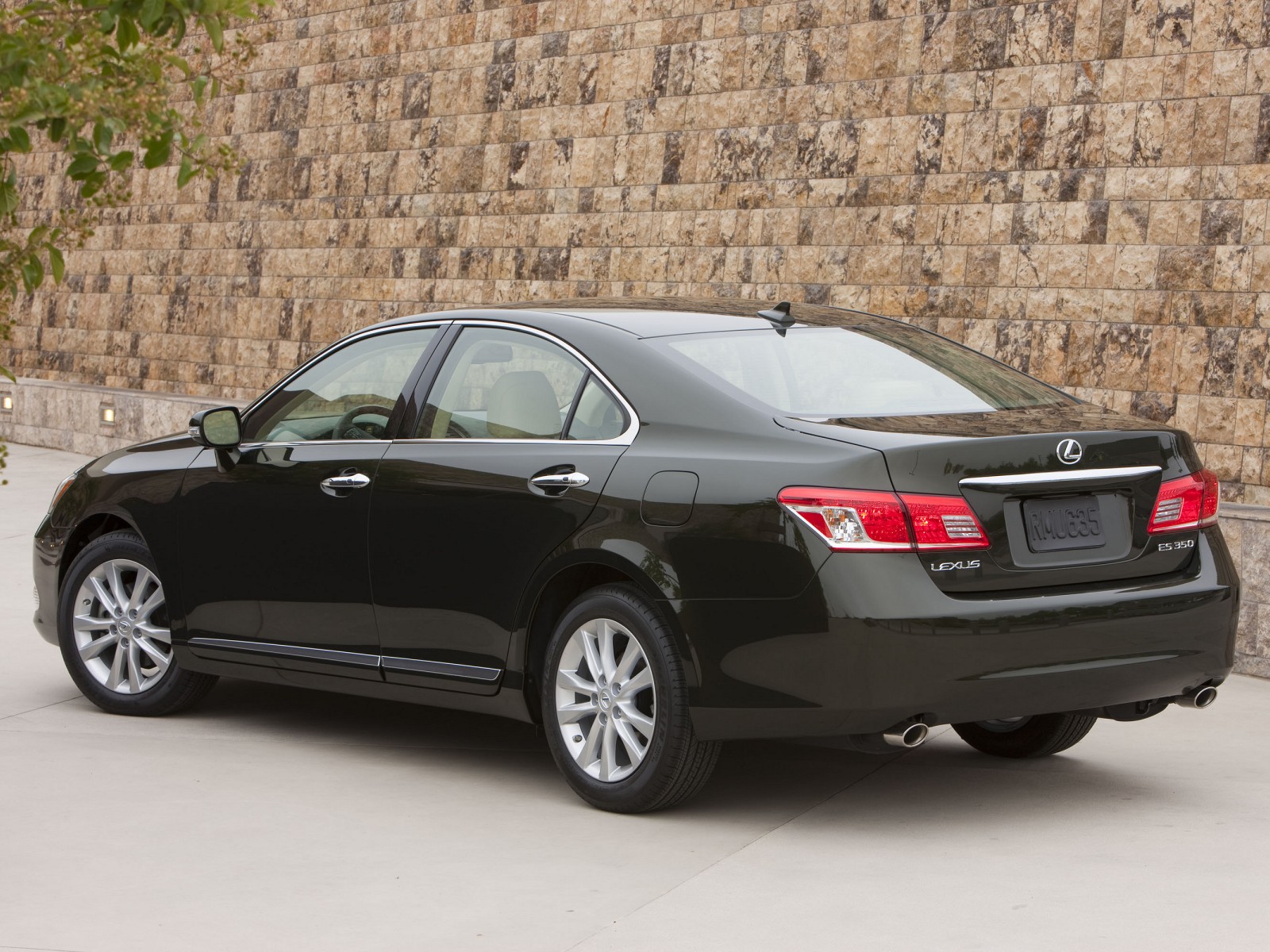
The 2010 Lexus ES 350 produces 272 horsepower at 6,200 rpm and 254 lb-ft of torque at 4,700 rpm. This performance is generated by a 3.5-liter V6 engine (2GR-FE), paired with a six-speed automatic transmission. The sedan was designed to prioritize smooth, refined power delivery over raw sports-car aggression, emphasizing comfortable acceleration for luxury commuting.
Engineering the Powerplant: The 2GR-FE Engine
The heart of the 2010 Lexus ES 350 is the 3.5-liter V6 engine, a staple of the Toyota and Lexus lineup during that era. Known internally as the 2GR-FE, this engine uses a 60-degree V-angle and an aluminum block and cylinder heads to keep weight relatively low while maintaining structural integrity. The use of Dual Variable Valve Timing with intelligence (VVT-i) is the primary reason the engine achieves its 272 horsepower rating.
VVT-i manages the timing of the intake and exhaust valves based on operating conditions. At low engine speeds, it maximizes torque to ensure smooth off-the-line performance, which is a hallmark of the ES experience. As the RPMs rise toward the 6,200 rpm peak where maximum horsepower is realized, the system adjusts to allow for greater air intake, ensuring the engine breathes efficiently under load. This sophisticated management allows the 3.5L engine to remain punchy during highway merging while staying remarkably quiet and vibration-free during cruising—the defining objective of the ES model line.
Transmission and Power Delivery
While engine output is measured in crankshaft horsepower, the actual performance of the 2010 Lexus ES 350 is dictated by how that power is translated to the wheels via the six-speed automatic transmission. This electronically controlled transmission (ECT-i) was designed to match the character of the engine.
Unlike the aggressive, quick-shifting gearboxes found in performance-oriented vehicles of the same vintage, the 2010 ES 350 transmission focuses on seamlessness. The "intelligence" in the ECT-i system allows it to adapt to driver behavior, holding gears slightly longer during spirited driving or upshifting quickly during relaxed highway travel. This refinement ensures that the 272 hp is delivered in a linear fashion, preventing the "surge and lag" feel often associated with smaller turbocharged engines. For the driver, this means a predictable throttle response that prioritizes passenger comfort while providing more than enough power to navigate modern traffic conditions with ease.
Performance Context: What 272 Horsepower Means in 2026
In the automotive landscape of 2026, 272 horsepower might seem modest compared to modern turbocharged four-cylinder engines or electric vehicle powertrains. However, context is vital. The 2010 Lexus ES 350 remains a highly capable vehicle because its weight-to-power ratio was optimized for its specific niche: entry-level luxury comfort.
| Performance Metric | Specification / Detail |
|---|---|
| Engine Type | 3.5-Liter V6 (2GR-FE) |
| Peak Horsepower | 272 hp @ 6,200 rpm |
| Peak Torque | 254 lb-ft @ 4,700 rpm |
| Transmission | 6-Speed Electronically Controlled Automatic |
| Drivetrain | Front-Wheel Drive (FWD) |
| Estimated 0–60 mph | Approximately 6.8–7.0 Seconds |
The vehicle is capable of a 0–60 mph sprint in the high 6-second range, which is perfectly adequate for merging onto high-speed interstates and passing slower traffic. The focus here was never to compete with the sport-sedan segment (like the BMW 3 Series or the Lexus IS series), but rather to provide a serene experience where the power is present but never intrusive. Even in 2026, owners report that the power delivery feels "ample" for daily commuting, proving that the 2GR-FE engine’s design has aged well in terms of reliability and daily usability.
Maintenance Factors Affecting Performance
To ensure the 2010 Lexus ES 350 continues to produce its rated horsepower, proper maintenance is essential. As these vehicles enter their second decade of life, original components that were once at peak performance may begin to degrade.
- Air Intake System: The 3.5L V6 is sensitive to air restriction. A clogged engine air filter can starve the combustion chamber of the oxygen required to reach peak power. Replacing the air filter at the recommended intervals is the simplest way to maintain the factory horsepower rating.
- Spark Plugs: Lexus specifies iridium-tipped spark plugs for the 2GR-FE. These are designed for long life, but once they wear out, misfires or incomplete combustion can occur, leading to a noticeable drop in acceleration responsiveness.
- Transmission Fluid: Though Lexus marketed this transmission as "sealed for life," long-term owners often recommend periodic fluid drain-and-fill services to keep the shift solenoids operating correctly. If the transmission struggles to downshift, the car will feel slower regardless of the engine's health.
- Fuel Quality: The engine is tuned to run on 87-octane fuel; however, using lower-quality fuel or allowing fuel injectors to become dirty can lead to timing retardation by the engine's Electronic Control Unit (ECU), which will reduce the engine's output to protect it from knocking.
Comparison to Contemporary Alternatives
When comparing the 2010 Lexus ES 350 to its contemporaries, the horsepower figure sits squarely in the middle of the luxury sedan pack. The V6 configuration was chosen for its smoothness over the then-emerging trend of turbocharged four-cylinders.
The main advantage of the 3.5L V6 is its torque curve. While a 2010 turbocharged 2.0L engine might match the 272 hp at the top end, it would often lack the mid-range "punch" that the larger displacement 3.5L provides. The 2GR-FE engine provides a consistent, wave-like delivery of power that requires less transmission downshifting to get moving. This makes the 2010 ES 350 feel "effortless" in the eyes of many owners, a key selling point for those who prioritize a relaxed driving experience over the high-strung, peaky performance of smaller, boosted engines.
Troubleshooting Performance Issues
If a 2010 ES 350 feels like it is not delivering its expected 272 horsepower, there are several diagnostic steps to consider. Most often, the issue is not mechanical failure but a sensor-related restriction.
- Mass Air Flow (MAF) Sensor: This sensor measures the amount of air entering the engine. Over time, the sensing wire can become contaminated with oil or dirt, leading to incorrect air/fuel ratio calculations. Cleaning the MAF sensor with a dedicated aerosol cleaner is a common and highly effective remedy.
- Throttle Body Carbonization: Direct and port fuel injection systems can accumulate carbon deposits on the throttle plate. If the plate cannot open fully or reacts slowly, the engine will feel sluggish. A professional throttle body cleaning can restore crisp throttle response.
- Exhaust Backpressure: As the vehicle ages, the catalytic converters can become partially clogged. If exhaust gases cannot escape efficiently, the engine will lose power, especially at higher RPMs. If the car feels like it "runs out of breath" when merging onto a highway, this may be a culprit.
Considerations for Prospective Owners in 2026
For those looking at purchasing a 2010 Lexus ES 350 today, the horsepower rating serves as a baseline for the car's overall capability. Because the vehicle is now a long-term reliable choice, buyers should prioritize service records over raw mileage. A well-maintained engine with 150,000 miles will likely perform closer to its 272 hp rating than a neglected engine with 80,000 miles.
When test-driving, pay attention to the transition between 2nd and 3rd gear. If the power delivery is jerky or hesitant, it may suggest that the engine management system is struggling to coordinate with the transmission. If the vehicle pulls smoothly and the transmission shifts are nearly imperceptible, the mechanical systems are likely operating within their intended parameters. Always verify that the timing cover is free of leaks, as the 2GR-FE is known for potential leaks in this area, which do not directly impact power but suggest deferred maintenance.
Frequently Asked Questions
Does the 2010 Lexus ES 350 require premium fuel to achieve its 272 hp? No, the 2010 Lexus ES 350 is designed to operate on regular 87-octane unleaded gasoline. The engine's ECU is programmed to manage ignition timing effectively on standard fuel. While using premium may provide a negligible benefit in preventing knocking under extreme heat or heavy load, it does not provide a performance increase in terms of horsepower output.
How does the 272 hp engine affect the vehicle's fuel economy? The 2010 ES 350 achieves an EPA-estimated 19 mpg city and 27 mpg highway. Because the engine has enough power to move the car without needing to rev high, highway fuel economy is quite efficient for a V6 of that era. However, fuel economy is highly sensitive to driving style; aggressive acceleration will quickly drop these figures, as the 3.5L engine consumes more fuel when the VVT-i system is maximizing air intake.
Is the 2010 ES 350 considered a "fast" car? The 2010 ES 350 is quick but not "fast" by modern sports car standards. Its acceleration is brisk and confident, making it excellent for daily driving, passing, and highway cruising. It is engineered for comfort, so the suspension and steering are weighted toward a soft, isolated feel rather than high-performance handling or rapid acceleration.
Are there known issues with the 2010 ES 350 engine that cause power loss? The 2GR-FE is generally reliable, but it is susceptible to carbon buildup in the intake tract over many years and high mileage. Additionally, some models may experience issues with the Variable Valve Timing (VVT) oil hose, which should be replaced if it has not been done, as a failure here could lead to engine damage. Routine oil changes are the most important factor in keeping this engine running at full power.
Can I modify the engine to get more than 272 hp? While aftermarket intakes and exhaust systems are available for the 2GR-FE engine, they generally provide only marginal horsepower gains. The Lexus ES 350 platform is not optimized for performance tuning, and modifications often introduce cabin noise and vibration, which detract from the vehicle's primary luxury objective. It is generally recommended to keep the engine factory-stock for reliability and comfort.
How does the FWD setup handle the 272 hp? The 2010 ES 350 is front-wheel drive, and while 272 hp is a fair amount of power for FWD, Lexus implemented a sophisticated traction control system to manage it. Under heavy acceleration, some torque steer—where the steering wheel pulls to one side—is normal, but the chassis is tuned to remain composed. It is not intended for performance driving, so the power is well-managed for standard road conditions.
Final Recommendation
The 2010 Lexus ES 350 offers a refined balance of power and comfort that continues to hold value for the modern driver. To maintain its 272 hp output, focus on consistent, high-quality synthetic oil changes and air intake maintenance. If you are experiencing a loss of performance, prioritize cleaning the Mass Air Flow sensor and checking for vacuum leaks before considering more intensive mechanical repairs. For those who prioritize a smooth, V6-powered driving experience over raw speed, the 2010 model remains a compelling choice.

Image Gallery
Select an image to open it in a new tab.

Akira Tanaka
International Academic Trends Correspondent
