
Water is a chemical compound composed of two primary elements: hydrogen and oxygen. Specifically, each water molecule consists of two hydrogen atoms covalently bonded to a single oxygen atom, creating the chemical formula H2O. This simple molecular structure dictates the unique physical and chemical properties that make water essential for life on Earth.
The Molecular Architecture of Water
At the most fundamental level, water is not a single element but a compound formed through the interaction of hydrogen and oxygen. When these atoms combine, they form a bent molecular geometry. The oxygen atom sits at the center, sharing its electrons with two hydrogen atoms. This arrangement is crucial; because oxygen is more electronegative than hydrogen, it pulls the shared electrons closer to itself.
This electron distribution creates a permanent dipole moment. The oxygen side of the molecule carries a partial negative charge, while the hydrogen side carries a partial positive charge. This polarity is the reason water acts as a "universal solvent," capable of dissolving a vast array of substances, including salts, sugars, acids, and gases. Without this specific arrangement of hydrogen and oxygen, the chemical reactions necessary for biological processes could not occur.
Hydrogen and Oxygen: The Elemental Building Blocks
To understand what makes up water, one must look at the characteristics of its constituent elements. Hydrogen is the lightest and most abundant element in the universe, typically existing as a gas under standard temperature and pressure. Oxygen, by contrast, is a highly reactive non-metal that is essential for respiration in most living organisms.
When hydrogen and oxygen combine to form water, the resulting compound exhibits properties that are vastly different from the gases from which it originated. Under normal atmospheric pressure at room temperature, water exists as a liquid—a state made possible by the strength of the bonds between molecules. Hydrogen bonding, the attractive force between the positive hydrogen of one molecule and the negative oxygen of another, is the primary reason water remains liquid at temperatures that would vaporize similarly sized molecules like methane.
The Role of Hydrogen Bonding in Physical States
The physical behavior of water—its transition between ice, liquid, and vapor—is governed by the continuous making and breaking of hydrogen bonds. As water cools toward its freezing point, the molecules arrange themselves into a structured, hexagonal lattice. This lattice takes up more space than the disordered arrangement found in liquid water, which explains why ice is less dense than liquid water and why it floats.
This density anomaly is vital for the survival of aquatic ecosystems. If water behaved like most other substances, ice would sink to the bottom of lakes and oceans, potentially freezing entire bodies of water solid from the bottom up. Instead, the floating ice layer acts as an insulator, protecting the liquid water beneath and allowing marine life to endure harsh winter climates.
Chemical Composition and Impurities
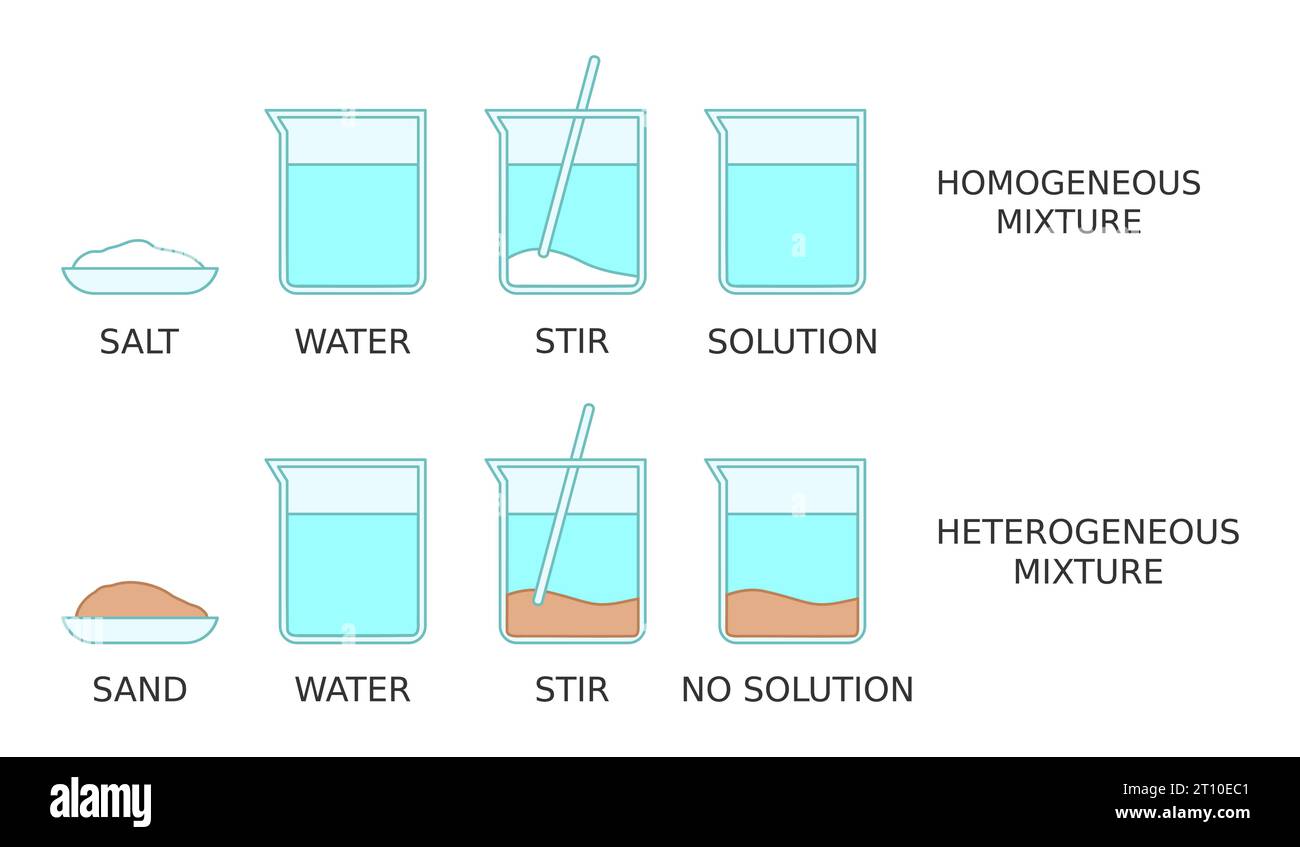
While the chemical definition of water is strictly H2O, water in the natural world rarely exists in a perfectly pure state. In the environment, water acts as a solvent, absorbing minerals, gases, and organic materials as it moves through the hydrological cycle. Consequently, what we perceive as "water" is often a solution containing various dissolved substances.
When analyzing the composition of water for human use, scientists categorize these additives as either natural or anthropogenic:
- Dissolved Minerals: Calcium, magnesium, and potassium are common ions found in groundwater. These define the "hardness" of water, which refers to the mineral content.
- Dissolved Gases: Oxygen and carbon dioxide are naturally absorbed by water from the atmosphere.
- Trace Contaminants: Depending on the source, water may contain traces of metals, pesticides, or microbial life that are not part of the H2O molecule itself but are physically carried by the fluid.
The distinction between the substance of water (H2O) and the impurities it contains is critical in fields ranging from laboratory research to industrial manufacturing. In high-precision settings, engineers use processes like reverse osmosis, distillation, or deionization to remove these extra substances, ensuring that the water being used is as close to pure H2O as possible.
Comparison of Water Quality Standards
The following table differentiates between various levels of water purity based on the intended application. Note that "purified" water refers to the removal of dissolved substances, not the molecular structure of water itself.
| Water Classification | Primary Characteristics | Common Use Cases |
|---|---|---|
| Distilled Water | Boiled and condensed to remove minerals | Lead-acid batteries, steam irons, lab tests |
| Deionized Water | Ions removed via ion-exchange resins | Pharmaceutical manufacturing, electronics |
| Potable (Tap) Water | Treated to meet safety standards for humans | Drinking, cooking, sanitation |
| Hard Water | High concentrations of calcium/magnesium | Municipal supply (natural source) |
| Ultrapure Water | Minimum resistivity (no ions present) | Semiconductor fabrication, microelectronics |
The Hydrological Cycle and Environmental Interactions
Water’s chemical makeup remains constant, but its physical location and the substances it carries change through the hydrological cycle. As water evaporates from oceans, it leaves behind dissolved salts, effectively undergoing a natural distillation process. As this vapor condenses into clouds and falls as precipitation, it is relatively pure. However, as it travels across the surface of the Earth, it picks up new substances through erosion and contact with biological matter.
This cycle is the primary mechanism for distributing minerals across the planet. The substance we drink is a dynamic blend of H2O and the chemical signature of the landscape it has traversed. Understanding this provides a deeper appreciation for why water from a mountain spring tastes and behaves differently than water from a deep limestone aquifer.
FAQ: Understanding the Nature of Water
Is water an element or a compound? Water is a chemical compound. An element is a substance consisting of only one type of atom, whereas water is composed of two different elements—hydrogen and oxygen—chemically bonded together.
Why does water contain minerals if it is just H2O? Water is a universal solvent. As it flows through rocks and soil, it naturally dissolves minerals like calcium and magnesium. These substances are dissolved into the water, meaning they exist as separate ions within the H2O medium.
What is the difference between hard and soft water? Hard water contains high levels of dissolved calcium and magnesium ions. Soft water is low in these minerals, often because it has been filtered or treated to remove them, or because it originated from a source with little mineral contact.
Can we create water in a laboratory? Yes. By igniting hydrogen gas in the presence of oxygen, a chemical reaction occurs that produces water. This is a highly exothermic reaction, but it effectively demonstrates the synthesis of H2O from its elemental components.
Does boiling change the chemical makeup of water? Boiling changes the physical state of water from liquid to gas (steam). It can remove certain biological impurities and volatile organic compounds, but it does not change the H2O molecules themselves, nor does it remove dissolved minerals (in fact, it may concentrate them as some water evaporates).
Practical Next Steps for Water Quality Assessment
If you are concerned about the substances present in your local water supply, the most practical step is to consult your local municipal water quality report. These reports, often provided by public utilities, detail the specific concentrations of minerals and potential contaminants found in the treated water delivered to your area.
For private well owners, regular testing by a certified laboratory is essential. Because well water does not undergo the standardized, controlled treatment of municipal systems, it is more susceptible to fluctuations in mineral content and potential biological or chemical contamination. By obtaining a water analysis, you can determine if you need to install point-of-use filtration, such as a reverse osmosis system or a water softener, to align your water's composition with your specific needs.
Image Gallery
Select an image to open it in a new tab.



Lars Thomsen
Global Labor Markets and Economic Strategy Editor
