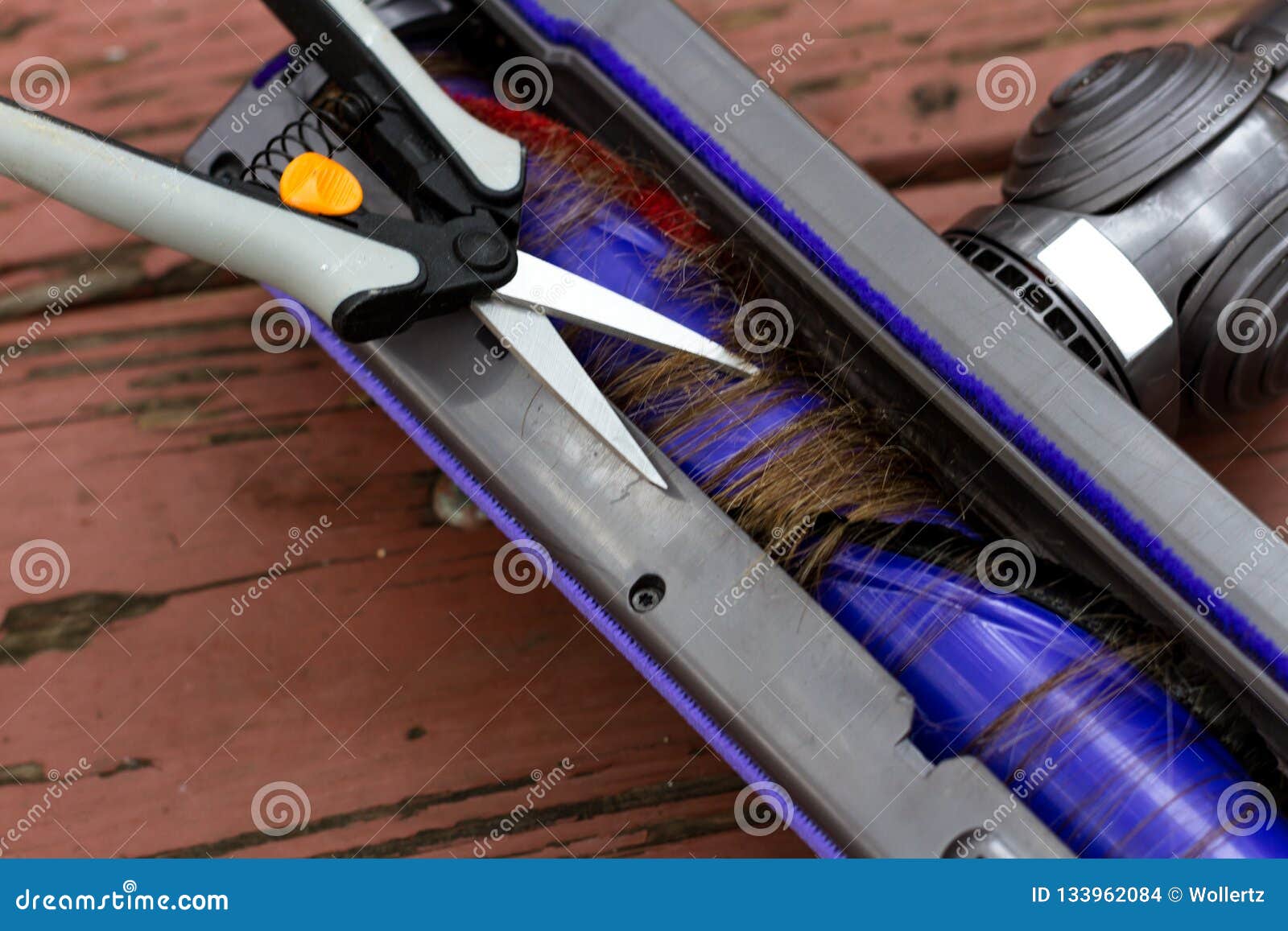
The vacuum that does not tangle hair is an engineered solution to the common problem of long fibers, such as human hair and pet fur, winding tightly around the floorhead’s brush roll. By utilizing active de-tangle combs, specialized bristle patterns, or airflow-driven cutting mechanisms, these vacuums automatically clear hair during operation, eliminating the need for manual removal.
The Mechanics of Hair Tangling
To understand how anti-tangle vacuums function, it is essential to first recognize why traditional vacuum cleaners fail when faced with hair. A standard brush roll is essentially a rotating rod equipped with bristles. As the brush spins against the carpet or hard floor, it creates static friction and mechanical agitation that lifts debris. However, this same rotation creates a "spooling" effect. Once a single hair catches on a bristle or a gap in the brush, it winds around the circumference of the roller.
As more hair is picked up, it wraps over previous layers, eventually forming a thick, solidified mass that mimics a rope. This hair wrap increases the diameter of the brush roll, which can impede rotation, strain the motor, and reduce the effectiveness of the suction. In extreme cases, the friction can cause the brush roll belt to melt or the motor to overheat and trigger a thermal cutoff. Traditional solutions involved using scissors or a seam ripper to manually cut away this buildup—a time-consuming and often unhygienic task.
How Anti-Tangle Technology Works
Manufacturers have developed several distinct mechanical approaches to solve this problem. These technologies fall into three primary categories: physical barriers, automated grooming, and airflow-assisted removal.
1. Active Comb and Fin Systems
This is perhaps the most prevalent technology in the modern market. In these designs, the manufacturer integrates a row of rigid, comb-like teeth or flexible plastic fins directly behind or inside the brush roll housing. As the brush roll rotates, these teeth act as a barrier that prevents hair from building up on the roller shaft. Any hair that attempts to wrap around the bristles is snagged by the combs and redirected into the suction path. This process happens continuously while the vacuum is running, ensuring that the brush roll stays free of debris.
2. Self-Cleaning Brush Rolls with Cutting Mechanisms
Some premium models take a more aggressive approach by incorporating small, recessed blades or sharp edges within the floorhead. As the brush roll spins, it pulls hair across these blades, which slice through the tangled strands before they can form a solid coil. These mechanisms are carefully calibrated to ensure that the blades only contact hair fibers while remaining shielded from carpet fibers or the user's fingers, maintaining a high safety standard during routine maintenance.
3. Optimized Bristle Geometry
Not all anti-tangle features are mechanical barriers. Some manufacturers have redesigned the brush roll itself. By using a spiral pattern or a specific texture (such as silicone fins instead of nylon bristles), the brush roll becomes less "sticky." Silicone or rubberized paddles are particularly effective because they do not have the fine, porous surface area that nylon bristles have, which hair tends to grip onto. By reducing the surface tension of the roller, hair is more easily pulled toward the vacuum's intake rather than adhering to the brush.
Comparative Analysis of Hair Management Systems
The following table summarizes how different designs handle common vacuuming debris, specifically regarding long-hair accumulation.
| Technology Type | Mechanism | Best For | Typical Maintenance |
|---|---|---|---|
| Comb/Fin Array | Rigid teeth rake hair into intake | Human hair and carpet fibers | Periodic dust removal from fins |
| Blade/Cutting | Recessed edges slice hair | Extremely long pet/human hair | Blade inspection for obstructions |
| Silicone Fins | Non-stick surface prevents grip | Pet fur and sand | Occasional wipe-down |
| Air-Driven | High-velocity airflow pulls debris | Lightweight, non-tangled debris | Filter cleaning |
Prerequisites for Optimal Performance
Even with anti-tangle technology, no vacuum is completely immune to every type of debris. To ensure your device operates at peak efficiency in 2026, you must respect the functional limitations of these floorheads.
First, suction power plays a critical role. Anti-tangle features are designed to "groom" the roller and move debris into the suction stream. If your suction is restricted—for example, if your dust bin is full or your HEPA filter is clogged—the debris will accumulate at the entrance of the suction nozzle. Even if the hair doesn't wrap around the roller, it may create a "clog bridge" at the intake port. Always maintain clean filters and ensure your bin is emptied before it reaches the "max" line.
Second, understand the nature of the debris. These vacuums are designed for hair and organic fibers. They are not intended to ingest large, solid objects like coins, large jewelry, or heavy construction debris. Forcing these items through the floorhead can damage the fine comb structures or dull the cutting blades, effectively neutralizing the anti-tangle function.
Troubleshooting Common Issues
If you own an anti-tangle vacuum and notice hair is still wrapping, perform the following troubleshooting steps before assuming the device is faulty:
- Check for Suction Loss: The most common reason for hair buildup is not a failure of the "comb" system, but a failure of the airflow. If air isn't moving through the tube, the hair will simply sit on the roller. Check the hose and the intake neck for blockages.
- Inspect the Comb/Fin Teeth: Occasionally, larger debris (like a piece of a toy or a thick thread) can become wedged in the comb teeth. If this happens, the comb cannot effectively clear hair. Use a flashlight to inspect the brush roll area and remove any visible obstructions wedged between the teeth.
- Verify Brush Roll Rotation: Ensure that the brush roll is actually spinning. Some models have a safety mechanism that stops the brush if it encounters too much resistance. If the brush has stopped, it will stop clearing hair, and manual intervention will be required. Clear the obstruction and reset the power.
Selecting the Right Vacuum for Your Home
When shopping for an anti-tangle model, identify the primary challenge in your household. If your main concern is long human hair, look for models with the comb/fin technology, as these are highly effective at breaking up long strands. If you are dealing primarily with heavy pet shedding (such as from a Golden Retriever or Husky), consider models that combine silicone fin rollers with high suction, as these are better at lifting trapped fur from upholstery and rugs.
Be mindful of the "maintenance footprint." Some models require you to remove the brush roll to clean the comb teeth, while others are designed for "tool-free" maintenance where you can flip a latch and access the floorhead quickly. If you suffer from allergies or back pain, prioritize models with easy-to-remove rollers so you are not bending over or struggling with small screws during routine cleaning sessions.
Expert Guidance on Long-Term Care
To maximize the lifespan of your anti-tangle vacuum, treat the brush roll as a precision component. Once per month, perform a "deep clean" of the head. Turn off the power and unplug the unit. Use a pair of tweezers or a dull plastic tool to remove any debris from the comb teeth or cutting edges. Avoid using sharp metal objects like knives, as these can scratch the plastic housing or damage the delicate bristles, creating new surfaces for hair to snag on.
If you have a HEPA-filtered vacuum, remember that fine dust is the enemy of your vacuum's mechanics. Fine dust mixed with hair creates a "mud-like" paste that can adhere to the inner housing of the floorhead. Cleaning this area with a damp cloth—and ensuring it is completely dry before reassembly—will keep your vacuum performing as if it were new.
By understanding that anti-tangle technology is an automated assist rather than a total replacement for maintenance, you can ensure your home remains clean while significantly reducing the time spent on manual vacuum upkeep.

Image Gallery
Select an image to open it in a new tab.

Zara El-Hashem
Sociocultural Dynamics and Academics Writer
