Understanding Why the Body Is Always Hot and Sweating: Causes, Symptoms, and Solutions

Constantly feeling hot and sweating excessively often stems from an overactive thermoregulatory system, hormonal fluctuations, metabolic disorders, or medication side effects. When the body's internal thermostat—the hypothalamus—perceives an elevated core temperature or receives misdirected neural signals, it triggers sweat production and vasodilation to dump excess heat, leading to chronic warmth and sweating.
The Physiology of Thermoregulation: How Body Temperature Is Controlled
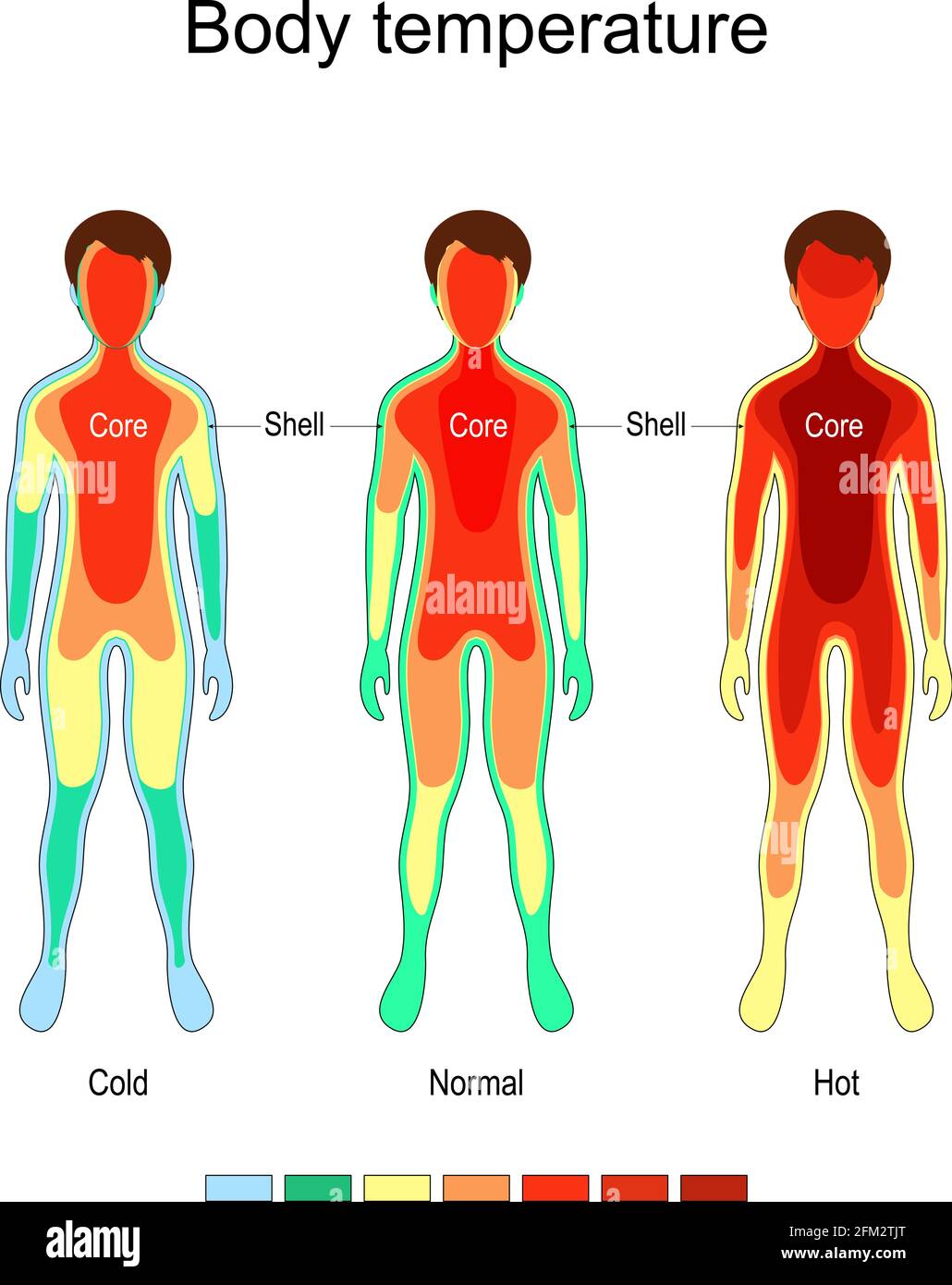
To understand why your body may feel persistently warm and produce excessive sweat, it is essential to examine the biological mechanisms that regulate body temperature. The human body maintains a tightly controlled core temperature, typically around 98.6°F (37°C), through a complex process known as thermoregulation.
At the center of this control system is the hypothalamus, a specialized region at the base of the brain that acts as the body's internal thermostat. The hypothalamus constantly receives input from peripheral thermal sensors in the skin and central thermal sensors in the brain and blood vessels. When these sensors detect even minor increases in core or surface temperature, the hypothalamus initiates two primary cooling responses:
- Vasodilation: The smooth muscle surrounding blood vessels near the surface of the skin relaxes. This allows blood flow to shift toward the peripheral tissues, allowing heat to radiate away from the body into the external environment. Vasodilation often manifests as flushing or a physical sensation of warmth on the skin.
- Diaphoresis (Sweating): The autonomic nervous system sends signals via cholinergic nerve fibers to millions of eccrine sweat glands distributed across the body. As sweat evaporates from the skin's surface, it extracts thermal energy from the body, producing a cooling effect known as evaporative cooling.
Under typical circumstances, these mechanisms activate when you exercise, enter a warm room, or experience transient stress. However, when the body feels perpetually hot or produces sweat in non-thermal, restful environments, it indicates that the physiological baseline or neural signalling pathways responsible for thermoregulation have been altered.
Key Medical Distinctions: Heat Intolerance vs. Sweating Disorders
When evaluating persistent symptoms of heat and sweating, medical professionals distinguish between three overlapping concepts:
- Heat Intolerance: A subjective sensation of feeling uncomfortably hot in environments that others find comfortable, often accompanied by an inability to maintain normal body temperature when exposed to warm conditions.
- Hyperhidrosis: A clinical condition characterized by excessive, uncontrollable sweating beyond what is required to maintain normal thermal homeostasis. Hyperhidrosis can be primary (focal, without an underlying medical cause, usually affecting the palms, feet, armpits, or face) or secondary (generalized over the entire body due to an underlying condition or drug exposure).
- Diaphoresis: The clinical term for generalized profuse sweating, frequently associated with acute physiological events, systemic illnesses, or pharmacological reactions.
Primary Causes of Persistent Warmth and Excessive Sweating
Persistent warmth and sweating can originate from a wide array of physiological, systemic, and environmental causes. Identifying the underlying mechanism is the first step toward effective management.
1. Endocrine and Metabolic Disorders
The endocrine system relies on hormones to regulate metabolism, energy expenditure, and thermal homeostasis. Disruptions in hormone levels directly affect how heat is generated and dissipated.
Hyperthyroidism and Thyrotoxicosis
The thyroid gland regulates the body's basal metabolic rate (BMR). In hyperthyroidism—caused by conditions such as Graves' disease, toxic multinodular goiter, or thyroiditis—the thyroid secretes excessive amounts of triiodothyronine (T3) and thyroxine (T4). Elevated thyroid hormone levels accelerate cellular respiration, increasing oxygen consumption and heat production (calorigeneis). Patients with hyperthyroidism frequently experience constant heat intolerance, warm and moist skin, fine tremors, unexplained weight loss, rapid heart rate (tachycardia), and anxiety.
Diabetes Mellitus and Hypoglycemia
Both high and low blood sugar levels can trigger thermoregulatory symptoms. Hypoglycemia (low blood glucose) activates the sympathetic nervous system, releasing epinephrine (adrenaline), which triggers sudden profuse sweating, trembling, and warmth. Conversely, long-term diabetes can lead to diabetic autonomic neuropathy, damaging the nerves that control sweat glands. This can cause anhidrosis (inability to sweat) in the lower extremities combined with compensatory hyperhidrosis in the upper body and head.
Adrenal Dysfunctions
Conditions involving the adrenal glands, such as pheochromocytoma (a rare tumor of the adrenal medulla), result in periodic or continuous hypersecretion of catecholamines (epinephrine and norepinephrine). This produces intense episodes of heat intolerance, profuse sweating, severe headaches, and sudden elevations in blood pressure.
Endocrine Axis Disruption -> Elevated Basal Metabolic Rate -> Increased Internal Calorigenesis -> Hypothalamic Triggering of Vasodilation & Eccrine Sweating
2. Hormonal Transitions and Menopause
Hormonal shifts represent one of the most common reasons individuals experience persistent flushing, heat sensations, and night sweats.
- Menopause and Perimenopause: Decreasing levels of estrogen disrupt the neurochemical signalling in the hypothalamus. Estrogen helps stabilize the hypothalamic thermoregulatory zone. When estrogen drops, the thermoregulatory window narrows dramatically. Small changes in core body temperature trigger an exaggerated heat-dissipation response, resulting in hot flashes (sudden sensations of intense thermal discomfort) and night sweats.
- Pregnancy and Menstrual Cycles: Fluctuations in progesterone and estrogen during pregnancy expand blood volume and increase metabolic demand, leading to higher skin temperature and increased sweat production. Similar, milder shifts occur during the luteal phase of the menstrual cycle.
3. Autonomic Nervous System Dysregulation (Dysautonomia)
The autonomic nervous system (ANS) controls involuntary body functions, including heart rate, blood pressure, digestion, and sweating. When the ANS malfunctions, thermoregulation fails to operate predictably.
- Postural Orthostatic Tachycardia Syndrome (POTS): POTS is a form of dysautonomia characterized by an abnormal increase in heart rate upon standing, alongside lightheadedness, fatigue, and impaired thermoregulation. Individuals with POTS often report severe heat intolerance, flushing, and unpredictable sweating spikes due to sympathetic nervous system overactivity.
- Generalized Dysautonomia: Secondary autonomic neuropathies—resulting from autoimmune diseases like Sjogren's syndrome, amyloidosis, or Parkinson's disease—can disrupt the neural pathways between the brainstem, spinal cord, and peripheral sweat glands.
4. Medication Side Effects (Drug-Induced Hyperhidrosis)
A wide variety of prescription and over-the-counter medications list sweating and heat sensitivity among their primary adverse effects. Drug-induced sweating often affects the head, neck, and chest area.
| Medication Class | Common Examples | Primary Mechanism of Heat/Sweat Induction |
|---|---|---|
| Antidepressants | SSRIs (e.g., Sertraline, Fluoxetine), SNRIs (e.g., Venlafaxine), Tricyclics | Alters central serotonin and norepinephrine levels in the hypothalamus, altering the thermoregulatory set-point. |
| Endocrine & Hormone Therapy | Selective Estrogen Receptor Modulators (Tamoxifen), GnRH agonists, levothyroxine | Induces artificial estrogen deprivation or raises basal metabolic rate. |
| Antihypertensives | Amlodipine, Hydralazine, ACE inhibitors | Induces peripheral vasodilation, producing skin flushing and warmth. |
| Stimulants & ADHD Drugs | Methylphenidate, Amphetamines, Modafinil | Increases sympathetic nervous system activity and elevates core heart rate and metabolic output. |
| Glucocorticoids | Prednisone, Dexamethasone | Alters adrenal signaling, increases fluid retention, and disrupts glucose metabolism. |
| Hypoglycemic Agents | Insulin, Sulfonylureas | Can cause acute episodes of nocturnal or daytime hypoglycemia. |
5. Chronic Infections and Inflammatory Conditions
Subclinical or chronic systemic infections trigger the immune system to release pyrogenic cytokines such as interleukin-1 (IL-1) and tumor necrosis factor-alpha (TNF-alpha). These signaling molecules act on the hypothalamus to raise the body's internal temperature set-point, causing fever.
- Infectious Diseases: Tuberculosis, endocarditis, HIV, osteomyelitis, and occult abscesses frequently manifest as persistent low-grade fevers, recurring flushing, and soaking night sweats.
- Autoimmune Disorders: Conditions such as rheumatoid arthritis, systemic lupus erythematosus (SLE), and vasculitis involve systemic inflammation that periodically destabilizes thermal control.
6. Psychological Stress, Anxiety, and Panic
Psychological states exert a direct, profound impact on bodily temperature and sweating through the sympathetic-adrenal-medullary axis. When an individual experiences emotional stress, high anxiety, or panic attacks, the brain perceives a threat and triggers the fight-or-flight response.
This response prompts the immediate release of cortisol and adrenaline. Physical effects include rapid heart rate, vasodilation in skeletal muscles, and activation of the apocrine and eccrine sweat glands (particularly on the forehead, palms, soles, and axillae). In chronic anxiety disorders, constant sympathetic activation maintains an ongoing baseline of warm skin, sudden flushing, and cold or warm clammy sweat.
Comparison of Common Causes
Understanding the distinct patterns of symptoms can help narrow down why your body is consistently hot and sweating. The table below outlines key features across primary underlying causes:
| Medical Category | Primary Trigger | Characteristic Sweating Pattern | Associated Symptoms | Recommended Initial Tests |
|---|---|---|---|---|
| Hyperthyroidism | Thyroid hormone excess | Generalized, persistent, worse in warm ambient temperatures | Tremors, palpitations, weight loss, diarrhea, hyperreflexia | TSH, Free T3, Free T4 tests |
| Primary Hyperhidrosis | Localized nerve overactivity | Focal (palms, soles, armpits, face), symmetric | Cold/clammy skin, absent during sleep | Physical exam, Minor's starch-iodine test |
| Menopause / Perimenopause | Hypothalamic estrogen withdrawal | Episodic hot flashes, nocturnal drenching sweats | Mood changes, sleep disturbance, irregular menses | Serum FSH, Estradiol levels |
| Drug-Induced Hyperhidrosis | Pharmacological set-point shift | Generalized, prominent on head and chest, dose-dependent | Coincides with medication start or dose increase | Medication review and wash-out evaluation |
| Dysautonomia / POTS | Autonomic reflex dysfunction | Irregular, exacerbated by upright posture or heat exposure | Orthostatic dizziness, tachycardia, fatigue, brain fog | Tilt-table test, orthostatic vital signs |
| Occult Infection / Malignancy | Immune cytokine production | Predominantly nocturnal, severe soaking sweats | Unintentional weight loss, persistent fever, fatigue | Complete Blood Count (CBC), ESR, CRP, Chest X-ray |
How Healthcare Providers Diagnose Persistent Heat and Sweating
Determining the exact cause of chronic heat sensitivity and hyperhidrosis requires a systematic clinical evaluation. A general practitioner, endocrinologist, or neurologist will typically follow a structured diagnostic pathway:
Comprehensive Clinical History
Your doctor will gather detailed information regarding the onset, duration, severity, and triggers of your symptoms:
- Onset and Timeline: Did the sweating and heat sensitivity start suddenly or develop gradually over months?
- Distribution: Is the sweating localized to specific areas (such as the hands or underarms) or distributed evenly across your whole body?
- Timing: Do symptoms occur during the day, after meals, during exertion, or exclusively at night? Note: Sweating that occurs during sleep (night sweats) warrants evaluation for infectious, endocrine, or oncological causes.
- Associated Symptoms: Are you experiencing weight changes, rapid heartbeat, digestive changes, mood shifts, or headaches?
- Medication Audit: A thorough check of all prescription medications, over-the-counter drugs, and herbal supplements.
Physical Examination and Laboratory Testing
A physical examination will assess vital signs, thyroid gland enlargement (goiter), skin temperature, muscle reflexes, and signs of autonomic instability. Key laboratory tests include:
- Thyroid Function Panel: Serum Thyroid-Stimulating Hormone (TSH), along with free T4 and free T3 levels, to confirm or rule out hyperthyroidism.
- Comprehensive Metabolic Panel (CMP) & HbA1c: To assess blood glucose regulation, liver function, and electrolyte balances.
- Complete Blood Count (CBC) and Inflammatory Markers: Erythrocyte Sedimentation Rate (ESR) and C-reactive protein (CRP) to evaluate for underlying infections or inflammatory conditions.
- Hormonal Evaluations: Follicle-Stimulating Hormone (FSH), luteinizing hormone (LH), estradiol, and serum prolactin levels when reproductive hormone imbalances are suspected.
- Specialized Diagnostic Tests:
- Starch-Iodine Test: A topical iodine solution and starch powder are applied to the skin to precisely map areas of excessive sweat production.
- Thermoregulatory Sweat Test (TST): Performed in specialized centers, this test uses a moisture-sensitive indicator powder in a controlled climate chamber to evaluate central autonomic control.
- Tilt-Table Testing: Used to evaluate autonomic nervous system responses in patients suspected of having POTS or orthostatic hypotension.
For authoritative guidelines on diagnostic approaches to excessive sweating and endocrine conditions, refer to resources provided by the National Institutes of Health (NIH) and MedlinePlus Health Information.
Evidence-Based Treatments and Management Strategies
Addressing persistent heat intolerance and excessive sweating involves treating any identified medical cause, alongside practical and therapeutic interventions to control symptoms.
1. Targeted Medical Therapies
- Endocrine Adjustments: Antithyroid medications (such as methimazole or propylthiouracil), radioactive iodine therapy, or surgery are prescribed to normalize thyroid levels in hyperthyroidism.
- Hormone Replacement Therapy (HRT): Low-dose systemic or topical estrogen (often combined with progesterone for individuals with an intact uterus) can significantly alleviate hot flashes and night sweats caused by menopause.
- Medication Modifications: If a prescription drug is responsible for drug-induced sweating, your physician may adjust the dosage, taper the drug, or switch to an alternative agent with lower thermoregulatory side effects.
2. Clinical Treatments for Excessive Sweating (Hyperhidrosis)
When sweating persists despite addressing underlying causes, medical interventions can directly target sweat gland activity:
- Topical Prescription Antiperspirants: Prescription-strength aluminum chloride formulations (e.g., 12% to 20% aluminum chloride hexahydrate) plug sweat ducts, reducing localized perspiration.
- Oral Anticholinergic Medications: Drugs such as glycopyrrolate, oxybutynin, or methantheline bromide block acetylcholine signals at sweat gland receptors, reducing systemic sweat production. Common side effects include dry mouth, blurry vision, and urinary retention.
- Botulinum Toxin Injections (Botox): Botulinum toxin can be injected into areas with severe focal hyperhidrosis (such as the axillae, palms, or forehead) to block acetylcholine release from sympathetic nerve endings. Effects typically last between 4 and 12 months before requiring re-treatment.
- Iontophoresis: A procedure that uses a low-level electrical current passed through water basins to temporarily block sweat glands on the hands and feet.
- Microwave Energy Devices: Non-invasive clinical devices (such as miraDry) use targeted microwave energy to selectively destroy eccrine and apocrine glands in the axillary (underarm) region.
Diagnostic Confirmation -> Target Root Cause (e.g., Antithyroid / HRT) -> Symptomatic Control (Topical Aluminum Chloride -> Oral Anticholinergics -> Botox / Microwave Therapy)
3. Lifestyle and Behavioral Interventions
Daily practical adjustments can help manage physical discomfort and maintain a comfortable core body temperature:
- Hydration Management: Drink adequate cool water throughout the day. Dehydration impairs the body's ability to regulate temperature effectively.
- Dietary Adjustments: Limit consumption of known thermogenic triggers, including caffeine, alcohol, capsaicin (spicy foods), and excessively hot meals or beverages.
- Clothing and Bedding Choices: Wear loose-fitting, breathable fabrics made from natural fibers (such as linen or cotton) or advanced moisture-wicking synthetic materials. Utilize cooling bed sheets and breathable mattresses to reduce night sweats.
- Environmental Control: Use portable personal fans, cooling vests, evaporative cooling towels, and air conditioning to lower ambient room temperatures.
Red Flags: When to Seek Immediate Medical Evaluation
While feeling hot and sweating is often linked to non-life-threatening causes, certain accompanying symptoms require prompt medical evaluation. Consult a physician immediately if your symptoms occur alongside any of the following:
- High or Persistent Unexplained Fever: Body temperature exceeding 101°F (38.3°C) lasting more than three days.
- Drenching Night Sweats: Sweating that requires changing your sleepwear or bed linens, particularly when combined with unintentional weight loss.
- Unexplained Weight Loss: Rapid weight loss without changes in diet or exercise.
- Cardiovascular Symptoms: Chest tightness, severe heart palpitations, shortness of breath, or fainting (syncope).
- Neurological Symptoms: Progressive muscle weakness, numbness, visual disturbances, or memory changes.
Frequently Asked Questions
Why do I feel hot and sweat even when I am sitting in a cool, air-conditioned room?
Feeling hot in a cool environment often indicates an internal set-point change in the hypothalamus rather than a reaction to environmental temperature. Conditions like hyperthyroidism, high anxiety, medication side effects, or autonomic nervous system imbalances cause your body to perceive normal temperatures as overly warm, triggering unnecessary cooling responses.
What is the difference between primary and secondary hyperhidrosis?
Primary hyperhidrosis is a benign neurological condition causing excessive sweating in localized areas (such as the palms, feet, armpits, or face) without an underlying medical illness. It typically begins in childhood or adolescence. Secondary hyperhidrosis is generalized sweating caused by an underlying medical condition (such as diabetes, hyperthyroidism, or menopause) or as a side effect of medication, and often starts suddenly in adulthood.
Can chronic stress or anxiety cause you to feel hot all the time?
Yes. Chronic stress and anxiety keep the sympathetic nervous system continually activated. This elevated "fight-or-flight" state releases stress hormones like adrenaline and cortisol, which raise heart rate, dilate blood vessels near the skin, and activate sweat glands even when no physical threat or environmental heat source is present.
Are night sweats different from feeling hot and sweating during the day?
While both involve thermal dysregulation, severe night sweats—where bedding or nightclothes become soaked during sleep—are more strongly associated with systemic causes. These include hormonal fluctuations during menopause, underlying infections (such as tuberculosis), endocrine disorders, or systemic autoimmune conditions, requiring targeted medical investigation.
How do doctors test if my persistent sweating is caused by my thyroid?
A physician orders a simple venous blood test to evaluate your thyroid function. This panel measures Thyroid-Stimulating Hormone (TSH) along with free thyroxine (T4) and free triiodothyronine (T3). Low TSH combined with elevated T4/T3 levels confirms hyperthyroidism as the underlying driver of increased metabolic heat and sweating.
Recommended Next Steps
If you regularly experience unexplained warmth, flushing, or persistent sweating, start by keeping a symptom log for 7 to 14 days. Record when the episodes occur, their intensity, environmental temperatures, meals consumed, emotional states, and any potential triggers.
Schedule an appointment with a primary care physician. Bring your symptom log and a complete list of all current medications, over-the-counter products, and dietary supplements. Your physician can perform essential screening blood tests—including thyroid, glucose, and hormone panels—to identify the underlying cause and develop a targeted treatment plan.
Medical Advice Disclaimer: This article is for informational and educational purposes only and does not constitute formal medical advice, diagnosis, or treatment. Always consult a qualified healthcare provider regarding any medical condition or symptoms.
Image Gallery
Select an image to open it in a new tab.
Declan O'Connor
Higher Education and Campus Culture Reporter
