Decoding the Theoretical Framework: Theories Explained for Researchers and Scholars
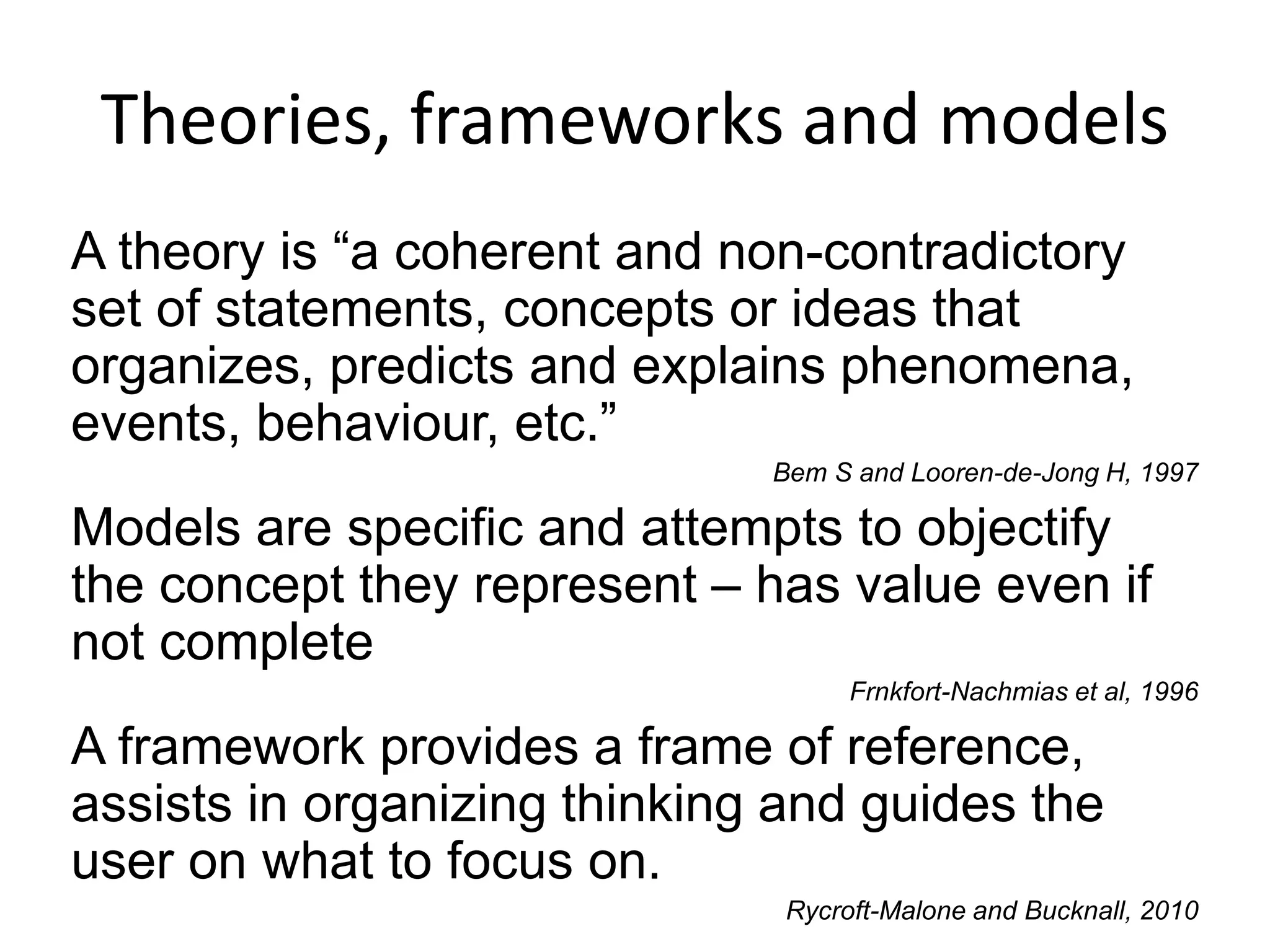
A theoretical framework serves as the structural foundation of academic research, integrating established theories to explain, predict, and understand phenomena. It guides the selection of research questions, informs methodology, and provides a lens for interpreting data by connecting abstract concepts to observable realities within a specific discipline.
Introduction to Research Architecture
When embarking on academic inquiry, researchers often find themselves overwhelmed by the sheer volume of data, variables, and potential interpretations. Without a map, navigation through a complex landscape of observations becomes nearly impossible. This map is what researchers call a theoretical framework. Far from being a mere decorative addition to a thesis or journal article, it is the load-bearing pillar that holds the entire intellectual structure together.
Understanding what a theoretical framework is—and how distinct theories populate it—requires looking past dense academic jargon. At its core, a framework takes abstract principles, maps out their relationships, and provides a structured lens through which to examine a specific problem. Whether you are investigating socioeconomic disparities, cognitive development, or market volatility, the framework dictates how you approach your questions and how you validate your answers.
Defining the Core Concepts: Theory Versus Theoretical Framework
To master the architecture of research, one must first dismantle the terminology. Many novice researchers use terms like "theory," "conceptual framework," and "theoretical framework" interchangeably. Doing so, however, leads to methodological flaws and weak study design.
What is a Theory?
A theory is a well-substantiated explanation of some aspect of the natural or social world, based on a body of facts that have been repeatedly confirmed through observation and experiment. Theories possess predictive and explanatory power. They tell us not only what is happening, but why and how it happens. Examples include Albert Einstein’s Theory of Relativity in physics, Jean Piaget’s Stages of Cognitive Development in psychology, or social exchange theory in sociology.
What is a Framework?
A framework is a structure, overview, outline, or skeleton of a study. It brings together several related concepts to explain a phenomenon. Think of it as scaffolding. While individual bricks and mortar represent discrete facts or hypotheses, the scaffolding holds them in place while the building takes shape.
The Intersection: Theoretical Framework
A theoretical framework, therefore, is the application of a specific theory (or multiple complementary theories) to serve as the structural foundation and rationale for your study. It is derived from existing literature. It establishes the specific variables you will study, defines how they interact, and justifies your hypotheses.

The Role and Purpose of Theories in a Framework
Why do researchers rely so heavily on established theories when building their frameworks? The answer lies in scientific cumulative knowledge. Science and scholarship do not occur in a vacuum; every new study builds upon the tested foundations of those that came before.
1. Providing Direction and Focus
A robust theoretical framework acts as a filter. In any given research environment, thousands of variables exist. A sociological study on education, for instance, could look at student nutrition, classroom lighting, teacher-to-student ratios, parental income, genetic predispositions, and historical neighborhood zoning. A theoretical framework—such as Pierre Bourdieu’s theory of cultural capital—helps the researcher narrow down these infinite variables to the specific ones that matter most for the research question.
2. Establishing Epistemological Grounding
Every researcher operates under certain assumptions about reality (ontology) and knowledge (epistemology). A theoretical framework explicitly states these assumptions. When you adopt a particular theory, you are signaling to the academic community how you view the world, which grants your study coherence and philosophical validity.
3. Enabling Generalizability
Isolated facts are interesting, but they do not build science. Theories abstract specific findings into broader principles. By anchoring your study in a theoretical framework, your specific empirical findings in a single town or classroom can be used to support, refine, or challenge grander insights about human behavior or natural laws.
Anatomy of a Theoretical Framework: Key Components
Constructing a framework is an exercise in logical synthesis. It requires taking distinct moving parts and assembling them into a cohesive narrative. Every functional framework relies on several core components:
- Constructs: The abstract ideas or phenomena being investigated (e.g., "motivation," "market efficiency," "alienation").
- Variables: The operationalized, measurable manifestations of constructs (e.g., test scores, stock price fluctuations, frequency of social interactions).
- Relationships: The stated or hypothesized connections between variables (e.g., "As variable A increases, variable B decreases").
- Assumptions: The unproven foundational beliefs accepted as true for the sake of the study.
| Component | Definition | Example in Research |
|---|---|---|
| Construct | An abstract, non-observable concept built from specific mental impressions. | Emotional Intelligence |
| Variable | A measurable, concrete representation of a construct. | Scores on the Mayer-Salovey-Caruso Emotional Intelligence Test |
| Relationship | The directional or correlational link between variables. | Higher emotional intelligence correlates with lower workplace burnout rates. |
| Assumption | Foundational truths taken for granted to allow analysis to proceed. | Participants will answer survey questions honestly and accurately. |
Major Paradigms and Theoretical Traditions
Different academic disciplines draw on distinct theoretical traditions. Understanding where your discipline sits helps you choose the appropriate theories for your framework.
Positivism and Post-Positivism
Dominant in the natural sciences and common in quantitative social sciences, these traditions assume that an objective reality exists independently of the observer. Theories here are often deductive, focusing on cause-and-effect relationships, universal laws, and hypothesis testing. Examples include economic equilibrium theories or biological evolutionary models.
Interpretivism and Constructivism
Prevalent in qualitative research, history, and anthropology, these traditions argue that reality is socially constructed and subjective. Theories in this space—such as symbolic interactionism or phenomenological frameworks—focus on understanding the meanings people assign to their experiences rather than searching for universal laws.
Critical Theory
Critical frameworks do not just seek to interpret the world; they aim to change it. Rooted in the works of the Frankfurt School and scholars like Karl Marx and Paulo Freire, critical theories examine power dynamics, structural inequalities, and emancipation. Researchers using these frameworks often look at gender, race, class, and post-colonial dynamics.
Step-by-Step Guide: How to Build Your Theoretical Framework
Building a theoretical framework is not a step you take on a whim; it requires systematic integration of literature review and critical thinking. Follow these operational steps to construct a rigorous framework for your research:
- Examine Your Research Problem and Questions: Look closely at the core problem you are trying to solve. What are the key concepts? If your research question asks why urban neighborhoods experience disparate health outcomes, your key concepts are "urban environments" and "health disparities."
- Brainstorm Independent and Dependent Variables: Identify what you are trying to explain (dependent variable) and what factors might be influencing it (independent variables).
- Review the Existing Literature: Dive deep into academic databases, monographs, and journals. Look for what previous scholars have written about your key concepts. Which theories do they cite repeatedly? Which models have proven reliable across multiple studies?
- Select the Best-Fitting Theory: Choose a theory that aligns with your research goals. Does the theory explain the relationship between your variables logically? Is it widely accepted or currently debated in your field? You may need to combine two complementary theories (a hybrid framework) if no single theory covers all aspects of your study.
- Adapt and Operationalize the Theory: Theories are general; your study is specific. Map out how the broad tenets of the chosen theory apply directly to your unique population, geographic location, or dataset.
- Draft a Visual and Narrative Explanation: Write a comprehensive narrative explaining the framework, and where helpful, draw a conceptual diagram showing how variables connect.
Common Pitfalls and How to Avoid Them
Even experienced researchers sometimes misstep when handling theoretical frameworks. Recognizing these pitfalls can save months of wasted effort.
- Confusing the Framework with a Literature Review: A literature review summarizes what others have found; a theoretical framework explains the lens and logic you are using to interpret your own forthcoming data.
- Picking a Theory Solely Because It Is Famous: Just because a theory is historic does not mean it fits your specific problem. Ensure methodological alignment over prestige.
- Overcomplicating the Framework: Adding five different grand theories into a single undergraduate or master's thesis creates an unmanageable monster. Keep your framework as parsimonious (simple yet comprehensive) as possible.
- Treating the Framework as an Afterthought: The framework should be built before data collection begins. If you collect data first and hunt for a theory that happens to match your unexpected results later, you engage in confirmation bias and poor scientific practice.
Frequently Asked Questions
Can a study have more than one theoretical framework?
Yes. Complex, interdisciplinary studies often require a combination of theories to capture different facets of a problem. For example, a study examining the adoption of green technology in corporate supply chains might combine economic transaction cost theory with organizational institutionalism. However, all integrated theories must work together harmoniously without contradicting each other's foundational assumptions.
What is the difference between a theoretical framework and a conceptual framework?
While both provide structural backing, a theoretical framework is rooted in established, tested formal theories from academic literature. A conceptual framework, on the other hand, is often created by the researcher themselves. It maps out the specific course of action or visual representation of the relationships between variables for this specific study, sometimes drawing from multiple disparate theories or empirical observations without adhering strictly to a single grand theory.
Where should the theoretical framework appear in a research paper?
In traditional academic structures, the theoretical framework is presented in the early sections of the paper, typically immediately following the literature review (or integrated directly into it) and right before the methodology section. It sets up the intellectual justification for how the methodology was designed.
Is a theoretical framework required for all types of research?
No. Exploratory qualitative studies, grounded theory studies, and purely descriptive historical inquiries may not rely on a pre-existing theoretical framework. In fact, grounded theory explicitly aims to generate a theory from data rather than starting with one. However, most quantitative, explanatory, and deductive studies require a clear framework to validate their scientific rigor.
Conclusion and Next Actions
Mastering theoretical frameworks transforms research from a random collection of data points into a coherent contribution to human knowledge. By intentionally selecting established theories, clearly defining your constructs and variables, and mapping out logical relationships, you ensure your study stands on solid ground.
To take your next step, return to your core research questions. Highlight every abstract concept, scour recent literature reviews in your specific subfield for recurring theoretical models, and draft a preliminary diagram showing how these theories explain your anticipated findings.
Image Gallery
Select an image to open it in a new tab.


Declan O'Connor
Higher Education and Campus Culture Reporter
