
The term "7-star hotel" is a symbolic designation used to describe properties that transcend the traditional five-star rating through unprecedented levels of service, privacy, and opulence. While international rating bodies like Forbes Travel Guide and AAA cap their official certifications at five stars, the 7-star label identifies a elite tier of hospitality characterized by hyper-personalization, iconic architecture, and a staff-to-guest ratio that often exceeds 8-to-1.
Defining the 7-Star Standard: Myth vs. Reality
To understand the rise of 7-star hotels, one must first distinguish between official industry standards and marketing designations. In the traditional hospitality world, a five-star rating signifies the highest level of luxury, requiring specific amenities such as 24-hour room service, high-end linens, and professional concierge services. However, as the global population of Ultra-High-Net-Worth Individuals (UHNWIs) expanded in the early 21st century, a "luxury ceiling" was reached.
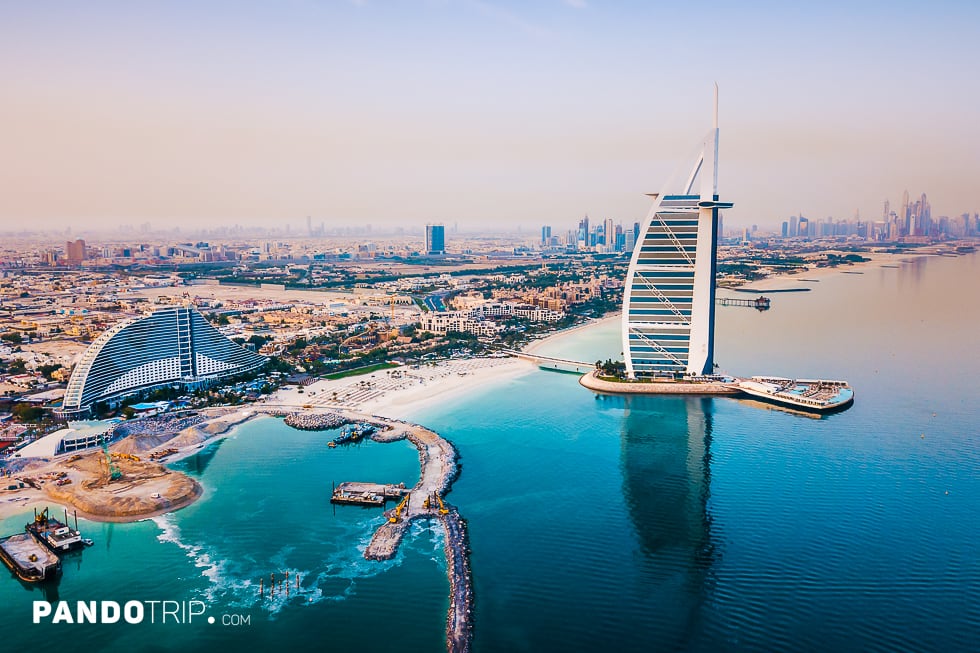
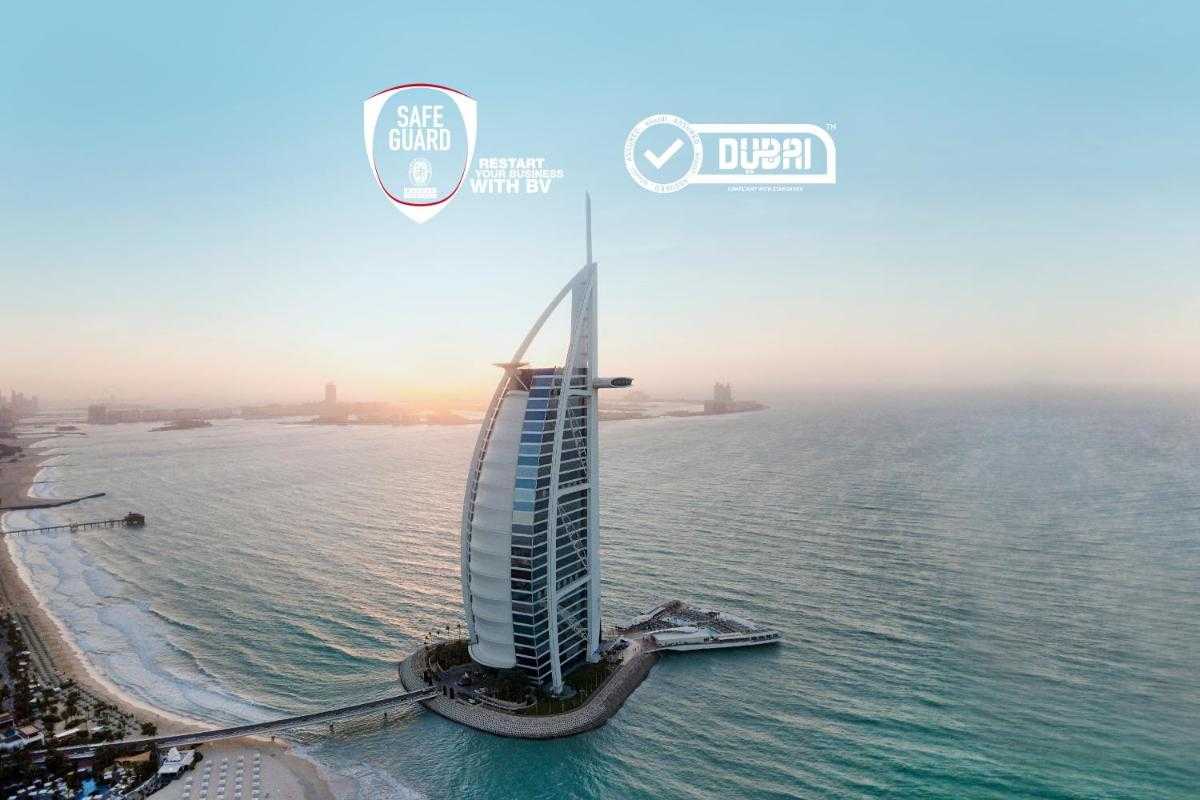
The 7-star moniker was famously birthed in 1999 during the opening of the Burj Al Arab in Dubai. A British journalist, overwhelmed by the hotel's scale and service, reportedly claimed that the standard five-star rating did not do the property justice, suggesting it deserved seven stars. While the hotel’s management does not officially use the term in its own formal branding, the label stuck, creating a new aspirational benchmark for developers worldwide.
In 2026, the 7-star designation remains largely unofficial, with one notable exception. The Town House Galleria (now often referred to as the Seven Stars Galleria) in Milan, Italy, sought official certification from the SGS (Société Générale de Surveillance). They were granted a "seven-star" rating based on a strict set of criteria including having only suites, a location within a national monument, and a dedicated butler for every guest. Aside from this specific instance, "7-star" functions as a cultural shorthand for "ultra-luxe."
The Pillars of Ultra-Luxury: What Defines the 7-Star Experience
A hotel cannot simply claim 7-star status through high prices alone. The "rise" of this category is supported by several non-negotiable operational and architectural pillars that distinguish these properties from standard luxury hotels.
1. Unrivaled Staff-to-Guest Ratios
In a standard five-star hotel, the staff-to-guest ratio is typically 2:1 or 3:1. In the 7-star realm, this ratio often climbs to 8:1 or higher. This ensures that every guest's needs are anticipated before they are even voiced. This includes 24-hour private butler service where the butler is not merely a luggage handler, but a lifestyle manager capable of securing sold-out event tickets or organizing private jet transfers on an hour's notice.
2. Architectural and Aesthetic Grandeur
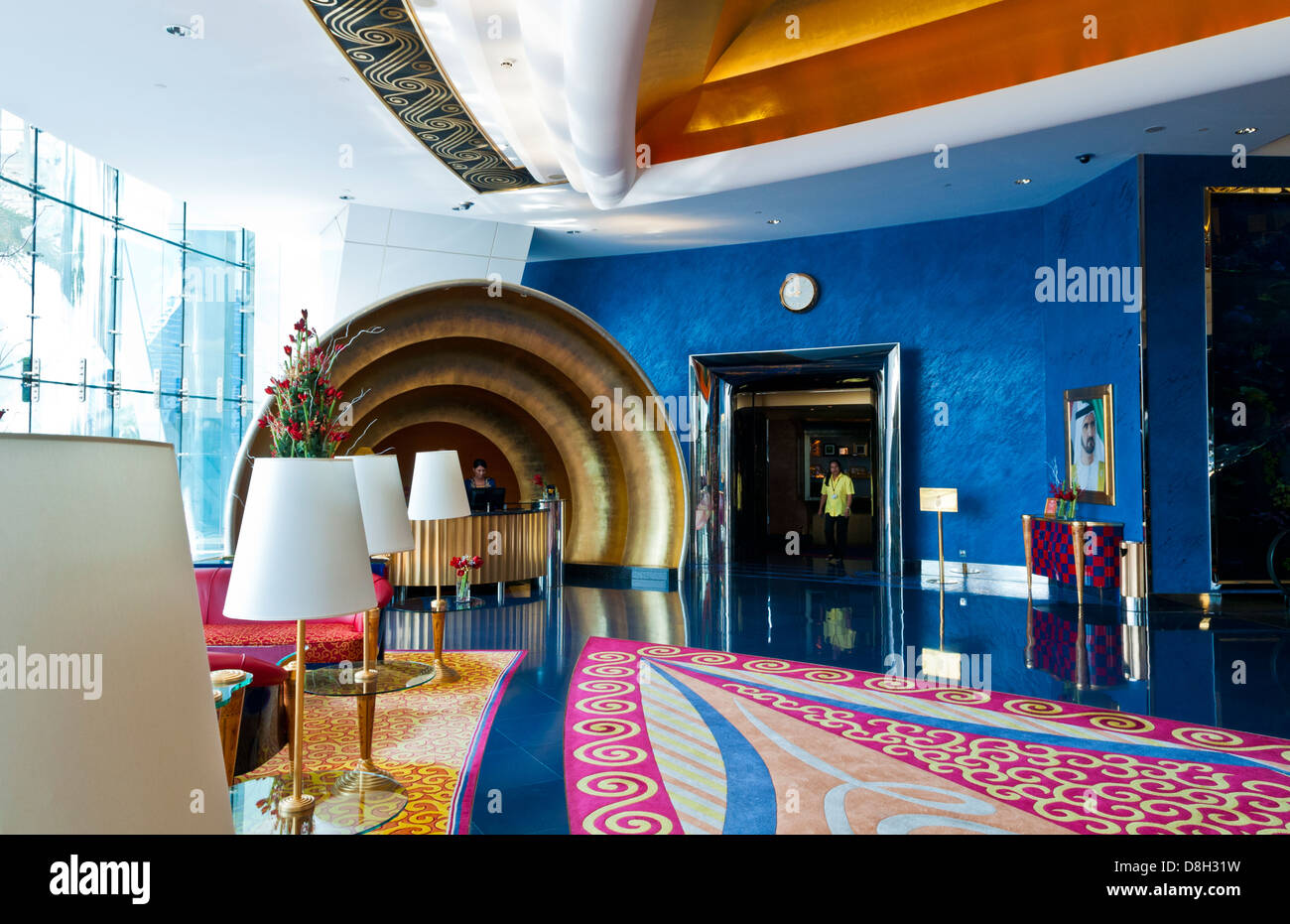
7-star hotels are frequently "destination buildings"—structures that are as famous as the cities they inhabit. Use of rare materials is standard; for example, the Burj Al Arab features roughly 1,790 square meters of 24-carat gold leaf. The Emirates Palace in Abu Dhabi utilized over 100,000 cubic meters of marble and features 1,000 Swarovski crystal chandeliers. By 2026, this has evolved into "biophilic" architectural marvels in projects like NEOM’s luxury islands, where the opulence is found in the seamless integration of high-tech glass and natural ecosystems.
3. Hyper-Personalization and "The Invisible Service"
In 2026, the 7-star experience relies heavily on data-driven personalization. Before a guest arrives, the hotel may coordinate with the guest’s personal assistant to ensure the suite is stocked with their preferred brand of alkaline water, a specific scent profile for the linens, and a pillow menu featuring options from horsehair to buckwheat. "Invisible service" refers to the ability of the staff to maintain the suite and provide amenities without the guest ever seeing a housekeeping cart or being interrupted.
Significant 7-Star Properties Around the World
While the list of "official" five-star hotels is long, the circle of properties globally recognized as 7-star is remarkably small. Each represents a different regional interpretation of ultimate wealth.
| Property Name | Location | Primary Distinction | Estimated Starting Rate (2026) |
|---|---|---|---|
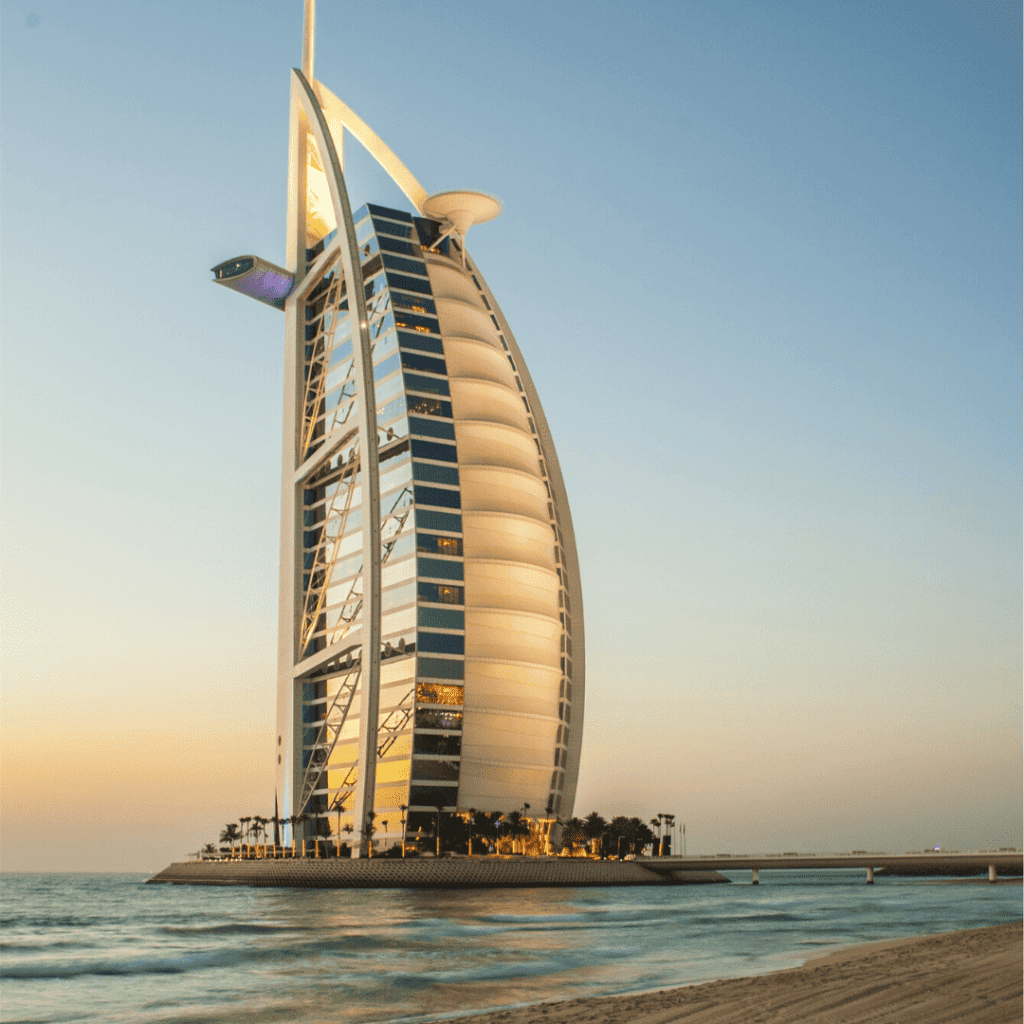
| Burj Al Arab Jumeirah | Dubai, UAE | Iconic sail shape; gold-plated interiors; 24/7 butler for every suite. | $1,800 - $2,600 |
| Emirates Palace Mandarin Oriental | Abu Dhabi, UAE | Gold-leaf domes; 1.3km private beach; gold-dispensing ATMs. | $800 - $1,400 |
| Seven Stars Galleria | Milan, Italy | Located inside Galleria Vittorio Emanuele II; only suites; SGS certified. | €1,500 - €2,500 |
| Taj Falaknuma Palace | Hyderabad, India | Former royal residence; arrival via horse-drawn carriage; 101-seat dining table. | $650 - $1,200 |
| Laucala Island | Fiji | Private island owned by Dietrich Mateschitz; submarine excursions; extreme privacy. | $5,500 - $7,000 |
| Pangu 7 Star Hotel | Beijing, China | Designed by C.Y. Lee; overlooks Olympic park; library of rare Chinese artifacts. | $500 - $900 |
The Geographic Shift: From the Middle East to Global Hubs
The rise of 7-star hotels was initially a Middle Eastern phenomenon, driven by the desire of cities like Dubai and Abu Dhabi to establish themselves as global luxury hubs. The goal was to build "monuments to modernity." However, the trend has migrated.
In Asia, the rise of the Chinese billionaire class led to the development of the Pangu 7 Star Hotel in Beijing. In India, the revitalization of historic palaces like the Taj Falaknuma has created a "heritage 7-star" category where the luxury is derived from authentic royal lineage rather than new-build gold leaf.
By 2026, we see a significant rise in "secluded ultra-luxury" in locations like the Maldives, Fiji, and the Red Sea coast of Saudi Arabia. These properties focus on the "7-star environment," where the scarcity of the location and the total control over the surrounding ecosystem provide a level of luxury that a city hotel cannot replicate.
Logistics and Infrastructure: Behind the Scenes
The operational complexity of maintaining a 7-star standard is immense. It requires specialized infrastructure that standard hotels do not possess.
- Helipads and Private Terminals: Almost all 7-star hotels feature dedicated helipads for discreet arrivals. Some even have their own Customs and Immigration clearance points for guests arriving via private jet or yacht.
- Specialized Staff Training: Many 7-star properties run their own internal "Butler Academies." Staff are trained in the nuances of international etiquette, multiple languages, and even security protocols, as many guests are high-profile political or business leaders.
- Uncompromising Security: Security is often invisible but omnipresent. This includes state-of-the-art biometric access to suites, sweeping for electronic surveillance, and dedicated secure floors that can be entirely sealed off for heads of state.
The Cost of Ultimate Opulence
The pricing structure of 7-star hotels is designed to maintain exclusivity. In 2026, even the most basic "entry-level" suite at a 7-star property rarely dips below $1,000 per night, with top-tier Royal Suites or Presidential Villas reaching $20,000 to $50,000 per night.
These costs cover more than just the room. They cover the maintenance of the massive staff-to-guest ratio and the high-tech amenities provided. For example, some hotels provide guests with a 24-carat gold iPad during their stay, which serves as a remote control for everything from the curtains to the room temperature and the personal butler's summoning.
Challenges and the Future of the 7-Star Label
As we look toward the late 2020s, the "7-star" concept faces two primary challenges: Sustainability and the Definition of Luxury.
The Sustainability Conflict
The traditional 7-star model—characterized by gold leaf, massive air-conditioned spaces in deserts, and excessive waste—is increasingly at odds with global ESG (Environmental, Social, and Governance) goals. The "Rise of the Green 7-Star" is the newest development in 2026. Properties are now competing on how they can provide ultimate luxury while being carbon-neutral, utilizing off-grid solar arrays, and implementing zero-waste water filtration systems that do not compromise the "rain shower" experience.
Quiet Luxury vs. Gaudy Luxury
The aesthetic of 7-star hotels is shifting. The "gaudy" luxury of the early 2000s is being replaced by "Quiet Luxury." Modern UHNWIs often prefer understated, high-quality materials (Loro Piana fabrics, rare sustainable woods) and "experiential" luxury (private access to museums, bespoke culinary experiences) over gold-plated faucets. The rise of 7-star hotels today is more about what the hotel can do for the guest than what the hotel looks like.
Frequently Asked Questions
Is there an official 7-star hotel rating system?
No, there is no globally recognized official organization that awards a "7-star" rating. The standard international limit is five stars. The term is primarily a marketing and media-driven designation used to describe hotels that significantly exceed five-star requirements. The only exception is the Seven Stars Galleria in Milan, which received a specific certification from the private firm SGS.
Which hotel was the first to be called a 7-star hotel?
The Burj Al Arab in Dubai is widely credited with the birth of the 7-star label. Following its opening in 1999, travel journalists used the term to describe the unprecedented level of luxury and service, which surpassed anything seen in existing five-star properties at the time.
What are the specific requirements to be considered "7-star"?
While unofficial, the industry generally expects a 7-star hotel to offer:
- A staff-to-guest ratio of at least 6:1 or 8:1.
- Private butler service for every guest.
- Discreet and highly advanced security systems.
- Unique architectural significance or historical location.
- High-end amenities such as Rolls Royce shuttle fleets or private helipads.
Are 7-star hotels worth the high price?
For the average traveler, the difference between a high-end 5-star and a 7-star hotel may seem marginal relative to the price jump. However, for those requiring absolute privacy, specific security protocols, and hyper-personalized service that removes all friction from travel, the "7-star" experience provides a level of utility that standard luxury hotels cannot match.
Can a hotel lose its "7-star" status?
Since the status is largely based on public perception and marketing, a property can "lose" its 7-star reputation if service standards slip, the décor becomes dated, or newer, more opulent properties overshadow it. In 2026, staying relevant requires constant investment in technology and human capital.
Practical Recommendation for Travelers
If you are seeking a 7-star experience, do not rely solely on the star count listed on booking engines. Instead, verify the staff-to-guest ratio, the availability of dedicated butler service, and the specific private transit options (helicopter/luxury fleet) offered by the property. In 2026, the most authentic ultra-luxury experiences are often found in properties that focus on privacy and bespoke "once-in-a-lifetime" experiences rather than those that simply use the 7-star label for marketing.
Image Gallery
Select an image to open it in a new tab.


Celine Dubois
Contemporary Living and Global Arts Columnist
