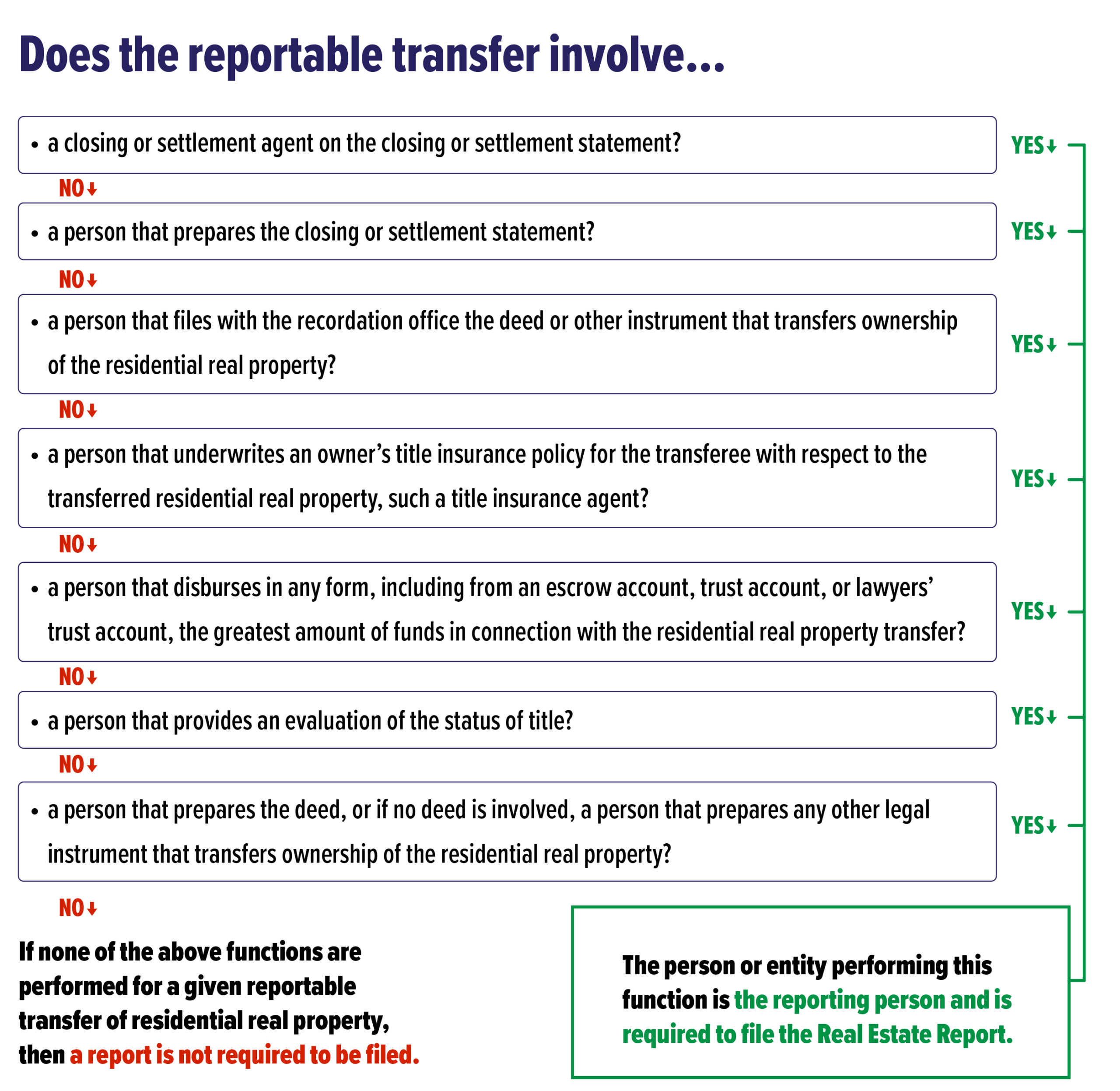
Life insurance companies are required to report suspicious activities and large cash transactions to the Financial Crimes Enforcement Network (FinCEN) to combat money laundering. These obligations primarily involve filing Suspicious Activity Reports (SARs) for transactions exceeding $5,000 and Currency Transaction Reports (CTRs) for cash receipts over $10,000 to ensure regulatory transparency.
Under the Bank Secrecy Act (BSA) and the subsequent USA PATRIOT Act, the federal government identifies certain insurance products as high-risk vehicles for money laundering and terrorist financing. Because permanent life insurance policies and annuities can accumulate cash value and allow for the movement of large sums of money, the regulatory oversight by FinCEN is stringent. As of 2026, compliance remains a cornerstone of the insurance industry's operational integrity, requiring robust internal controls and diligent reporting.
The Regulatory Framework for Insurance Companies
The primary authority for life insurance reporting lies within 31 CFR Part 1025, which outlines the specific Anti-Money Laundering (AML) program requirements and reporting obligations for insurance companies. While the term "financial institution" often brings to mind banks or credit unions, the legal definition under the BSA explicitly includes "an insurance company."
However, not every insurance provider or every product falls under these rules. FinCEN focuses on "covered products" because these are the most susceptible to being used to hide the proceeds of criminal activity. A term life insurance policy, for example, which has no cash value and provides only a death benefit, offers little utility for a money launderer. Conversely, an annuity or a whole-life policy can be used to store and later "clean" illicit funds.
The regulatory environment in 2026 emphasizes the "Risk-Based Approach." This means that insurance companies must tailor their compliance programs to the specific risks posed by their customer base, geographic locations, and distribution channels.
Identifying Covered Products
To understand reporting requirements, one must first identify what constitutes a "covered product." FinCEN defines these products based on their potential for investment and the ability to transfer value. If a policy allows a customer to store value and subsequently withdraw it or use it as collateral, it is likely a covered product.
Permanent Life Insurance
Permanent life insurance, including Whole Life, Universal Life, and Variable Life, are primary targets for regulation. These policies allow the policyholder to build cash value over time. From a money laundering perspective, a criminal might purchase a large permanent policy with "dirty" money and then take out a loan against the policy or surrender it for its cash value, effectively receiving a "clean" check from a reputable insurance company.
Annuity Contracts
Both immediate and deferred annuities are considered covered products. Because annuities often involve large lump-sum payments and provide a structured way to receive funds back over time, they are highly scrutinized. FinCEN’s interest lies in the origin of the initial premium and any subsequent top-off payments.
Other Stored-Value Products
Any other insurance product with features of cash value or investment, as determined by the Secretary of the Treasury, falls under the reporting umbrella. It is important to note that Term Life Insurance, Group Life Insurance, and most Property and Casualty products are generally excluded from these specific FinCEN AML reporting requirements, though they may still be subject to general fraud reporting.
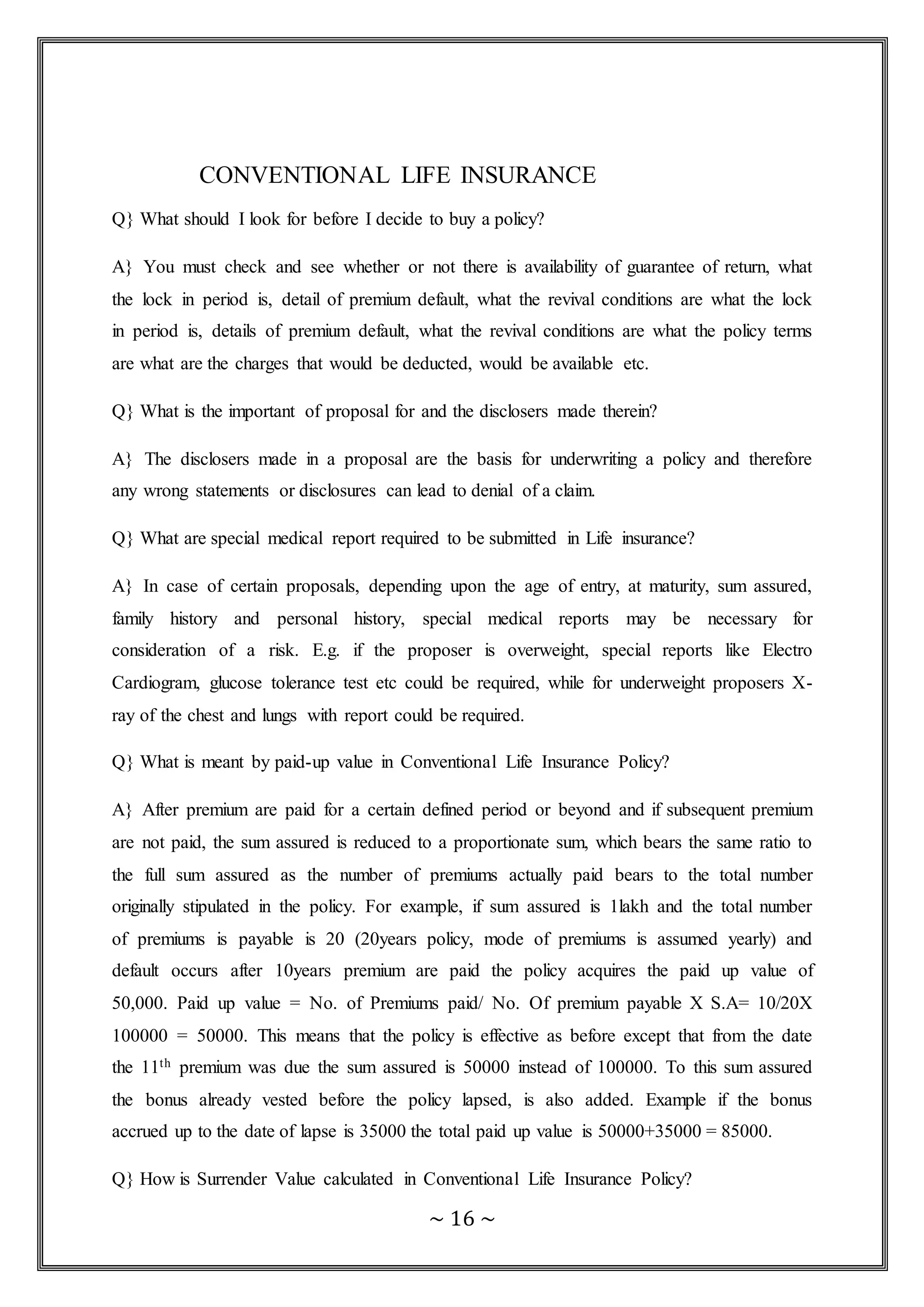
The Five Pillars of an Insurance AML Program
To meet FinCEN's reporting requirements, insurance companies must maintain a formal AML program. As of 2026, this program must be built upon five essential "pillars" to ensure that the data reported to FinCEN is accurate and timely.
- Internal Policies and Controls: The company must have written policies that detail how it identifies suspicious activity and how it manages the filing of reports.
- Designated Compliance Officer: A specific individual must be responsible for overseeing the AML program’s daily operations and ensuring communication with FinCEN.
- Ongoing Training: Employees, and in many cases, independent agents/brokers, must receive regular training to recognize the "red flags" of money laundering specific to life insurance.
- Independent Testing: The program must be audited regularly by an independent party (either internal or external) to ensure it is functioning as intended.
- Customer Due Diligence (CDD): The "fifth pillar" requires companies to understand the nature of the customer relationship and identify the beneficial owners of a policy. If a legal entity buys a life insurance policy, the insurer must know the individuals who ultimately own or control that entity.
Suspicious Activity Reports (SARs)
The Suspicious Activity Report (SAR) is the most critical tool in the FinCEN reporting arsenal for insurance companies. Under 31 CFR § 1025.320, insurance companies must file a SAR for any transaction—or pattern of transactions—conducted or attempted through the insurance company that involves or aggregates at least $5,000 in funds or other assets, where the company knows or suspects that:
- The transaction involves funds derived from illegal activity.
- The transaction is designed to evade BSA requirements (structuring).
- The transaction has no apparent business or lawful purpose and the customer provides no reasonable explanation.
- The transaction involves the use of the insurance company to facilitate criminal activity.
Filing Deadlines and Confidentiality
A SAR must be filed within 30 days of the initial detection of the suspicious activity. If the suspect is unknown at the time of detection, the deadline may be extended to 60 days to allow for identification, but the company must not delay its investigation.
One of the most rigid rules regarding SARs is the non-disclosure requirement. An insurance company, and its employees, are strictly prohibited from "tipping off" a customer that a SAR has been filed. Violating this confidentiality can lead to severe civil and criminal penalties for the individual employee and the firm.
Currency Transaction Reports (CTRs) and Form 8300
While SARs are based on suspicion, Currency Transaction Reports (CTRs) are based on objective math. FinCEN requires financial institutions to report any transaction involving more than $10,000 in currency (physical cash or coin).
However, in the insurance industry, the reporting of large cash payments often follows a slightly different path via IRS/FinCEN Form 8300. When an insurance company receives more than $10,000 in cash in a single transaction or two or more related transactions, they must file Form 8300. This is particularly relevant for premium payments made in cash.
For the purposes of these reports, "currency" typically includes:
- Cash and coins of the United States or any other country.
- Cashier’s checks, money orders, or traveler’s checks with a face value of $10,000 or less (if they are used in a "designated reporting transaction" or the insurer knows they are being used to avoid reporting).
Recognizing Red Flags in Life Insurance
To effectively report to FinCEN, insurance companies must train their staff to recognize behavior that deviates from the norm. These "red flags" do not automatically mean a crime is being committed, but they do require the company to perform "enhanced due diligence" and potentially file a SAR.
- Early Surrender: A customer purchases a single-premium deferred annuity and surrenders it shortly thereafter, despite high surrender charges. This is a classic method for "cleaning" a large sum of money.
- Unusual Payment Methods: A customer attempts to pay premiums using multiple money orders from different post offices or banks, each for an amount just under $3,000 to avoid identification requirements.
- Policy Loans: A customer takes out a large policy with a lump-sum payment and immediately requests a maximum loan against the cash value.
- Third-Party Payments: Premiums are paid by a third party who has no apparent relationship to the insured or the beneficiary.
- Foreign High-Risk Jurisdictions: Funds for a policy are wire-transferred from a bank located in a country known for money laundering or lack of financial transparency.
- Atypical Beneficiary Changes: A policyholder suddenly changes the beneficiary to a person or entity with no clear familial or business link.
Comparison of Reporting Requirements
The following table summarizes the primary reporting forms used by life insurance companies to comply with FinCEN regulations in 2026.
| Report Type | Form Name | Triggering Event | Threshold | Filing Deadline |
|---|---|---|---|---|
| SAR | FinCEN Form 111 | Suspicious activity/potential crime | $5,000 | 30 days from discovery |
| CTR | FinCEN Form 112 | Physical cash transaction | > $10,000 | 15 days from transaction |
| Form 8300 | IRS/FinCEN 8300 | Cash received in trade/business | > $10,000 | 15 days from transaction |
| FBAR | FinCEN Form 114 | Foreign financial accounts | > $10,000 | Annually (April 15) |
Recordkeeping Obligations
Reporting is only half of the compliance equation; recordkeeping is the other. Under FinCEN rules, insurance companies must maintain records of the information used to identify customers and the documentation supporting SAR filings for at least five years.
This five-year clock starts from the date of the report or the date the account was closed. These records must be made available to FinCEN or other law enforcement agencies upon request. Failure to maintain these records can result in "willful blindness" charges if a money-laundering scheme is later uncovered.
In 2026, the shift toward digital recordkeeping is absolute. FinCEN requires electronic filing through the BSA E-Filing System. Manual paper filings are generally no longer accepted except under specific hardship waivers.
The Role of Insurance Agents and Brokers
A common point of confusion is whether the individual agent or the insurance company is responsible for the report. Under FinCEN regulations, the insurance company is ultimately responsible for the AML program and the filing of reports.
However, because agents and brokers are often the only ones who have face-to-face contact with the customer, the insurance company must integrate them into its compliance structure. The company is required to obtain information from its agents regarding suspicious transactions. If an agent fails to report a suspicious customer behavior to the insurance company's compliance officer, both the agent and the company may face regulatory scrutiny.
Penalties for Non-Compliance
FinCEN takes reporting requirements seriously. The penalties for failing to file required reports or for maintaining an inadequate AML program can be devastating.
- Civil Penalties: FinCEN can levy fines that range from a few thousand dollars per violation to millions, depending on the severity and whether the failure was "willful." In recent years leading up to 2026, several large insurers have faced fines for systemic failures in their SAR monitoring systems.
- Criminal Penalties: If a company or individual willfully violates the BSA, they can face criminal charges, including imprisonment for up to five years (or ten if part of a larger pattern of illegal activity) and substantial criminal fines.
- Reputational Damage: Beyond the legal costs, the public disclosure of an AML failure can lead to a loss of policyholder trust and a decline in stock value.
Frequently Asked Questions
Does every life insurance policy require a FinCEN report?
No. Reports are only required if a transaction meets specific criteria. For SARs, there must be a suspicion of illegal activity involving at least $5,000. For CTRs or Form 8300, there must be a physical cash transaction exceeding $10,000. Standard premium payments made via personal check or standard bank transfer for legitimate policies do not trigger these reports unless they appear suspicious.
Are term life insurance policies exempt from FinCEN reporting?
Generally, yes. FinCEN's definition of "covered products" excludes most term life insurance policies because they do not have a cash value or investment component. Since money cannot be "stored" or "laundered" through a term policy easily, they are considered low risk. However, if a company suspects a term policy is being used for terrorist financing (e.g., the beneficiary is a known terrorist organization), a SAR would still be required.
Can an insurance company tell me if they filed a SAR on my account?
Absolutely not. Under federal law, it is a crime for an insurance company or its employees to disclose to a customer that a Suspicious Activity Report has been filed. This is to prevent the customer from destroying evidence or fleeing before law enforcement can investigate.
What is the "Beneficial Ownership" rule for insurance companies?
The Beneficial Ownership rule requires insurance companies to identify the real people who own or control a legal entity (like a corporation or LLC) that is purchasing a covered insurance product. This prevents criminals from using "shell companies" to buy insurance policies and hide their identities.
Is a SAR filed for every large transaction?
No. A large transaction is not inherently suspicious. A $1,000,000 wire transfer for a life insurance premium from a verified, domestic corporate bank account for a legitimate business purpose does not necessarily trigger a SAR. It might trigger other internal documentation, but a SAR is reserved for transactions that seem "off" or potentially illegal.
How does FinCEN use the data reported by insurance companies?
FinCEN aggregates the data into a massive database accessible by federal, state, and local law enforcement. This data is used to map out criminal networks, track the flow of funds for terrorist organizations, and provide evidence for prosecuting money laundering, tax evasion, and organized crime.
Practical Recommendation
For insurance professionals and compliance officers in 2026, the most effective way to manage FinCEN reporting requirements is through the implementation of automated transaction monitoring systems. These systems can flag unusual patterns—such as rapid successions of money orders or unexpected early surrenders—that human analysts might miss.
Furthermore, ensure that your Customer Identification Program (CIP) is integrated at the point of sale. Capturing accurate data at the beginning of the relationship makes it much easier to determine what constitutes "normal" behavior for a client, thereby reducing the number of "false positive" alerts while ensuring that genuine threats are reported to FinCEN promptly.
Image Gallery
Select an image to open it in a new tab.
Lars Thomsen
Global Labor Markets and Economic Strategy Editor
