
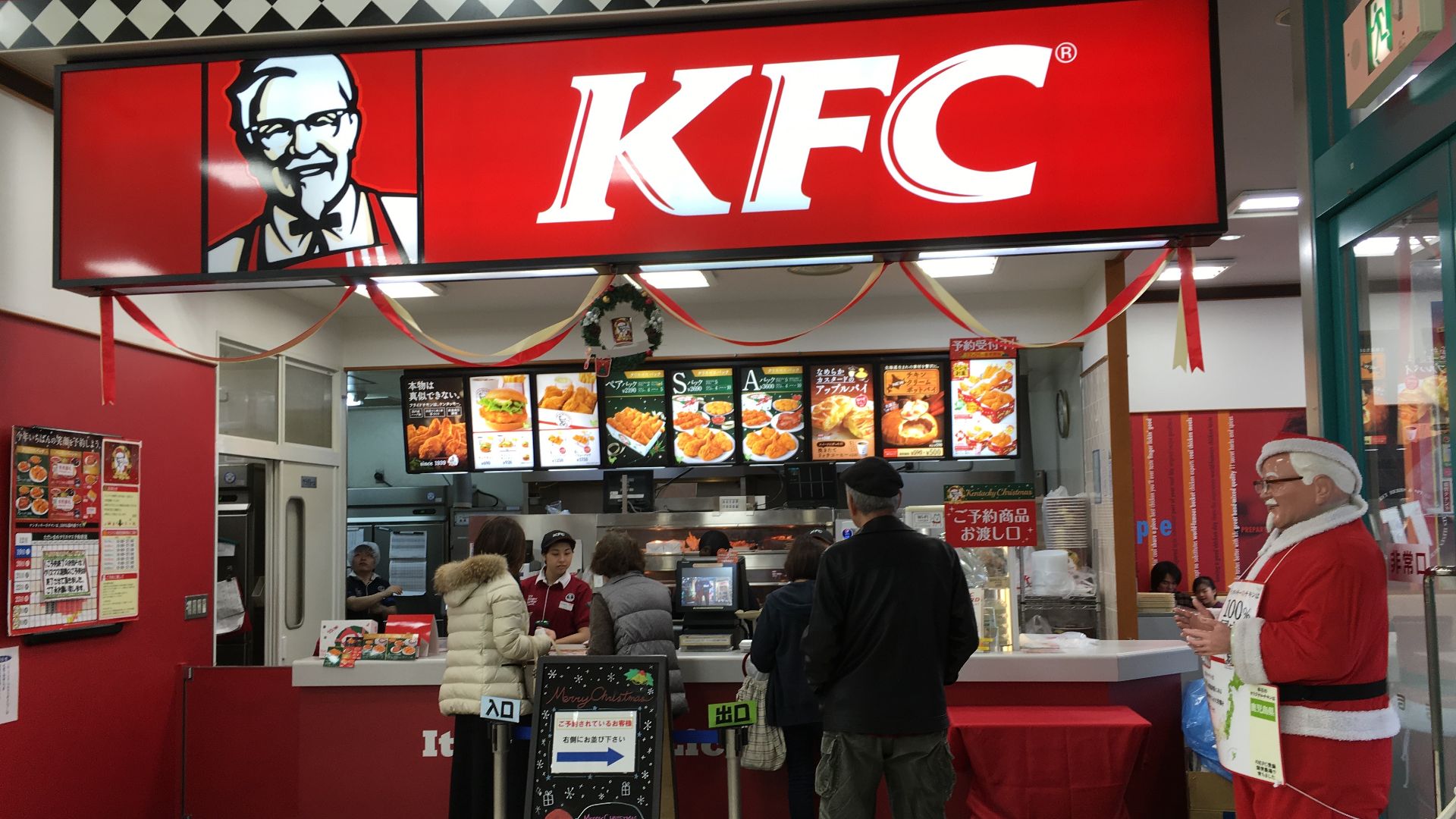
The KFC Christmas tradition, known in Japan as "Kurisumasu ni wa Kentakkii" (Kentucky for Christmas), endures because it successfully filled a cultural void in a country lacking a deep-rooted history of Christmas celebrations. By marketing fried chicken as a celebratory, communal alternative to Western holiday traditions, the brand transformed a fast-food meal into an essential, multi-generational ritual that persists through strategic brand positioning and consistent annual demand.
The Origins of a Modern Phenomenon
The KFC Christmas tradition did not emerge from centuries of history, but from a calculated marketing masterstroke in the early 1970s. Takeshi Okawara, who managed the first KFC in Japan, reportedly overheard a group of foreigners complaining about their inability to find turkey during the Christmas season. Inspired, he marketed a "party barrel" of fried chicken as a convenient substitute.
In 1974, KFC Japan launched the "Kentucky for Christmas" campaign. At the time, Christmas was not a religious holiday in Japan; it was viewed as a secular, novelty event. Because traditional Western staples like roasted turkey or ham were largely unavailable in Japanese grocery stores, KFC provided a ready-made solution for families seeking a festive centerpiece. The brand effectively co-opted the concept of "Western-style Christmas" and simplified it, making the barrier to entry for participation exceptionally low.
The Psychological and Social Drivers of Continuity
The durability of this tradition is not merely due to effective initial marketing but to the way it has integrated into the Japanese social fabric over the last five decades. As of 2026, the tradition is deeply embedded in the lives of millions.
1. The Power of Scarcity and Preparation
KFC Japan operates a robust pre-order system for its Christmas barrels. By requiring customers to reserve their meals weeks or even months in advance, the company transforms a routine purchase into an anticipated event. The scarcity model—where failing to order in advance can result in long queues or sold-out items—creates a sense of urgency. This psychological trigger ensures that the "tradition" is actively maintained by the consumer, who feels a sense of ownership over the ritual.
2. Convenience in a High-Pace Society
Modern Japanese lifestyles are often characterized by long working hours and high-pressure social expectations. Hosting a traditional, labor-intensive home-cooked meal can be a significant burden. The KFC Christmas barrel offers a consistent, high-quality, and stress-free alternative. It provides a standardized experience that ensures everyone in the family—from children to grandparents—enjoys the meal, reducing the social friction often associated with holiday menu planning.
3. The "Western" Aesthetic as a Festive Marker
For many consumers in Japan, the red-and-white branding of KFC serves as a visual shorthand for the festive season. The brand successfully linked its imagery with the broader, secular aesthetic of Christmas, complete with tinsel, lights, and carols. This visual consistency has remained largely unchanged for generations, creating a nostalgic anchor that transcends the product itself.

Strategic Operational Factors
The success of the KFC Christmas model is supported by a sophisticated supply chain and labor strategy. Maintaining quality at such a massive scale during a single 48-hour peak requires immense operational precision.
| Factor | Operational Impact | Consumer Benefit |
|---|---|---|
| Pre-ordering | Allows for precise volume forecasting | Guaranteed meal and reduced waiting times |
| Centralized Prep | Ensures uniform taste across all franchises | Reliable, familiar, high-quality product |
| Limited Menu | Streamlines kitchen throughput | Focus on signature items and efficiency |
| Thematic Packaging | Creates "collectible" holiday aesthetics | Enhances the festive dinner table presentation |
By streamlining the menu during the holiday peak, KFC minimizes the likelihood of service errors. The focus on the "party barrel"—a shareable, pre-configured unit—also simplifies the assembly process for kitchen staff, allowing stores to handle a significantly higher volume of customers than on an average day.
Challenges and Maintenance of the Tradition
Despite its dominance, the KFC Christmas tradition faces ongoing challenges. As of 2026, shifting consumer tastes toward artisanal or health-conscious dining options represent a constant threat. Furthermore, rising labor costs and ingredient inflation require the brand to constantly balance price hikes with the "value" perception that keeps the tradition alive.
KFC maintains its position by leaning into its status as a cultural icon rather than just a food provider. The brand emphasizes the "party" element of the experience, often including accessories or themed packaging that appeal to younger demographics and families. By maintaining this identity, KFC remains a "safe" choice for holiday celebrations. It is not just about the food; it is about the reliability of the ritual. When other traditions feel ephemeral or difficult to replicate, the KFC barrel remains a constant.
Frequently Asked Questions
Why do Japanese families eat KFC on Christmas?
Japanese families adopted this tradition primarily because KFC Japan successfully marketed fried chicken as an accessible, festive alternative to traditional Western Christmas foods that were otherwise difficult to source in the 1970s. It has since become a deeply ingrained, multi-generational social ritual.
Is KFC food different on Christmas in Japan?
While the core recipe remains consistent with the brand’s global standards, the presentation during the holidays is distinct. The offerings usually include curated "Party Barrels" that often feature special packaging, additional sides, and seasonal desserts, designed specifically for sharing at a family gathering.
How far in advance do people order?
Consumers often place their orders weeks in advance to ensure availability. The pre-order system is a critical component of the business model, allowing the franchise to manage the immense demand effectively and ensure that all stores are appropriately staffed and stocked for the peak days of December 24th and 25th.
Does the tradition only happen in Japan?
While KFC has attempted to replicate the "Kentucky for Christmas" campaign in other international markets, it has achieved its highest level of cultural integration and widespread social adoption in Japan. In many other countries, holiday food traditions remain rooted in local, often more diverse, culinary customs.
Can you still buy regular menu items on Christmas?
While many locations prioritize the pre-order party barrels during the holiday peak, the availability of the standard menu can vary by location. However, the operational focus is almost entirely on the holiday-specific offerings to maximize efficiency during the busiest period of the year.
Is this a religious holiday in Japan?
No, Christmas in Japan is widely treated as a secular, commercial holiday. It is primarily centered around gift-giving, romantic dates, and festive meals rather than religious observance, which explains why a fast-food brand was able to establish itself as the central authority for the holiday meal.
Conclusion and Next Actions
The KFC Christmas tradition remains robust because it addresses a fundamental human desire for consistent, effortless celebration. For those looking to understand the mechanics of this phenomenon, the primary takeaway is the importance of brand-culture alignment.
If you are traveling to Japan during the festive season, the most practical step is to recognize the necessity of the pre-order system. If you hope to participate in this tradition, you must plan your logistics well in advance, as walk-in availability on the days leading up to and including Christmas Day is rarely guaranteed. Check the official KFC Japan website starting in early November for information regarding current-year reservation windows and specific package offerings.
Image Gallery
Select an image to open it in a new tab.



Omar Farooq
EdTech Innovation and Virtual Pedagogy Journalist
