
A company stock symbol, or ticker symbol, serves as the unique alphanumeric identifier that allows investors to navigate global financial markets. By providing a shorthand reference for executing trades, tracking real-time price movements, and filtering market data, these symbols eliminate the ambiguity of multi-word company names, ensuring that capital is directed to the intended asset without error.
The Mechanics of Ticker Symbols in Modern Markets
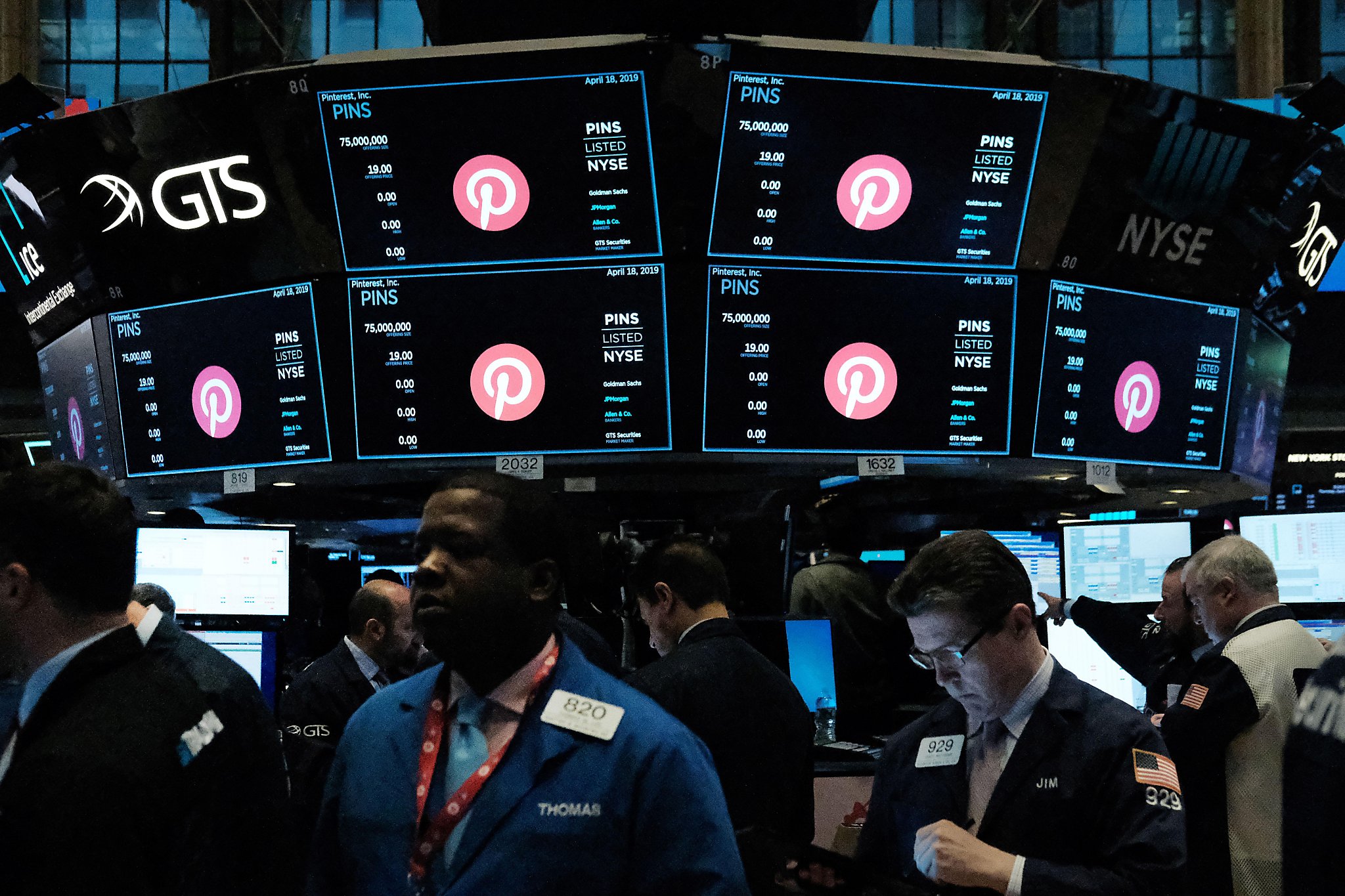
A stock symbol is more than a simple shorthand abbreviation; it is a critical technical component of the financial plumbing that connects individual investors to global exchanges. In the United States, the system is primarily managed by the Financial Industry Regulatory Authority (FINRA) and individual exchange operators like the New York Stock Exchange (NYSE) or the Nasdaq.
When you enter a trade through a brokerage platform, the ticker symbol acts as the primary key in a database. Because many companies have similar names—or have undergone name changes, mergers, and acquisitions—using a full legal name to execute a trade would be inefficient and prone to human error. The symbol provides an immutable reference point. Even if a corporation rebrands its identity or changes its headquarters, the ticker symbol often remains the most consistent link between the public entity and its listed shares.
Furthermore, these symbols are exchange-specific and often carry suffixes that denote the type of security or the specific exchange on which the instrument is listed. Understanding these technical nuances is the first step toward effective portfolio management.
Navigating Exchanges and Regulatory Frameworks
Not all ticker symbols function the same way across every market. Investors must be aware that the exchange architecture dictates how symbols are displayed and verified.
- Exchange-Specific Conventions: In the past, the number of letters in a ticker symbol was often determined by the exchange. For instance, NYSE-listed companies historically used one- to three-letter symbols, while Nasdaq companies used four-letter symbols. While these rules have loosened as exchanges have competed for listings, the historical legacy still influences how automated systems categorize these stocks.
- Security Identifiers: Beyond standard common stock, symbols often include auxiliary characters to differentiate security types. For example, a ticker followed by a period or a specific suffix may indicate that the asset is a preferred stock, a warrant, or a unit rather than common equity.
- Cross-Listing Ambiguity: A company might have different ticker symbols for different international exchanges. A large multinational corporation might trade on the NYSE under one symbol and on the London Stock Exchange under another. Investors must be diligent when tracking these assets to ensure they are looking at the price data relevant to the specific market where their shares are held.
Preventing Execution Errors: The Risk of Similar Tickers
One of the most common pitfalls for retail investors is failing to verify the symbol before executing a trade. Because many companies choose tickers that reflect their brand, it is possible to encounter "ticker confusion," where a company chooses a symbol that is remarkably similar to a well-known competitor or an unrelated, unrelated firm.
For example, a company might choose a symbol like "CASH" or "TECH" to sound appealing. However, an investor who types in a symbol based on a vague recollection of a company’s name may end up purchasing the wrong security entirely. This is particularly dangerous for small-cap stocks where liquidity is low and the impact of an unintended trade can be financially significant.
Always verify the following information before placing a buy order:
- The Exchange: Confirm that the ticker matches the exchange you intended to access.
- Company Profile: Read the provided company summary on your brokerage platform to ensure the business model matches your expectations.
- The CUSIP/ISIN: For high-stakes institutional or professional trading, relying on the Ticker symbol alone is insufficient. The CUSIP (Committee on Uniform Securities Identification Procedures) number or ISIN (International Securities Identification Number) acts as the definitive legal identifier for the specific security, which is far more precise than a ticker symbol.
Table: Key Differences Between Identifiers
| Feature | Ticker Symbol | CUSIP Number | ISIN |
|---|---|---|---|
| Primary Use | Fast trading/Data lookups | Regulatory/Settlement | Global clearing/Settlement |
| Length | 1–5 characters (variable) | 9 characters | 12 characters |
| Exclusivity | Exchange-specific | Region-specific (US/Canada) | Global (ISO standard) |
| Human Readable | Yes (mnemonic) | No | No |
The Impact of Corporate Actions on Tickers
Investors must also understand how a company’s ticker symbol might change due to corporate actions. A ticker is not always permanent.
- Mergers and Acquisitions: When two companies merge, they often create a new ticker symbol to reflect the new entity. Alternatively, one company may be delisted and absorbed into another, causing its ticker to vanish from active trading lists.
- Spin-offs: When a large corporation separates a business unit into an independent company, that new entity will be assigned its own, unique ticker symbol. Investors who held the parent stock might receive shares in the new company, but they will need to track a different ticker for each.
- Delisting: If a company fails to meet exchange requirements—such as minimum share price or financial reporting standards—it may be delisted. Its ticker will be removed from the primary exchange and often move to "Over-the-Counter" (OTC) markets, where the ticker may change to include five characters, often ending in the letter 'F' or 'Y' for foreign-listed securities.
Tracking these changes is essential. If you rely on automated alerts to manage your portfolio, failure to update a ticker symbol after a spin-off or ticker change could result in you "missing" the price movement of your assets, leading to a false sense of security or a failure to sell when the investment thesis has changed.
Digital Literacy for the 2026 Investor
In 2026, the speed of financial data is unprecedented. While algorithmic trading systems operate on millisecond latencies using CUSIPs and other machine-readable codes, the retail investor relies on the visual interface of mobile brokerage apps.
The importance of the ticker symbol in this digital context cannot be overstated. When searching for stocks, ensure that your platform provides real-time, consolidated feeds. Be aware that "delayed quotes" are a common feature of free financial news portals. If you are basing a trade on a ticker symbol’s performance, confirm whether the data reflects the current 2026 market state or if it is lagged by 15 minutes, as this can be the difference between a successful entry and an execution at an unfavorable price.
Frequently Asked Questions (FAQ)
Does every company have a unique ticker symbol across the world? No. Ticker symbols are generally unique only within a specific exchange. A company in the United States may have the same ticker symbol as a company listed in Japan or Australia. Always confirm the exchange and the country of origin when researching a symbol.
Can a ticker symbol be used for more than one stock? Rarely, but it can happen in the case of different classes of stock for the same company. A company might issue "Class A" shares under one ticker (e.g., GOOGL) and "Class C" shares under another (e.g., GOOG), or use a different suffix for preferred versus common shares.
Where can I verify if a ticker symbol is correct? The most reliable source for verifying a ticker symbol is the investor relations page of the company’s official website or the official listing directory of the exchange (e.g., the NYSE website). Avoid relying solely on search engine snippets, which may be outdated.
Does a ticker change affect the value of my investment? No. A change in a ticker symbol is an administrative adjustment and does not impact the value of your shares, your ownership stake, or the underlying financial health of the company. It is simply a change in the identifier used to access the market.
What happens to my stocks if the company changes its name? In most cases, nothing happens to your holdings. Your brokerage will automatically update the company name associated with the existing ticker symbol in your portfolio. You are not required to take any action unless the corporate action involves a reverse stock split or a merger that requires a share exchange.
Final Recommendations for Investors
The ticker symbol is your primary interface with the market. To protect your capital, treat the symbol as a gateway that requires verification. Before finalizing any transaction, follow these three steps:
- Verify the Asset: Ensure the ticker symbol corresponds to the exact asset class (common stock vs. preferred) and the specific entity you intend to purchase.
- Check the Exchange: Confirm that the exchange linked to the ticker aligns with your investment strategy and potential fees.
- Monitor Corporate News: Use the company’s Investor Relations portal to keep track of any pending symbols changes, as these can disrupt automated tracking tools and price alerts.
By approaching the ticker symbol as a vital piece of technical data rather than a casual shorthand, you can ensure that your trades are executed with precision, minimizing the risk of administrative errors that could otherwise cost you time and capital.

Image Gallery
Select an image to open it in a new tab.

Simon Caldwell
Enterprise Technology and Systems Editor
