The Wicked Witch in Classic Tales: Evolution, Archetypes, and Cultural Impact

The wicked witch in classic tales represents a foundational archetype of malice, power, and transgression, serving as the ultimate antagonist across European folklore, Victorian fairy tales, and early children's literature. Far more than a simple villain, the classic wicked witch crystallizes societal fears regarding female autonomy, aging, herbalism, and untamed natural forces, evolving from local mythologies into standardized literary fixtures.
The Historical and Mythological Origins of the Witch Archetype
To understand the wicked witch in classic tales, one must examine the convergence of ancient mythology, oral storytelling traditions, and historical anxieties about marginalized women. Long before Brothers Grimm or Hans Christian Andersen committed these figures to print, oral traditions across Europe featured powerful female entities who operated outside patriarchal structures.
From Wise Woman to Malicious Hag
In pre-industrial European society, the local wise woman, healer, or herbalist (cunning folk) occupied an ambiguous social position. They possessed vital knowledge of botany, midwifery, and veterinary medicine. However, when crops failed, plagues struck, or children fell ill, these figures were often scapegoated.
As Christianity spread across Europe, pre-Christian goddesses and earth mothers—such as the Norse figure Hel or Celtic representations of winter and destruction—were systematically demonized. The church and secular authorities recast the traditional healer as a pact-maker with dark forces. This historical transition directly fueled the literary imagination, transforming the independent woman living at the edge of the village into the malevolent witch of the woods.
Oral Tradition and the Brothers Grimm
When folklorists like Jacob and Wilhelm Grimm collected German oral tales in the early 19th century, they sanitized some elements for bourgeois Victorian readers while sharpening the moral boundaries of others. In stories like Hansel and Gretel, the witch functions as an externalized manifestation of famine-era desperation and child abandonment. The gingerbread house represents a seductive trap of abundance masking lethal consumption, mirroring the harsh economic realities of rural Europe where families occasionally abandoned children they could no longer feed.
Core Psychological and Literary Functions of the Wicked Witch
In the architecture of classic narrative, characters rarely exist merely for entertainment; they fulfill specific psychological and structural needs. The wicked witch serves distinct literary functions that resonate deeply with readers across generations.
The Embodiment of Taboo Autonomy
In traditional societies, women were expected to be nurturing, submissive, and confined to the domestic sphere. The wicked witch radically rejects every pillar of this expectation. She lives alone, often deep within dark forests far from societal surveillance. She exercises immense, unbridled power—transforming people into animals, controlling weather, and concocting potent brews.
By punishing these transgressive traits, classic tales reinforced social norms for young readers, particularly girls. Yet, the witch's enduring fascination lies precisely in her absolute independence. She answers to no master, fears no social censure, and wields power that frequently rivals or exceeds that of kings and heroes.
The Catalyst for Heroic Transformation
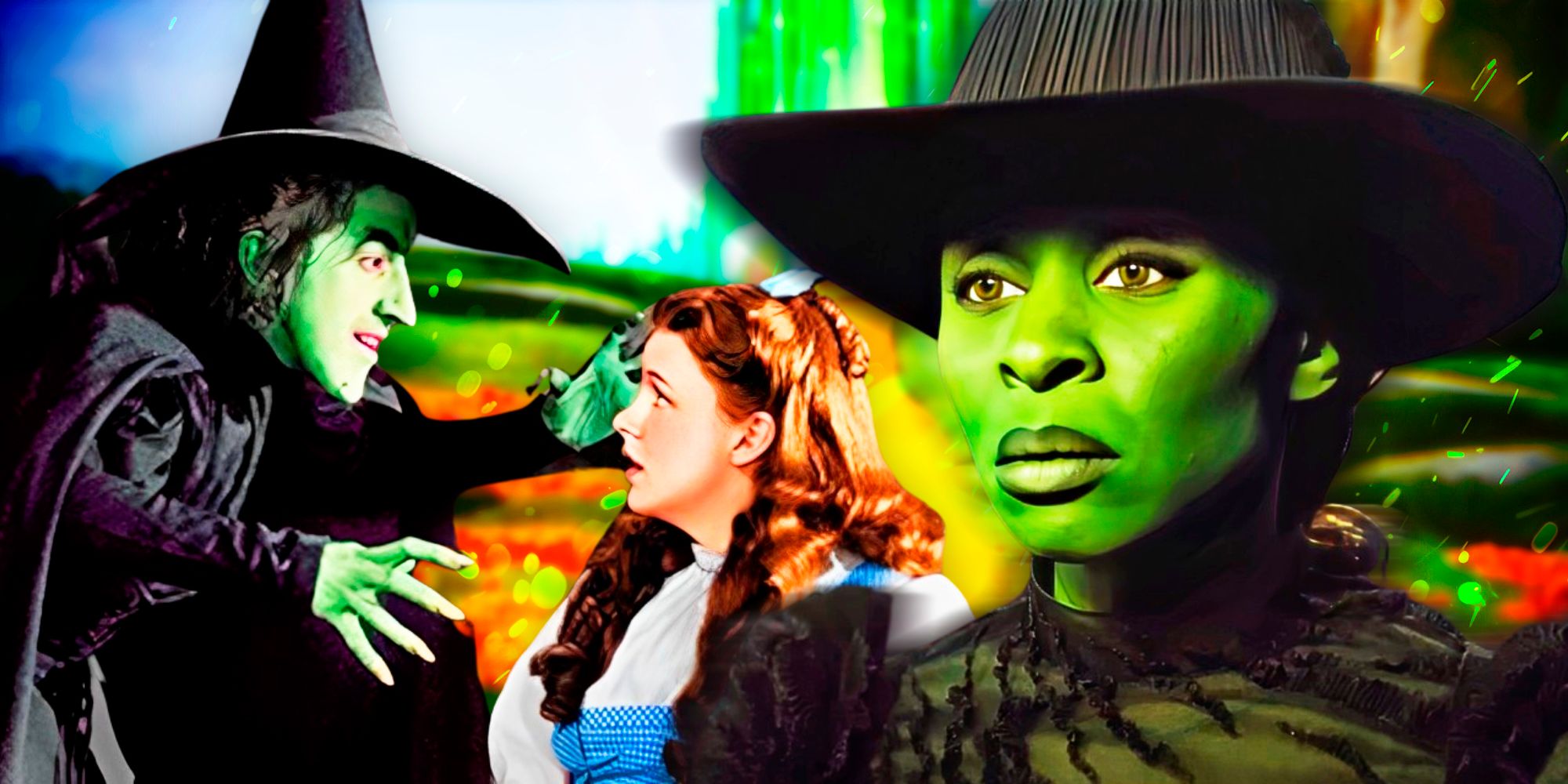
Narratively, the wicked witch serves as the indispensable obstacle that forces the protagonist to grow. Without the poisoned apple, Snow White remains a passive princess in a glass coffin; without the wicked witch of the West, Dorothy Gale never discovers her own inner resilience and resourcefulness. The witch provides the existential threat necessary to propel the hero out of ordinary comfort and into heroic action.

Comparative Analysis of Iconic Wicked Witches in Literature
Classic literature features distinct archetypes of the wicked witch, each utilizing different methods of malice, subterfuge, and magical execution.
| Character Name | Literary Source | Primary Method of Antagonism | Ultimate Fate / Resolution |
|---|---|---|---|
| The Evil Queen (Step-mother) | Snow White (Brothers Grimm) | Vanity-driven espionage, disguise, poisoned apple | Forced to dance in red-hot iron shoes until dead |
| The Witch of the Woods | Hansel and Gretel (Brothers Grimm) | Deception through architecture, cannibalistic entrapment | Pushed into her own hot oven by Gretel |
| The Wicked Witch of the West | The Wonderful Wizard of Oz (L. Frank Baum) | Deployment of winged monkeys, intimidation, enslavement | Melted by a bucket of water thrown by Dorothy |
| Carabosse / The Thirteenth Fairy | Sleeping Beauty (Charles Perrault / Grimm) | Generational curses, spiteful social exclusion | Slain by the prince's sword (Perrault) or defeated by magic redirection |
The Vanity-Driven Sorceress
Exemplified by the Evil Queen in Snow White, this sub-genre of witch focuses inward on aging, beauty, and status. Unlike the wild forest witch, this antagonist often occupies a position of institutional power—a queen or monarch. Her magic is fueled by insecurity and narcissism, utilizing mirrors, potions, and disguises to eliminate younger rivals. This reflects cultural anxieties surrounding female vanity and the loss of youth-derived social capital.
The Isolated Crone
Represented by the witch in Hansel and Gretel and various Russian folktales featuring Baba Yaga, this archetype embodies the primal fear of the devouring mother or hostile nature. These figures live in liminal spaces—thresholds between civilization and the wild unknown. They test the wits and morality of wandering children, demanding resourcefulness and cunning for survival.
Evolution into Modern Media and Deconstructions
As literacy rates shifted and psychological theories permeated storytelling in the 20th and 21st centuries, the one-dimensional wicked witch underwent significant cultural revision. Authors and filmmakers began to ask why the witch became wicked, shifting from flat moral warnings to complex psychological portraits.
The Humanization of Evil
Modern adaptations and revisionist novels have systematically dismantled the pure evil of the classic witch. Gregory Maguire’s novel Wicked (1995) and its subsequent adaptations recontextualize the Wicked Witch of the West (Elphaba) as a political dissident, victim of systemic discrimination, and champion of marginalized animals. This structural inversion transforms the monstrous hag into a tragic, sympathetic antiheroine, reflecting contemporary skepticism toward institutional authority and binary morality.
Visual Evolution in Cinema
Early cinematic representations, most notably Margaret Hamilton’s iconic performance in Metro-Goldwyn-Mayer’s 1939 film The Wizard of Oz, cemented the visual shorthand of the wicked witch: green skin, hooked nose, pointy hat, and cackling laughter. Contemporary cinema has played with these tropes, ranging from the high-fashion villainy of Disney's Maleficent to terrifying, folkloric horror representations in independent cinema like The Witch (2015), which roots the archetype firmly back in historical Puritan paranoia.
Frequently Asked Questions
Why do classic witches live in the woods?
The forest in classic fairy tales represents the unconscious, the unknown, and the lawless space outside civilized society. Living in the woods signifies that the witch operates outside moral, social, and political boundaries, positioning nature as a realm of both danger and raw, untamed power.
Are witches in fairy tales always female?
While the classic "wicked witch" is predominantly female, folklore also features male counterparts such as sorcerers, warlocks, and evil wizards. However, male villains in classic tales more frequently occupy institutional roles (corrupt kings, greedy merchants), whereas female villains are granted supernatural powers linked specifically to domestic spaces, potions, and transformation.
What is the historical origin of the pointy witch hat?
While popular culture attributes the tall, pointed hat directly to medieval witch hunts, historians note that distinct conical hats were worn by various marginalized groups in medieval Europe, including Jewish populations under decree and rural peasants. The hat became permanently associated with witches through 18th- and 19th-century illustrations of fairy tales.
How did the trope of the flying broomstick originate?
The broomstick has roots in early European folk magic and agricultural rituals. In pagan fertility rites, farmers would dance astride pitchforks or broomsticks high in the fields to encourage crops to grow tall. During the witch trials, inquisitors co-opted these agricultural practices, falsely accusing women of smearing hallucinogenic flying ointments onto wooden staves to travel to nocturnal gatherings (sabbats).
Conclusion and Cultural Legacy
The wicked witch in classic tales remains an enduring pillar of world literature because she captures fundamental human tensions: the conflict between civilization and wilderness, the fear of aging and powerlessness, and the fascination with transgression. Whether viewed as a moral warning against disobedience or reclaimed as a symbol of female autonomy, the classic witch continues to cast a long, imaginative shadow over modern storytelling.
Image Gallery
Select an image to open it in a new tab.


Celine Dubois
Contemporary Living and Global Arts Columnist
