What DivvyCloud Cloud Security Really Means: Understanding Cloud Posture Management
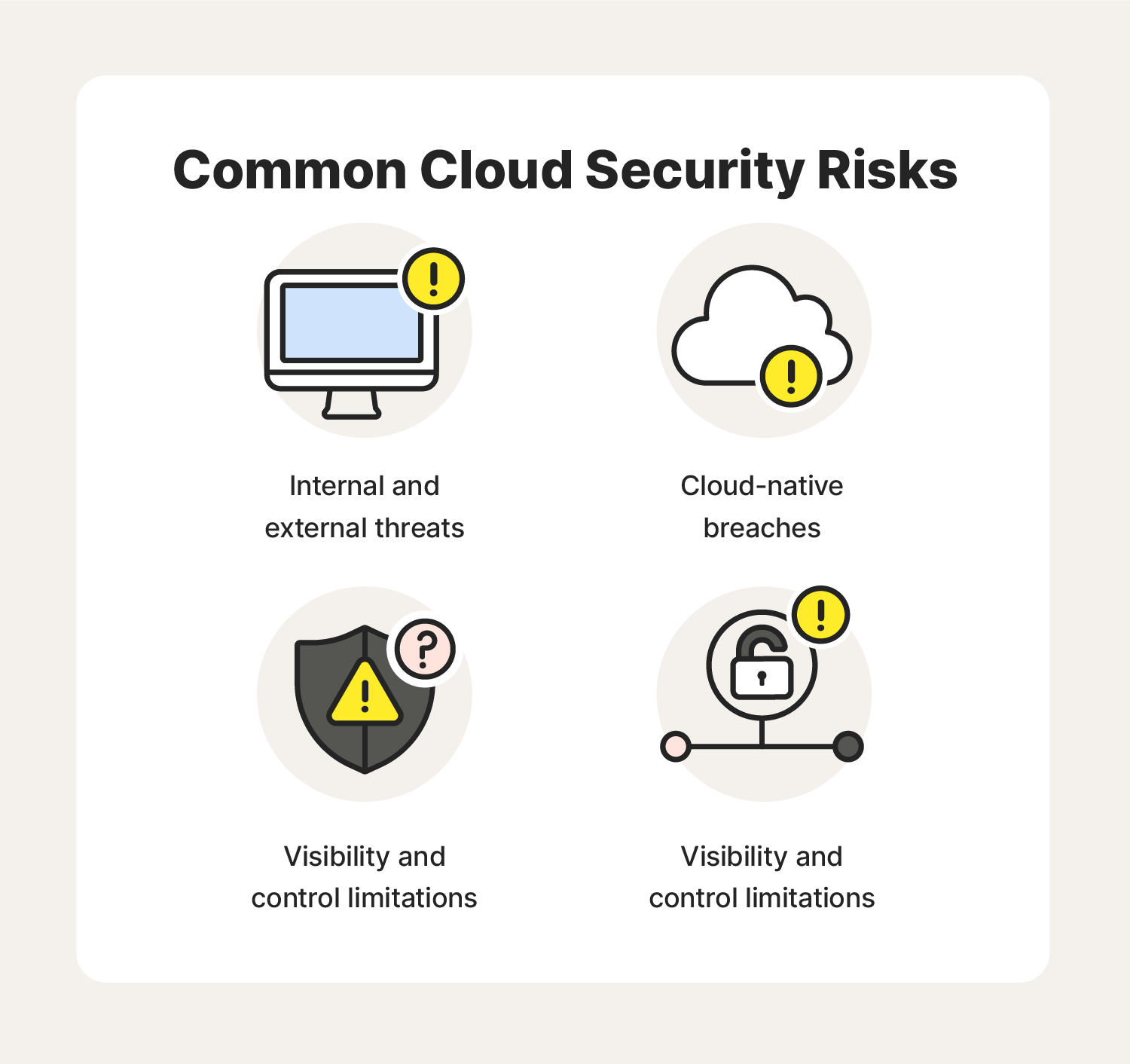
DivvyCloud cloud security refers to the specific set of capabilities, methodologies, and architectural frameworks associated with the DivvyCloud platform—which was acquired by Rapid7 in 2020—designed to provide continuous security, compliance, and governance across heterogeneous multi-cloud and containerized environments. It effectively serves as a centralized control plane for identifying and remediating risks arising from misconfigurations, unauthorized access, and policy violations in real-time.
The Genesis and Functional Identity of DivvyCloud
To understand what DivvyCloud security really means, one must first recognize its positioning in the cybersecurity landscape. Unlike traditional firewall-based security or identity management tools that focus on specific network perimeters, DivvyCloud (now integrated as part of the Rapid7 Cloud Security suite) was engineered as a Cloud Security Posture Management (CSPM) and Cloud Workload Protection (CWPP) solution.
The primary function of DivvyCloud is to provide visibility. In a modern infrastructure environment—where organizations might deploy assets across AWS, Microsoft Azure, Google Cloud Platform (GCP), and Kubernetes clusters simultaneously—security teams often suffer from "visibility gaps." DivvyCloud bridges these gaps by aggregating metadata from all cloud service providers into a unified data model. This allows security operations center (SOC) teams to query their entire cloud footprint as if it were a single, cohesive entity rather than a disparate collection of siloed accounts.
Core Pillars of DivvyCloud Security
DivvyCloud’s operational philosophy is built on three technical pillars: Visibility, Compliance, and Automation. These pillars are not merely features; they are the fundamental mechanics that define how the platform interacts with cloud environments.
1. Unified Visibility and Asset Inventory
Visibility is the foundational prerequisite for security. DivvyCloud creates a "near real-time" inventory of every resource in the cloud—virtual machines, storage buckets, IAM users, and security groups. By mapping the relationships between these resources, it allows administrators to see exactly how data is exposed to the internet.
For instance, an S3 bucket might be configured with public read access. DivvyCloud identifies not just the bucket, but the specific IAM policy that granted access, the user who modified the policy, and whether that configuration violates organizational security baselines.
2. Continuous Compliance and Governance
In regulated industries, such as finance or healthcare, maintaining compliance is not a static event. It is a continuous requirement. DivvyCloud maps cloud configurations against major industry benchmarks, including CIS (Center for Internet Security) Foundations, SOC 2, HIPAA, PCI-DSS, and GDPR.
By running these automated checks, the platform identifies "drift." Cloud drift occurs when a resource is manually modified or deployed in a way that violates a security policy. DivvyCloud continuously monitors for these changes, alerting security teams when a production environment deviates from the "known good" state defined by compliance standards.
3. Closed-Loop Automation
The most distinct aspect of the DivvyCloud security methodology is its approach to remediation. It does not just alert teams to problems; it offers a framework for "Bots"—automated logic workflows—that can execute repairs.
If a security engineer identifies that a database has been made public, they can configure a DivvyCloud Bot to automatically revert that change, notify the team via Slack or email, and log the event in a ticketing system. This shift from manual intervention to programmatic remediation is what distinguishes mature cloud security programs from reactive ones.
The Architectural Necessity in Multi-Cloud Environments
As of 2026, the complexity of cloud infrastructure has moved beyond single-provider deployments. Modern enterprises frequently operate in hybrid-cloud or multi-cloud modes to avoid vendor lock-in and optimize latency. This architectural diversity creates significant security hurdles, as each provider uses different terminology and different security APIs.
DivvyCloud abstracts these differences. By normalizing data, it ensures that a security policy defined in the platform is enforced consistently across AWS, GCP, and Azure. For an organization, this means they do not need to train staff on the nuances of every single provider’s IAM (Identity and Access Management) console to enforce a "No Public SSH Access" policy. The platform enforces the intent, regardless of the underlying cloud provider’s syntax.
Comparative Framework: CSPM vs. Traditional Security
Understanding DivvyCloud requires recognizing how it differs from legacy security tools. The table below illustrates the distinctions between cloud-native posture management and traditional perimeter security.
| Feature | Traditional Security | DivvyCloud (CSPM) |
|---|---|---|
| Focus | Perimeter (Firewalls, VPNs) | Resource Configuration & IAM |
| Latency | Static / Scheduled Audits | Real-time Streaming Events |
| Scope | On-premises data centers | Multi-cloud & Container environments |
| Remediation | Manual ticketing | Automated Bot-driven workflow |
| Control Plane | Siloed by vendor | Unified across cloud providers |
Common Implementation Challenges
While DivvyCloud provides the tools for robust security, effective implementation requires navigating common operational hurdles.
Managing "Alert Fatigue"
One of the most frequent mistakes organizations make is enabling all detection rules simultaneously without context. This results in thousands of alerts, which can overwhelm security teams. The most effective approach is to focus on high-impact, high-risk misconfigurations—such as open database ports or unencrypted storage—before expanding to lower-priority policy enforcement.
Defining Policy Ownership
Cloud security is a shared responsibility. DivvyCloud often sits at the intersection of DevOps and Security teams. A common tension point occurs when automated remediation Bots block a deployment that a developer needs for a legitimate business case. Successful adoption requires an integrated approach where developers are involved in defining the "Exceptions" and "Exclusions" within the DivvyCloud platform to prevent operational friction.
Maintaining Resource Metadata
The accuracy of DivvyCloud depends on its ability to ingest data from cloud providers. In highly dynamic environments, ensure that Service Accounts or Roles have the necessary "Read-Only" permissions to query the cloud environment. If these permissions are insufficient, the visibility that DivvyCloud provides will be incomplete, leading to security blind spots.
The Role of Container and Kubernetes Security
As microservices architectures have become the standard in 2026, DivvyCloud’s scope includes the security of Kubernetes clusters. It monitors the control plane of Kubernetes, ensuring that pods are not running with excessive privileges and that network policies are defined to restrict lateral movement between containers. This is critical because a misconfiguration in a Kubernetes manifest can be just as damaging as an open S3 bucket.
How to Effectively Use DivvyCloud for Risk Mitigation
To derive maximum value from the platform, follow this progression of maturity:
- Discovery: Use the platform to gain a full inventory of all cloud resources. Use tags to categorize these assets by environment (e.g., Development, Staging, Production).
- Standardization: Define "Gold Standards" for your environment. For example, establish that no production resource should lack a "Cost Center" or "Owner" tag, and no database should be publicly accessible.
- Assessment: Map your current environment against your standards. Identify the delta between your reality and your goals.
- Automation: Implement the "Bots" for non-disruptive remediation (e.g., adding missing tags).
- Optimization: Introduce stricter automated remediation for high-risk security violations, ensuring you have an established process for handling false positives or legitimate business exceptions.
Frequently Asked Questions
Does DivvyCloud replace my existing firewall or WAF? No. DivvyCloud is a security posture management tool, not a traffic-filtering tool. It works alongside firewalls and Web Application Firewalls (WAFs) by ensuring their configurations are correct and that the policies attached to them remain in compliance over time.
Can DivvyCloud protect my on-premises data centers? DivvyCloud is specialized for cloud-native infrastructure. While it can interface with cloud-based resources that connect to on-premises environments, it is not designed to manage physical servers, local network hardware, or traditional on-premises data center security.
Does enabling automation risk breaking my production applications? Yes, if not configured carefully. It is best practice to run Bots in "Notify Only" mode for a period to identify which legitimate applications would be affected by a policy before switching to "Auto-Remediation" mode.
Is DivvyCloud still a standalone product? As of 2026, DivvyCloud functionality is deeply integrated into the broader Rapid7 Cloud Security platform. Organizations typically access these capabilities through the Rapid7 cloud console rather than as a separate, legacy-branded tool.
What happens if I have a multi-cloud environment with different IAM roles? DivvyCloud handles this through cross-account roles and service principals. It normalizes these diverse identities into a unified IAM visibility view, allowing you to track users and their permissions across all clouds simultaneously.
Final Recommendation: Prioritize Visibility Before Action
If you are just beginning your journey with DivvyCloud-style security, your first objective should not be "fixing everything." Instead, focus entirely on the Discovery and Inventory phase. You cannot secure what you cannot see. Spend the first 30 days documenting your assets, tagging them appropriately, and understanding your existing security gaps.
Only once you have a clear, comprehensive map of your environment should you begin implementing automated remediation. This disciplined approach ensures that your automation Bots operate on a foundation of verified data, preventing the risk of accidental outages while significantly reducing your attack surface in the cloud.
Image Gallery
Select an image to open it in a new tab.
Ingrid Bjornson
Global Cyber Policy and Regulation Analyst
