While term life insurance is widely marketed as the most affordable way to protect your family, the idea that it is universally inexpensive is often a myth. In reality, the cost of coverage varies dramatically based on age, health status, and policy duration, meaning that baseline low-cost rates apply only to a small segment of ideal buyers.
Understanding the Term Life Insurance Landscape
When financial advisors and insurance brokers discuss life insurance, term life insurance is almost always positioned as the baseline recommendation for young families, mortgage holders, and individuals seeking straightforward income replacement. The core premise is simple: you purchase a policy for a specific duration—typically 10, 20, or 30 years—and if you pass away during that window, your beneficiaries receive a tax-free death benefit. Because there is no cash value accumulation or permanent investment component, the premiums are mathematically lower than those of whole life or universal life policies.
However, translating "lower than permanent insurance" into "inexpensive" creates a dangerous generalization. For a healthy 25-year-old purchasing a 20-year term policy, the monthly premium can indeed be nominal, sometimes running less than a standard streaming subscription. Yet, the insurance marketplace operates on strict risk-assessment algorithms. As soon as an applicant deviates from pristine health, advances in age, or requires specialized underwriting, those marketed low-cost averages evaporate. Understanding why the promise of cheap term life insurance frequently falls short requires examining the mechanical variables that insurers use to calculate actual pricing.
The Illusion of Universal Baseline Rates
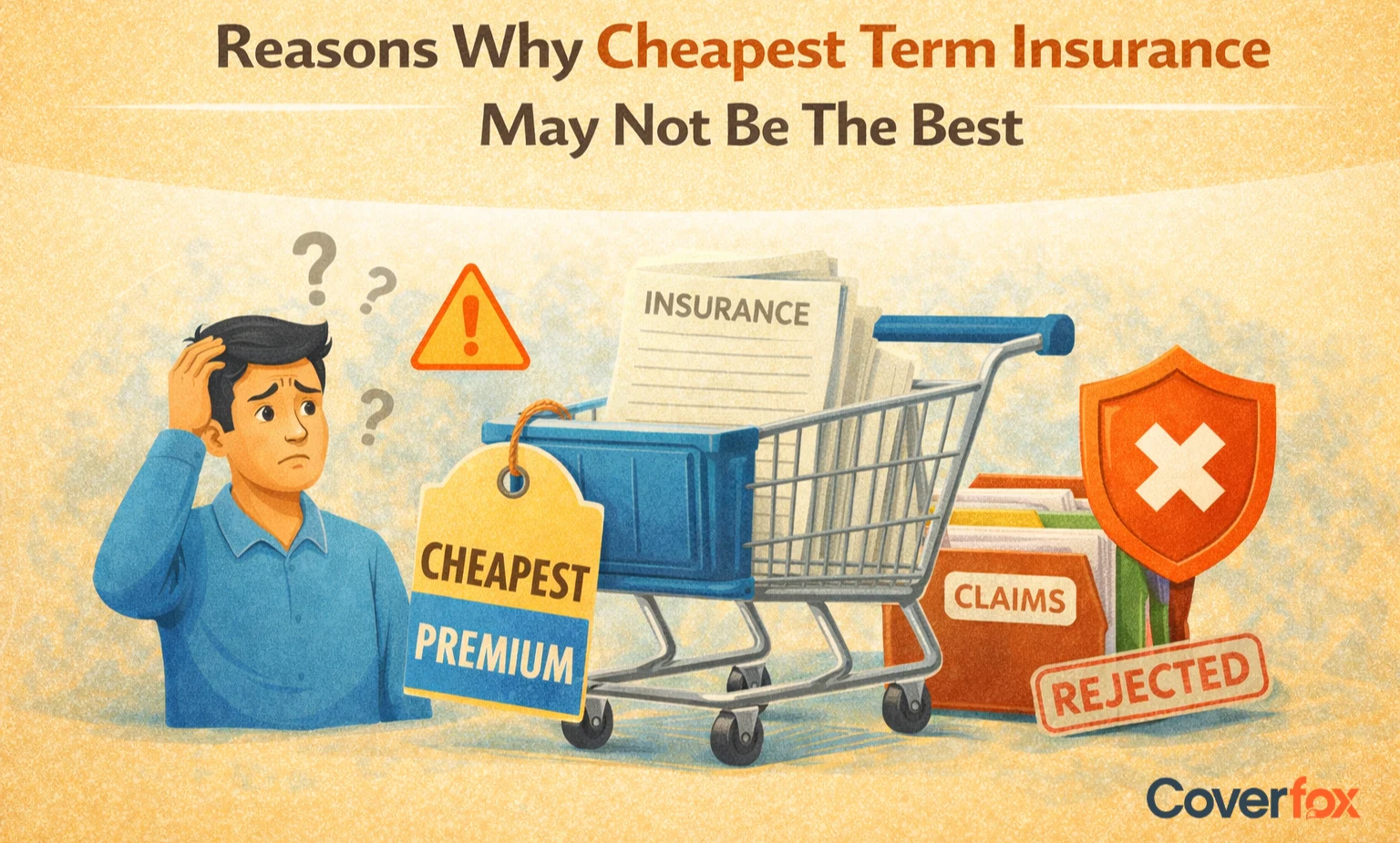
Insurance marketing campaigns frequently feature prominent slogans highlighting policies starting at astonishingly low monthly rates. These advertisements usually incorporate fine print noting that the quoted price applies exclusively to individuals in "preferred plus" or "super elite" health classes. In practice, only a minor percentage of the general population qualifies for these top-tier underwriting categories.
When an average consumer applies for coverage, minor medical variations—such as a slightly elevated body mass index (BMI), controlled hypertension, or a family history of heart disease—can bump the applicant down into standard or substandard rating classes. This downward shift does not merely add a few dollars to the monthly bill; it can double or triple the cost of the policy. Consequently, a product that appeared inexpensive in an online quote engine becomes a significant line item in a household budget once formal medical underwriting is complete.
Key Factors That Drive Up Term Life Insurance Costs
Insurance underwriters evaluate dozens of variables to determine risk. While term insurance avoids the steep administrative and investment fees associated with permanent policies, it remains fully exposed to the fundamental laws of actuarial science.
Age as the Ultimate Cost Multiplier
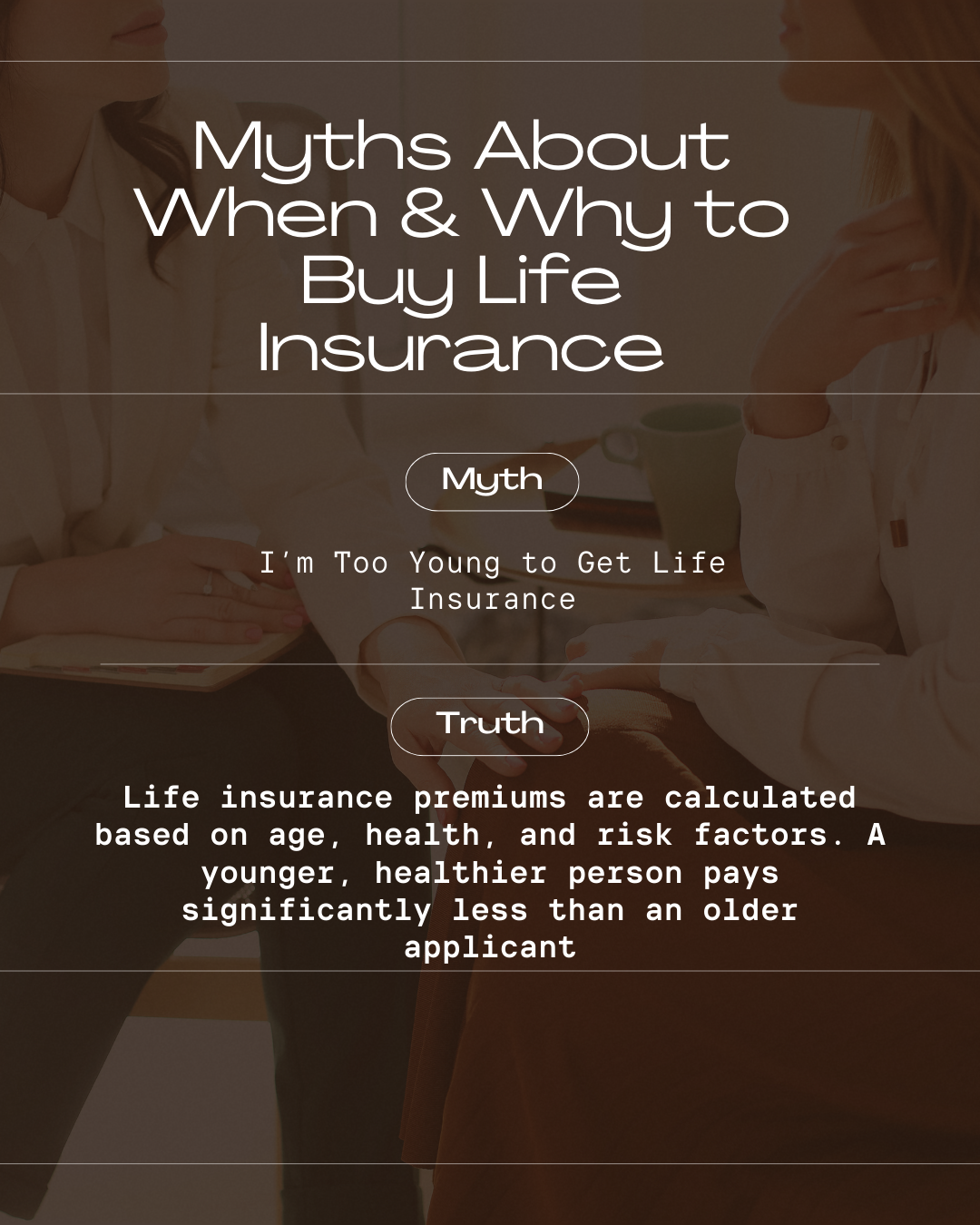
The single most influential factor in life insurance pricing is chronological age. Because the statistical probability of mortality increases every year, locking in a term policy later in life triggers exponentially higher premiums.
| Age Bracket | Estimated 20-Year Term Rate ($500k Benefit, Preferred Health) | Risk Factor Impact |
|---|---|---|
| 25 to 30 Years Old | Lowest baseline cost ($20 - $35/month) | Minimal actuarial risk; maximum policy duration value. |
| 35 to 45 Years Old | Moderate increase ($40 - $80/month) | Early onset of minor age-related health markers. |
| 50 to 60 Years Old | Substantial surge ($150 - $400+/month) | Steeply rising mortality curves; shorter coverage windows. |
Purchasing a policy at age 25 locks in an inexpensive rate for decades. Conversely, attempting to secure a 30-year term policy at age 50 means the policyholder will be paying peak rates during their highest-earning, highest-expense years, transforming a supposedly affordable product into an expensive financial commitment.
Health and Medical History Realities
Underwriting goes far beyond a basic medical questionnaire. Most traditional term policies require a paramedical exam, blood work, urine analysis, and an evaluation of medical records via the Medical Information Bureau (MIB). Conditions that many people consider normal parts of aging—such as joint pain managed with regular medication, elevated cholesterol, or seasonal anxiety—can impact pricing. Tobacco use, including cigarettes, cigars, vaping, and chewing tobacco, routinely doubles or quadruples term insurance premiums compared to non-smoker rates.
Policy Duration and Face Value Misalignments
Another reason term insurance becomes unexpectedly expensive is a mismatch between the chosen coverage amount and the actual financial need. Consumers often over-insure out of caution or under-insure out of thrift, leading to suboptimal financial efficiency. Furthermore, selecting a 30-year term when a 15-year term would suffice means paying for decades of risk exposure that the household may no longer face once children are grown and mortgages are paid off.
The Danger of Relying Solely on Group Term Life Insurance
Many workers assume they have secured inexpensive coverage through employer-sponsored group life insurance plans. While these policies often provide a baseline benefit—such as one or two times an employee's annual salary—at little to no direct cost, relying on them as a primary family safety net is a critical error.
Employer-provided term insurance is generally non-portable, meaning that if you leave the company, change careers, or experience a layoff, the coverage terminates. Attempting to replace that coverage later in life means purchasing an individual policy at an older age, when base rates are inherently higher. Furthermore, group plans rarely offer sufficient coverage limits for a growing family's true financial obligations, leaving a dangerous gap between what the employer provides and what the household actually requires.
Alternatives and Strategic Ways to Secure Cost-Effective Coverage
Despite the myths surrounding universally cheap rates, term life insurance remains the most cost-effective tool for replacing lost income during working years. To maximize affordability, applicants must approach the market strategically rather than reacting to broad advertising claims.
- Buy Early: Lock in a policy when you are young and healthy, even if you feel you have few financial obligations. Rates scale permanently with the age at which the policy is issued.
- Improve Modifiable Health Metrics: If possible, address temporary markers like high blood pressure or elevated cholesterol before undergoing a formal paramedical exam, as minor improvements can shift an applicant into a superior underwriting tier.
- Shop the Open Market: Independent insurance brokers can compare quotes across dozens of top-rated carriers, identifying which companies are most lenient regarding specific health conditions or lifestyle factors.
- Ladder Your Policies: Instead of purchasing one massive, expensive 30-year term policy, consider "laddering" multiple smaller policies (e.g., a 10-year, a 20-year, and a 30-year term) to match declining financial obligations over time, reducing total premium expenditures.
Navigating the term life insurance market requires looking past generalized marketing claims and examining personal actuarial realities. By understanding how age, health classification, and policy structuring dictate true pricing, consumers can secure adequate protection without falling for the myth of effortless, universal affordability.
Frequently Asked Questions
Is term life insurance always cheaper than whole life insurance?
Yes, term life insurance is structurally less expensive than whole life insurance because it provides pure death benefit protection without an equity-building cash value component. Permanent policies require complex financial management and investment buffering, which drives up administrative costs and monthly premiums significantly.
Can my term life insurance rates increase after the policy is issued?
With a standard level-premium term life policy, your rates are legally locked in for the duration of the initial term, such as 10, 20, or 30 years. However, if you attempt to renew the policy or convert it after the term expires, the new rates will be based on your attained age and will be substantially higher.
Do I always need a medical exam to get term life insurance?
Not necessarily. Many carriers now offer accelerated underwriting programs that utilize algorithmic data checks, prescription history databases, and electronic health records to issue policies without requiring a physical blood draw or paramedical exam, provided the applicant meets specific health criteria.
What happens to my term life insurance premiums if I start smoking after buying the policy?
If you already own an active level-term policy, your rates will generally remain fixed for the duration of the term, provided you disclosed your tobacco status accurately at the time of application. However, lying on your application regarding tobacco use constitutes material misrepresentation, which can lead to a denied death benefit claim.
How do I calculate the right term length for my needs?
The appropriate term length should align with your longest-term financial liabilities. For example, if you have a newborn child and a fresh 30-year mortgage, a 30-year term policy ensures coverage until the child is independent and the home is paid off. If your primary obligation is replacing income for a shorter period, a 15- or 20-year term may be more appropriate and cost-effective.
Image Gallery
Select an image to open it in a new tab.


Vivian Cho
Executive IT and Emerging Technologies Reporter
