The Novels by S.E. Hinton Explored: A Literary Analysis of Youth and Class Conflict
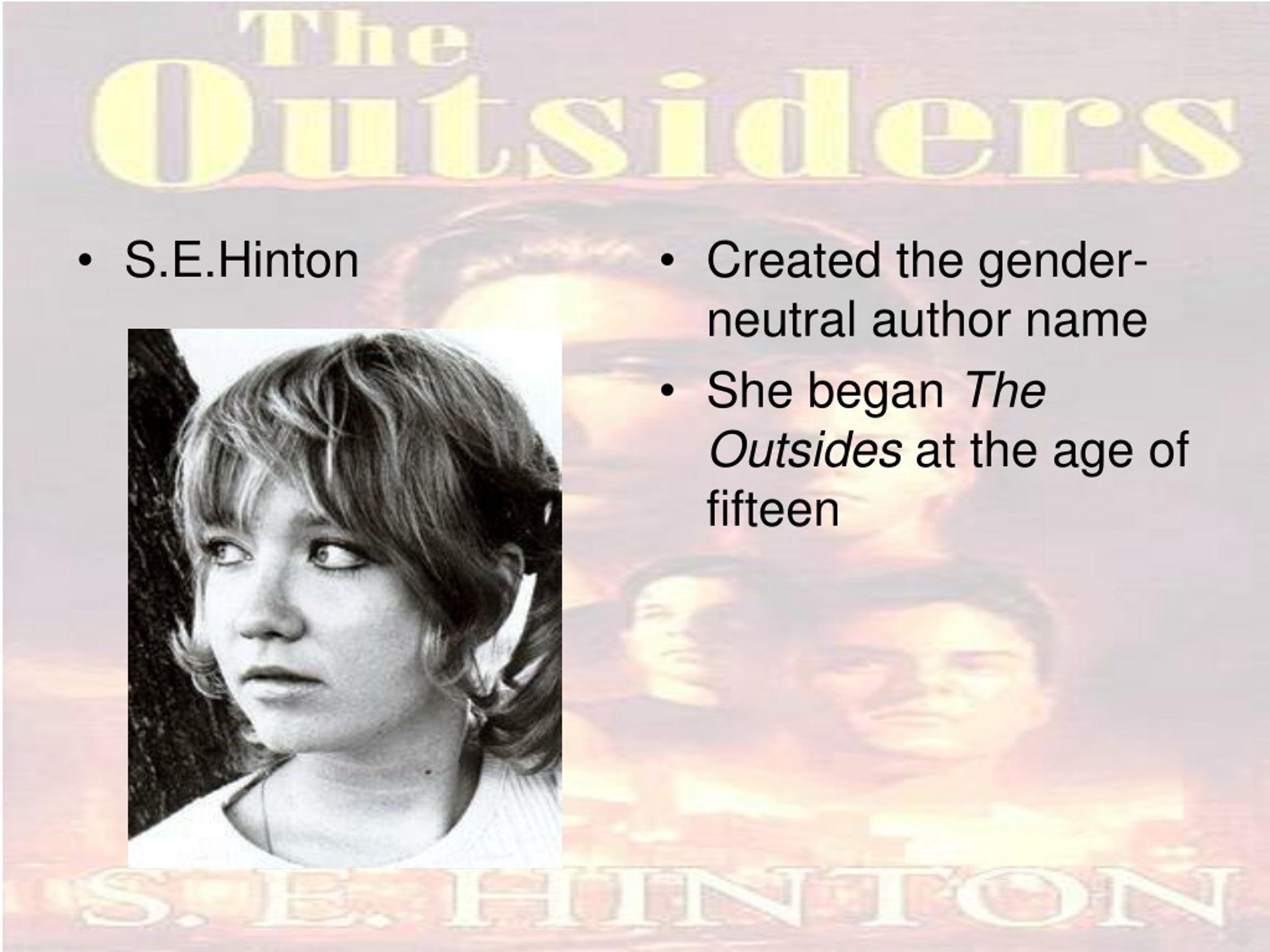
S.E. Hinton revolutionized young adult literature by introducing gritty, realistic portrayals of working-class teenagers, systemic socio-economic divides, and the complex psychological realities of adolescence long before the genre gained widespread critical acceptance.
Introduction to the Literary Legacy of S.E. Hinton
When Susan Eloise Hinton published her debut novel The Outsiders in 1967 under the gender-neutral initials "S.E. Hinton," she altered the landscape of American literature. Before her work, adolescent fiction frequently sanitized the teenage experience, leaning heavily into middle-class comfort, moralistic tones, and sanitized coming-of-age tropes. Hinton wrote from the perspective of an actual teenager—having begun writing The Outsiders at age fifteen out of frustration with the artificiality of books available to young readers.
The novels by S.E. Hinton explored the stark realities of class warfare, domestic instability, peer pressure, and emotional vulnerability. Her books—most notably The Outsiders, That Was Then, This Is Now, Rumble Fish, and Tex—captured a distinct era of 1960s and 1970s American youth culture while maintaining a timeless psychological resonance. By examining her bibliography chronologically and thematically, readers can trace a profound evolution in how literature addresses teenage alienation and societal fragmentation.
The Genesis of Young Adult Realism: The Outsiders (1967)
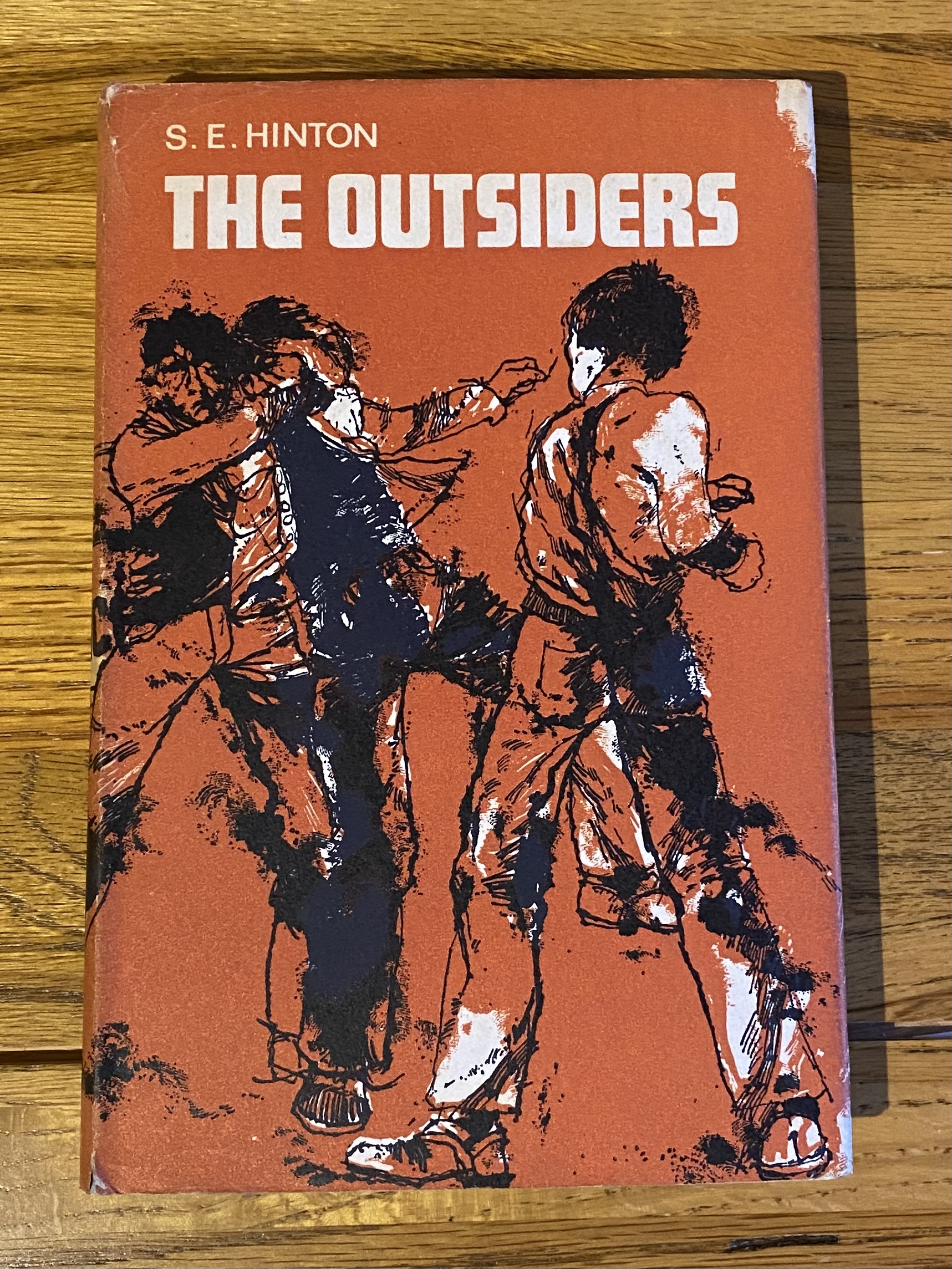
At the core of Hinton's literary contribution is The Outsiders, a novel born from the social stratification of Tulsa, Oklahoma. The narrative centers on an intense rivalry between two factions: the Greasers, who represent the working-class youth from the poorer side of town, and the Socs (short for Socials), the wealthy kids from the West Side who possess material comfort and impunity.
Class Stratification and Empathy
The primary conflict in The Outsiders is outwardly economic and territorial, yet Hinton quickly dismantles the binary opposition between the two groups. Through the eyes of the narrator, fourteen-year-old Ponyboy Curtis, readers discover that despite their physical clashes, Greasers and Socs share common adolescent struggles: the pain of parental neglect, the search for identity, and the vulnerability of being young. The famous advice given by dying Johnny Cade—"Stay gold, Ponyboy, stay gold"—functions as a thematic anchor, reminding readers to preserve their innocence and capacity for wonder despite harsh environmental pressures.
The Role of Found Family
A recurring motif across Hinton's works is the breakdown of traditional nuclear families and the subsequent formation of surrogate, or "found," families. Ponyboy is raised by his older brothers, Darry and Sodapop, after their parents die in a car crash. The Greaser gang operates not merely as a protective unit for street fights, but as an emotional safety net. They share cigarettes, sleeping quarters, and financial burdens, demonstrating that institutional support systems often fail marginalized youth, forcing them to construct their own networks of survival.
Broadening the Scope of Disillusionment: That Was Then, This Is Now (1971)
Published four years after her debut, Hinton's second novel, That Was Then, This Is Now, shifts the narrative lens inward, exploring how ideological divergence can fracture lifelong bonds. The story follows best friends and surrogate brothers Bryon Douglas and Mark Jennison. Unlike The Outsiders, which focuses on inter-group warfare, this novel examines intra-group betrayal and the moral compromises required to survive in an increasingly cynical world.
The Evolution of Morality
Bryon and Mark represent two different responses to poverty and neighborhood violence. Bryon matures, begins questioning his lifestyle, and seeks to integrate into conventional society through work and romance. Mark, conversely, remains fiercely loyal to his amoral, live-for-the-moment philosophy, engaging in illegal activities without remorse.
The climax of the novel arrives when Bryon discovers that Mark is dealing drugs, leading Bryon to turn Mark into the police. This betrayal highlights Hinton's unromanticized worldview: growing up often means making painful ethical choices that sever ties with the past. The title itself serves as an elegy for lost innocence, drawing a permanent line between childhood tribalism and adult responsibility.
Existential Determinism and Visual Motifs: Rumble Fish (1975)
Often considered Hinton's most experimental and philosophically complex work, Rumble Fish departs from straightforward social realism into a moody, expressionistic exploration of determinism, mental illness, and urban decay. Narrated by Rusty-James, a teenage street brawler living in the shadow of his legendary older brother known simply as the Motorcycle Boy, the novel uses animal imagery and atmospheric prose to examine the traps of heredity and environment.
The Symbolism of the Siamese Fighting Fish
The central metaphor of the novel—the rumble fish (Siamese fighting fish)—encapsulates the thematic weight of the narrative. Kept in glass bowls, these fish will fight to the death if placed together or if they see their own reflection. The Motorcycle Boy observes that these creatures belong in the river, not confined in artificial spaces.
This metaphor directly mirrors the characters' lives. They are trapped by limited economic prospects, lack of education, and societal expectations of hyper-masculinity. The Motorcycle Boy represents a tragic figure of acute intelligence born into an environment that lacks the vocabulary or structure to support him, leading to profound alienation and eventual self-destruction.
Transitioning to Rural Realism and Emotional Maturity: Tex (1979)
With Tex, Hinton adjusted her focus from urban street gangs to rural Oklahoma life, exploring the life of fourteen-year-old Tex McCormick and his older brother Mason. While Tex retains Hinton's signature elements—absent parents, socioeconomic struggle, and fraternal bonds—it introduces a more grounded, nuanced examination of adolescent responsibility and forgiveness.
Navigating Identity Outside the Gang Structure
Unlike Ponyboy or Rusty-James, Tex McCormick does not belong to a formal gang. His struggles are domestic, financial, and personal: coping with a father who travels for rodeo circuits, managing the family farm, and dealing with unexpected encounters involving crime and danger.
The novel explores the friction between brotherly obligation and personal ambition. Mason wants to secure a college basketball scholarship to escape poverty, while Tex is more impulsive and rooted in the immediate physical world. Through Tex, Hinton demonstrates that trauma and abandonment do not require gang violence to be destructive; quiet domestic strain can leave equally deep psychological scars.
Comparative Overview of Hinton's Major Novels
| Novel Title | Publication Year | Primary Setting | Central Conflict | Key Themes |
|---|---|---|---|---|
| The Outsiders | 1967 | Tulsa, Oklahoma | Inter-class warfare between Greasers and Socs | Class divides, found family, preservation of innocence |
| That Was Then, This Is Now | 1971 | Urban Neighborhood | Moral divergence between lifelong best friends | Betrayal, maturation, shifting personal values |
| Rumble Fish | 1975 | Industrial Town | Fraternal legacy and generational fatalism | Determinism, alienation, symbolic imagery |
| Tex | 1979 | Rural Oklahoma | Domestic survival and adolescent independence | Responsibility, rural poverty, forgiveness |
The Stylistic Evolution and Impact of S.E. Hinton
Examining the novels by S.E. Hinton reveals several consistent stylistic and narrative hallmarks that defined her career and influenced generations of subsequent authors in the young adult genre.
First-Person Perspective and Authentic Voice
Hinton's choice to write in the first-person perspective allowed readers to experience events through the unfiltered, raw consciousness of teenage boys. Her prose avoids condescension or adult didacticism. Instead, she employed vernacular language, rhythmic pacing, and psychological interiority that resonated deeply with readers who felt misunderstood by institutional authorities.
Uncompromising Realism
Hinton refused to offer neat, fairy-tale resolutions. Characters suffer permanent injuries, face legal consequences, experience profound grief, and occasionally meet tragic ends. This commitment to realism earned her both critical acclaim and occasional censorship challenges from school boards objecting to depictions of smoking, drinking, underage violence, and slang. However, this same uncompromising approach cemented her status as a pioneer who validated the genuine emotional struggles of youth.
Frequently Asked Questions
Why did S.E. Hinton use initials instead of her full name?
S.E. Hinton published The Outsiders using her initials because her publisher feared that teenage male readers would reject a gritty novel about street gangs written by a woman. The strategy succeeded, and she maintained the initials throughout her career.
How did The Outsiders change young adult literature?
Prior to 1967, young adult fiction typically focused on middle-class conformity and clean moral lessons. The Outsiders introduced working-class protagonists, systemic economic inequality, and authentic adolescent angst, effectively establishing the contemporary young adult (YA) genre.
What inspired S.E. Hinton to write The Outsiders?
Hinton began writing the novel at age fifteen in response to real-world social dynamics in Tulsa, Oklahoma, particularly after a friend of hers was beaten up by wealthier kids simply for walking home from the movies.
Are all of S.E. Hinton's novels connected?
While her books do not form a single continuous narrative series, they share thematic universes, recurring motifs of fraternal loyalty and socioeconomic hardship, and occasional subtle crossover references, such as characters or locations appearing across different titles.
What makes Rumble Fish different from her other books?
Rumble Fish moves away from traditional social realism into a more experimental, symbolic narrative style. It heavily utilizes expressionistic elements, focusing deeply on philosophical determinism and psychological fragmentation through the perspective of Rusty-James.
Next Actions for Readers and Researchers
To deepen your exploration of S.E. Hinton's literary contributions, start by reading her novels in publication order—beginning with The Outsiders and moving through That Was Then, This Is Now, Rumble Fish, and Tex. Pay close attention to how her portrayal of masculinity shifts from physical rebellion in street gangs to internal psychological struggle. For academic or comparative study, examine archival interviews regarding her writing process as a teenager and explore cinematic adaptations, particularly Francis Ford Coppola’s 1983 film adaptations of The Outsiders and Rumble Fish, which were developed in close collaboration with the author.
Image Gallery
Select an image to open it in a new tab.


Zara El-Hashem
Sociocultural Dynamics and Academics Writer
