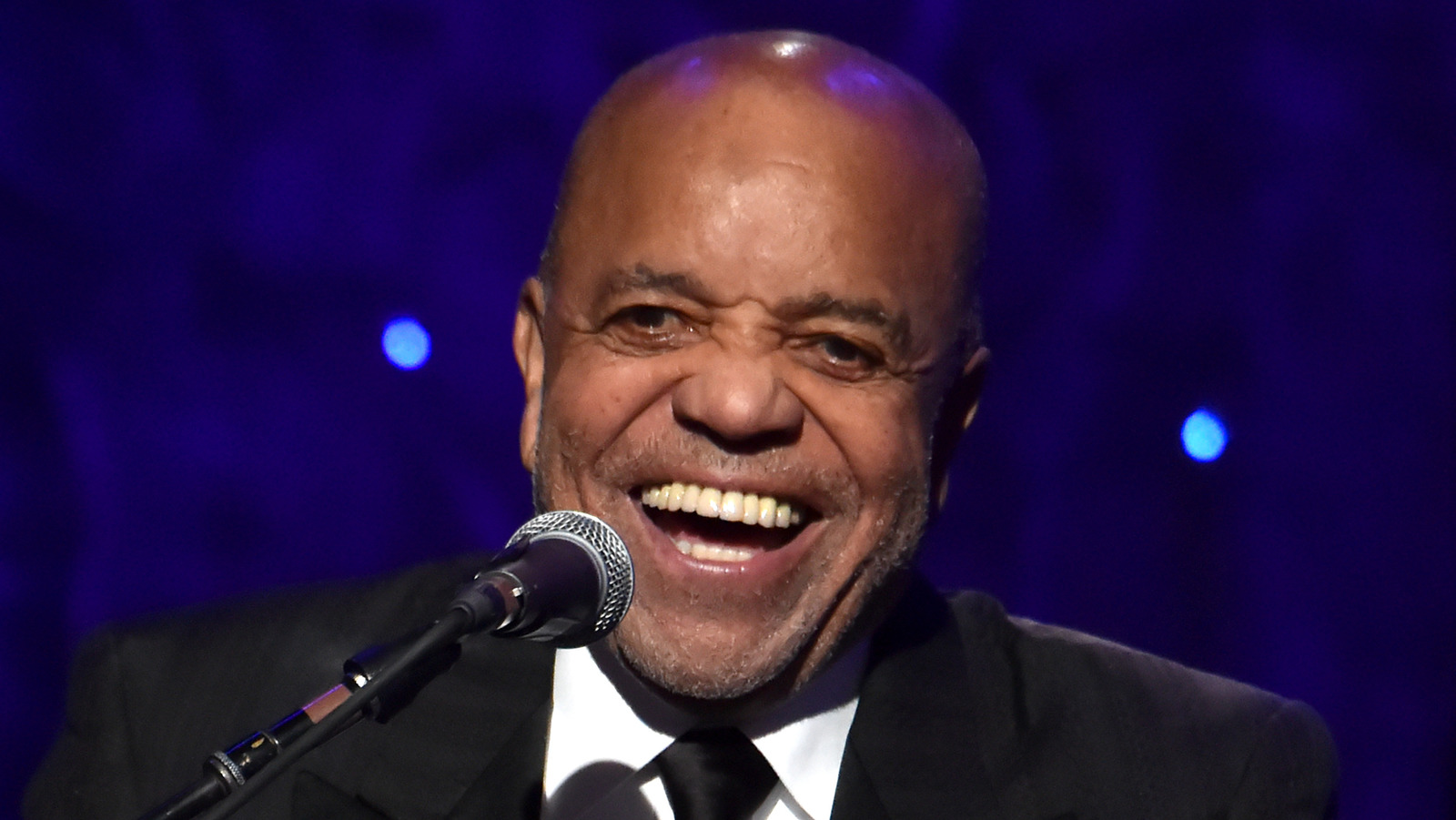
Berry Gordy Jr. is the architect of the Motown sound, a transformative force in twentieth-century music that dismantled racial barriers in the recording industry. By applying the principles of assembly-line production to artistic creation, he cultivated a unique sound, managed legendary talent, and built an empire that remains a definitive pillar of American popular music history.
The Origins of a Musical Dynasty
In 1959, Berry Gordy founded Tamla Records in Detroit, Michigan, using an $800 loan from his family’s savings club. This modest investment, secured shortly after he had worked in the Lincoln-Mercury automotive plant, proved to be one of the most consequential financial decisions in music history. Gordy saw an opportunity to bridge the cultural gap between rhythm and blues, gospel, and pop music. He recognized that the rhythmic intensity of the music emerging from Detroit’s urban scene could—and should—compete on a national stage alongside the mainstream white pop charts.
The name "Motown"—a portmanteau of "Motor Town"—served as a nod to the city’s industrial identity. Gordy’s genius lay in his ability to translate the industrial efficiency of the automotive assembly line into the creative process. Just as a vehicle moved through stations, each adding a specific component until completion, Gordy’s songwriters, musicians, and performers moved through a structured system of refinement.
The Motown Production System
The "Motown Sound" was not an accident; it was a result of strict quality control and rigid artistic development. Gordy established a culture where every song was auditioned and scrutinized before it could be released.
Quality Control Meetings
Weekly meetings at the "Hitsville U.S.A." studio were legendary. Gordy acted as the final arbiter, determining which songs were polished enough for the market. His staff, which included influential figures like Smokey Robinson, Holland-Dozier-Holland, and Barrett Strong, would present their best material. If a song did not meet the "pop" standard—meaning it lacked a hook, clear lyrics, or a rhythm section that could grab a listener within seconds—it was sent back for revision.
The Funk Brothers and House Musicians
While the faces on the album covers were the stars, the sound was anchored by the Funk Brothers. This group of session musicians provided the rhythmic foundation for the vast majority of Motown’s hits. Their technical prowess allowed Gordy to achieve a high degree of sonic consistency. Because they recorded as a unit frequently, their interplay was seamless, creating a distinct, polished texture that defined the label’s output for over a decade.
Artist Development
Gordy realized early on that talent alone was insufficient for long-term success. He established an Artist Development department, led by Maxine Powell, to ensure his acts had the professional polish required to perform in upscale venues. This included instruction on etiquette, stage presence, movement, and public speaking. This training ensured that artists like The Supremes, The Temptations, and Marvin Gaye were not just singers, but consummate entertainers capable of appealing to cross-cultural audiences.

Landmark Achievements and Commercial Impact
Under Gordy’s leadership, Motown became the most successful independent label in the history of music. The company’s influence went beyond the charts; it helped integrate the music industry, as Motown artists began appearing regularly on national television and performing in venues that were previously segregated.
The Supremes: A Case Study in Success
The Supremes, fronted by Diana Ross, became the face of the label’s success. Their consistent ability to reach the top of the Billboard Hot 100 proved that Gordy’s management philosophy was financially and artistically viable. During the mid-1960s, Motown maintained a dominance that mirrored the massive output of the Big Three automakers in Detroit.
Business Evolution and Expansion
As the company expanded, Gordy moved the operation to Los Angeles in 1972. This relocation marked a shift in focus, as the label began to invest more heavily in film and television production. Projects such as Lady Sings the Blues (1972) and Mahogany (1975) demonstrated Gordy’s desire to pivot the Motown brand from a purely musical enterprise into a broader media conglomerate.
| Aspect | Motown’s Approach |
|---|---|
| Songwriting | Collective effort, often utilizing teams like Holland-Dozier-Holland |
| Musicianship | Centralized session band (The Funk Brothers) |
| Stage Performance | Rigorous training in poise and choreography |
| Production | Strict weekly "Quality Control" meetings |
| Target Audience | Mass-market appeal, crossing racial and socioeconomic lines |
Evolution of the Motown Legacy
By 1988, Gordy sold Motown Records to MCA and Boston Ventures. While the label was no longer under his direct control, the catalog remained one of the most valuable in history. The transition of ownership shifted the focus from a singular vision to corporate management, but the foundational recordings continued to influence generations of songwriters and producers.
The Cultural Resonance of the Sound
In 2026, the Motown sound remains a staple of global culture. Its structural influence can be heard in the development of modern pop and R&B production. The emphasis on the "hook," the tight integration of percussion and melody, and the high-production value of the recordings remain the gold standard for many producers.
Challenges and Criticisms
Despite the overwhelming success, Gordy’s leadership style was often described as authoritarian. Artists and songwriters occasionally expressed frustration with the demanding nature of the system and the tight control Gordy exercised over every aspect of their careers. The financial success of the label frequently contrasted with the reality of the royalty structures at the time, leading to legal and personal disputes that occasionally soured relationships with iconic performers. These tensions, however, were often the byproduct of a system built on intense pressure and high performance standards.
Frequently Asked Questions
What was the significance of "Hitsville U.S.A."?
Hitsville U.S.A. was the nickname for the original Motown headquarters located at 2648 West Grand Boulevard in Detroit. It was the epicenter of the company’s creative output, housing the studio where the "Motown Sound" was engineered and refined through hundreds of sessions between 1959 and 1972.
How did Berry Gordy ensure his songs were successful?
Gordy utilized a rigorous "Quality Control" process. Weekly meetings were held where new songs were played for a committee. If the consensus was that a song lacked hit potential, it was returned for re-writing or abandoned. This focus on the "hit" helped the label achieve an extraordinary success rate on the charts.
What role did the Funk Brothers play?
The Funk Brothers were the core team of session musicians responsible for the instrumentation on most Motown records. Their collective chemistry, technical precision, and shared experience in the studio created the consistent, recognizable musical texture that defined the brand’s output.
Did Motown’s success change after moving to Los Angeles?
Yes. The move to Los Angeles in 1972 marked a change in the company's direction. While it continued to produce massive hits, the focus expanded significantly into film, television, and acting representation. The brand became more of an entertainment conglomerate than the concentrated music-production factory it had been in Detroit.
Why is the Motown sound considered unique?
It is characterized by a blend of gospel, rhythm and blues, and pop melodies. The use of tambourines, driving bass lines, complex horn arrangements, and polished vocal harmonies, combined with a "wall of sound" production technique, created a sophisticated, energetic, and highly rhythmic aesthetic that appealed to a wide range of listeners.
Recommendation for Further Exploration
For those seeking to understand the technical depth of the Motown sound, I recommend studying the discography of the 1964–1967 period. During these years, the interplay between the songwriters and the session musicians reached its peak. Listening to the isolated instrumental tracks of these recordings provides the best insight into how Berry Gordy’s system functioned as a cohesive, professional machine.
Image Gallery
Select an image to open it in a new tab.
Simon Caldwell
Enterprise Technology and Systems Editor
