
Managing projects for sustainable tourism involves integrating environmental protection, social equity, and economic viability into every phase of the project lifecycle. In 2026, this requires a shift from traditional volume-based growth to value-based development, utilizing data-driven oversight, stakeholder collaboration, and rigorous adherence to global certification standards to ensure long-term resilience and community benefit.
The Evolution of Project Management in the Tourism Sector
By 2026, the global tourism industry has moved beyond the "sustainability as a niche" mindset. It is now a core requirement driven by both consumer demand and strict regulatory frameworks like the European Union’s Corporate Sustainability Reporting Directive (CSRD) and various global carbon reduction mandates. Managing projects in this space is no longer just about building a resort or launching a tour; it is about managing a complex ecosystem of finite resources and diverse human interests.
Project managers (PMs) must now navigate the "Triple Bottom Line"—People, Planet, and Prosperity. This framework demands that project success is measured not just by ROI or occupancy rates, but by carbon sequestration levels, local wage growth, and the preservation of cultural heritage. The role of the PM has expanded to include that of an environmental steward and a community mediator, requiring a sophisticated blend of technical engineering knowledge and soft-skills diplomacy.
The current landscape of 2026 also emphasizes climate resilience. With shifting weather patterns and rising sea levels, tourism projects are often situated in "high-risk" zones. Project management now necessitates advanced risk assessment models that project 20 to 50 years into the future, ensuring that infrastructure built today does not become a stranded asset tomorrow.
Integrating Sustainability into the Project Management Lifecycle
To successfully manage a sustainable tourism project, sustainability must be "baked in" from the initiation phase, rather than "bolted on" as an afterthought. Following a standard lifecycle—Initiation, Planning, Execution, Monitoring, and Closing—allows for systematic checkpoints.
Initiation: Setting the Vision and Scope
The initiation phase is where the project’s sustainability goals are defined. Managers must identify the Social License to Operate (SLO). This is an unwritten contract with the local community that ensures the project has their support. Without it, projects face delays, protests, and long-term failure.
During this stage, the project team must conduct a comprehensive Environmental and Social Impact Assessment (ESIA). In 2026, these assessments often use AI-driven modeling to predict how a new development will affect local groundwater, migratory patterns, and even the local "soundscape." Establishing a clear baseline is essential for measuring future performance.
Planning: Resource Allocation and Sustainable Procurement
Planning involves more than just timelines and budgets; it involves a Circular Procurement Strategy. Project managers must vet every supplier based on their own sustainability credentials. For a construction project, this might mean sourcing "green steel" or cross-laminated timber (CLT). For a service-based project, it involves ensuring that food and beverage supplies are sourced within a 50-mile radius to minimize "food miles."
Budgeting must also account for the "Green Premium"—the potential higher upfront cost of sustainable materials. However, a skilled PM will balance this against lower operational costs. For example, installing a high-efficiency geothermal cooling system may cost 20% more during construction but reduces energy bills by 60% over the project's life.
Execution: Low-Impact Implementation
During execution, the focus shifts to minimizing the project’s footprint. This includes "Zero Waste to Landfill" construction sites and the use of electric heavy machinery to reduce local air and noise pollution. Managing "Overtourism" during the execution phase of a marketing project, for example, involves using "de-marketing" strategies to steer visitors away from fragile areas and toward under-utilized zones.
Monitoring and Control: The Role of Real-Time Data
In 2026, monitoring is continuous rather than periodic. Sensor networks (IoT) are deployed to monitor water usage, energy consumption, and even pedestrian traffic flow in real-time. Project managers use Dashboards to track Key Performance Indicators (KPIs) such as:
- Kilowatt-hours per guest night.
- Percentage of staff recruited from the local 20-mile radius.
- Metric tons of CO2 equivalent (MTCO2e) sequestered or offset.
Closing and Legacy: Evaluating Long-Term Impact
The closing phase of a sustainable tourism project is never truly "final." It involves a transition to operational management where the project’s sustainability goals are handed off to a permanent team. A final "Impact Audit" is conducted to compare actual performance against the baselines established during the initiation phase.
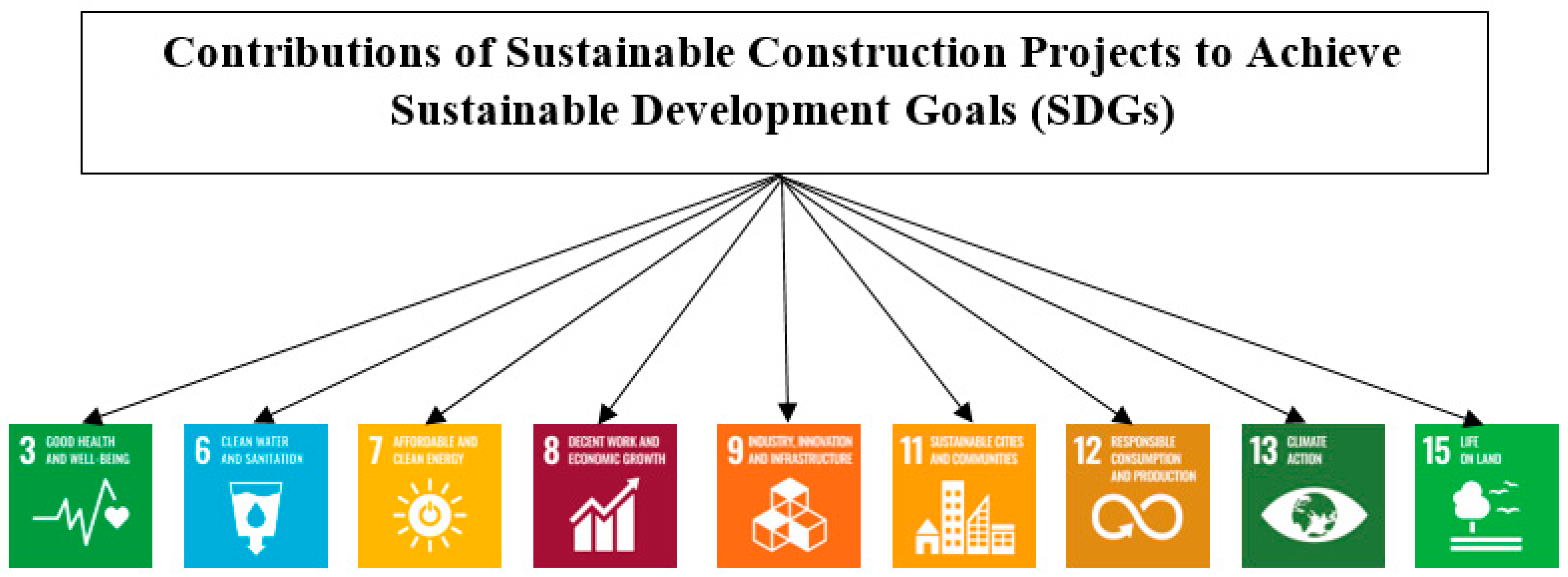
Stakeholder Engagement and Social Equity
A project is only as sustainable as its relationship with the local population. Managing projects for sustainable tourism requires a bottom-up approach to stakeholder engagement. This means moving beyond "consultation" toward "partnership."
Co-Design Workshops are a primary tool for project managers in 2026. By involving indigenous groups, local business owners, and youth representatives in the design of a tourism project, PMs can identify potential conflicts early. For instance, a proposed hiking trail might inadvertently cross a sacred site or a vital grazing path for local livestock. Early identification prevents costly redesigns and fosters community pride in the project.
Furthermore, social equity involves Economic Leakage Prevention. Project managers must design systems to ensure that tourism dollars stay in the local economy. This can be achieved by:
- Creating "Incubator" programs for local artisans.
- Mandating that at least 70% of management-level positions are held by locals.
- Establishing a community fund where a percentage of project profits are reinvested into local infrastructure, such as schools or clinics.
Environmental Mitigation and Regenerative Design
In 2026, the goal has shifted from "Sustainable" (doing no harm) to "Regenerative" (making things better). Project management in this context involves active restoration.
Biodiversity Net Gain (BNG)
Many jurisdictions now mandate that tourism projects must result in a "Biodiversity Net Gain." If a project occupies 10 hectares of land, it must restore or protect an equivalent or greater amount of high-value habitat elsewhere. PMs must coordinate with ecologists to ensure that the landscaping uses native species that support local pollinators and wildlife corridors.
Water and Waste Management
Project managers must implement closed-loop systems. Greywater from hotel sinks and showers is treated on-site and reused for irrigation or toilet flushing. In island or coastal projects, managing desalination plants is a critical technical task, ensuring that the brine byproduct does not damage coral reefs. For waste, the "Refuse, Reduce, Reuse, Recycle" hierarchy is enforced through strict project-wide bans on single-use plastics and the implementation of industrial-scale composting.
Comparison of Leading Sustainability Standards for Tourism Projects
Choosing the right framework is essential for verification and marketing. The following table compares the dominant standards used by project managers in 2026.
| Standard | Primary Focus | Best For | Verification Method |
|---|---|---|---|
| GSTC (Global Sustainable Tourism Council) | Global baseline for sustainability in travel and tourism. | Destinations, Hotels, and Tour Operators. | Third-party accredited certification. |
| ISO 21401:2018 / 2025 Update | Sustainability management systems specifically for accommodation. | Large-scale resorts and hotel chains. | Formal ISO audit and certification. |
| EarthCheck | Scientific benchmarking and environmental management. | Infrastructure-heavy projects and urban tourism. | Rigorous data-based auditing and software tracking. |
| Green Globe | Sustainability across the triple bottom line (Social/Economic/Env). | Luxury travel and international cruise lines. | On-site audits every two years. |
| B Corp Certification | Overall social and environmental performance of the company. | Boutique agencies and niche tour operators. | Comprehensive assessment of the entire business entity. |
Technological Integration in 2026
Project management for sustainable tourism has been revolutionized by digital tools. In 2026, the following technologies are standard:
- Digital Twins: Managers create a virtual replica of a destination or resort. This allows them to simulate the impact of varying tourist volumes on local infrastructure (water, electricity, transport) before the project is even built.
- Blockchain for Supply Chains: This ensures the "Provenance" of goods. A project manager can prove that the timber used in a lodge was harvested legally and sustainably by tracking its unique ID on a decentralized ledger.
- AI-Enhanced Crowd Management: For projects involving high-traffic sites (like historic cities or national parks), AI algorithms predict peak times and automatically adjust pricing or suggest alternative routes to visitors via mobile apps, preventing physical degradation of the site.
- Carbon Accounting Software: Tools integrated directly into the project's ERP (Enterprise Resource Planning) system provide a real-time count of the project's carbon footprint, allowing for immediate adjustments to procurement or operations.
Common Challenges and Risk Mitigation
Managing these projects is not without significant hurdles. Project managers must be prepared to troubleshoot the following:
1. The Funding Gap
Sustainable projects often require higher initial capital (CAPEX). To mitigate this, PMs are increasingly looking toward Green Bonds and "Impact Investing." These financial instruments offer lower interest rates for projects that can prove they meet specific environmental or social milestones.
2. Regulatory Flux
As governments update their climate goals, regulations change rapidly. A project that is compliant today might be non-compliant in three years. PMs manage this risk by building projects that exceed current standards, "future-proofing" them against tighter restrictions on carbon emissions or waste disposal.
3. Greenwashing Accusations
In 2026, consumers and activists are highly vigilant. Any project that claims to be sustainable without transparent data faces severe reputational damage. Managers mitigate this by maintaining a "Public Transparency Portal" where real-time sustainability data is available to anyone.
4. Supply Chain Fragility
Geopolitical instability and climate events can disrupt the supply of sustainable materials. PMs use "Multi-Sourcing" strategies and prioritize local suppliers to create a more resilient supply chain that is less dependent on long-distance shipping.
Frequently Asked Questions
What is the most important KPI for a sustainable tourism project?
While there is no single "best" KPI, Net Positive Impact (NPI) is becoming the gold standard in 2026. This measures whether the project leaves the environment and the local community in a measurably better state than before the project began. It combines data from biodiversity counts, local income levels, and carbon sequestration.
How do project managers handle the conflict between tourism growth and conservation?
This is managed through Carrying Capacity Modeling. Managers determine the maximum number of people a site can support without permanent damage. Instead of aiming for more tourists, the project is designed to increase the "Value per Visitor," focusing on longer stays and higher spending on local experiences rather than high-volume, low-margin arrivals.
Is certification like GSTC mandatory for all projects?
While not always legally mandatory, it is becoming a de facto requirement for access to capital and distribution channels. In 2026, many major travel booking platforms and corporate travel departments will not list or use properties and services that do not hold a recognized third-party sustainability certification.
How does project management differ between urban and rural sustainable tourism?
Urban projects often focus on "Smart City" integration—using public transit, revitalizing brownfield sites, and managing energy efficiency in high-rise structures. Rural projects focus more on habitat preservation, indigenous land rights, and creating decentralized infrastructure (like solar microgrids and local waste processing) where municipal services are unavailable.
What role does the "Circular Economy" play in these projects?
The Circular Economy is central to the execution and operation phases. It involves designing out waste. For example, furniture for a new hotel might be designed for easy disassembly and repair, or the project might include an on-site anaerobic digester that turns organic kitchen waste into biogas for cooking and fertilizer for the gardens.
Practical Recommendations for Project Managers
For those currently overseeing or planning a sustainable tourism project, the following actions are recommended for immediate implementation:
- Conduct a Stakeholder Mapping Exercise: Identify every group affected by the project and establish a regular communication cadence. Use "Community Liaison Officers" who speak the local language and understand the culture.
- Adopt a Recognized Framework Early: Choose a standard like GSTC or EarthCheck during the initiation phase. It is much harder to adapt a project to these standards after construction has begun.
- Invest in Data Infrastructure: Ensure you have the tools to measure what you manage. Install sub-metering for water and electricity and use a centralized sustainability management platform.
- Prioritize Education and Training: Sustainability is a collective effort. Train all project staff, from architects to site laborers, on the specific sustainability goals and the "Why" behind them.
- Review the Legal Landscape: Stay informed about the UNWTO’s International Code for the Protection of Tourists and local environmental laws to ensure long-term compliance and risk mitigation.
By 2026, managing projects for sustainable tourism has become a high-stakes, high-reward discipline. Success requires a meticulous balance of technical precision, environmental empathy, and social responsibility. Those who master this balance will not only protect the destinations they develop but also ensure the long-term profitability and relevance of their projects in a climate-conscious world.
Image Gallery
Select an image to open it in a new tab.


Mateo Castillo
Decentralized Finance and E-Payments Strategist
