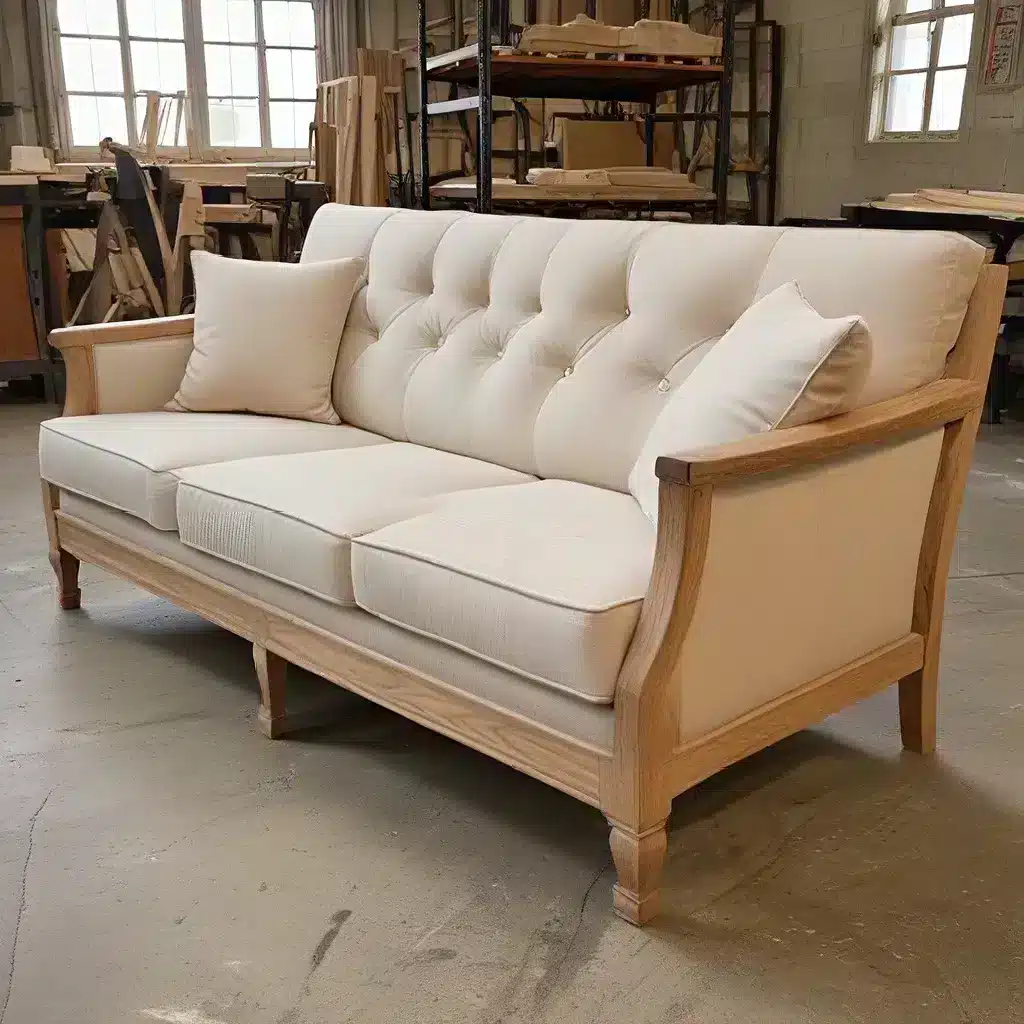
Investing in a high-quality sofa is essential because it serves as the structural and ergonomic foundation of your living space. Beyond aesthetics, a premium sofa provides superior spinal support, utilizes durable materials like kiln-dried hardwoods and high-resiliency foam, and offers a lower total cost of ownership by lasting decades rather than years.
In 2026, the furniture market is increasingly divided between "fast furniture"—disposable pieces designed for short-term appeal—and heirloom-quality craftsmanship. While a budget sofa might look identical to a luxury model on a smartphone screen, the differences in internal engineering dictate whether the piece will remain comfortable for twenty years or end up in a landfill in three. Understanding why a high-quality sofa matters involves looking past the fabric and into the physics of its construction.
The Engineering of the Foundation: Why the Frame is Paramount
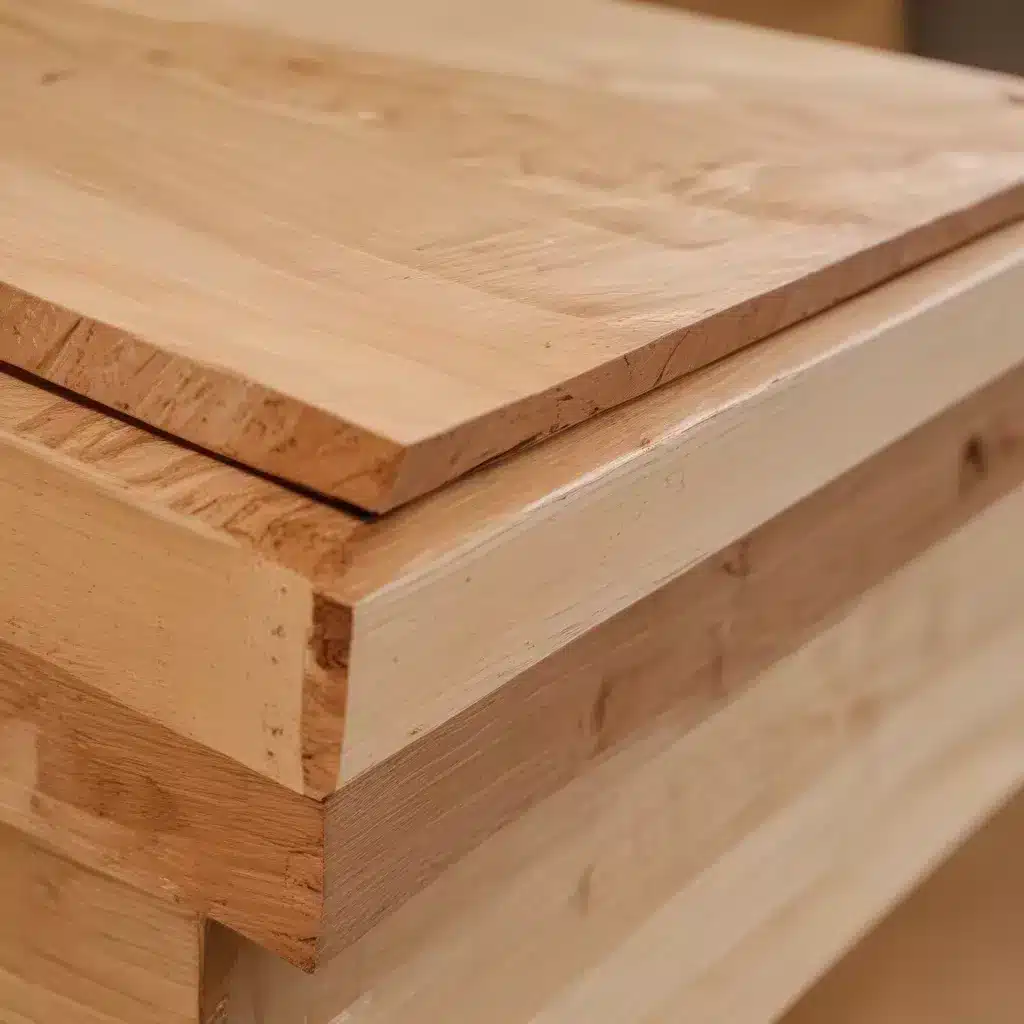
The frame is the skeleton of the sofa, and its integrity determines the lifespan of the entire piece. High-quality sofas almost exclusively use kiln-dried hardwood. This process involves heating the wood in a controlled environment to reduce moisture content to specific levels (usually between 6% and 8%). By removing this moisture, the wood becomes dimensionally stable, meaning it will not warp, crack, or shrink when the humidity in your home changes throughout the seasons.
In contrast, budget sofas often utilize green wood, plywood, or medium-density fiberboard (MDF). These materials are prone to bowing and splitting. Over time, the fasteners in an MDF frame will pull through the soft material, leading to the dreaded "wobbly arm" or a sagging base.
Professional Joinery vs. Mechanical Fasteners
The method used to connect the frame components is just as critical as the wood itself. A high-quality manufacturer employs traditional joinery techniques, such as:
- Mortise and Tenon: A protrusion on one piece of wood fits into a hole in another, creating a massive surface area for glue.
- Double-Doweling: Two wooden pegs are inserted into matching holes in both pieces of wood.
- Corner Blocks: Reinforced blocks of wood screwed and glued into the corners of the frame to prevent "racking" or twisting.
Low-end furniture relies heavily on staples, nails, and cheap glue. While these are sufficient for a showroom floor, they cannot withstand the dynamic stresses of daily use—sitting down, shifting weight, or children jumping on the cushions. Once a staple-based joint begins to fail, it creates a "creak," which is the sound of metal rubbing against wood, eventually leading to structural collapse.
The Suspension System: The Mechanics of Comfort
If the frame is the skeleton, the suspension is the muscle. The suspension system is what supports your weight and provides the "bounce" or "sit" of the sofa. There are two primary standards for high-quality suspension: eight-way hand-tied springs and heavy-gauge sinuous springs.
Eight-Way Hand-Tied Springs
Long considered the gold standard of upholstery, this process involves securing heavy-gauge steel coils to the frame using high-strength twine. Each spring is tied in eight different directions. This creates a web of support where the springs work together to distribute weight evenly across the entire deck. Because they are tied together, no single spring takes the full force of a person sitting down, which prevents the "bottoming out" effect seen in cheaper furniture.
Sinuous (No-Sag) Springs
While eight-way hand-tied is traditional, high-quality sinuous springs are a valid and often preferred choice for modern, low-profile designs. These are "S" shaped wires that run from the front rail to the back rail. The key difference in quality lies in the gauge of the wire and the number of springs used. A high-quality sinuous system uses 8-gauge steel wire and places the rows close together. Cheaper versions use thinner wire that loses its tension within a few years, causing the middle of the sofa to sag.
Cushioning and Foam Density: Beyond Initial Softness
The most common complaint with budget sofas is that they "lose their shape" after 12 to 24 months. This is almost entirely due to the use of low-density polyurethane foam. When you sit on foam, the cells compress. High-density foam has more physical material per cubic foot, meaning the cells are stronger and return to their original shape more effectively.
Understanding Density vs. Firmness
It is a common misconception that "firm" means "high quality." Firmness (measured by Indentation Load Deflection, or ILD) is a matter of preference. Density, however, is a matter of durability. A sofa can be incredibly soft and plush but still use high-density foam (2.0 lbs/ft³ or higher) to ensure it doesn't flatten out.
High-quality sofas often use a "sandwich" construction:
- Core: A high-resiliency (HR) foam core for structural support.
- Wrap: A layer of softer foam or Dacron (polyester fiber) for comfort.
- Topper: A "down-proof" ticking filled with a blend of down and feathers for a luxurious, lived-in feel.
Budget sofas typically use 1.5 lb density foam or lower. Within a few hundred "sit cycles," the cell structure in low-density foam breaks down, leaving permanent indentations and a loss of support that can lead to back and hip pain.
Upholstery and Textiles: The Science of Wear
The fabric is the most visible part of the sofa and the one subjected to the most environmental stress—friction, UV light, and spills. High-quality upholstery is measured by the Martindale or Wyzenbeek rub tests, which simulate the wear of someone sitting and standing. For residential use, a "heavy-duty" rating generally requires 15,000 to 30,000 double rubs. Luxury-grade fabrics often exceed 50,000 to 100,000.
Natural vs. Performance Fibers
In 2026, the technology behind "performance fabrics" (like solution-dyed acrylics or polyesters) has reached a point where they can mimic the feel of linen or velvet while being nearly impervious to stains.
- Top-Grain Leather: High-quality sofas use top-grain or full-grain leather, which is the outermost layer of the hide. It is breathable, develops a patina, and can last 20+ years.
- Bonded Leather: Often found on budget sofas, this is actually a mixture of shredded leather scraps and polyurethane. It is notorious for "peeling" or "flaking" within two to three years and cannot be repaired.
The quality of the textile also affects the indoor air quality. Premium fabrics are often certified by organizations like Oeko-Tex or GREENGUARD, ensuring they do not off-gas harmful Volatile Organic Compounds (VOCs) or contain toxic flame retardants.
The Economic Reality: Cost-Per-Use Analysis
While the upfront cost of a high-quality sofa is higher, the long-term economics favor the investment. This is often referred to as the "Price-Per-Year" of furniture.
| Feature | Budget Sofa ($600 - $1,200) | High-Quality Sofa ($3,000 - $6,000+) |
|---|---|---|
| Frame Material | Plywood / MDF / Staples | Kiln-Dried Hardwood / Dowels |
| Suspension | Lightweight Sinuous / Webbing | 8-Way Hand-Tied / 8-Gauge Sinuous |
| Foam Density | 1.5 lbs or lower | 2.0 lbs to 2.5 lbs (HR Foam) |
| Upholstery | Bonded Leather / Thin Polyester | Top-Grain Leather / Performance Fabric |
| Estimated Lifespan | 3 - 5 Years | 15 - 25 Years |
| Annualized Cost | $200 - $300 / Year | $150 - $240 / Year |
| Repairability | Non-repairable (Disposable) | Re-upholsterable (Heirloom) |
In the 2026 economy, sustainability is also a financial factor. High-quality pieces retain a significant percentage of their value on the secondary market. A "Big Box" sofa has zero resale value after three years, whereas a designer piece from a reputable manufacturer can often be sold for 30-50% of its original price even a decade later.
Ergonomics and Physical Health
A sofa is not just a place to sit; for many, it is a place where hours are spent reading, working, or relaxing. A low-quality sofa that sags or lacks lumbar support forces the spine into a "C" shape, putting immense pressure on the intervertebral discs.
High-quality sofas are designed with ergonomic pitch—the angle between the seat and the back. Proper pitch ensures that your weight is distributed across your thighs and buttocks rather than your lower back. Furthermore, the consistent support of high-resiliency foam prevents "pressure points" that can impede circulation. For older adults or those with chronic back issues, the structural integrity of a high-quality piece is a medical necessity rather than a luxury.
How to Identify Quality When Shopping
When you are in a showroom or evaluating a manufacturer online in 2026, there are several "stress tests" you can perform to verify quality:
- The Lift Test: Lift one front corner of the sofa six inches off the ground. The other front corner should also rise. If the frame twists or the other leg stays on the ground, the frame is weak.
- The Squeeze Test: Feel the arms and the back rail. You should not be able to feel the edges of the wooden frame through the padding. If you can, the manufacturer has skimped on the foam wrap.
- The Weight Test: High-quality sofas are heavy. Solid hardwood and steel springs weigh significantly more than plywood and plastic webbing.
- The "Tailoring" Check: Look at the patterns and seams. On high-end pieces, stripes or patterns will line up perfectly at the seams. Zippers should be heavy-duty and hidden by fabric flaps (welting).
Maintenance and the Lifecycle of Quality
A high-quality sofa is an asset that can be maintained. Because the frame is solid wood, it can be stripped and reupholstered. In 2026, the trend toward "circular furniture" means that many owners choose to refresh their high-end sofas every 10 years with new fabric rather than buying a new piece. This is only possible when the "bones" of the sofa are worth saving.
Regular maintenance for a high-quality piece includes:
- Rotating Cushions: Even high-density foam benefits from being flipped and rotated to ensure even wear.
- Vacuuming: Dust and grit are abrasive; they act like sandpaper on fabric fibers. Weekly vacuuming extends the life of the textile significantly.
- Professional Cleaning: High-end fabrics should be professionally cleaned every 18–24 months to remove deep-seated oils and pollutants.
FAQ
Is a more expensive sofa always better?
Not necessarily. While price is often a proxy for quality, some luxury brands charge for the "name" while using mid-grade construction. Always ask for technical specifications regarding frame material (look for kiln-dried hardwood) and foam density (look for 2.0+ lbs).
What is the best fabric for pets and children in 2026?
"Performance" fabrics made from solution-dyed acrylic or high-grade polyester are the current leaders. They are often treated at the fiber level to be hydrophobic and stain-resistant. Top-grain leather is also excellent for pets as it does not trap hair or odors, though it can be susceptible to scratches from claws.
Why does my new sofa smell like chemicals?
This is known as off-gassing. In lower-quality furniture, it comes from the formaldehyde in the glues and the flame retardants in the foam. High-quality manufacturers often use VOC-free adhesives and foams that meet CertiPUR-US standards, significantly reducing or eliminating this odor.
Can sinuous springs be as good as eight-way hand-tied?
Yes, if they are executed correctly. A high-gauge (8-gauge) sinuous spring system with closely spaced rails can provide excellent, long-lasting support. It is often the preferred choice for modern, sleek furniture designs where a traditional coil system would be too bulky.
Is it worth reupholstering an old sofa?
It depends on the frame. If the frame is solid hardwood and the joinery is intact, reupholstering is almost always worth it, as you are essentially getting a "new" sofa built on a superior foundation for less than the cost of a high-quality replacement.
Final Recommendation
If you are looking to furnish your home in 2026, prioritize the "invisible" components of your sofa. Look for a manufacturer that is transparent about their frame construction, spring gauge, and foam density. While a $1,000 sofa may solve a short-term need, a $4,000 investment in a high-quality piece will provide 20 years of superior comfort, better health outcomes for your back, and a more sustainable footprint for the planet. Before purchasing, always request a "cut sheet" or technical specification list to ensure the materials match the marketing claims.
Image Gallery
Select an image to open it in a new tab.
Celine Dubois
Contemporary Living and Global Arts Columnist
