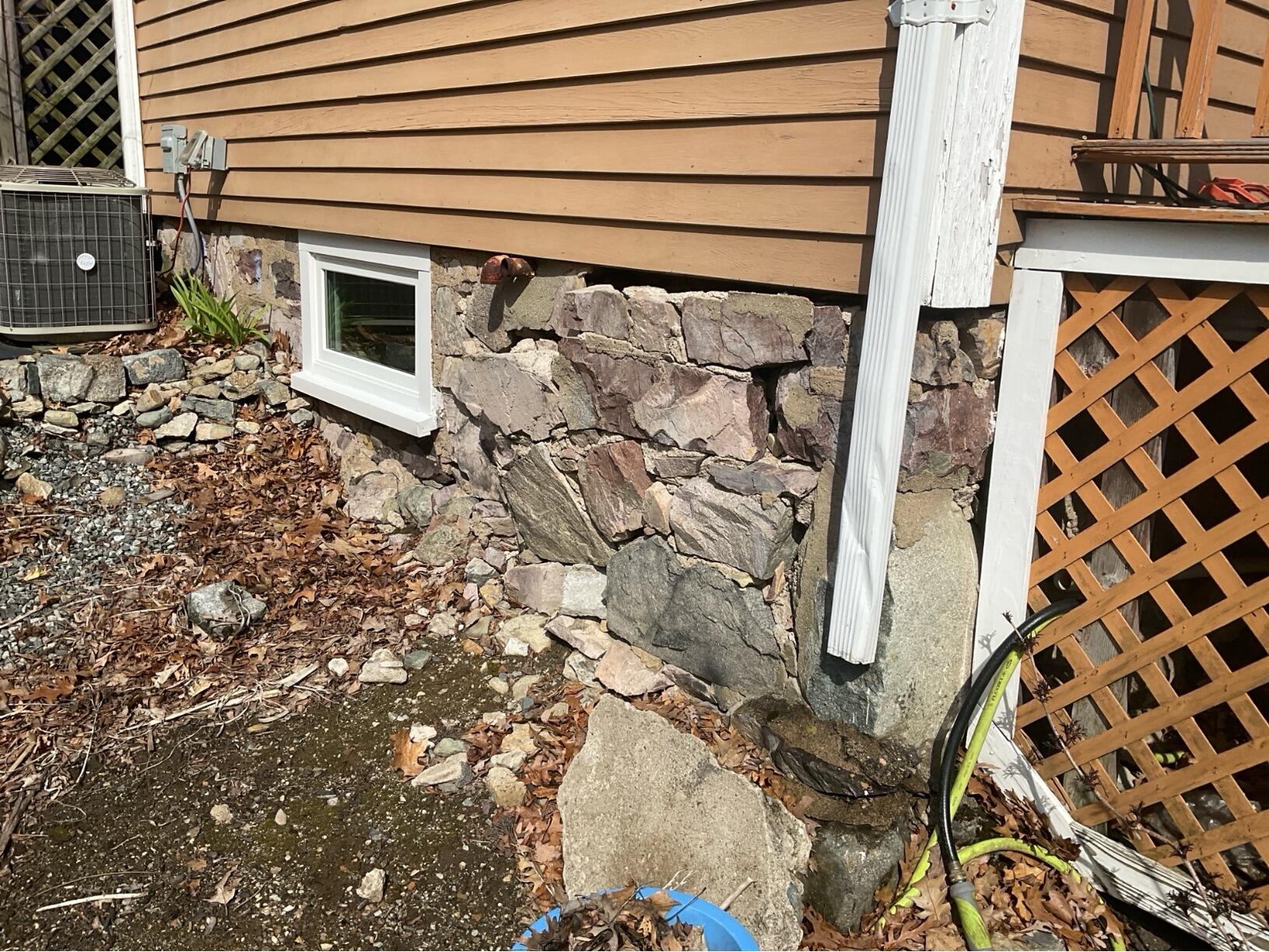
Repairing a fieldstone foundation involves stabilizing the structural integrity of the natural stone assembly, typically through deep repointing with lime-based mortar, addressing hydrostatic pressure via exterior drainage, and replacing failed stones. Proper maintenance prevents settlement and water damage, ensuring these historic structures remain viable for centuries without requiring a full replacement.
Fieldstone foundations are a hallmark of 18th, 19th, and early 20th-century architecture. Unlike modern poured concrete or uniform masonry blocks, these foundations rely on the weight and interlocking nature of unhewn or semi-dressed stones gathered from local landscapes. While remarkably durable, these systems are susceptible to specific types of degradation that require specialized repair techniques. In 2026, as historic preservation remains a priority for homeowners and municipalities, understanding the nuances of fieldstone restoration is essential for maintaining the structural health of older properties.
Understanding the Anatomy of a Fieldstone Wall
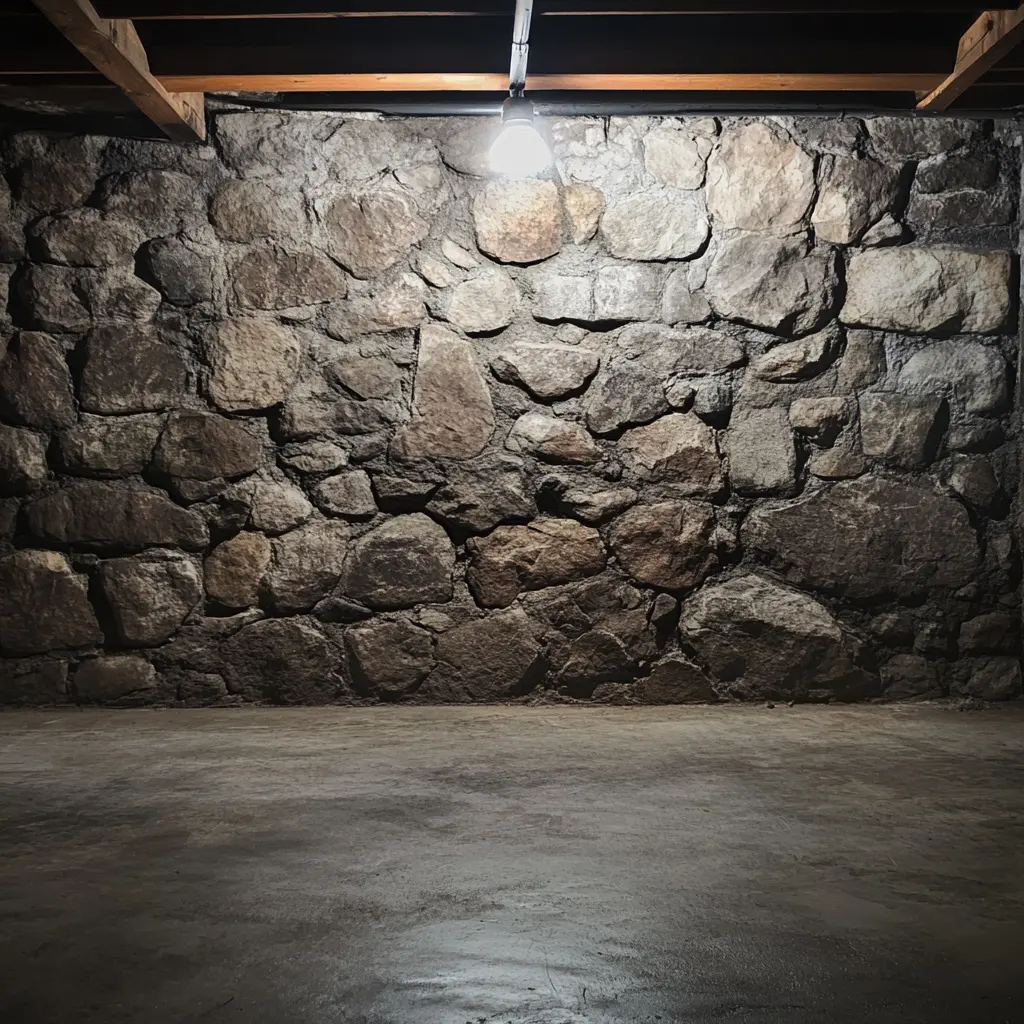
To effectively repair a fieldstone foundation, one must understand how it was constructed. Most historic fieldstone walls are "rubble" walls, meaning they consist of two outer faces of larger stones with a center core filled with smaller stones, rubble, and mortar.
These walls were originally designed to be somewhat flexible. The mortar used was historically high in lime content, which allowed the wall to "breathe" and move slightly with seasonal temperature changes and ground shifts. Unlike modern rigid concrete, a fieldstone wall manages moisture through evaporation. If the wall is sealed too tightly with modern materials, moisture becomes trapped, leading to rapid deterioration.
The Role of Gravity and Friction
Fieldstone walls are primarily gravity structures. The friction between the stones, aided by the mortar "bedding," keeps the wall standing. When the mortar degrades—turning to sand or dust—the friction is reduced, and stones may begin to shift or slide out of place. This movement can lead to bulging (known as "bellies") or localized collapses.
Identifying Common Signs of Foundation Failure
Before initiating repairs, a thorough inspection is required to distinguish between cosmetic issues and structural threats.
1. Mortar Erosion and Dusting
The most common sign of age is the loss of mortar. If you can scrape the mortar away with a fingernail or see piles of sand at the base of the wall, the binder has failed. This is often caused by long-term water infiltration or simply the natural carbonation process of lime mortar over a century.
2. Bulging or "Belly" Formations
A bulge in a fieldstone wall usually indicates that the interior rubble core has settled or that hydrostatic pressure (water pressure in the soil) is pushing the stones inward. If the bulge exceeds two inches from the vertical plane, it may indicate a serious structural instability that requires professional shoring.
3. Efflorescence and Mineral Staining
White, powdery deposits on the stone surface are known as efflorescence. These are salt crystals left behind when water evaporates. While the powder itself is harmless, its presence confirms that water is moving through the wall, which will eventually wash away the internal mortar.
4. Voids and Missing Stones
In neglected foundations, individual stones may fall out. This creates a "void" that redistributes the weight of the house onto neighboring stones, potentially leading to a chain reaction of structural failure.
The Critical Importance of Mortar Compatibility
Perhaps the most frequent mistake in fieldstone foundation repair is the use of modern Portland cement. While Portland cement is strong and fast-setting, it is generally too hard and impermeable for old fieldstone.
If a rigid, modern mortar is applied over soft historic stones, the stones cannot expand or contract. Moisture becomes trapped behind the hard cement, and when it freezes, the face of the stone may shear off—a process called spalling. Furthermore, Portland cement does not allow for the natural "wicking" of moisture, forcing water to find other paths, often deeper into the wooden sills of the home.
In 2026, restoration experts almost exclusively use Type N or Type O lime-based mortars or specialized Natural Hydraulic Lime (NHL) for these projects. These materials match the compressive strength of the original masonry and ensure the wall remains vapor-permeable.
The Repointing and Restoration Process
Repointing (often called tuckpointing) is the process of removing damaged mortar and replacing it with new, compatible material. This is the primary method for stabilizing a fieldstone wall.
Step 1: Surface Preparation
The joints must be cleaned out to a depth of at least twice the width of the joint, or until sound mortar is reached. This is typically done with manual hammers and chisels or small pneumatic tools. Using large power grinders is discouraged as it can easily damage the irregular edges of the fieldstones.
Step 2: Cleaning and Wetting
Once the old mortar is removed, the cavities are cleaned of dust with compressed air or water. A crucial step is "pre-wetting" the stones. Because fieldstones and old mortar are porous, they will suck the moisture out of new mortar too quickly, preventing a proper bond. The stones should be damp but not dripping.
Step 3: Application of New Mortar
New mortar is packed into the joints in layers (lifts). For deep voids, mortar is applied in 1/2-inch increments, allowing each layer to become "thumbprint hard" before the next is added. This prevents the mortar from shrinking or cracking as it cures.
Step 4: Tooling and Finishing
After the mortar has begun to set, it is "tooled" to match the desired aesthetic. In many fieldstone basements, a "flush" or "recessed" joint is preferred to ensure water shed. A brush is often used to remove the "laitance" (cement film) from the face of the stones, revealing their natural color.
Managing Hydrostatic Pressure and Drainage
Even the best masonry repair will fail if the underlying cause—water—is not addressed. Fieldstone walls are particularly vulnerable to hydrostatic pressure because they are not monolithic; they have thousands of tiny joints that water can exploit.
Exterior Grading and Gutters
The first line of defense is ensuring that the ground slopes away from the foundation at a rate of at least one inch per foot for the first six feet. Gutters and downspouts must be functional and discharge water at least ten feet away from the foundation.
Interior Perimeter Drains
In cases where the water table is high, an interior French drain may be necessary. This involves trenching the perimeter of the basement floor, installing a perforated pipe, and covering it with gravel. This system collects water that seeps through the wall and directs it to a sump pump, preventing the basement from flooding.
Exterior Waterproofing
The most effective (and expensive) method is excavating the exterior of the foundation, cleaning the stones, and applying a "parging" coat of lime cement followed by a dimpled drainage membrane. This prevents water from ever touching the stone wall.
Structural Stabilization Techniques
When a fieldstone wall has moved significantly, repointing alone is insufficient. Structural intervention is required to prevent collapse.
Sister Walls (Concrete Jackets)
A "sister wall" involves building a new reinforced concrete wall directly against the interior face of the fieldstone. This provides a new load-bearing surface. However, this method can trap moisture against the stones, so it must be designed with integrated drainage strips.
Underpinning
If the foundation is "rolling" or sinking because the soil beneath it has failed, underpinning is required. This involves digging sections beneath the existing wall and pouring new concrete footings. For fieldstone, this is a delicate process that must be done in small, non-contiguous sections to avoid a total wall collapse during construction.
Helical Piles
In some 2026 applications, helical piles—large steel screws—are driven deep into stable soil strata. Brackets are then attached to the foundation to transfer the weight of the building from the failing fieldstone wall to the steel piles.
Cost Considerations and Project Planning
The cost of fieldstone foundation repair varies widely based on the accessibility of the wall and the extent of the damage. Because this work is labor-intensive and requires specialized masonry knowledge, it is significantly more expensive than modern concrete repair.
| Repair Type | Estimated Cost (Per Linear Foot) | Durability | Complexity |
|---|---|---|---|
| Deep Repointing | $150 – $300 | High (50+ years) | Moderate |
| Parging (Cosmetic) | $50 – $100 | Low (10-15 years) | Low |
| Structural Sister Wall | $500 – $1,200 | Very High | High |
| Exterior Waterproofing | $400 – $800 | Very High | Very High |
| Stone Replacement | $200 – $500 | High | Moderate |
Note: Costs are estimates for 2026 and can vary by region and material availability.
Common Mistakes to Avoid
- Using Spray Foam: Homeowners often try to stop drafts or water by spraying expanding foam into gaps between stones. This traps moisture and accelerates the rot of the wooden sill plates above.
- Painting the Stones: Standard latex or oil-based paints seal the surface of the stones. This leads to moisture buildup within the wall, causing the paint to bubble and the mortar to turn to mush. If color is desired, use a mineral-based silicate stain.
- Ignoring the Sills: The "sill plate" is the horizontal beam that sits directly on top of the fieldstone wall. Often, foundation problems are caused by rotting sills that no longer distribute the house's weight evenly.
- DIY-ing Structural Bulges: While repointing a few loose stones is a manageable DIY project, attempting to fix a bulging wall without professional shoring can lead to catastrophic structural failure and personal injury.
FAQ
Can I use a pressure washer to clean my fieldstone foundation?
It is generally discouraged. High-pressure water can drive moisture deep into the rubble core of the wall and blast away fragile historic mortar. Use a low-pressure garden hose and a natural-bristle brush instead.
How long does a repointing project typically take?
For an average residential basement (approx. 1,000 square feet of wall surface), a professional crew usually takes two to three weeks. The process is slow because mortar must be applied in layers and allowed to cure properly between stages.
Why is my fieldstone wall "sweating"?
This is usually condensation, not a leak. When warm, humid air hits the cool stones of the foundation, the moisture in the air condenses into droplets. Improving ventilation or using a dehumidifier in the basement typically solves this issue.
Is it normal for some sand to fall out of the wall?
In an older foundation that hasn't been maintained, minor "dusting" is common. However, if you see significant piles of sand or can remove chunks of mortar with your hand, the wall is no longer structural and requires immediate attention.
Do I need a permit for fieldstone repair?
Minor repointing often does not require a permit. However, any structural work, such as underpinning, installing helical piles, or building sister walls, almost always requires a building permit and an inspection from a structural engineer.
Final Recommendation
For homeowners facing fieldstone foundation issues in 2026, the first step should be a consultation with a masonry restoration specialist rather than a general basement waterproofing company. General contractors often default to modern solutions like Portland cement or internal plastic liners that can hide—and exacerbate—problems in historic stone.
Prioritize moisture management by fixing gutters and grading first. If the wall is structurally sound but losing mortar, a comprehensive repointing with hydraulic lime mortar is the most cost-effective way to preserve the home for the next century. Always request a mortar analysis or ensure the contractor is using a mix that matches the original's vapor permeability.
Image Gallery
Select an image to open it in a new tab.
Omar Farooq
EdTech Innovation and Virtual Pedagogy Journalist
