Best Cloud Computing Books for Mastery in 2026
To master cloud computing in 2026, professionals should prioritize books that balance foundational distributed systems theory with modern architectural patterns. Essential titles include Martin Kleppmann’s Designing Data-Intensive Applications for core principles, Gregor Hohpe’s Cloud Strategy for organizational alignment, and platform-specific guides from O’Reilly or Manning that cover AWS, Azure, or Google Cloud.
The cloud computing landscape has matured significantly by 2026. While the early days of "the cloud" were defined by simple migrations and basic infrastructure-as-a-service (IaaS), today's environment is dominated by serverless architectures, AI-integrated infrastructure (AIaaS), and sophisticated multi-cloud strategies. Consequently, the "best" books are no longer just manuals on how to spin up a virtual machine. They are comprehensive guides on distributed systems, economic optimization (FinOps), and the cultural shifts required to thrive in a cloud-native world.
This guide categorizes the most influential and technically sound books for various career stages, from beginners seeking a foothold to senior architects designing global-scale systems.
Foundational Literature for Beginners
For those entering the field in 2026, the challenge is not a lack of information, but an overwhelming surplus of it. Beginners need literature that distills complex networking, storage, and compute concepts into digestible frameworks.
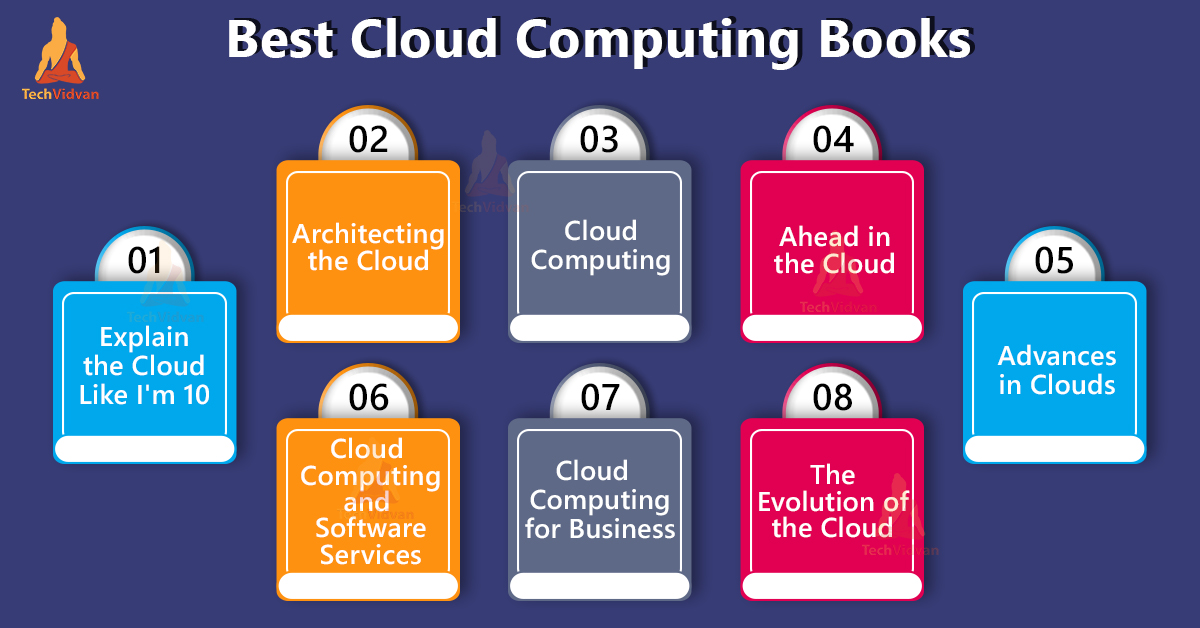
"Explain the Cloud Like I'm 10" by Todd Hoff
While the title suggests a simplistic approach, Todd Hoff’s work remains a cornerstone for non-technical stakeholders and junior engineers. It strips away the jargon of "elasticity" and "load balancing" to explain the physical reality of the cloud. In an era where cloud services are increasingly abstracted, understanding the underlying hardware and the "why" behind data centers is crucial.
"Cloud Computing: A Hands-on Approach" by Arshdeep Bahga and Vijay Madisetti
This is a standard academic text that has maintained its relevance through frequent updates. It is particularly valuable for its focus on the "Internet of Things" (IoT) and big data, which are inseparable from cloud computing in 2026. It provides a structured pedagogical path, making it ideal for university students or career changers who prefer a classroom-style progression.
Deep Dive: Architecture and Distributed Systems
By 2026, an "architect" is expected to understand the nuances of data consistency, latency, and fault tolerance. These books provide the theoretical bedrock for such expertise.
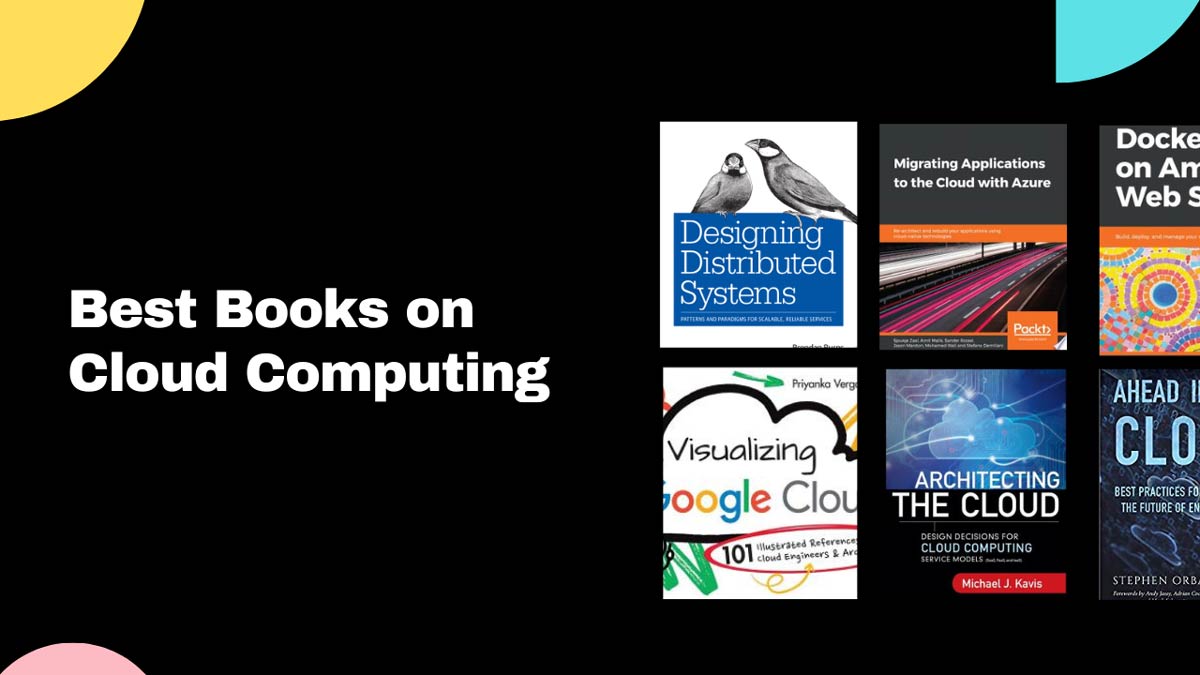
"Designing Data-Intensive Applications" by Martin Kleppmann
Often referred to as the "Big Red Book," this remains the most recommended text for intermediate to advanced cloud professionals. Kleppmann explores the trade-offs of different databases, stream processing engines, and batch processing systems. In 2026, as companies deal with petabyte-scale data for AI training, understanding the CAP theorem and consensus algorithms—topics covered extensively here—is mandatory for preventing data corruption and system outages.
"Architecting for Scale" by Lee Atchison
As systems grow, they fail in unpredictable ways. Atchison’s book focuses on the "Availability" and "Reliability" pillars of the Well-Architected Framework. It covers how to build systems that handle massive traffic spikes and how to organize teams to manage those systems. In 2026, where "always-on" is the baseline expectation, the strategies for disaster recovery and service-level objectives (SLOs) discussed here are indispensable.

Platform-Specific Mastery (AWS, Azure, and GCP)
While theory is vital, practitioners must eventually apply it to a specific provider. The following books are the gold standards for the "Big Three" ecosystems as of 2026.
Amazon Web Services (AWS): "AWS Certified Solutions Architect Study Guide"
While technical documentation is available online, the official study guides (often published by Sybex or Wiley) provide a structured narrative that documentation lacks. For 2026, look for the latest versions that include AWS Bedrock and advanced Lambda patterns. These books ensure that an architect isn't just using the cloud, but using it efficiently and securely.
Microsoft Azure: "Azure for Architects" by Penchalaiah Gollapalli and others (Packt Publishing)
Azure’s integration with enterprise software makes it a unique beast. This book excels at explaining hybrid cloud scenarios—how to link on-premises Active Directory and legacy SQL servers with Azure’s modern cloud-native services. In 2026, as hybrid cloud remains the reality for many Fortune 500 companies, this guide is a vital bridge between the old and the new.
Google Cloud Platform (GCP): "Google Cloud Professional Cloud Architect" by Dan Sullivan
Google Cloud is often the choice for data-heavy and AI-driven organizations. Sullivan’s guides are praised for their focus on the "Google way" of doing things—emphasizing containers (Kubernetes) and massive data processing (BigQuery). Given Google's leadership in AI infrastructure in 2026, mastering their specific orchestration and data tools through this literature is a high-value move.
Cloud-Native and DevOps Operations
Modern cloud computing is as much about process as it is about technology. The following books address the operational side of the cloud.
"Cloud Native Patterns" by Cornelia Davis
This book is essential for understanding how to build software that is "born in the cloud." Davis explains the shift from monolithic applications to microservices and how to handle the inherent complexity of distributed communication. It focuses on concepts like "Event-Driven Architecture" and "Stateful vs. Stateless" services, which are the hallmarks of modern cloud engineering in 2026.
"The Site Reliability Workbook" (O’Reilly Media)
Edited by Betsy Beyer and others, this is the practical follow-up to the original "Site Reliability Engineering" book from Google. It provides concrete examples of how to implement SRE principles in the cloud. In 2026, the industry has moved away from "trial and error" operations toward data-driven reliability, making this workbook a required manual for anyone managing cloud infrastructure at scale.
Strategic Leadership and Cloud Economics
As cloud budgets grow, the ability to justify costs and align technical decisions with business goals becomes a "senior" skill.
"Cloud Strategy" by Gregor Hohpe
Hohpe, a former executive at AWS and Google, writes for the "Architect Elevator"—the person who can talk to both the engine room (developers) and the penthouse (executives). This book doesn't contain code; instead, it contains mental models for making high-stakes decisions. It covers when to use "Serverless," when to stick with "IaaS," and how to avoid the "Multi-Cloud" trap unless it is strategically necessary.
"Cloud FinOps" by J.R. Storment and Mike Fuller
In 2026, "FinOps" (Financial Operations) is a dedicated discipline. This book is the definitive guide to managing the variable spend of the cloud. It teaches engineers how to view cost as a first-class metric, similar to performance or security. Understanding the concepts of "Reserved Instances," "Savings Plans," and "Unit Economics" is what separates a technician from a cloud leader.
Comparison of Top Cloud Computing Books
The following table summarizes the key attributes of the most influential cloud books available in 2026.
| Book Title | Primary Audience | Core Focus | Difficulty Level |
|---|---|---|---|
| Designing Data-Intensive Applications | Engineers, Architects | Distributed Systems Theory | Advanced |
| Cloud Strategy | Managers, Lead Architects | Decision-making & Strategy | Intermediate |
| Cloud Native Patterns | Developers | Microservices & Containers | Intermediate |
| Architecting for Scale | SREs, Systems Architects | Reliability & Availability | Advanced |
| Explain the Cloud Like I'm 10 | Beginners, Stakeholders | Basic Cloud Concepts | Beginner |
| Cloud FinOps | Finance, DevOps, Managers | Cost Management & ROI | Intermediate |
| AWS Solutions Architect Guide | Practitioners, Students | AWS Platform Specifics | Beginner-Int. |
How to Select the Right Book for Your Career Path
Choosing a book depends on your current role and your five-year career goals. The cloud is too vast to master in its entirety, so a targeted reading list is necessary.
- For Aspiring Developers: Focus on Cloud Native Patterns. Your goal is to write code that leverages the cloud's strengths (like auto-scaling and managed services) rather than fighting against them.
- For Infrastructure Engineers: Start with The Site Reliability Workbook. You need to move beyond "configuring servers" to "coding infrastructure" (IaC) and managing system health through metrics.
- For Business Leaders: Read Cloud Strategy. You don't need to know how to configure a VPC, but you do need to know if "cloud-native" is a buzzword or a competitive advantage for your specific product.
- For Data Scientists: Designing Data-Intensive Applications is your Bible. You must understand how data moves across a network and how storage engines differ if you want your models to perform at scale.
Common Mistakes When Learning from Cloud Books
Reading about the cloud is not the same as doing the cloud. In 2026, a common pitfall is treating these books as static instruction manuals.
- Ignoring the Console: Many readers finish a 500-page book on AWS without ever launching an EC2 instance or an S3 bucket. Always pair your reading with hands-on labs.
- Chasing Version Numbers: Don't discard a book just because a specific UI screenshot is outdated. The fundamental principles of networking, security, and data consistency change much slower than the cloud provider’s dashboard.
- Neglecting the "Soft" Side: Many technical professionals ignore books like Cloud Strategy or FinOps, thinking they are "for management." However, the most successful engineers in 2026 are those who understand the business impact and cost of their technical choices.
Frequently Asked Questions
Are printed cloud books still relevant in 2026?
Yes, but for specific reasons. Printed books are best for "evergreen" concepts like distributed systems theory, architectural patterns, and management strategies. For specific API commands or UI navigation, digital documentation and interactive labs are superior. A physical copy of Designing Data-Intensive Applications remains valuable for years, whereas a "Getting Started with Azure UI" book may be outdated within six months.
Should I read platform-neutral or platform-specific books first?
It is generally recommended to start platform-neutral. Understanding the core concepts of "What is a Load Balancer?" or "What is Object Storage?" makes it much easier to learn the specific implementations in AWS, Azure, or GCP later. Platform-neutral knowledge is portable and protects your career against market shifts.
How do these books address AI and Machine Learning?
By 2026, most updated cloud books include sections on M LOps (Machine Learning Operations). They discuss how to build the infrastructure required to support LLMs (Large Language Models) and other AI workloads, focusing on specialized hardware like GPUs and TPUs, and how data pipelines feed these models in a cloud environment.
Do I need a computer science degree to understand these books?
While a degree helps, many of the best cloud books (like those by Todd Hoff or Cornelia Davis) are designed to bridge the gap for self-taught learners or those moving from traditional IT. The key is to have a basic understanding of how the internet works (TCP/IP, DNS) before diving into high-level cloud architecture.
What is the most important cloud book of all time?
Most experts agree that Designing Data-Intensive Applications by Martin Kleppmann holds this title. While not strictly a "cloud" book, it explains the distributed systems logic that makes the entire cloud possible. It is the book most frequently cited in senior technical interviews at major tech firms.
Next Steps for Your Cloud Learning Journey
To move forward, select one "Theory" book (like Designing Data-Intensive Applications) and one "Practical" book (specific to your preferred provider, like AWS or Azure). Commit to completing one chapter per week and, crucially, implementing the concept in a free-tier cloud account. By 2026, the bridge between reading and practice is shorter than ever; use it to your advantage to build a resilient, high-paying career in the cloud.
Image Gallery
Select an image to open it in a new tab.



Vivian Cho
Executive IT and Emerging Technologies Reporter
