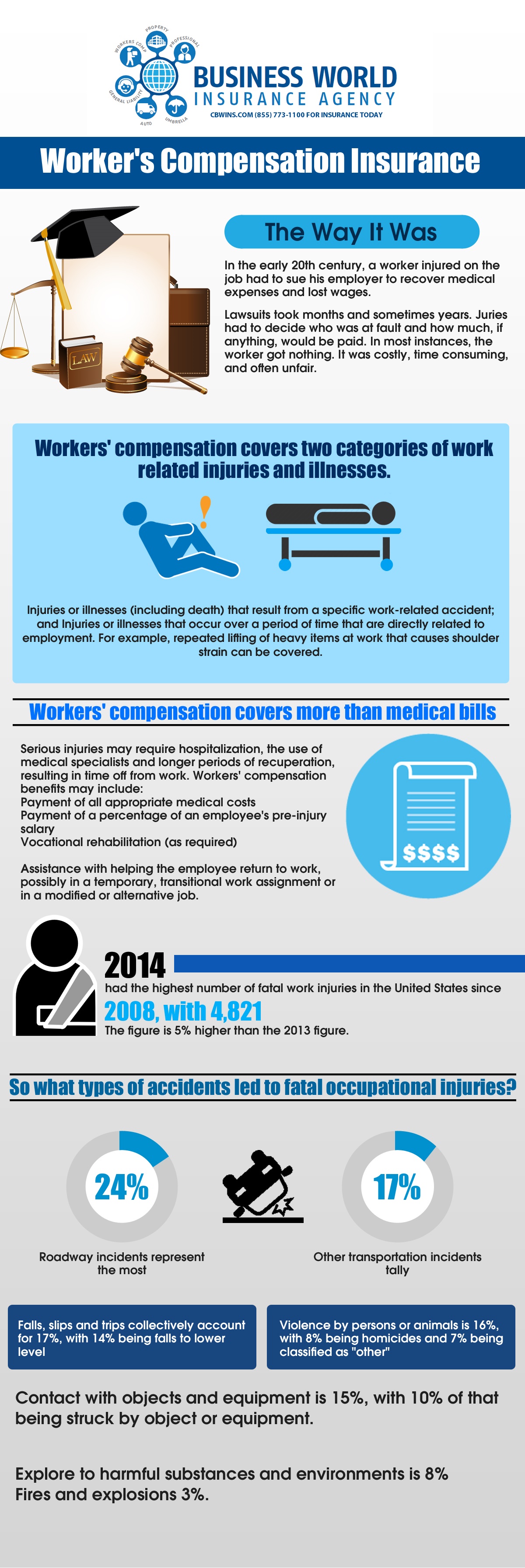
Yes, California does have a mandatory workers' compensation coverage system. Under California state law, virtually all employers—regardless of whether they operate as a corporation, partnership, sole proprietorship, or limited liability company—are legally required to secure workers' compensation insurance for their employees, even if they have only one worker.
Navigating the landscape of workers' compensation in California requires a thorough understanding of state mandates, coverage obligations, exemption rules, and the rights afforded to injured workers. Because California enforces these requirements strictly through the Department of Industrial Relations (DIR) and the Division of Workers' Compensation (DWC), failing to maintain proper coverage can result in severe civil penalties, stop orders, and criminal liability. Whether you are an employer striving to remain compliant or an employee seeking clarity on your protections, understanding how this system operates is essential for navigating workplace injuries and liabilities safely within the state.
The Legal Mandate: Understanding California's Workers' Compensation Laws
Under the California Labor Code (specifically starting at Section 3700), every employer doing business in the state must provide workers' compensation insurance to all employees. This mandate applies universally across private industries, commercial enterprises, and non-profit organizations. The fundamental purpose of this no-fault system is to provide prompt, guaranteed medical treatment, temporary or permanent disability benefits, and vocational rehabilitation services to workers who suffer job-related injuries or illnesses, while simultaneously shielding employers from most civil tort lawsuits filed by injured staff members.
The California system operates on a no-fault basis. This means an injured employee does not need to prove that their employer was negligent or at fault for the accident to receive benefits; they simply must demonstrate that the injury or illness arose out of and in the course of their employment (often abbreviated as "AOE/COE"). Conversely, the exclusive remedy provision of the workers' compensation law generally prevents employees from suing their employers in civil court for negligence related to workplace injuries, creating a balanced legal compromise between labor and management.
State oversight is primarily managed by two key divisions within the California Department of Industrial Relations:
- The Division of Workers' Compensation (DWC): Monitors administrative processes, resolves disputes, and oversees the delivery of medical and indemnity benefits.
- The Workers' Compensation Appeals Board (WCAB): Handles legal proceedings, trials, and appeals regarding disputed claims.
Employer Obligations and Compliance Requirements
Every California employer must fulfill specific administrative and financial obligations to remain compliant with state labor standards. Compliance begins the moment a business hires its first employee, whether that worker is classified as full-time, part-time, seasonal, or a minor.
Methods of Securing Coverage
Employers in California generally satisfy their legal obligation to provide workers' compensation through one of three approved methods:
- Private Insurance Companies: Purchasing a policy from a licensed, admitted private insurance carrier authorized by the California Department of Insurance.
- The State Compensation Insurance Fund (State Fund): A self-supporting, state-established enterprise that acts as a guaranteed market for California employers who may have difficulty securing coverage in the voluntary private market.
- Self-Insurance: Approved employers who demonstrate substantial financial strength and meet rigorous regulatory criteria set by the Department of Industrial Relations' Office of Self-Insurance Plans (OSIP) can legally self-insure their workers' compensation liabilities. Group self-insurance is also available for certain qualified trade associations.
Mandatory Postings and Disclosures
California law mandates transparency in the workplace regarding workers' compensation rights. Employers must post the official DWC notice—commonly referred to as the "Workers' Compensation Poster" or Notice to Employees—in a conspicuous location frequented by employees, such as a breakroom or near a time clock. Additionally, employers must provide a written workers' compensation pamphlet to every new hire at the time of hire or no later than the end of the first pay period, detailing their rights, how to report an injury, and medical provider networks.
| Coverage Method | Primary Provider Type | Typical Use Case | Regulatory Oversight |
|---|---|---|---|
| Private Carrier | Licensed commercial insurers | Standard businesses meeting underwriting criteria | California Department of Insurance / DWC |
| State Compensation Fund | State-operated quasi-public entity | Open-market businesses, startups, high-risk industries | Department of Industrial Relations (DIR) |
| Self-Insurance | Direct corporate funding | Large enterprises with substantial financial reserves | Office of Self-Insurance Plans (OSIP) |

Who Is Covered? Defining Employees vs. Independent Contractors
A frequent point of friction and legal scrutiny in California workers' compensation law is the distinction between a statutory employee and an independent contractor. California utilizes rigorous legal tests to determine worker classification, most notably codified by Assembly Bill 5 (AB 5) and subsequent judicial interpretations centering on the "ABC test" for wage orders, alongside the traditional multi-factor Borello test for general employment relationships.
Under California law, workers are presumed to be employees unless the hiring entity can prove satisfaction of statutory exemption criteria. Independent contractors who operate truly autonomous businesses, maintain their own licenses, control their own schedules, and shoulder entrepreneurial risk are generally responsible for securing their own occupational accident insurance (such as private disability policies) and are excluded from the employer's mandatory workers' compensation policy. However, misclassifying workers as independent contractors to avoid paying workers' compensation premiums is treated as illegal payroll fraud and carries severe financial and criminal penalties.
Special Categories and Corporate Officers
- Corporate Officers and Directors: In California, corporate officers and members of boards of directors are considered employees. They must be included in workers' compensation coverage unless they meet strict statutory exclusions. For example, if a corporation is wholly owned by the officers/directors who are the sole employees, they may sometimes elect to waive coverage under specific statutory conditions.
- Limited Liability Company (LLC) Members: Members and managers of an LLC are similarly treated as employees and must be covered unless specific statutory exemptions apply.
- Family Members: Family members working for a family-owned business are generally considered employees and must be covered, with narrow statutory exceptions for certain close relatives working on family farms under specific conditions.
Exemptions to Mandatory Coverage
While California's mandate is broad, the California Labor Code outlines specific, limited exemptions where employers are not legally required to carry workers' compensation insurance. It is critical to evaluate these exemptions carefully, as misinterpreting them can lead to substantial uninsured liability.
- Sole Proprietors Without Employees: A sole proprietorship that has zero employees—meaning the owner operates completely alone without partners, co-owners, or hired workers—is not required to purchase workers' compensation insurance.
- Partnerships Without Employees: A partnership consisting solely of the active partners with no hired employees does not require a policy.
- Certain Maritime and Federal Workers: Employees governed by federal workers' compensation systems—such as longshoremen and harbor workers covered under the federal Longshore and Harbor Workers' Compensation Act, or federal civil service employees covered by the Federal Employees' Compensation Act (FECA)—fall outside the jurisdiction of California state workers' compensation laws.
- Volunteer Workers: Genuine volunteers who receive no financial compensation other than nominal expenses or meal allowances for non-profit organizations or public agencies may be exempt, though many non-profits elect to purchase voluntary compensation coverage to protect volunteers and shield the organization from liability.
Benefits Provided Under California Workers' Compensation
When a worker sustains a covered industrial injury or contracts an occupational illness, California law entitles them to a comprehensive package of statutory benefits. These benefits are designed to cover medical treatment and partially replace lost wages during recovery.
1. Medical Treatment
Employers are legally required to pay for all reasonable and necessary medical care required to cure or relieve the effects of the industrial injury. This includes doctor visits, hospital services, surgical procedures, physical therapy, diagnostic testing, prescription medications, and necessary medical equipment. In California, this care is typically delivered through a Medical Provider Network (MPN) or a Health Care Organization (HCO) established or approved by the employer's insurance carrier.
2. Temporary Disability (TD) Benefits
If an injury prevents an employee from doing their usual job while recovering, they are entitled to temporary disability payments to replace lost wages. Temporary Disability is generally calculated as two-thirds (66.67%) of the worker's average weekly wages, subject to minimum and maximum limits set annually by the state legislature. TD benefits continue until the worker returns to work or their medical condition reaches maximum medical improvement (MMI), also known in California as permanent and stationary (P&S) status.
3. Permanent Disability (PD) Benefits
If an injured worker does not fully recover and is left with some permanent impairment or loss of physical function once their condition stabilizes, they may receive permanent disability benefits. The monetary value of these benefits depends on the severity of the disability rating (expressed as a percentage), the worker's age, and their occupation at the time of injury, as determined by qualified medical evaluators (QMEs) or agreed medical evaluators (AMEs).
4. Supplemental Job Displacement Benefits (SJDB)
If a permanent disability prevents an employee from returning to their former job, and the employer does not offer modified or alternative work, the injured worker may receive a non-transferable voucher to help pay for retraining or skill enhancement at state-approved schools.
5. Death Benefits
If a workplace injury results in an employee's death, surviving dependents (such as a spouse, children, or other financially dependent relatives) are entitled to burial expenses and financial death benefits calculated based on the number of total and partial dependents.
Consequences of Failing to Maintain Coverage
Operating an enterprise in California without securing required workers' compensation insurance is a serious offense with profound legal and financial ramifications. The state enforces compliance through aggressive investigative measures led by the DIR and the Division of Labor Standards Enforcement (DLSE).
- Stop Orders: If the DLSE discovers an uninsured employer, it will issue an immediate written Stop Order prohibiting the use of employee labor until proof of valid coverage is established. Operating a business in violation of a Stop Order is a misdemeanor punishable by county jail time, fines, or both.
- Criminal Misdemeanor Charges: Failure to secure workers' compensation insurance is a criminal misdemeanor under California Labor Code Section 3700.5. Convictions can result in substantial criminal fines (often starting at $10,000) and imprisonment in county jail for up to one year.
- Civil Penalties: Employers caught uninsured face severe civil penalties assessed by the state, including fines of up to $100,000 for illegal non-insurance, alongside penalties of $1,000 per employee if a Stop Order is violated.
- Civil Lawsuits and Tort Liability: Perhaps the most financially devastating consequence for an uninsured employer is the lifting of the exclusive remedy shield. If an employee is injured while the employer is unlawfully uninsured, the employee can file a traditional civil negligence lawsuit against the employer in court. In such lawsuits, the legal presumption is that the employer was negligent, and the employer is legally barred from using traditional defenses such as contributory negligence or assumption of risk.
- Uninsured Employers Benefits Trust Fund (UEBTF): When an employee is injured while working for an uninsured employer, the state steps in through the UEBTF to pay benefits. However, the state aggressively pursues the uninsured employer for complete reimbursement of all payouts, legal fees, and administrative costs.
Frequently Asked Questions
Does California require workers' compensation for part-time employees?
Yes. California law makes no distinction between full-time, part-time, temporary, or seasonal workers regarding workers' compensation coverage. If a business employs even a single part-time worker, that individual must be covered under a valid workers' compensation policy from day one of employment.
Can independent contractors in California buy their own workers' compensation insurance?
Independent contractors who operate as sole proprietors or true independent businesses cannot purchase a standard employer workers' compensation policy for themselves unless they elect specialized voluntary coverage options or personal disability insurance policies. However, hiring entities cannot force a worker to obtain independent contractor status improperly simply to avoid buying workers' compensation insurance; worker classification is determined by strict statutory legal standards rather than contract language.
What should an employee do if their employer does not have workers' compensation coverage?
If an employee suspects or knows their employer is unlawfully uninsured and they suffer a workplace injury, they should immediately notify the Division of Workers' Compensation (DWC) and consult with a qualified workers' compensation attorney or legal aid organization. Injured workers can file claims through the Uninsured Employers Benefits Trust Fund (UEBTF) to secure medical treatment and indemnity benefits while the state takes enforcement action against the non-compliant employer.
Are corporate officers in California automatically covered by workers' compensation?
Corporate officers and members of boards of directors are legally classified as employees in California and must be included in workers' compensation policies unless they meet specific statutory exemption requirements. For instance, if a corporation is completely owned by its officers and has no other employees, the officers may execute a formal written waiver excluding themselves from coverage, provided they meet state regulatory conditions.
How do I verify if a California business has active workers' compensation coverage?
Anyone can verify whether a California business maintains active workers' compensation insurance by utilizing the online "Workers' Compensation Insurance Coverage Search" tool provided publicly by the California Department of Industrial Relations (DIR) and the Workers' Compensation Insurance Rating Bureau (WCIRB). Users can search by business name, legal entity name, or address to confirm policy status and policy numbers.
Conclusion and Recommended Next Actions
California maintains a rigorous, mandatory workers' compensation system designed to protect both the financial stability of the workforce and the legal liability of employers. For employers, maintaining active, compliant coverage is not merely a bureaucratic formality but a strict legal necessity backed by severe penalties, criminal sanctions, and civil exposure. For employees, understanding these rights ensures that medical care and wage replacement are accessible following an unexpected workplace accident.
If you are an employer in California, verify your current insurance status immediately through the WCIRB database, review your payroll classifications to ensure all workers are properly categorized, and confirm that your required workplace posters and new-hire pamphlets are up to date. If you are an employee who has suffered a job-related injury, report the incident in writing to your supervisor within 30 days, request a claim form (DWC 1), and seek authorized medical evaluation through your employer's designated medical provider network.
Image Gallery
Select an image to open it in a new tab.




Lars Thomsen
Global Labor Markets and Economic Strategy Editor
