
The genus Papio, commonly known as baboons, encompasses five distinct species of Old World monkeys found across Africa and the Arabian Peninsula. These highly social primates are categorized into the Chacma, Olive, Yellow, Guinea, and Hamadryas baboons, each exhibiting unique behavioral traits, social structures, and habitat preferences that allow them to thrive in diverse environments ranging from arid savannas to mountainous plateaus.
The Taxonomy and Evolutionary History of Baboons
Baboons belong to the family Cercopithecidae, the largest and most widespread family of non-human primates. While the taxonomy of baboons has been debated for decades, the consensus in 2026 identifies five primary species. Evolutionarily, baboons represent a highly successful lineage of terrestrial primates. Unlike many other monkey species that remain primarily arboreal, baboons have adapted to life on the ground, utilizing their powerful limbs for movement and their complex social hierarchies to navigate the dangers of the wild.
The divergence of these species is largely attributed to geographic isolation. As the landscape of Africa shifted due to climatic changes over the millennia, populations became separated by rivers, deserts, and mountain ranges. This isolation led to the morphological and behavioral variations we observe today. Understanding these types requires looking at their physiological adaptations, such as their elongated, dog-like snouts, sharp canine teeth used for defense, and distinct ischial callosities—hardened pads of skin on their buttocks that allow them to sit comfortably on rough surfaces.
Comparing the Five Species of Baboons
Each baboon species has evolved to dominate a specific ecological niche. The following table provides a comparison of these species based on their primary geographic ranges and identifying characteristics.
| Baboon Type | Scientific Name | Primary Habitat | Distinguishing Features |
|---|---|---|---|
| Chacma | Papio ursinus | Southern Africa | Largest species; robust build; dark gray/brown fur. |
| Olive | Papio anubis | Sub-Saharan Africa | Wide distribution; greenish-gray fur; long muzzle. |
| Yellow | Papio cynocephalus | East Africa | Slender build; yellow-tinged fur; more docile temperament. |
| Guinea | Papio papio | West Africa | Smallest species; red-brown fur; distinct "maned" appearance. |
| Hamadryas | Papio hamadryas | Horn of Africa/Arabia | Sexual dimorphism; males have large silver-white capes. |
The Chacma Baboon (Papio ursinus)
The Chacma is the largest of all baboon species. Found primarily in Southern Africa, these primates inhabit a variety of environments, including open grasslands, mountain ranges, and coastal cliffs. Because of their sheer size, adult males can weigh up to 45 kilograms (approximately 100 pounds).
Their social structure is rigid and male-dominated. Chacma troops are characterized by intense competition between males for access to females, which often results in aggressive displays and physical confrontation. Despite this, they exhibit high levels of intelligence, frequently raiding human crops or scavenging near settlements, which often leads to human-wildlife conflict in rural areas of South Africa.
The Olive Baboon (Papio anubis)
The Olive baboon has the most extensive range of any species in the genus. Occupying 25 countries across the African continent, these baboons are the most adaptable, surviving in savannas, steppes, and even forested regions. Their name derives from the "olive" appearance of their fur, which is a mix of black and yellow hairs.
Olive baboons are known for their complex social intelligence. They live in multi-male, multi-female troops that can reach sizes of up to 150 individuals. Within these groups, relationships are maintained through social grooming, which serves both as a hygienic practice and a way to form alliances. Their diet is incredibly varied; while they are technically omnivores, they are known to occasionally hunt small mammals, including the fawns of antelopes.
The Yellow Baboon (Papio cynocephalus)
Smaller and more slender than the Chacma or Olive species, the Yellow baboon is primarily found in East Africa. They are named for the golden-yellow tinge of their coat. In the wild, they are often found in deciduous forests and open woodlands.
Yellow baboon social groups are characterized by female philopatry, meaning females stay in their natal groups for their entire lives, while males migrate to new troops upon reaching maturity. This structure provides a stable core for the troop. They are particularly known for their agility and are often observed foraging in the trees, a behavior that is less frequent in the larger Chacma baboons.
The Guinea Baboon (Papio papio)
The Guinea baboon is the smallest and most elusive of the five species. Its range is restricted to the western part of Africa, specifically in countries like Senegal, Gambia, and Guinea. Unlike the other species, which often form massive, sprawling troops, the Guinea baboon tends to operate in smaller, more fragmented groups.
One of the most fascinating aspects of the Guinea baboon is its social structure. Unlike the despotic hierarchies seen in other species, Guinea baboons exhibit a more egalitarian society. Males have been observed to form deep, long-lasting bonds with one another, often sleeping in close proximity and showing less overt aggression than their southern counterparts.
The Hamadryas Baboon (Papio hamadryas)
The Hamadryas baboon is unique within the genus, both in appearance and social organization. Found in the arid regions of the Horn of Africa and the Arabian Peninsula, they live in much harsher, drier environments than other species.
Their social structure is organized into "one-male units" (OMUs), where a single male controls a small group of females. Several of these units often band together to form clans, and eventually, large troops. The physical appearance of the male Hamadryas is distinct; they grow a long, majestic silver-white mane that covers their shoulders and chest. This appearance, combined with their history in ancient Egyptian culture, has made them one of the most recognizable primates in the world.
Social Dynamics and Survival Strategies
Regardless of the species, all wild baboons share certain core survival strategies. They are highly communicative, using a complex array of vocalizations—grunts, barks, and screams—to signal danger, coordinate troop movement, or express social standing.
Their hierarchy is a defining feature of their survival. By living in large groups, they reduce the risk of individual predation by big cats or hyenas. In 2026, scientific observation continues to highlight that their success as a species is not solely due to physical strength, but to their ability to adapt their social interactions based on the availability of food and the pressure from predators.
Human-Wildlife Conflict and Conservation
As human populations expand, the overlap between baboon territories and agricultural land has increased. Baboons are highly intelligent opportunists; they quickly learn how to open doors, raid dumpsters, and harvest crops, which often leads to retaliatory actions by farmers.
Conservation efforts are currently focused on non-lethal deterrents to manage these interactions. Understanding the distinct behavior of each species is essential here—what works to deter a troop of Olive baboons might be ineffective against a more aggressive Chacma group. It is essential for residents in baboon-inhabited areas to secure food sources and avoid habituating the animals to human presence, as habituated baboons are far more likely to become aggressive.
Frequently Asked Questions (FAQ)
Which baboon species is the most aggressive? The Chacma baboon is generally considered the most aggressive. Due to their large size and high levels of inter-male competition, they exhibit more outward hostility than other species, particularly when defending their territory or troop.
Do all baboons live in large troops? While most baboon species form large, fluid troops, the social structure varies. The Hamadryas baboon lives in small, hierarchical family units (OMUs), whereas the Guinea baboon maintains smaller group sizes compared to the massive aggregations often seen in Olive baboons.
How do you distinguish a baboon from a monkey? All baboons are technically Old World monkeys. They are distinguished from smaller monkeys by their terrestrial lifestyle, larger size, and dog-like facial features. They spend the vast majority of their time on the ground rather than in the canopy.
Are baboons endangered in the wild? Currently, none of the five baboon species are classified as endangered. They are considered species of "Least Concern" by major conservation organizations. However, localized populations face threats due to habitat loss and conflict with humans.
What is the primary diet of a wild baboon? Baboons are opportunistic omnivores. Their diet typically consists of fruits, seeds, roots, grasses, and tubers. When available, they will also consume insects, bird eggs, and small mammals, demonstrating remarkable dietary flexibility.
Recommendations for Further Study
If you are interested in observing baboons in their natural habitat, it is vital to do so only through reputable, eco-certified wildlife tours. In 2026, prioritize operators that enforce strict distance protocols and prohibit the feeding of wild primates. Observing them from a vehicle or a designated lookout ensures the safety of both the visitor and the troop, allowing you to witness their complex social interactions without disrupting their natural behaviors. Always consult local park authorities regarding safety guidelines specific to the species present in the region you are visiting.
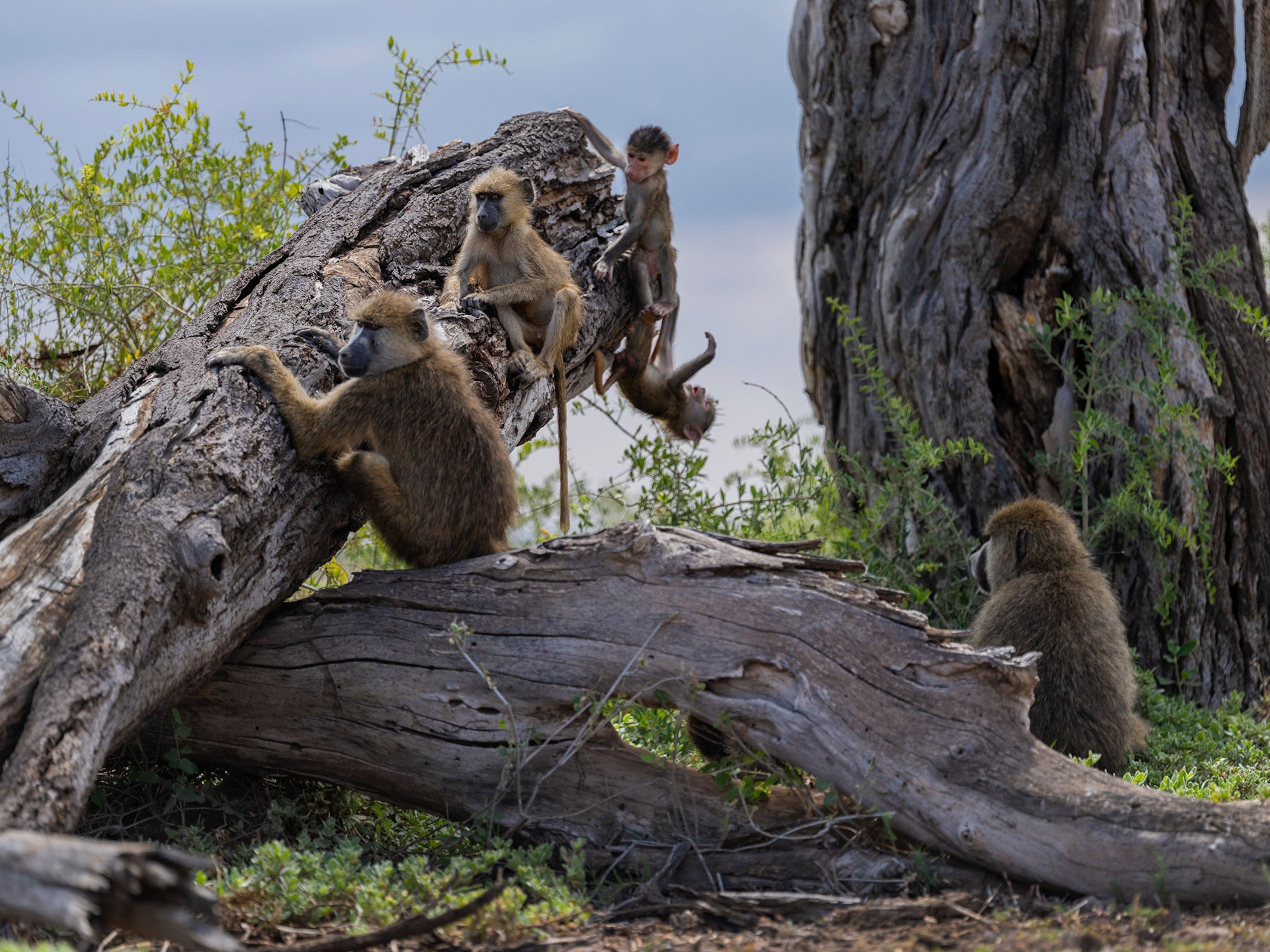
Image Gallery
Select an image to open it in a new tab.
Akira Tanaka
International Academic Trends Correspondent
