Comprehensive Guide to the 2013 Hyundai Elantra GT Base Hatchback
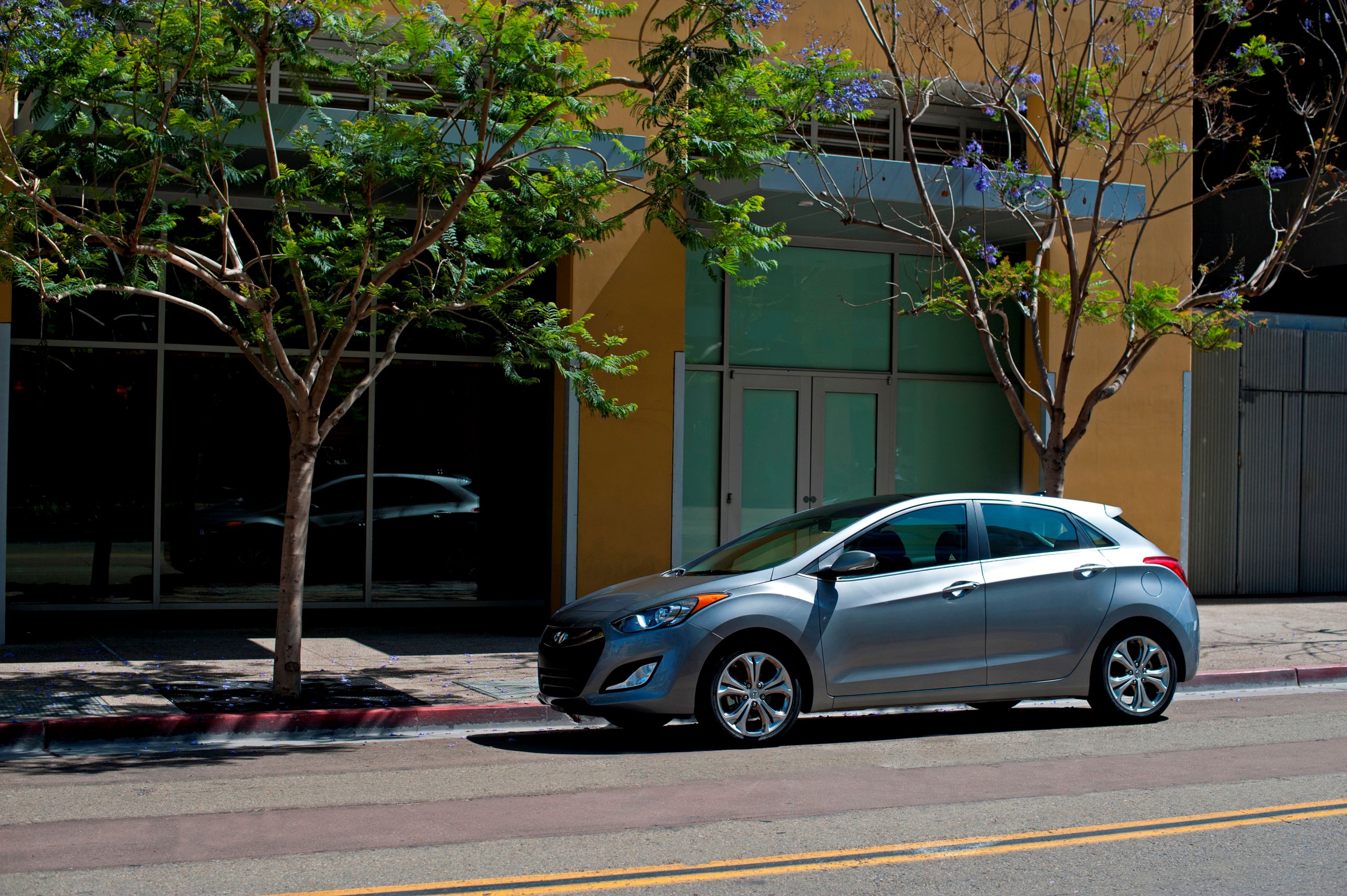
The 2013 Hyundai Elantra GT base hatchback is a versatile, European-styled compact car offering a blend of cargo utility and balanced driving dynamics. As of 2026, it remains a popular choice on the used market for drivers seeking a budget-friendly vehicle with significantly more interior flexibility than the standard sedan.
Introduction to the Elantra GT
When Hyundai introduced the 2013 Elantra GT, it marked a significant departure from the Elantra Touring it replaced. While the Touring model was essentially a traditional wagon, the GT was a "hotter" five-door hatchback designed largely in Rüsselsheim, Germany. This European lineage gave the vehicle a more sophisticated suspension tune and a more aggressive aesthetic compared to its sedan sibling.
In the current landscape of 2026, the 2013 Elantra GT has transitioned into the "reliable high-mileage" category. For buyers or current owners, understanding the specific engineering choices made for this model year is vital for maintaining its longevity. Unlike the standard Elantra sedan of the same era, the GT was positioned to compete with the likes of the Volkswagen Golf and the Ford Focus, focusing on "Fluidic Sculpture" design and a more engaging driver experience.
Technical Specifications and Performance
The heart of the 2013 Hyundai Elantra GT is the 1.8-liter "Nu" four-cylinder engine. This powerplant was a cornerstone of Hyundai’s lineup during the early 2010s, designed to balance fuel efficiency with sufficient urban pep.
Engine and Power Output
The 1.8L engine produces 148 horsepower and 131 lb-ft of torque. In states that follow PZEV (Partial Zero Emission Vehicle) regulations, these numbers drop slightly to 145 hp and 130 lb-ft. While these figures might seem modest by 2026 standards, the car’s relatively low curb weight—just under 2,800 pounds—allows it to feel nimble in city traffic.
Transmission Options
The base hatchback came with two primary transmission choices:
- 6-Speed Manual: Favored by enthusiasts for its precise shifts and better control over the power band.
- 6-Speed Automatic: Features Shiftronic manual control, allowing drivers to override gear selection when climbing hills or merging.
Fuel Economy Reality
At its launch, the Elantra GT was marketed with high fuel economy figures. However, following an industry-wide audit, Hyundai revised these estimates. In 2026, real-world data suggests that a well-maintained 2013 GT typically achieves approximately 27 MPG in the city and 37 MPG on the highway. Owners should note that fuel efficiency in these older models is highly sensitive to the health of the oxygen sensors and the cleanliness of the fuel injectors.
| Feature | Specification |
|---|---|
| Engine Type | 1.8L Inline 4-cylinder (Nu) |
| Horsepower | 148 hp @ 6,500 rpm |
| Torque | 131 lb-ft @ 4,700 rpm |
| Cargo Volume (Seats Up) | 23.0 cubic feet |
| Cargo Volume (Seats Down) | 51.0 cubic feet |
| Fuel Tank Capacity | 13.2 gallons |
| Turning Diameter | 34.8 feet |
| Wheelbase | 104.3 inches |

Interior Versatility and Cargo Capacity
One of the primary reasons consumers continue to seek out the 2013 Elantra GT in 2026 is its "Swiss Army Knife" interior. Hyundai’s engineers maximized the hatchback form factor to provide utility that rivals many small crossovers.
The Fold-Flat System
Unlike many compact cars where the rear seats simply lean forward, the Elantra GT features a rear seat cushion that flips forward toward the front seatbacks. This allows the rear seatback to fold down into a truly flat load floor. This design choice is critical for transporting bulky items like small furniture or bicycles—a task the Elantra sedan cannot perform.
Cabin Amenities
Even in the "base" configuration, the 2013 GT was relatively well-equipped for its time. Standard features included:
- Cooled Glovebox: A unique feature in this segment, utilizing the air conditioning system to keep beverages cool.
- Heated Front Seats: Surprisingly common on many base GT models, offering comfort in colder climates.
- Bluetooth Connectivity: Standard voice-activated phone and audio streaming, though the interface may feel dated compared to 2026 smartphone integration.
Driving Dynamics: The European Influence
Hyundai marketed the GT as the "driver’s Elantra." To back this up, they implemented several mechanical changes that distinguished it from the sedan.
Driver Selectable Steering Mode (DSSM)
A standout feature for 2013 was the DSSM system. This allows the driver to adjust the level of steering assistance via a button on the steering wheel.
- Comfort Mode: Maximum assistance, ideal for tight parking lot maneuvers.
- Normal Mode: A balance for everyday commuting.
- Sport Mode: Increases steering weight and reduces assistance for a more connected feel on winding roads.
While DSSM does not change the actual steering ratio, the added weight in Sport mode helps mitigate the "numb" feeling often associated with early electric power steering systems.
Suspension Tuning
The GT utilizes a MacPherson strut front suspension and a lightweight V-beam rear suspension with an integrated 22mm stabilizer bar. Hyundai opted for Sachs dampers on the GT, which provide a firmer, more controlled ride than the standard Elantra. This setup reduces body roll during cornering, making the hatchback feel more planted and "European" in its handling characteristics.
Long-Term Reliability and Common 2026 Concerns
When evaluating a 2013 Elantra GT in 2026, buyers must be aware of the specific mechanical issues that have emerged over the last thirteen years. While the car is generally robust, certain "pattern failures" have been documented by the owner community.
The 1.8L "Nu" Engine Ticking
The most significant concern for this model year is potential engine noise, often described as a rhythmic ticking or "piston slap." In some cases, this can lead to premature engine wear or failure. It is essential to check the service history for frequent oil changes (every 3,000 to 5,000 miles) and to listen to the engine during a cold start. If the ticking disappears once the engine warms up, it may be a minor clearance issue; if it persists, it could signal a more serious internal problem.
Steering Column Coupler
A common and relatively inexpensive issue is the failure of the small rubber "star" coupler in the electronic power steering motor. When this part degrades, the driver will hear a clunking noise when turning the steering wheel or driving over small bumps. While the part itself is cheap, the labor involves dropping the steering column.
Braking and Suspension Wear
By 2026, many of these vehicles will be on their third or fourth set of brake pads and may require replacement of the rear shocks. The V-beam rear suspension is simple and durable, but the bushings can dry out and crack over time, leading to squeaks or a less-settled feeling in the rear end.
Safety and Security Features
The 2013 Elantra GT was a safety leader for its era, earning a 5-star overall rating from the NHTSA.
Airbag Configuration
The vehicle comes standard with seven airbags, including a driver’s knee airbag—a feature often reserved for luxury vehicles in 2013. This provides an extra layer of protection in frontal offsets.
Anti-Theft Considerations
In recent years, certain Hyundai and Kia models have faced security scrutiny. It is important to verify if a specific 2013 Elantra GT base model uses a traditional "turn-key" ignition or a "push-to-start" system. Many base models with keyed ignitions required a software update or a physical steering wheel lock to deter theft. In 2026, most insurance companies will require proof that the Hyundai anti-theft software update has been performed before issuing a policy.
Comparison: Elantra GT vs. Contemporary Rivals
In the used market of 2026, the Elantra GT is often compared to the Mazda3 and the Toyota Matrix.
- Vs. Mazda3 (2013): The Mazda3 offers a more spirited driving experience but significantly less interior cargo space and a tighter rear seat.
- Vs. Toyota Matrix (2013): The Matrix is renowned for bulletproof reliability, but it lacks the interior refinement, soft-touch materials, and modern (for 2013) tech features found in the Hyundai.
- Vs. Volkswagen Golf (2013): The Golf provides a superior ride quality but generally comes with higher maintenance costs and more complex electrical systems as it ages.
Maintenance Guidelines for Owners in 2026
To keep a 2013 Elantra GT running efficiently beyond the 150,000-mile mark, owners should adhere to a strict maintenance schedule.
- Fluid Intervals: Change the automatic transmission fluid every 60,000 miles, despite "lifetime" claims. Replace the coolant every five years to prevent corrosion in the aluminum engine block.
- Spark Plugs: Use high-quality iridium plugs. The 1.8L engine is sensitive to ignition quality, and worn plugs can lead to ignition coil failure.
- Drive Belt: Inspect the serpentine belt for cracks. Since this engine uses a timing chain rather than a belt, the external drive belt is the primary point of failure for accessories like the alternator and AC compressor.
- Cleaning the GDI/Intake: While the 1.8L Nu in 2013 used Multi-Port Injection (MPI) rather than Direct Injection (GDI) in most markets, it still benefits from regular throttle body cleaning to maintain a steady idle.
Frequently Asked Questions
Does the 2013 Hyundai Elantra GT have a timing belt or a timing chain?
The 2013 Elantra GT’s 1.8L Nu engine uses a timing chain. Unlike a timing belt, the chain is designed to last the life of the engine and does not require periodic replacement. However, maintaining proper oil levels is crucial, as the chain tensioner relies on oil pressure to function correctly.
Can I install Apple CarPlay or Android Auto in this vehicle?
The factory head unit in the 2013 base model does not support these features. However, because the Elantra GT uses a standard "Double-DIN" radio slot, it is very easy to install an aftermarket touchscreen unit that provides modern smartphone integration.
Why is my gas mileage lower than the advertised 37 MPG?
The 37 MPG figure is a highway estimate under ideal conditions. In 2026, factors such as tire rolling resistance, fuel quality (ethanol content), and sensor aging can reduce this. Additionally, the Elantra GT is sensitive to aerodynamic drag; driving above 70 MPH significantly impacts its efficiency.
Is the Elantra GT's suspension different from the Elantra sedan?
Yes. The Elantra GT features a unique rear V-beam suspension with an integrated stabilizer bar and European-sourced Sachs dampers. This provides a firmer, more athletic ride compared to the softer, more comfort-oriented suspension found in the 2013 Elantra sedan.
Are there any specific recalls I should check for?
Several recalls have affected this generation, including issues with the brake light switch and certain electronic control units. Owners should visit the official Hyundai recall lookup tool and enter their VIN to ensure all safety campaigns have been completed.
Final Recommendation
The 2013 Hyundai Elantra GT base hatchback remains a pragmatic choice in 2026 for those who prioritize cargo flexibility and a compact footprint. Its "European" tuning makes it more enjoyable to drive than a standard economy car, while its mechanical simplicity (MPI engine and traditional automatic) avoids some of the complexities of modern turbocharged or CVT-equipped vehicles.
Potential buyers should prioritize vehicles with a documented service history to avoid the "ticking" engine issues and ensure the anti-theft software updates have been applied. For current owners, investing in suspension refreshes and regular oil changes will allow this hatchback to continue serving as a reliable utility vehicle well into the late 2020s.
Image Gallery
Select an image to open it in a new tab.

Lars Thomsen
Global Labor Markets and Economic Strategy Editor
