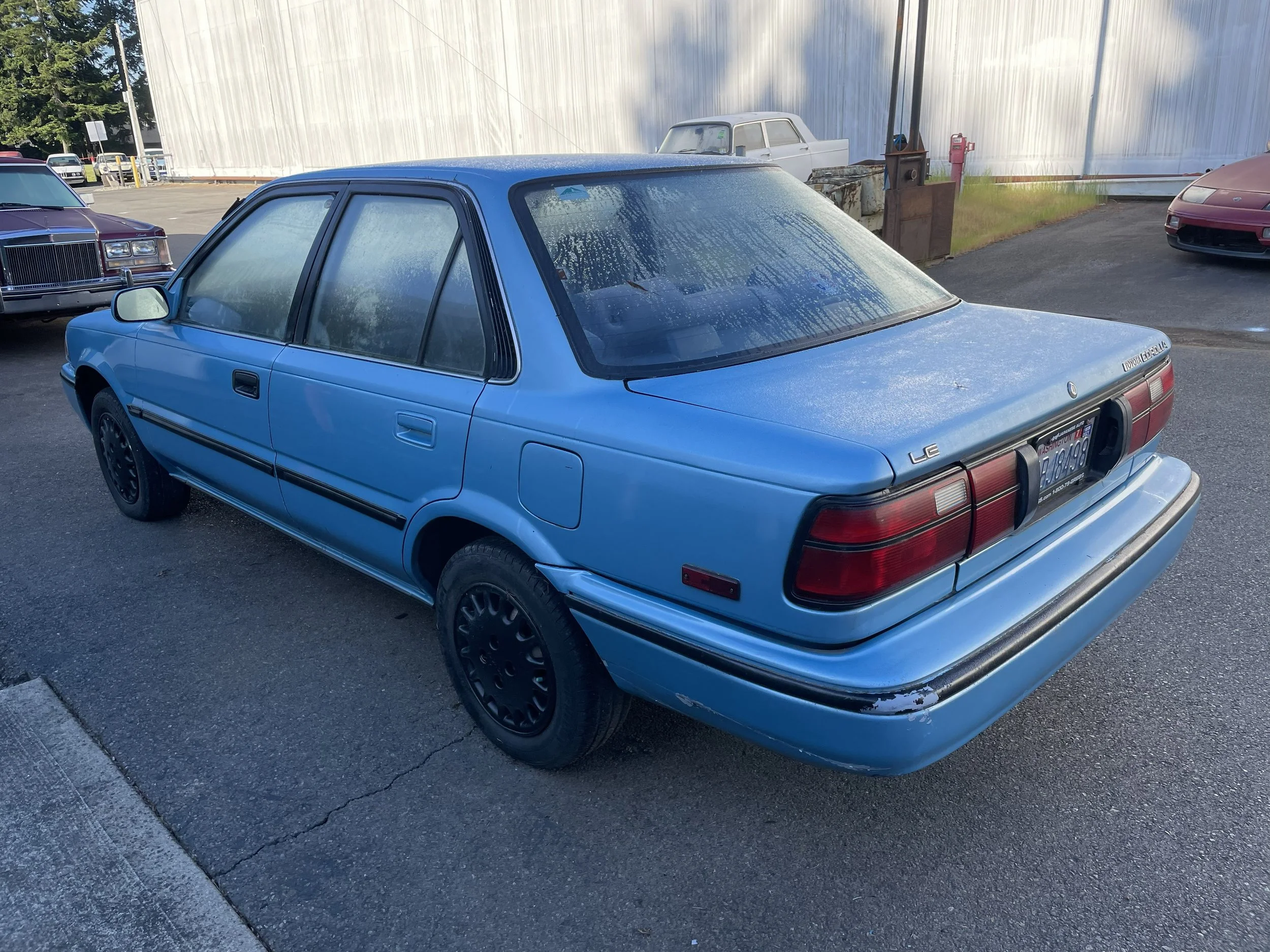
Purchasing a 1992 Toyota Corolla is a viable choice for enthusiasts, budget-conscious commuters, or those seeking a project vehicle, provided the unit is rust-free and mechanically sound. While these vehicles offer legendary reliability and simple mechanics, buyers must account for the reality of owning a 34-year-old vehicle, including parts availability, safety limitations, and the necessity of proactive maintenance.
The Appeal of the E100 Chassis
The 1992 model year marked the transition to the seventh generation of the Toyota Corolla, internally known as the E100 series. For many, this era represents the peak of Toyota’s "over-engineering" philosophy. The E100 was designed with a level of build quality that often surpassed its price point, featuring robust materials, tight panel gaps, and engines designed for longevity rather than sheer performance.
Owning a vehicle from 1992 is an exercise in mechanical transparency. Unlike modern vehicles that are heavily reliant on complex sensor arrays, proprietary software, and encrypted ECUs (Engine Control Units), the 1992 Corolla is largely analog. This makes it an ideal platform for DIY mechanics. Most repairs can be completed in a home garage with basic hand tools, and the engine bays offer generous clearance, allowing for easy access to timing belts, water pumps, and alternators.
Assessing Condition: What to Look For in 2026
In 2026, a 1992 Corolla is considered a classic or vintage vehicle, depending on your local jurisdiction's registration laws. Because of this, the primary determinant of "worth" is no longer the mileage—which is often unreliable after three decades—but rather the state of preservation.
1. Structural Integrity and Rust
The most critical factor is the body shell. Check the floorboards, the rocker panels, the lower sections of the doors, and the rear wheel arches. If the vehicle has spent significant time in regions where road salt is used, structural rust may have compromised the chassis. Unlike mechanical components, which can be swapped, structural rust is often prohibitively expensive to repair properly.
2. The Drivetrain
The 1.6L and 1.8L engines of this era are famously durable, but they are not invincible. Observe the tailpipe during a cold start; blue smoke suggests burning oil (worn valve seals or piston rings), while heavy white smoke may indicate a leaking head gasket. Ensure the transmission—whether the manual or the four-speed automatic—shifts smoothly without hesitation or grinding.
3. Rubber and Plastic Degradation
After 34 years, almost all non-metal components will have reached the end of their design life. Inspect all rubber hoses, vacuum lines, timing belts, and engine mounts. These parts do not need to be replaced by the seller to make the car "worth" buying, but you must budget for their replacement immediately upon purchase to prevent catastrophic failure.
Financial Considerations: Costs of Ownership
Determining if the car is "worth it" involves balancing the low purchase price against the long-term investment.
| Expense Category | Typical Consideration | Impact on Value |
|---|---|---|
| Initial Purchase | Low entry barrier compared to modern cars | High initial "value" |
| Insurance | Often qualifies for classic/antique rates | Low ongoing cost |
| Parts Availability | High volume of aftermarket and OEM stock | Low repair costs |
| Fuel Efficiency | Respectable, but lower than modern hybrids | Variable |
| Safety Features | Lacks airbags, ABS, and crumple zones | High personal risk |
While the initial acquisition cost is significantly lower than a modern vehicle, you must factor in the "buy-in" price for essential updates. A 1992 Corolla that has been ignored for a decade will likely require a full fluid flush, new tires, a battery, and a timing belt service before it can be considered a daily driver.
The Safety Reality Check
It is essential to acknowledge the limitations of 1992 automotive technology. A 1992 Corolla lacks the sophisticated active and passive safety systems that are standard in 2026. This includes modern side-curtain airbags, electronic stability control, and advanced collision avoidance systems. The structural design of the E100, while revolutionary for its time, does not provide the same cabin integrity during a high-speed collision as a vehicle produced in the mid-2020s. If you are buying this vehicle for a new driver or as a high-mileage highway commuter, these safety considerations should carry significant weight in your decision-making process.
Maintenance and Restoration: The DIY Advantage
One of the strongest arguments for buying a 1992 Corolla is the massive ecosystem of knowledge available to the owner. Because the E100 was sold in high volumes globally, there are thousands of forum threads, scanned service manuals, and enthusiast groups dedicated to this specific platform.
If you are interested in learning how to work on cars, this is perhaps the best "classroom" available. You can learn to perform a tune-up, change your own oil, and replace suspension components without navigating complex digital interfaces. Furthermore, parts remain widely available through both major auto parts retailers and online salvage networks. Whether you need a replacement interior trim piece or a new water pump, the parts are usually inexpensive and readily accessible.
Common Issues to Watch For
Before finalizing a purchase, look for these specific "known" issues:
- The "Oil Consumption" Issue: High-mileage engines may suffer from clogged oil control rings. Regular oil changes were vital to prevent this; if the previous owner neglected maintenance, the engine may burn oil aggressively.
- Dashboard Cracking: UV exposure often causes the plastic dashboards of this generation to crack. While cosmetic, replacing a dash is time-consuming.
- Electrical Gremlins: While the wiring is simple, 34-year-old insulation can become brittle. Look for signs of "hacked" wiring from previous stereo installations, which often lead to shorts and blown fuses.
Frequently Asked Questions
Is a 1992 Corolla reliable enough for a daily driver in 2026? Yes, but with caveats. If the vehicle is well-maintained, it can be a reliable daily driver. However, you must be prepared to address the maintenance that previous owners may have deferred. It should not be purchased with the expectation that it will run indefinitely without attention.
Are parts for a 1992 Corolla difficult to find? No. Because the Corolla platform was mass-produced, many mechanical components are interchangeable with other Toyotas of the era. Common wear items like brakes, filters, and belts are still stocked at most major parts stores.
How does the fuel efficiency compare to modern cars? It is competitive for its era, typically achieving between 25 and 30 miles per gallon. While it cannot match the efficiency of a 2026 hybrid, its low weight makes it quite efficient in city driving environments.
Is it difficult to insure a 1992 Corolla? Depending on the mileage and the condition, you may be able to register the vehicle as a classic or antique. This often reduces insurance premiums significantly, provided you meet the usage requirements set by your insurer.
What is the single most important thing to check before buying? Structural rust is the dealbreaker. Mechanical components can be rebuilt, replaced, or upgraded, but a rusted-out frame is a safety hazard and is rarely worth the cost of professional repair. Always inspect the underside of the vehicle.
Recommendation
A 1992 Toyota Corolla is a highly recommended purchase if your goal is to own a simple, reliable, and character-filled vehicle that is easy to maintain. It is an excellent choice for a second car, a project vehicle, or a low-cost daily driver for short commutes. However, if your priority is maximum safety, high-tech features, or long-distance highway comfort, you should look toward more modern alternatives. If you decide to proceed, prioritize finding a rust-free example and set aside a budget of $1,000–$2,000 for the immediate "refresh" of rubber components and fluids that a car of this vintage will require to serve you faithfully.

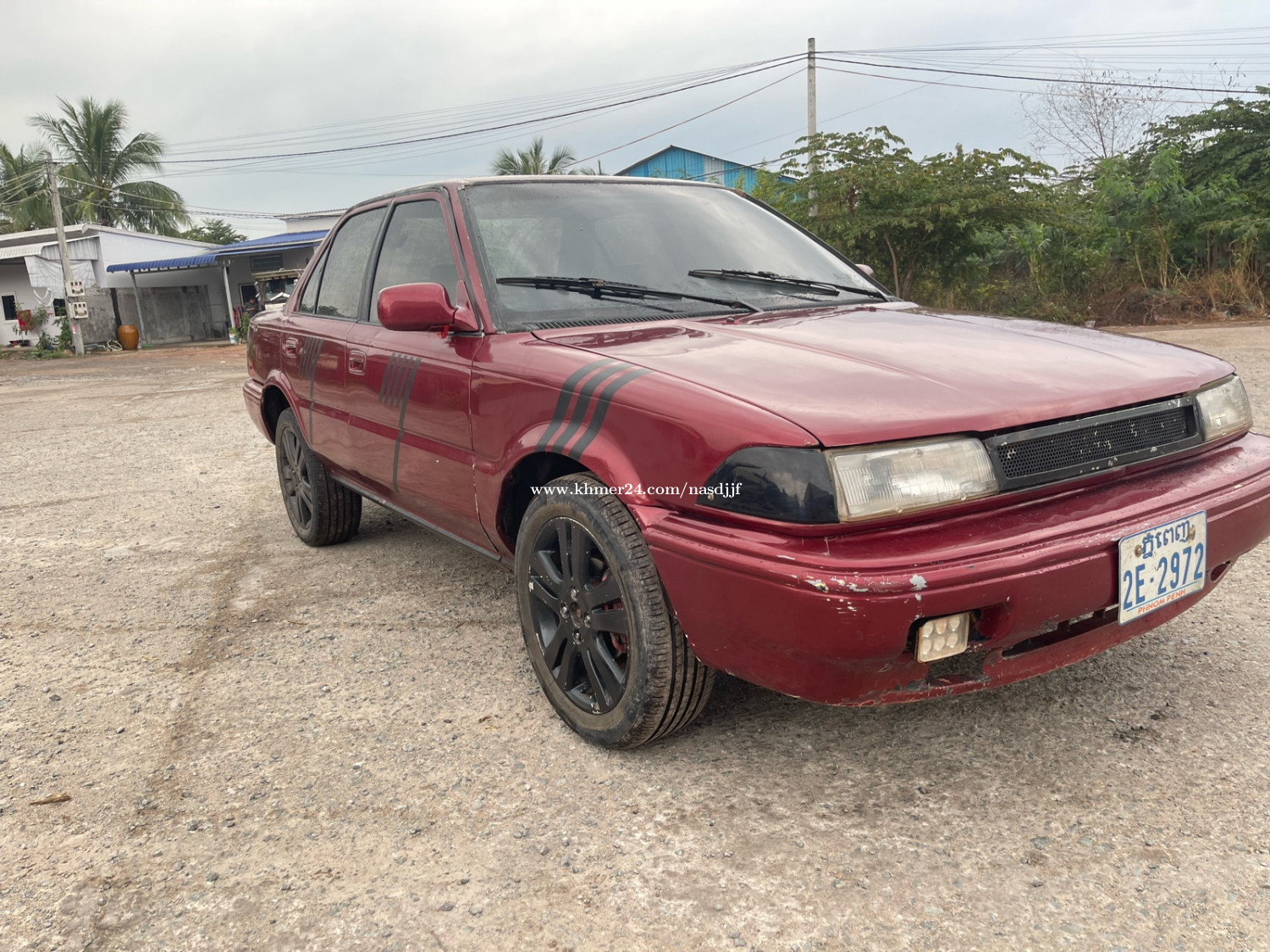
Image Gallery
Select an image to open it in a new tab.


Zara El-Hashem
Sociocultural Dynamics and Academics Writer
