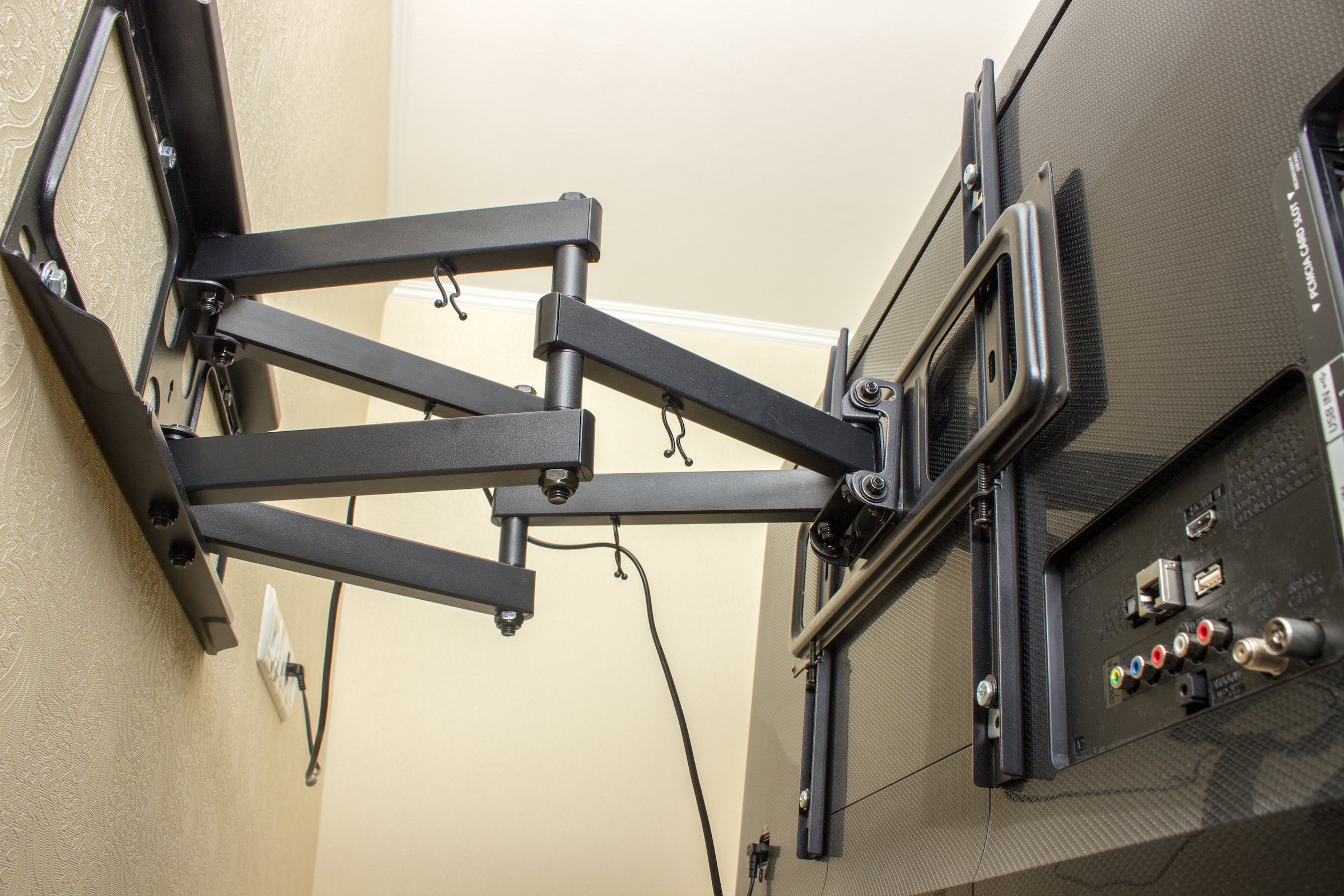
The best type of TV depends on your viewing environment and content preferences, but for most users in 2026, OLED (Organic Light Emitting Diode) remains the gold standard for picture quality due to its perfect blacks and infinite contrast. However, Mini-LED is the superior choice for exceptionally bright rooms where high peak brightness is necessary to overcome glare.
Finding the "best" television is no longer a simple matter of choosing the most expensive model. In 2026, the display market has matured into several distinct technological paths, each catering to specific use cases ranging from dedicated home cinemas to sun-drenched living rooms and high-performance gaming setups. Understanding the underlying physics of these displays—how they produce light, manage color, and handle motion—is essential for making a multi-year investment.
Understanding OLED: The King of Contrast
OLED technology has dominated the high-end market for over a decade, and in 2026, it has reached a state of extreme refinement. Unlike traditional LCD screens that require a backlight, OLED is an emissive technology. This means every single pixel is its own light source. When a pixel needs to display black, it simply turns off completely, resulting in "perfect" black levels that no other mainstream technology can replicate.
The Benefits of Per-Pixel Dimming
Because each of the 8.3 million pixels (in a 4K set) can be controlled individually, OLEDs offer unparalleled contrast ratios. This is most evident in dark scenes with bright highlights—such as a starfield or a neon sign against a night sky. There is zero "blooming" or "halo effect," where light bleeds from bright objects into dark areas. This precision creates a depth and "pop" to the image that defines the premium viewing experience.
WRGB vs. QD-OLED
As of 2026, two primary types of OLED panels exist. WRGB OLED (pioneered by LG Display) uses a white sub-pixel alongside red, green, and blue to boost brightness. It is reliable and widely available. QD-OLED (pioneered by Samsung Display) uses a blue OLED source with a Quantum Dot layer to convert light into red and green. QD-OLED generally offers superior color volume and brighter highlights, making it a favorite for HDR (High Dynamic Range) enthusiasts who want both perfect blacks and vivid, saturated colors.
The Rise of Mini-LED: The Brightness Powerhouse
While OLED excels in dark rooms, Mini-LED has become the primary challenger for the title of "best type of TV," particularly for multi-purpose living rooms. Mini-LED is an evolution of traditional LCD-LED technology. Instead of using a few dozen or hundreds of large LEDs for a backlight, it uses thousands of microscopic LEDs.
Local Dimming Zones and HDR Performance
The key to Mini-LED's success is Full Array Local Dimming (FALD). By grouping these thousands of tiny LEDs into hundreds or even thousands of independent "zones," the TV can dim the backlight in dark areas while blasting brightness in others. In 2026, top-tier Mini-LED sets can reach peak brightness levels exceeding 3,000 to 4,000 nits. This makes them significantly more effective than OLEDs at overcoming glare from windows or bright lamps.
Why Mini-LED Wins in Bright Rooms
For daytime viewing, sports, or news, the raw luminance of Mini-LED provides a more impactful image. While it still cannot achieve the perfect, per-pixel black levels of an OLED—occasionally showing slight blooming around subtitles or bright objects—the gap has narrowed significantly. For consumers who do not want to worry about room lighting or "burn-in" (the permanent image retention that can theoretically affect OLEDs), Mini-LED is often the more practical "best" choice.
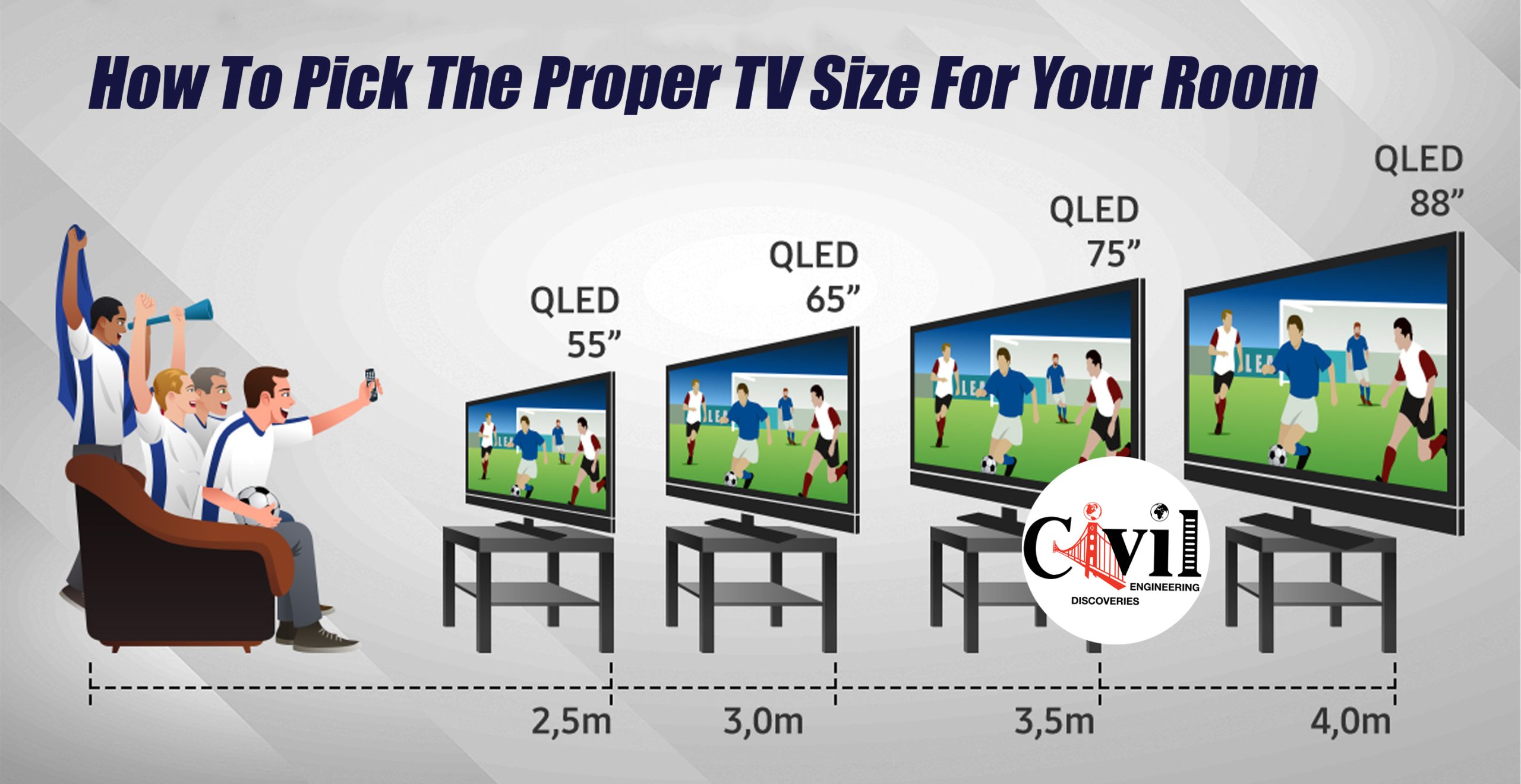
QLED and Standard LED: Value and Versatility
The term QLED (Quantum Dot LED) is often used as a marketing catch-all, but it essentially refers to an LCD TV that utilizes a layer of Quantum Dots to improve color accuracy and brightness.
Mid-Range Dominance
In the 2026 market, standard QLEDs (those without Mini-LED backlighting) represent the "sweet spot" for value. They offer much better color than entry-level LED TVs without the premium price tag of OLED. If you are looking for a secondary TV for a bedroom or a reliable set for a kitchen, a standard QLED provides excellent longevity and respectable picture quality.
Entry-Level LED
Basic LED-LCD TVs are now primarily found in the budget segment. These typically use "edge-lit" backlighting, which can lead to uneven brightness across the screen (clouding). While they are the most affordable, they lack the contrast and color depth required for a true "cinematic" experience.
Comparing TV Technologies in 2026
The following table summarizes the key performance metrics for the dominant TV types currently available.
| Feature | OLED (WRGB/QD-OLED) | Mini-LED | Standard QLED |
|---|---|---|---|
| Black Levels | Perfect (Absolute Black) | Excellent (Near Black) | Good to Average |
| Peak Brightness | Moderate (800-1,500 nits) | Very High (2,000+ nits) | Moderate to High |
| Contrast Ratio | Infinite | High | Moderate |
| Viewing Angles | Exceptional | Good (Varies by panel) | Average |
| Gaming Response | Near Instant | Very Fast | Fast |
| Risk of Burn-in | Low (But Present) | None | None |
| Best Environment | Dark / Controlled Lighting | Bright Living Rooms | Any (Value-focused) |
Key Factors to Consider Before Buying
Choosing the "best" type of TV requires looking beyond the panel technology and evaluating how the hardware integrates with your specific lifestyle.
Room Lighting and Placement
The orientation of your room is the single most important factor. If your TV faces a large window, an OLED’s glossy screen may act like a mirror, and its lower peak brightness might make dark scenes hard to see during the day. In this scenario, a Mini-LED with an anti-reflective coating is objectively better. Conversely, in a basement theater, the OLED's contrast will provide a level of immersion that Mini-LED cannot match.
Gaming Features (HDMI 2.1 and Beyond)
For gamers in 2026, the "best" TV must support the full suite of HDMI 2.1 features. This includes:
- 4K at 120Hz/144Hz: Smooth motion for high-speed gaming.
- VRR (Variable Refresh Rate): Eliminates screen tearing by syncing the TV's refresh rate to the console or PC's output.
- ALLM (Auto Low Latency Mode): Automatically switches the TV to "Game Mode" to minimize input lag.
- Input Lag: OLEDs generally have the lowest input lag (under 10ms), providing a more responsive "feel" in competitive play.
Motion Processing and Upscaling
The "brain" of the TV—the processor—is just as important as the panel. Manufacturers like Sony, LG, and Samsung use AI-driven processors to upscale lower-resolution content (like 1080p cable TV or older streaming titles) to 4K. High-end processors also handle "motion interpolation" (smoothing out fast-moving objects) without creating the dreaded "soap opera effect" or digital artifacts.
The MicroLED Exception
While discussing the "best" type of TV, MicroLED must be mentioned as the ultimate technology, though it remains prohibitively expensive for most consumers in 2026. MicroLED combines the best of both worlds: the per-pixel emissive control of OLED (perfect blacks) with the extreme brightness and longevity of inorganic LEDs (no burn-in). Currently, MicroLED is mostly available in massive, modular sizes (110 inches and larger) and costs as much as a luxury vehicle. It represents the future of television but is not yet a practical recommendation for the average household.
Common Pitfalls and Misconceptions
When searching for the best TV, it is easy to be swayed by marketing jargon that may not translate to a better viewing experience.
- The 8K Myth: Despite 8K TVs being available in 2026, native 8K content remains extremely rare. For almost everyone, a high-end 4K OLED or Mini-LED will look better than a mid-range 8K TV because the quality of the pixels (contrast and color) is more important than the quantity.
- Burn-in Fears: While OLED burn-in was a significant concern in the early 2010s, modern panels include "pixel shifting," "logo luminance adjustment," and advanced heat dissipation. Unless you leave a news channel with a static ticker on for 15 hours a day at max brightness, burn-in is unlikely to occur during the functional life of the TV.
- Smart TV Software: Don't let the built-in software (WebOS, Tizen, Google TV) dictate your purchase. If you dislike a TV's interface, you can easily bypass it with an external 4K streaming stick or box, which often provides a faster and more updated experience.
Frequently Asked Questions
Which TV type lasts the longest?
Mini-LED and QLED TVs generally have a longer theoretical lifespan than OLED. Because they use inorganic materials, they do not suffer from the gradual "dimming" of organic compounds over decades. However, most modern OLEDs are rated for 100,000 hours to half-brightness, which is over 30 years of viewing at 9 hours per day.
Is OLED or Mini-LED better for movies?
For a cinematic experience, OLED is typically better. Directors often use shadows and low-light environments to create mood; OLED's ability to render absolute black ensures you see the film exactly as intended. Mini-LED can sometimes "crush" blacks (making them too dark) or "bloom" (making them too bright) in complex scenes.
Does screen size change the "best" type of TV?
Yes. If you are looking for a massive screen (85 to 100 inches), Mini-LED is often the "best" choice because OLED panels become exponentially more expensive as they exceed 83 inches. For smaller sizes (42 to 65 inches), OLED pricing is much more competitive.
Are curved TVs still a good option?
In 2026, curved TVs have almost entirely disappeared from the market, except for specific gaming monitors. For home theater use, flat screens are preferred as they provide more consistent viewing angles for multiple people and are easier to wall-mount.
What is the best TV for sports?
Mini-LED is often cited as the best for sports because of its high brightness, which is ideal for daytime viewing, and its lack of "Vertical Alignment" (VA) panel issues like "dirty screen effect" found in cheaper sets. However, motion handling is more dependent on the TV's processor than the panel type itself.
Practical Recommendation: Finding Your Best Match
To choose the best TV for your home in 2026, follow this simple decision logic:
- For a Dedicated Cinema Room: Choose a QD-OLED. The combination of perfect blacks and high color volume provides the most immersive, high-fidelity image available today.
- For a Sunlit Living Room: Choose a High-End Mini-LED. Look for a model with at least 2,000 nits of peak brightness and an anti-reflective filter to maintain clarity regardless of the time of day.
- For Professional Gaming: Choose a 42-inch or 48-inch OLED. The sub-1ms response time and perfect contrast make it the most responsive and visually stunning choice for both consoles and PCs.
- For Best Value: Choose a Mid-Range QLED. You will get 90% of the performance of high-end sets at a fraction of the cost, with excellent reliability for everyday use.
Before purchasing, always verify the specific HDMI 2.1 bandwidth of the model and check independent reviews for "gray uniformity" to ensure the panel you receive is free of manufacturing defects.
Image Gallery
Select an image to open it in a new tab.


Declan O'Connor
Higher Education and Campus Culture Reporter
