
Understanding the mash bill of Buffalo Trace requires recognizing that the distillery categorizes its bourbon production into three primary recipes: Mash Bill #1 (low rye), Mash Bill #2 (higher rye), and a Wheated Mash Bill. While the exact percentages remain a closely guarded trade secret, these profiles define the flavor characteristics of world-renowned brands like Eagle Rare, Blanton’s, and W.L. Weller.
The Fundamentals of Mash Bills in Bourbon Production
To truly understand the specific recipes used at the Buffalo Trace Distillery in Frankfort, Kentucky, one must first grasp the technical concept of a mash bill. In the world of American whiskey, a mash bill is the "recipe" of grains used to create the fermentable base of the spirit. Per federal regulations in the United States, any spirit labeled as "bourbon" must be produced from a grain mixture that is at least 51% corn. The remaining 49% is typically a combination of rye, wheat, and malted barley.
Each grain contributes a specific chemical and sensory profile to the final distillate. Corn provides the foundational sweetness and oiliness associated with bourbon. Rye introduces spicy, peppery, and floral notes. Wheat, when used as a replacement for rye, offers a softer, rounder, and more "bread-like" sweetness. Malted barley is primarily included for its enzymatic content—specifically alpha-amylase—which converts the starches in the other grains into fermentable sugars, though it also contributes a nutty, toasted cereal note.
Buffalo Trace is unique in the industry because it does not disclose the exact percentages of its mash bills. Unlike some distilleries that provide high-level transparency, Buffalo Trace relies on a categorical system. As of 2026, the distillery continues to manage its vast portfolio by assigning every brand to one of these specific grain "families."
Buffalo Trace Mash Bill #1: The Low-Rye Foundation
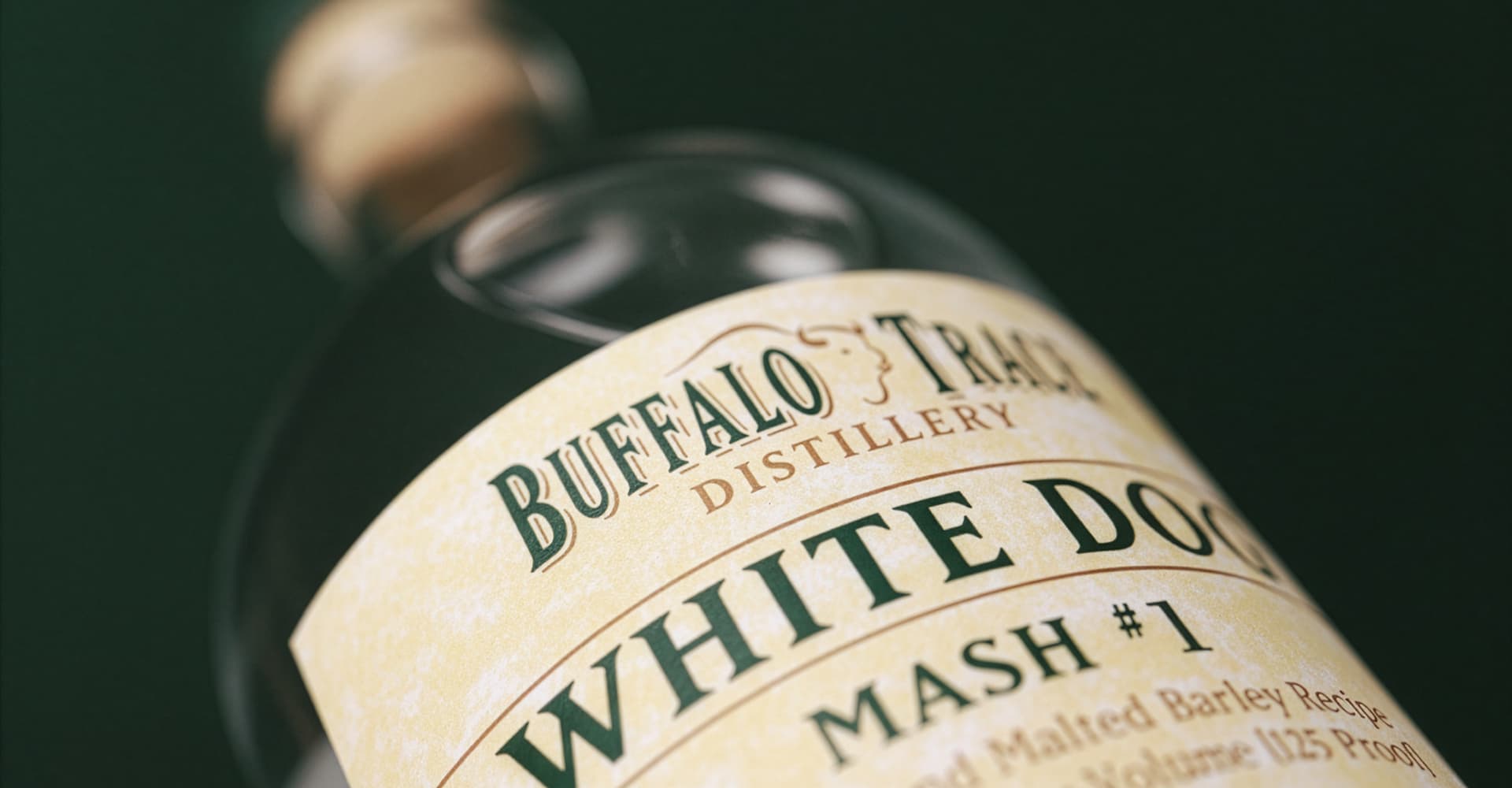
Mash Bill #1 is often referred to as the "low-rye" recipe. It is the flagship profile of the distillery and serves as the source for many of its most awarded and sought-after labels. While the distillery maintains silence on the specifics, industry analysis and palate testing suggest that Mash Bill #1 contains approximately 10% rye or less.
The goal of Mash Bill #1 is to highlight the sweetness of the corn and the influence of the charred American oak barrels without the aggressive spice of a high-rye content. This results in a spirit that is generally approachable, featuring notes of caramel, vanilla, and dark fruit.
Key Brands Under Mash Bill #1
The diversity within this single mash bill is achieved through varying entry proofs into the barrel, different warehouse locations, and lengths of maturation.
- Buffalo Trace Bourbon: The namesake flagship, bottled at 90 proof. It represents the "standard" expression of this recipe, balanced and versatile.
- Eagle Rare: Typically aged for at least 10 years, this expression showcases how Mash Bill #1 evolves with extended wood contact, introducing deeper oak tannins and leather notes.
- E.H. Taylor, Jr. Small Batch & Single Barrel: These are bottled-in-bond expressions that emphasize the traditional methods of the distillery’s founding figures.
- George T. Stagg & Stagg (formerly Stagg Jr.): Part of the Buffalo Trace Antique Collection (BTAC) and its younger counterpart, these are high-proof, uncut, and unfiltered versions of Mash Bill #1, offering an intense concentration of the low-rye profile.
Buffalo Trace Mash Bill #2: The Higher Rye Content
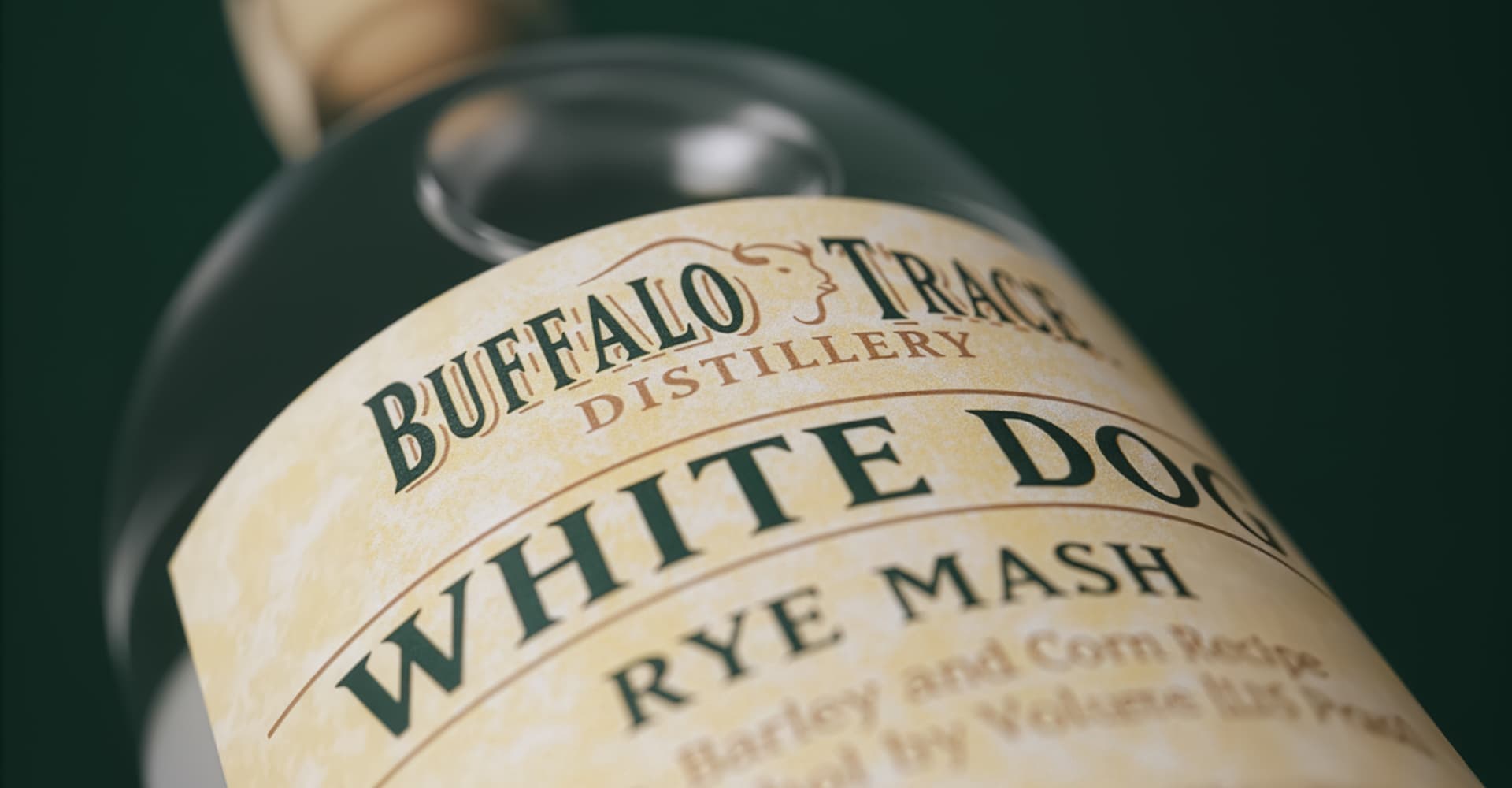
Mash Bill #2 is frequently categorized as the "high-rye" mash bill, although this is a relative term. Compared to "high-rye" bourbons from other distilleries that might reach 20% to 35% rye, Buffalo Trace’s Mash Bill #2 is estimated to be in the 12% to 15% range. This subtle increase in rye significantly alters the flavor profile, adding a distinct citrus zest, black pepper, and a leaner mouthfeel.
The history of Mash Bill #2 is deeply tied to the "Age International" era of the distillery. Many of the brands under this recipe were created or popularized by legendary Master Distiller Elmer T. Lee. In fact, many enthusiasts refer to this as the "Blanton’s recipe."
Key Brands Under Mash Bill #2
Because Mash Bill #2 is used for several premium single-barrel products, it is often associated with higher collectibility and the "honey barrel" selection process.
- Blanton’s Single Barrel: The first commercial single-barrel bourbon. It is the quintessential example of Mash Bill #2, known for its notes of orange peel, dried fruit, and spice.
- Elmer T. Lee: Named after the man who created Blanton’s, this bourbon is generally softer than Blanton’s but retains the characteristic rye snap.
- Rock Hill Farms: Often considered a "premium" version of Mash Bill #2, bottled at a higher proof (100 proof) to emphasize the complexity of the recipe.
- Ancient Age: The entry-level expression of this mash bill, showing the profile in its youngest and most accessible form.
The Wheated Mash Bill: The "Pappy" Connection
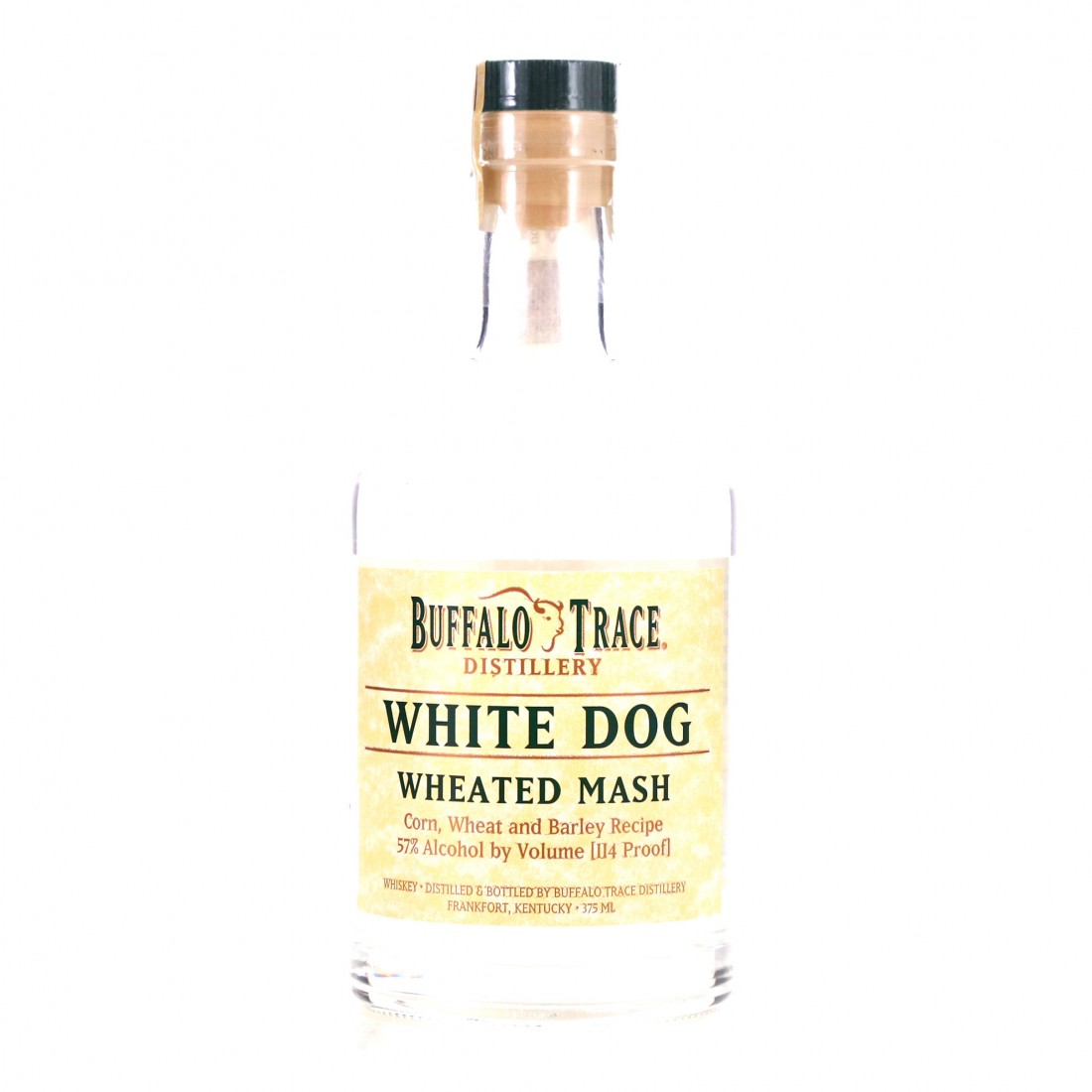
Perhaps the most famous of all Buffalo Trace recipes is the Wheated Mash Bill. In this recipe, rye is omitted entirely and replaced with wheat. This produces a "wheated bourbon," a style made famous by the late Pappy Van Winkle. Wheat does not provide the spicy "bite" of rye; instead, it allows the sweetness of the corn and the vanilla from the wood to take center stage.
The wheated profile is prized for its "smoothness" and soft texture on the palate. These bourbons tend to age very gracefully, often reaching 15, 20, or even 23 years without becoming overly bitter or astringent from the oak.
Key Brands Under the Wheated Mash Bill
- W.L. Weller Line: This includes Special Reserve, Antique 107, and 12-Year. Weller is frequently called the "Poor Man’s Pappy" because it shares the exact same mash bill as the Van Winkle line.
- Pappy Van Winkle / Old Rip Van Winkle: These are the most coveted whiskeys in the world. While the Van Winkle family manages the brand, the spirit itself is distilled and aged by Buffalo Trace using their wheated recipe.
- William Larue Weller: The uncut, barrel-proof entry in the Antique Collection, showcasing the maximum intensity of the wheated mash bill.
Technical Comparison of Buffalo Trace Mash Bills
The following table summarizes the estimated composition and primary characteristics of the three major bourbon mash bills utilized at the distillery.
| Mash Bill Type | Estimated Rye/Wheat % | Core Flavor Profile | Primary Brands |
|---|---|---|---|
| Mash Bill #1 | < 10% Rye | Caramel, Vanilla, Toasted Oak | Buffalo Trace, Eagle Rare, Stagg |
| Mash Bill #2 | 12% - 15% Rye | Spice, Citrus Peel, Pepper | Blanton's, Elmer T. Lee, Rock Hill Farms |
| Wheated Mash Bill | ~15% Wheat (0% Rye) | Honey, Baked Bread, Soft Stone Fruit | W.L. Weller, Pappy Van Winkle |
| Rye Mash Bill | > 51% Rye | Mint, Clove, Cinnamon, Grass | Sazerac Rye, Thomas H. Handy |
The Role of Secondary Factors: Beyond the Grain
While the mash bill provides the blueprint for the flavor, it is not the sole determinant of the final product. Understanding Buffalo Trace's output in 2026 requires looking at the secondary processes that differentiate whiskeys sharing the same recipe.
Barrel Entry Proof
Buffalo Trace historically uses a lower barrel entry proof (the strength at which the spirit enters the wood) than many of its competitors. Entering the barrel at a lower proof (often 125 or lower) allows more water-soluble compounds to be extracted from the wood, which can lead to a richer mouthfeel and more integrated flavors.
Warehouse Environment
The distillery utilizes several different types of warehouses, including massive brick-and-mortar structures and wood-clad "metal" warehouses. Each warehouse has a unique microclimate. The middle floors of certain warehouses are known as the "center cuts," where the temperature fluctuations are most consistent, often reserved for premium products like Blanton’s or Eagle Rare.
Filtration and Proofing
The final step in defining a brand's identity is how it is treated after it leaves the barrel. A single-barrel expression of Mash Bill #1 (like E.H. Taylor Single Barrel) will taste vastly different from a blended, chill-filtered expression of the same mash bill (like standard Buffalo Trace). Chill filtration removes certain fatty acids to prevent the whiskey from becoming cloudy when cold, but some purists believe this also removes some of the "soul" or texture of the spirit.
Why the Mash Bill Percentages Remain Secret
As of 2026, Buffalo Trace remains one of the few major distilleries that refuses to release exact grain percentages. There are several strategic reasons for this:
- Brand Mystery: The "secret recipe" adds a layer of allure and marketing prestige to the products.
- Flexibility: Minor adjustments can be made to the grain ratios based on the quality of the harvest or environmental factors without needing to update public-facing technical sheets.
- Intellectual Property: Protecting the exact ratios prevents competitors from easily "cloning" the specific profile of flagship brands.
For the consumer, this means that while we can categorize Buffalo Trace products by their general mash bill family, the nuances of the "true" recipe remain part of the distillery's legendary status.
Frequently Asked Questions
Is Buffalo Trace Mash Bill #1 the same as Eagle Rare?
Yes, Buffalo Trace Bourbon and Eagle Rare both utilize Mash Bill #1. The primary differences between them are the age (Eagle Rare is aged for at least 10 years, whereas Buffalo Trace is typically 6 to 8 years), the barrel selection process, and the final bottling proof. Eagle Rare is designed to highlight more mature, oak-forward characteristics.
Why is Blanton's so much harder to find than other Mash Bill #2 bourbons?
Blanton’s is a single-barrel product, meaning every bottle comes from one specific barrel rather than a blend of hundreds. This limits the total volume available. Additionally, its iconic "horse and jockey" stopper and status as the original single-barrel bourbon have created a level of global demand that far outstrips the distillery's production capacity for that specific label.
Does Buffalo Trace make a 100% rye whiskey?
No, Buffalo Trace’s primary rye recipe, used for Sazerac Rye and Thomas H. Handy, is a "barely legal" rye. This means it contains just over the 51% rye requirement, with the rest consisting of corn and malted barley. This results in a rye whiskey that is sweeter and less "green" than 95% or 100% rye whiskeys found elsewhere.
Are Pappy Van Winkle and W.L. Weller actually the same liquid?
Technically, they start as the same liquid. They share the same wheated mash bill and are distilled on the same equipment. However, they are not the "same" in the final bottle. The Van Winkle family specifically selects barrels that meet their flavor profile, often choosing barrels from specific warehouse locations that favor long-term aging. Weller barrels are selected for a different, often younger or more vibrant, profile.
What is the "Experimental Collection" mash bill?
The Buffalo Trace Experimental Collection consists of limited releases where the distillery tinkers with variables. This can include non-standard mash bills using grains like rice, oats, or even different species of corn. These are not part of the core Mash Bill #1 or #2 families and are produced in very small quantities for research and enthusiast interest.
Practical Recommendation for Enthusiasts
If you are trying to develop your palate for Buffalo Trace products, the best approach is a "horizontal tasting." Select one bottle from each of the three major categories: Buffalo Trace (Mash Bill #1), Elmer T. Lee or Blanton's (Mash Bill #2), and Weller Special Reserve (Wheated). By tasting these side-by-side, you can clearly identify how the change from low-rye to higher-rye to wheat impacts the spice, sweetness, and texture of the whiskey. This foundation will allow you to better appreciate the more expensive, higher-aged expressions in the distillery’s portfolio.
Image Gallery
Select an image to open it in a new tab.




Declan O'Connor
Higher Education and Campus Culture Reporter
