How Sharps Medical Waste Disposal Works: Procedures, Regulations, and Technologies
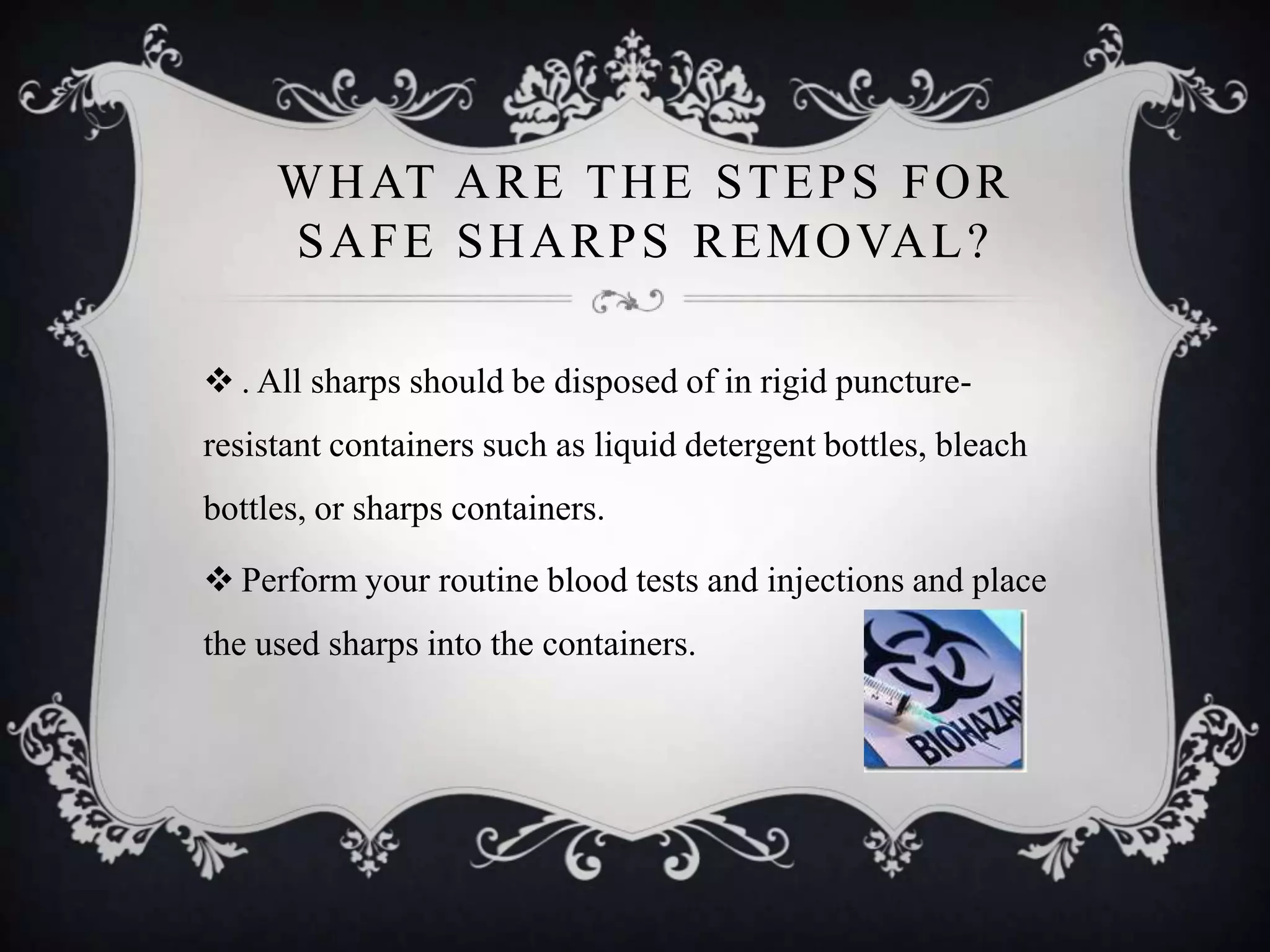
Sharps medical waste disposal involves a strictly regulated process of containing, transporting, and treating biohazardous items like needles and scalpels to prevent injury and infection. In 2026, the process typically utilizes steam sterilization (autoclaving) or high-heat incineration to render materials non-infectious before they are shredded and safely disposed of in landfills.
The management of "sharps"—a medical term for devices with sharp points or edges that can puncture or cut skin—is one of the most critical aspects of healthcare safety. Because these items are often contaminated with bloodborne pathogens such as Hepatitis B (HBV), Hepatitis C (HCV), and Human Immunodeficiency Virus (HIV), their disposal is not merely a matter of waste management but a vital public health intervention. For healthcare facilities, laboratories, and even home users, understanding the mechanics of this system is essential for legal compliance and community safety.
Defining Sharps: What Qualifies for Specialized Disposal?
Before examining the disposal process, it is necessary to identify what constitutes "sharps" waste. In both clinical and residential settings, the classification is broad but specific to the risk of percutaneous injury.
Common sharps include:
- Needles and Syringes: Used for injections or withdrawing fluids.
- Lancets: Small, handheld blades used to get blood drops for testing (common in glucose monitoring).
- Scalpels and Razor Blades: Used in surgical procedures or laboratory dissections.
- Broken Glass and Capillary Tubes: If contaminated with potentially infectious material.
- Auto-injectors: Such as EpiPens or insulin pens, which contain an internal needle.
The primary risk associated with these items is the "needlestick injury." According to the Centers for Disease Control and Prevention (CDC), hundreds of thousands of healthcare workers experience needlestick injuries annually. Proper disposal systems are designed to eliminate the possibility of these injuries from the moment the sharp is used until its final destruction.
The Life Cycle of Sharps Waste
The process of sharps disposal is a "cradle-to-grave" cycle, meaning the generator of the waste is responsible for its safe handling until it is fully neutralized. This cycle follows a specific sequence of containment, collection, transport, and treatment.
1. Immediate Containment at the Point of Use
The disposal process begins the second a sharp is used. Regulations from the Occupational Safety and Health Administration (OSHA) require that sharps be discarded immediately into specialized containers. These containers must be:
- Puncture-resistant: Usually made of heavy-duty plastic (polypropylene).
- Leak-proof: Designed to hold residual fluids without dripping.
- Labeled: Marked with the universal biohazard symbol and often color-coded red.
- Closable: Featuring a lid that can be sealed for transport.
A critical rule in 2026 remains that sharps containers must never be filled beyond the "fill line," which is typically marked at 75% capacity. Overfilling containers is a leading cause of accidental punctures during the sealing process.
2. On-Site Storage and Handling
Once a container reaches its capacity, it must be permanently sealed. In a clinical environment, these containers are then moved to a designated biohazard storage area. This area must be secure, ventilated, and inaccessible to the public or unauthorized staff. The length of time waste can be stored on-site is often governed by state-specific regulations, which may vary based on the volume of waste generated by the facility.
3. Transportation and the Manifest System
For most facilities, a licensed medical waste disposal company handles the transport. This stage is governed by the Department of Transportation (DOT) under the Hazardous Materials Regulations. The transporters must use vehicles that are specifically equipped to prevent leaks and must follow strict documentation protocols.
The "Medical Waste Manifest" is the most important document in this stage. It tracks the waste from the point of origin to the treatment facility. This document serves as legal proof that the waste was handled according to the law, protecting the generator from liability should the waste be illegally dumped by a third party.
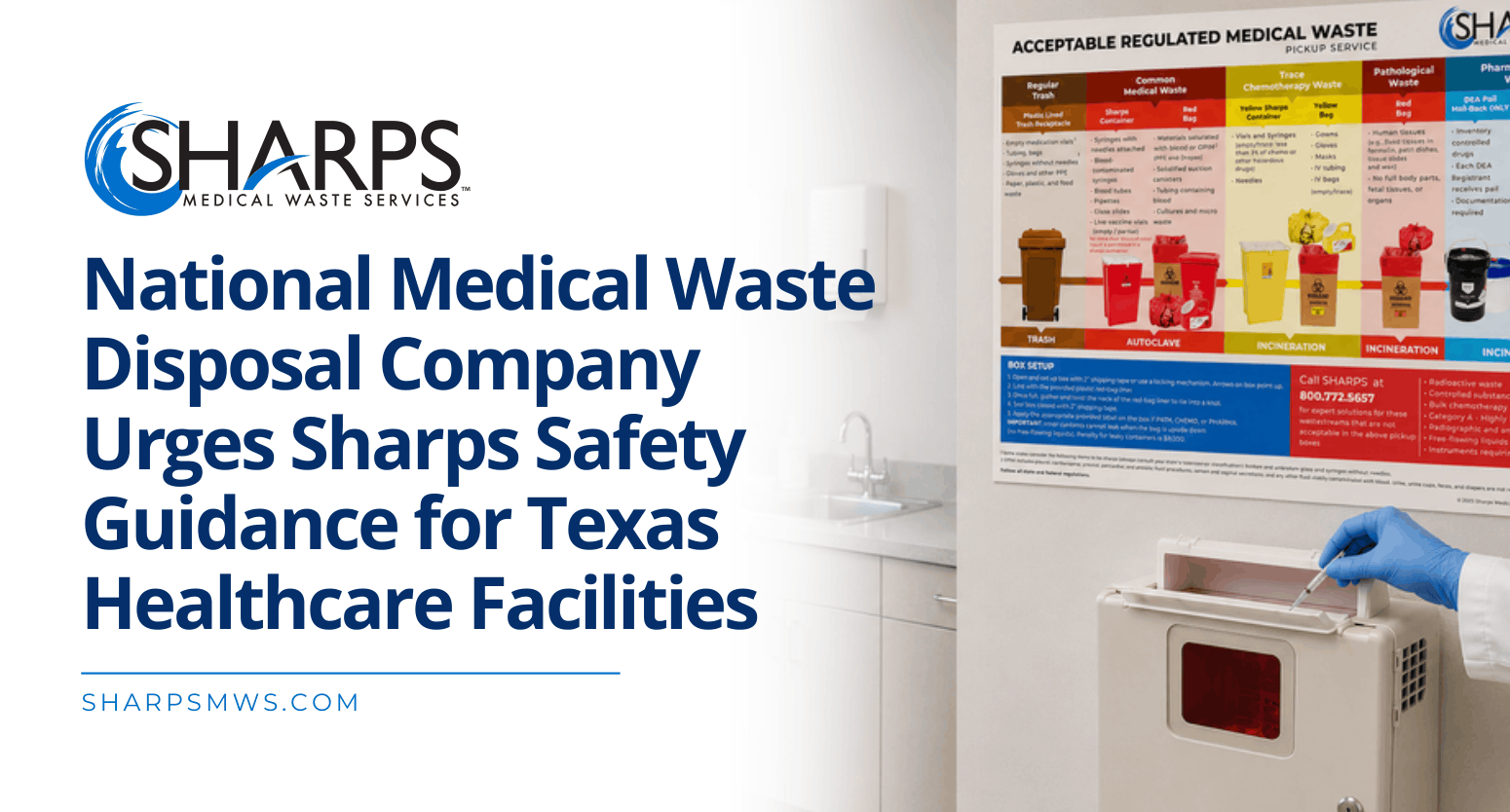
Primary Treatment Technologies: How Waste is Neutralized
Once sharps waste reaches a treatment facility, it must be rendered non-infectious. There are several primary technologies used to achieve this, each suited to different types of medical waste.
Autoclaving (Steam Sterilization)
Autoclaving is the most common and environmentally friendly method for treating sharps. It uses high-pressure steam to kill microorganisms.
- The Process: Sharps containers are placed in a vacuum chamber. Air is removed, and saturated steam is introduced.
- Technical Specifications: The waste is typically subjected to temperatures between 121°C (250°F) and 134°C (273°F) at high pressure for approximately 30 to 60 minutes.
- Verification: Technicians use biological indicators, such as Geobacillus stearothermophilus spores, to verify that the autoclave has reached the necessary conditions to kill even the most resilient pathogens.
Incineration
While autoclaving is effective for most sharps, incineration is required for sharps contaminated with chemotherapy agents, pathological waste, or certain pharmaceutical residues that steam cannot neutralize.
- The Process: Waste is burned in controlled furnaces at extremely high temperatures.
- Technical Specifications: Primary chambers usually operate at 800°C to 1,000°C, while secondary chambers (to treat flue gases) reach over 1,100°C.
- Result: This process reduces the waste to ash, which is sterile and significantly reduced in volume.
Chemical Disinfection
Some systems use powerful disinfectants like chlorine or ozone to treat sharps. The sharps are typically ground or shredded while being saturated with the chemical agent to ensure all surfaces are exposed. This method is less common for large-scale commercial facilities but is sometimes used in specialized on-site units.
Microwaving
Microwave units use high-frequency radio waves to heat the water within the waste, creating internal steam that kills pathogens. Like autoclaving, this process often involves a shredding step to ensure the waste is no longer recognizable as medical instruments.
Comparing Disposal Methods
The following table compares the most common methods used in 2026 for sharps treatment.
| Feature | Autoclaving | Incineration | Chemical Treatment |
|---|---|---|---|
| Primary Mechanism | High-pressure steam | Controlled combustion | Chemical oxidation |
| Best For | Routine infectious sharps | Chemo/Pathological waste | Liquid-heavy sharps |
| Environmental Impact | Low (no toxic emissions) | High (requires scrubbers) | Moderate (chemical runoff) |
| Volume Reduction | Low (requires shredding) | Very High (90% reduction) | Moderate |
| Cost Efficiency | High for high volume | Lower for specific toxins | High for specialized setups |
| Regulatory Status | Widely accepted | Restricted by air permits | Varies by state/region |
Regulatory Framework and Compliance
The disposal of sharps is not a suggestion; it is a legal requirement enforced by several federal and state agencies in the United States.
- OSHA (Occupational Safety and Health Administration): Focuses on worker safety. Their Bloodborne Pathogens Standard (29 CFR 1910.1030) dictates how sharps must be handled, the design of containers, and the training employees must receive.
- EPA (Environmental Protection Agency): While the EPA had a larger role in the past, they now primarily regulate emissions from medical waste incinerators and provide guidance on state-level waste programs.
- DOT (Department of Transportation): Regulates the packaging and shipping of medical waste as a "Division 6.2 Infectious Substance."
- State Health Departments: Often have the most granular rules, such as how long a facility can store waste before it must be picked up.
Failure to comply with these regulations can result in massive fines, sometimes exceeding $15,000 per violation per day, and significant legal liability if a member of the public or a waste worker is injured.
Residential Sharps Disposal: Guidance for Individuals
For individuals using needles at home for conditions like diabetes or allergies, the rules are slightly different but no less important. Putting loose needles in the household trash is dangerous for sanitation workers and is illegal in many jurisdictions.
In 2026, the recommended options for home users include:
- FDA-Cleared Containers: The safest option is to purchase a dedicated sharps container from a pharmacy.
- Heavy-Duty Plastic Containers: If a commercial container is unavailable, some regions allow the use of thick-walled plastic bottles (like laundry detergent bottles) with screw-on lids, provided they are clearly labeled "SHARPS" and taped shut. Note: Milk jugs and soda bottles are usually too thin and should be avoided.
- Mail-Back Programs: Users can purchase a container that includes a pre-paid shipping box. Once full, the container is mailed directly to a treatment facility.
- Drop-off Sites: Many pharmacies, hospitals, and fire stations serve as collection points for household sharps.
Common Mistakes in Sharps Disposal
Despite the clear guidelines, several errors frequently occur that compromise safety and lead to regulatory violations.
- Recapping Needles: One of the most common causes of injury. Modern safety needles are designed to be shielded, but older styles should never be recapped by hand.
- Overfilling Containers: When a container is too full, needles may protrude from the opening or puncture the lid during closure.
- Mixing Waste Streams: Placing regular trash, paper, or gloves in a sharps container fills it up unnecessarily and increases disposal costs. Conversely, placing sharps in a "red bag" (meant for soft biohazardous waste like gauze) creates a massive risk for the workers who must lift those bags.
- Improper Labeling: Using a container without the biohazard symbol or failing to write the start date of the waste collection can lead to inspection failures.
Frequently Asked Questions
Can I throw sharps containers in the regular trash once they are full?
No. In almost every jurisdiction, it is illegal to place filled sharps containers—even if they are sealed—into the regular municipal waste stream. These must be handled by a specialized medical waste provider or taken to a designated community drop-off point to ensure they are treated before landfilling.
What should I do if I am accidentally stuck by a used needle?
Immediately wash the area with soap and water or use an antiseptic. Do not "squeeze" the wound to try and flush out blood, as this can cause more tissue damage. Report the incident immediately to your supervisor or seek medical attention at an emergency room. Post-exposure prophylaxis (PEP) is highly effective if started within hours of the injury.
Are "needle clippers" a safe alternative to sharps containers?
Needle clippers can be used to snap off the needle from a syringe, storing the sharp tip inside a small, puncture-resistant device. While this makes the syringe safer to handle, the clipper itself eventually becomes a sharps container that must be disposed of through a proper medical waste channel.
How long can a sharps container remain in a patient room?
While federal OSHA standards do not set a specific expiration date for a container, many state regulations and "best practice" guidelines suggest replacing containers every 30 to 90 days, even if they are not full, to prevent the growth of bacteria or odors.
Why can't I use a glass jar for sharps?
Glass jars are highly dangerous for sharps disposal because they can shatter if dropped or crushed during the waste collection process. Only puncture-resistant plastic containers that meet ASTM standards are recommended.
Final Recommendation for Safe Management
Whether you are managing a large surgical center or a private residence, the most effective way to handle sharps is to implement a standardized routine. For professionals, this means conducting regular audits of disposal stations and ensuring all staff are trained in the "point of use" disposal rule. For home users, the best action is to enroll in a mail-back program or locate a local "take-back" site before you even begin your first treatment. Proper sharps disposal is a definitive way to prevent the spread of infectious diseases and ensure that life-saving medical treatments do not inadvertently cause harm to others.
Image Gallery
Select an image to open it in a new tab.
Zara El-Hashem
Sociocultural Dynamics and Academics Writer
