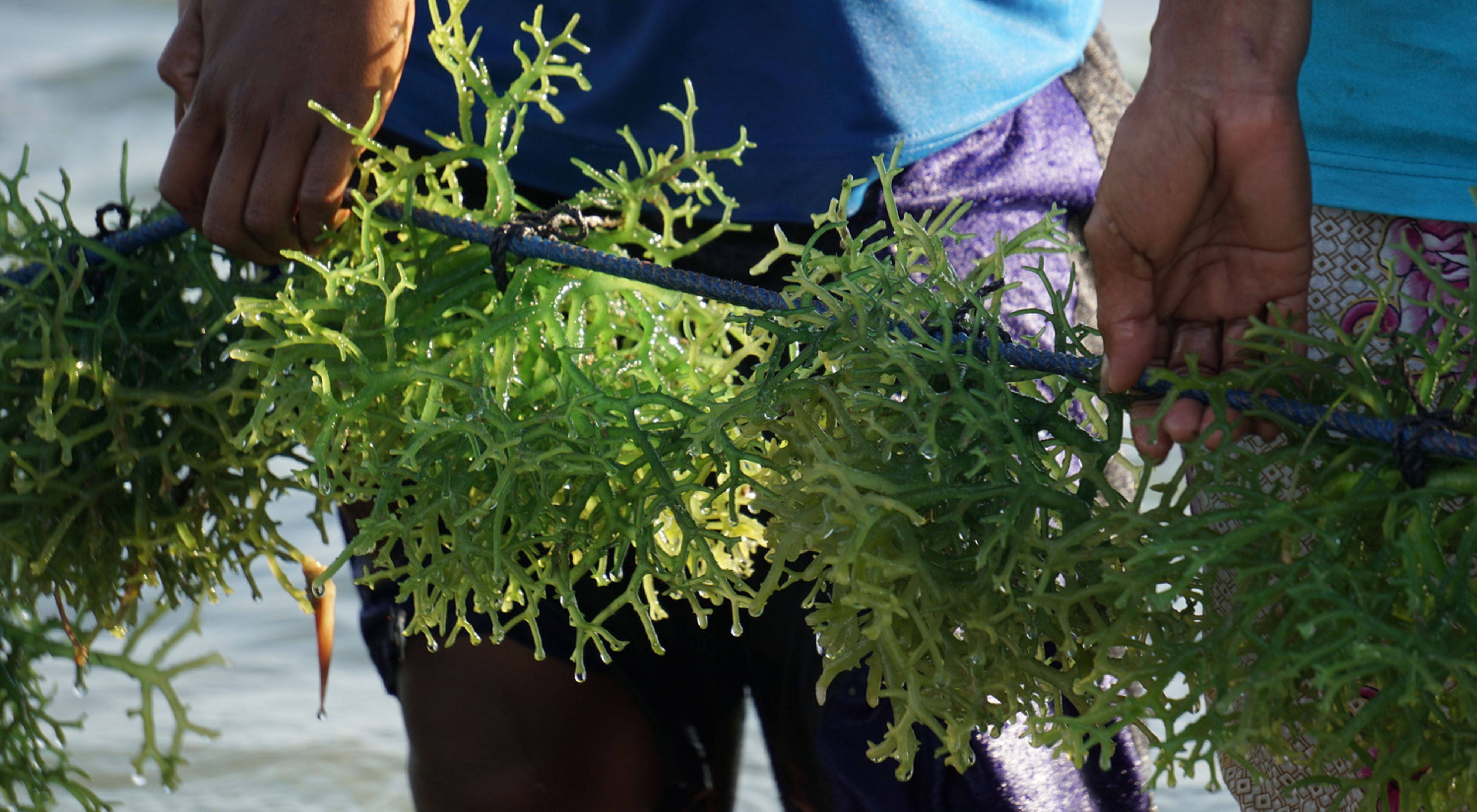
The economic "secret" of seaweed lies in its role as a zero-input biomass that provides high-value derivatives for the pharmaceutical, agricultural, and bioplastic industries. By requiring no fresh water, land, or fertilizer, seaweed aquaculture creates a resilient "Blue Economy" that revitalizes coastal communities through diversified revenue streams and ecosystem services.
For decades, seaweed was viewed primarily as a niche food product or a nuisance on tourist beaches. However, as of 2026, it has transitioned into a cornerstone of coastal economic strategy. This shift is not merely about harvesting plants from the ocean; it is about a sophisticated value chain that transforms raw macroalgae into high-margin products while simultaneously restoring the marine environments that coastal towns depend upon for survival.
The Shift from Wild Harvest to Industrial Aquaculture
The primary driver behind the modern seaweed economy is the transition from volatile wild harvesting to stabilized aquaculture. Traditional coastal economies often relied on "boom and bust" cycles of wild fisheries. In contrast, seaweed farming offers a predictable, scalable harvest that can be integrated into existing maritime infrastructure.
In 2026, the global seaweed market has matured significantly, with the Food and Agriculture Organization (FAO) noting that farmed seaweed now accounts for over 97% of total global production. This stabilization allows coastal communities to sign long-term supply contracts with industrial partners in sectors that previously found the seaweed supply chain too unreliable.
Why Seaweed is a "Zero-Input" Economic Miracle
From an investment perspective, seaweed is an anomaly. Unlike terrestrial crops that require significant capital expenditure for irrigation, synthetic fertilizers, and land management, seaweed thrives on what is already present in the water.
- Nutrient Absorption: Seaweed naturally filters nitrogen and phosphorus from the water. In regions with agricultural runoff, seaweed farms act as biological scrubbers, preventing harmful algal blooms that would otherwise devastate local tourism and shellfisheries.
- Space Efficiency: Utilizing the vertical water column allows farmers to produce massive amounts of biomass in a small geographic footprint.
- Low Barrier to Entry: For former commercial fishers, the transition to seaweed farming often involves using existing vessels and gear, lowering the "switching costs" that typically prevent economic evolution in rural areas.
The Multi-Sector Value Chain: Beyond the Dinner Plate
The true "secret" fueling coastal growth is the versatility of the biomass. While the edible market (nori, dulse, and wakame) remains strong, the highest growth is found in industrial applications.
Bioplastics and Packaging
As global regulations against single-use plastics have intensified through 2025 and into 2026, seaweed-based polymers have emerged as the leading alternative. Companies are now establishing processing hubs directly in coastal ports to convert fresh kelp into biodegradable films and coatings. This local processing ensures that the "value-add" stays within the coastal community rather than being exported to inland manufacturing centers.
Methane-Reducing Animal Feed
One of the most significant breakthroughs for coastal economies has been the commercialization of Asparagopsis taxiformis and other red seaweeds as cattle feed additives. Research confirmed years ago that small amounts of these seaweeds can reduce methane emissions from livestock by up to 80% or more. In 2026, coastal regions with the right water temperatures are seeing an influx of "Blue-Green" partnerships, where coastal seaweed farms supply inland dairy and beef operations, creating a cross-industry economic bridge.
Pharmaceuticals and "Nutraceuticals"
Seaweed is rich in bioactive compounds like fucoidan and laminarin. These are increasingly used in anti-inflammatory drugs and specialized skin care. Because these compounds must be extracted from high-quality, traceable biomass, pharmaceutical companies are investing in "Smart Farms" that use sensors to monitor water purity, bringing high-tech jobs to coastal areas that were previously dominated by manual labor.
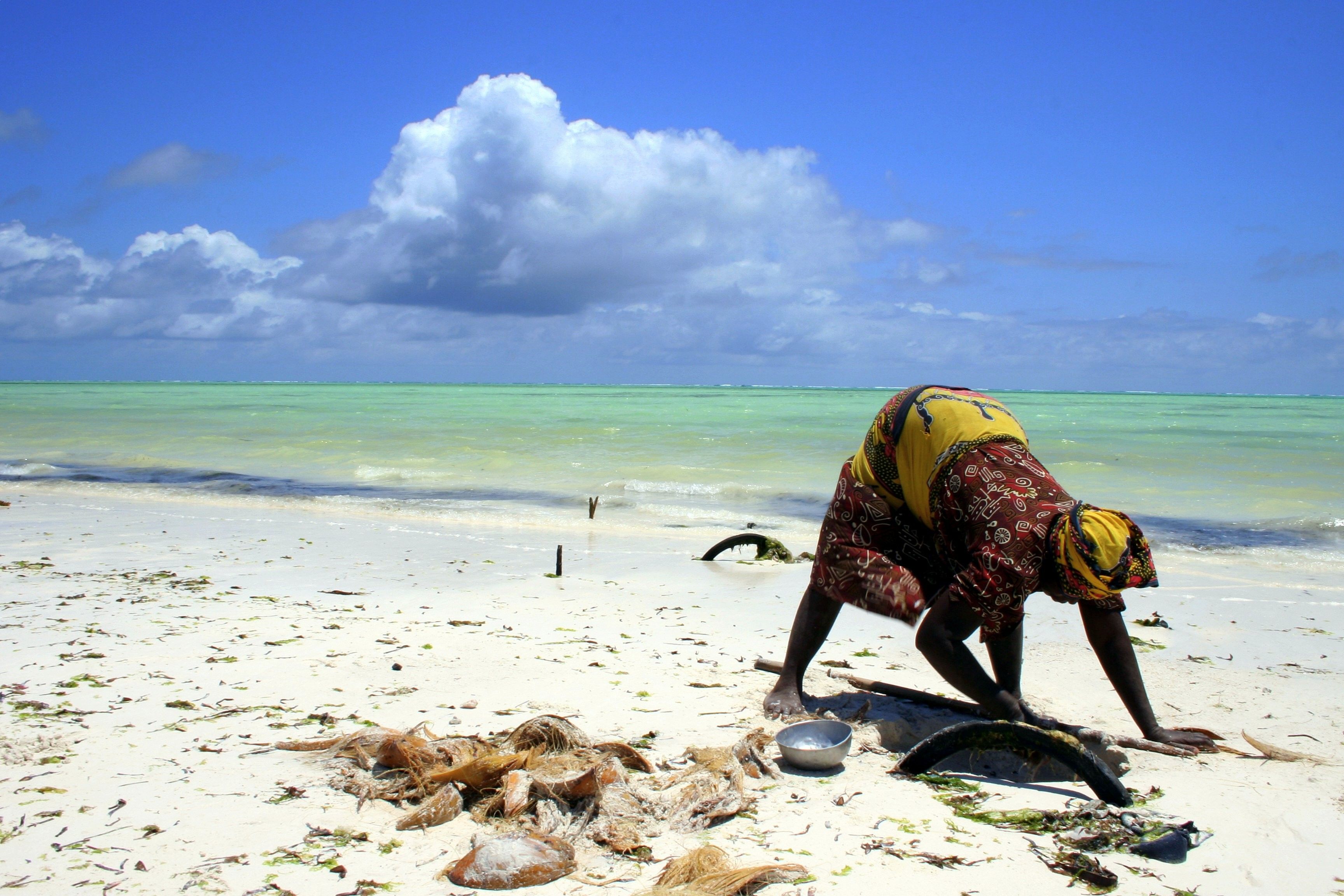
Economic Comparison of Seaweed Applications (2026 Projections)
The following table outlines the primary seaweed types currently fueling economic growth and their relative market value when processed into different end-products.
| Seaweed Type | Primary Species | Main Economic Driver | Market Value Density | Coastal Impact |
|---|---|---|---|---|
| Brown Algae | Saccharina latissima (Sugar Kelp) | Bioplastics & Biofuels | Moderate | High volume, uses existing fishing gear. |
| Red Algae | Asparagopsis taxiformis | Methane-reducing feed | High | Emerging market, requires specialized nurseries. |
| Red Algae | Gracilaria / Eucheuma | Carrageenan & Agar | Stable | Essential for food processing/cosmetics. |
| Green Algae | Ulva (Sea Lettuce) | Nutraceuticals | Very High | Focus on high-purity, land-based or sheltered tanks. |
Infrastructure and Technical Requirements for Coastal Success
To unlock the seaweed secret, a coastal economy cannot rely on farming alone; it requires a specialized infrastructure stack. Communities that have seen the most growth by 2026 are those that have invested in three specific areas:
1. Nursery and Seed String Facilities
Seaweed farming begins in a lab. Microscopic spores are "seeded" onto twine in climate-controlled tanks. These nurseries are high-tech hubs that require skilled technicians. By hosting these facilities locally, coastal towns capture the beginning of the value chain.
2. Primary Processing (Stabilization)
Seaweed is roughly 90% water. If it is not dried, blanched, or frozen within hours of harvest, it degrades rapidly. The most successful coastal economies have built "stabilization hubs" at the docks. These hubs allow small-scale farmers to pool their harvests, creating the volume necessary to attract major industrial buyers.
3. Integrated Multi-Trophic Aquaculture (IMTA)
The most profitable modern farms don't just grow seaweed; they grow seaweed alongside shellfish like mussels and scallops. In an IMTA system, the seaweed feeds off the waste produced by the shellfish, while the shellfish benefit from the oxygenated water created by the seaweed. This diversification protects the coastal economy: if the price of kelp drops, the scallop harvest provides a financial safety net.
Social Impact: Revitalizing Working Waterfronts
Beyond the raw numbers, the seaweed industry is solving a social crisis in coastal regions. In many parts of the world, young people have been fleeing traditional fishing villages due to the decline of wild stocks and the high cost of entry into commercial fishing.
Seaweed farming is uniquely accessible. In 2026, we see a trend of "micro-farming" licenses that allow families to manage small plots. This has led to a demographic shift, with younger generations returning to the water to apply data science and marine biology to aquaculture. This influx of "blue-collar tech" workers supports local schools, healthcare, and retail, which are the true indicators of a fueled economy.
Environmental Risks and Economic Vulnerability
While the outlook is positive, the seaweed secret is not without its risks. The economic stability of coastal regions in 2026 depends on their ability to manage two primary threats:
- Ocean Warming: Many high-value species, such as sugar kelp, require cold water to thrive. As sea temperatures rise, farms in more southerly latitudes are being forced to move further offshore into deeper, cooler water, which increases operational costs and safety risks.
- Regulatory Bottlenecks: In many jurisdictions, the "secret" is held back by outdated leasing laws designed for oil and gas or traditional piers. Economies that have streamlined their "Blue Zone" permitting processes have seen a 4x faster rate of investment compared to those with restrictive zoning.
Common Mistakes in Seaweed Economic Planning
- Focusing Only on Biomass: The biggest mistake a coastal town can make is focusing solely on the "wet weight" of the harvest. Without local processing (the "value-add"), the seaweed is a low-margin commodity. The wealth is in the extraction, not just the extraction from the water.
- Ignoring Local Biodiversity: Introducing non-native species for their commercial value can lead to ecological collapse. The most resilient economies utilize indigenous species that are already adapted to the local climate and pests.
- Neglecting Market Diversification: Relying entirely on a single buyer (e.g., a single bioplastic startup) leaves the community vulnerable if that startup fails. Successful hubs cultivate a "portfolio" of buyers across different industries.
Frequently Asked Questions
Is seaweed farming profitable for small-scale operators in 2026?
Yes, but profitability typically depends on being part of a cooperative. While an individual small farm might struggle to find a buyer for a few tons of kelp, a cooperative of 20 small farms can provide the consistent volume required by industrial processors of methane-reducing feed or bioplastics.
How does seaweed farming help coastal tourism?
While some worry about "industrializing" the view, seaweed farms are mostly submerged and have a low visual profile. More importantly, they improve water clarity by filtering nutrients and providing habitats for fish. This often leads to better recreational fishing and diving opportunities, which bolsters the local tourism sector.
What are the main costs associated with starting a seaweed farm?
The primary costs include specialized seafloor anchors, longlines, buoys, and the purchase of seeded string from a nursery. Ongoing costs involve vessel fuel, labor for the 3-5 month growing season, and the immediate stabilization (drying or freezing) of the crop post-harvest.
Does seaweed farming compete with traditional fishing?
On the contrary, it often complements it. Many seaweed farmers are commercial fishers who use the winter seaweed season to supplement their income during the "off-season" for lobster or finfish. This allows them to maintain a year-round income without over-stressing wild fish stocks.
Can seaweed be used for energy production?
As of 2026, seaweed-to-biofuel is technically feasible but still faces economic challenges compared to solar and wind. However, in remote coastal communities, small-scale anaerobic digesters are using seaweed waste to produce biogas for local heating and electricity, reducing their dependence on expensive imported fuels.
Next Steps for Coastal Stakeholders
For coastal municipalities or entrepreneurs looking to tap into this "secret," the first step is a Marine Spatial Planning (MSP) assessment. This involves mapping the seafloor and water currents to identify "Goldilocks zones" where seaweed will thrive without interfering with navigation or existing fisheries.
Following the assessment, stakeholders should focus on establishing a centralized processing hub. By providing a place where farmers can bring their harvest to be stabilized, a community creates an immediate market incentive for new farmers to enter the space. In 2026, the seaweed economy is no longer a fringe experiment—it is a proven strategy for coastal resilience.
Image Gallery
Select an image to open it in a new tab.

Omar Farooq
EdTech Innovation and Virtual Pedagogy Journalist
